What Was Built Here
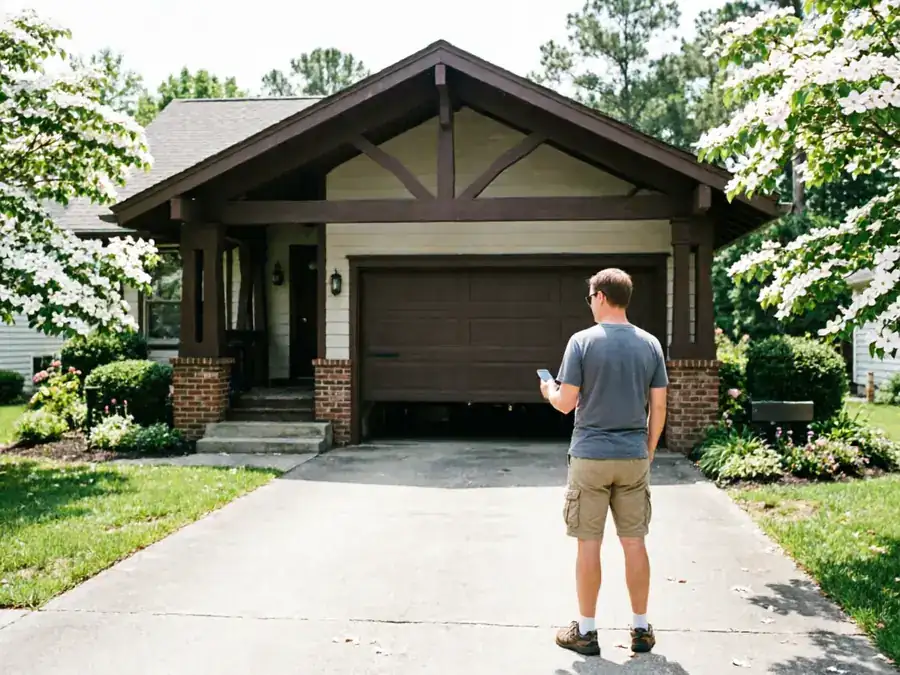
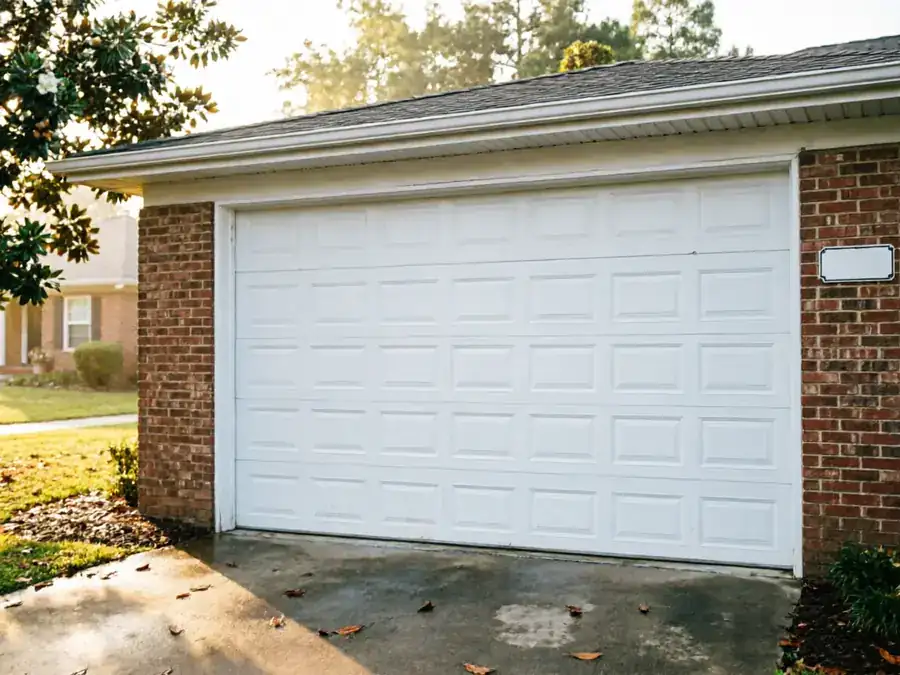
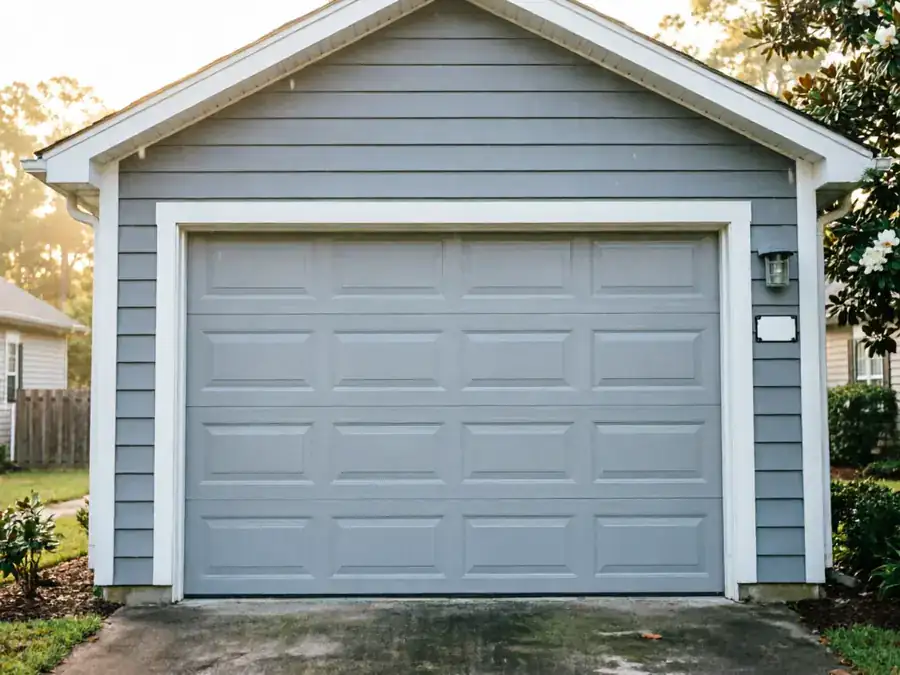
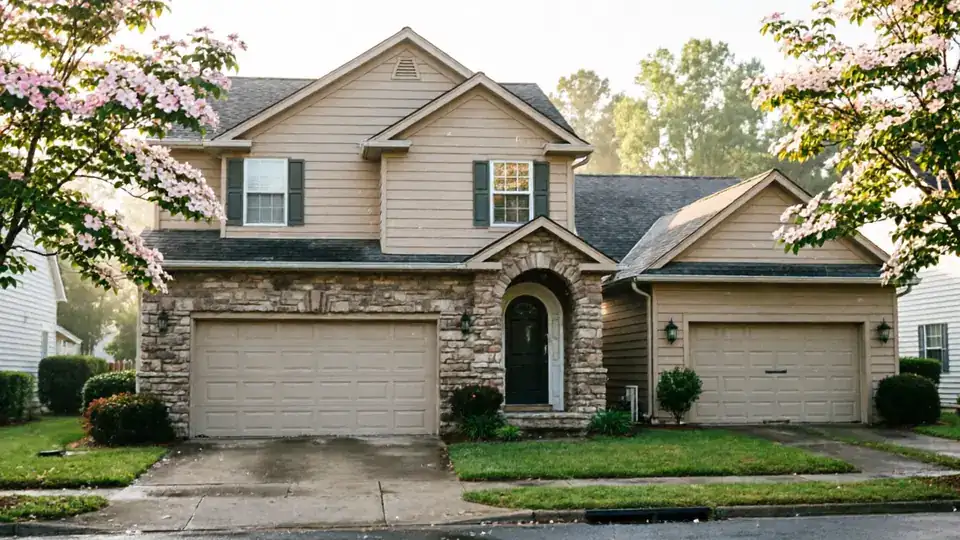
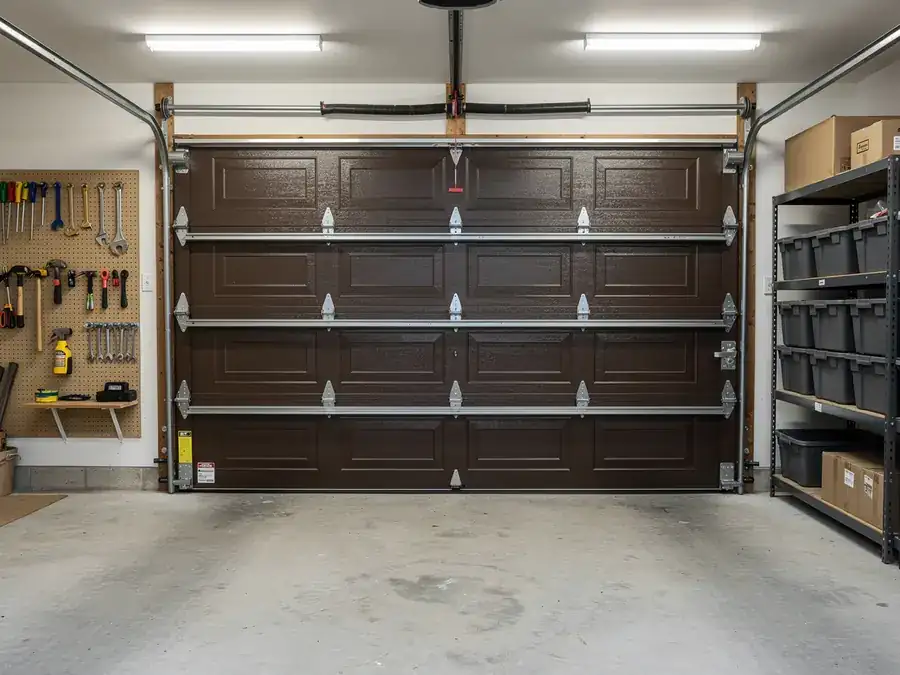
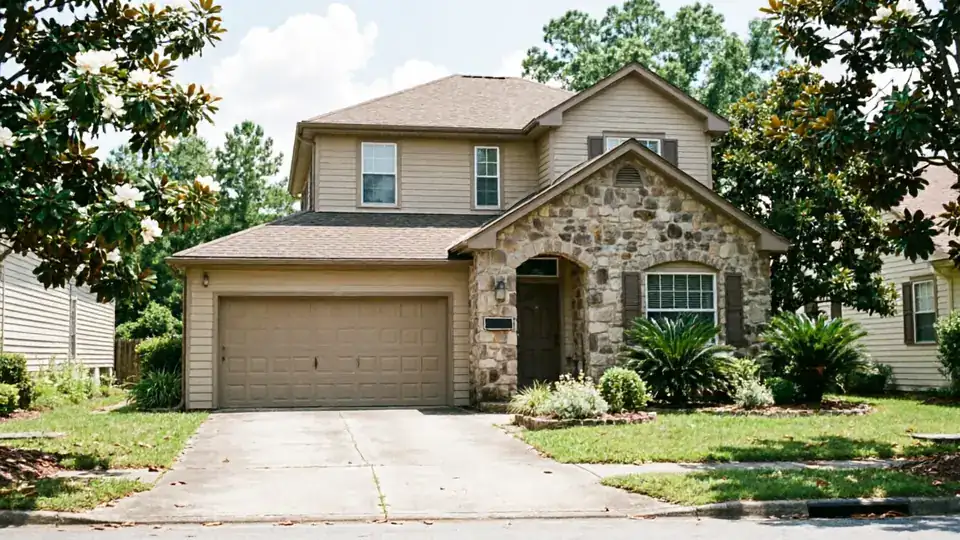
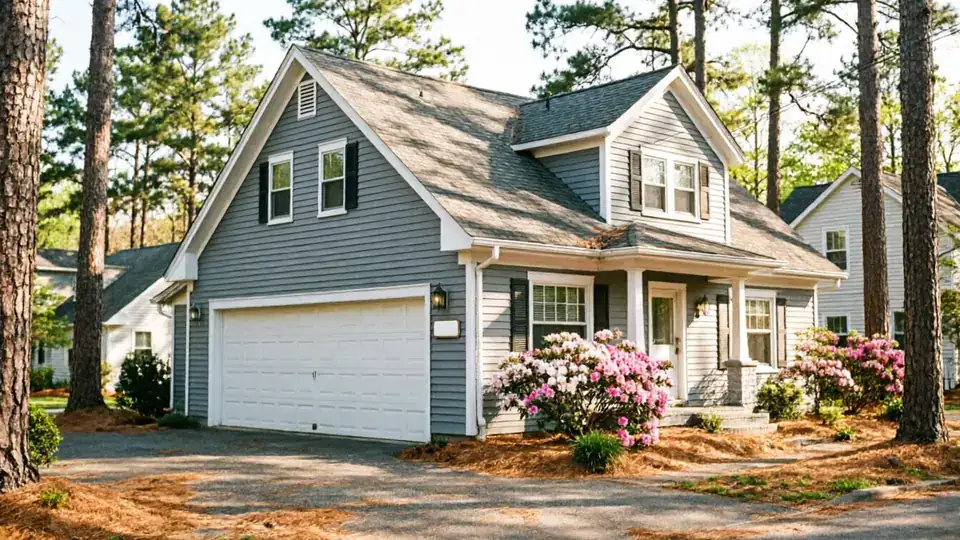
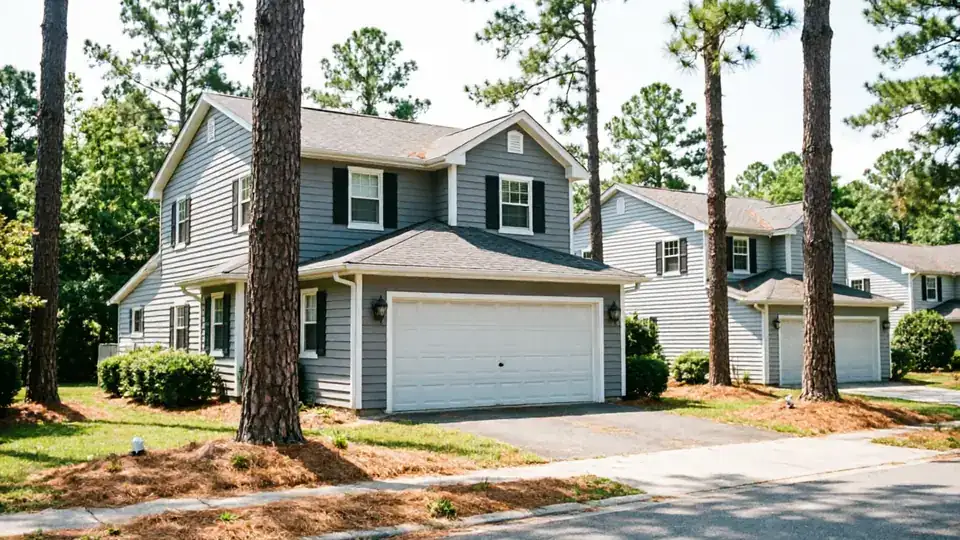
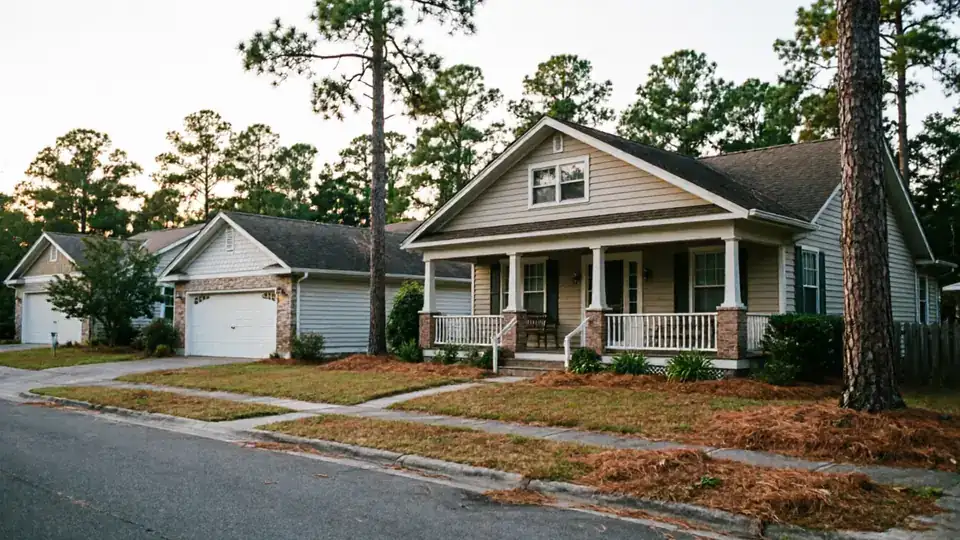
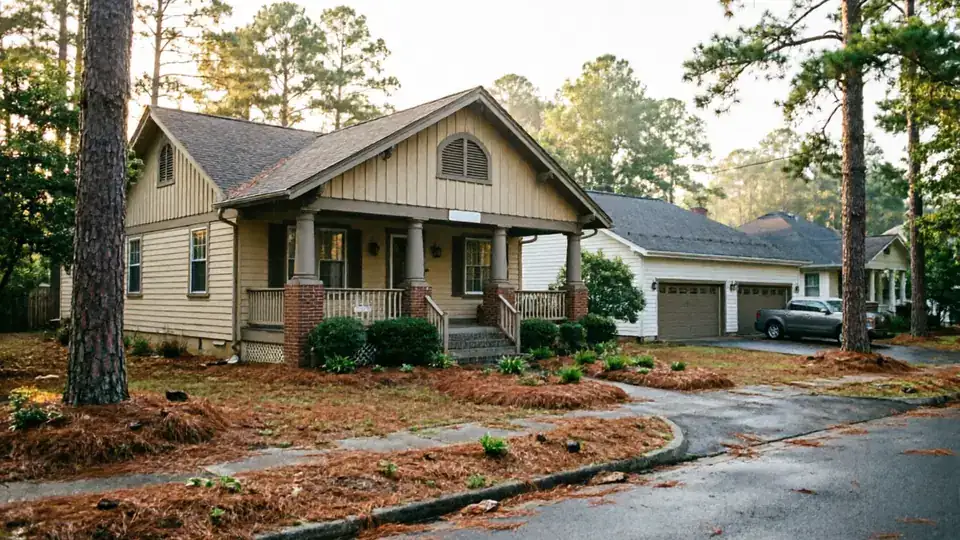
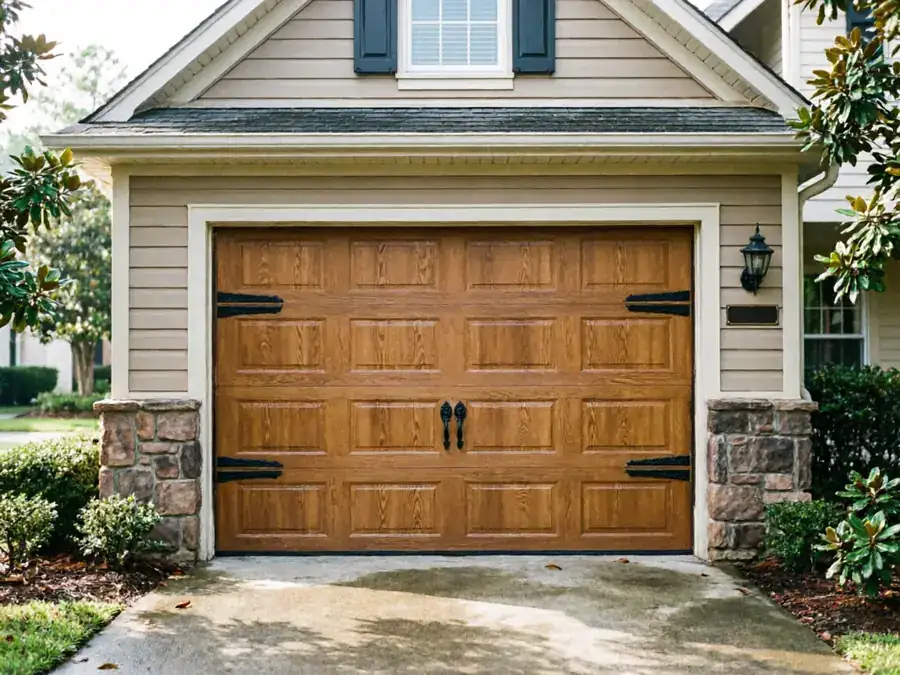
Clover sits about 17 miles out from our Fort Mill base, and the houses here mostly went up in that same wave as the rest of the service area - construction from 1979 through 2006, with the median build year landing in 1997. That means a lot of Clover garages are running original or first-replacement openers and doors that are now pushing 25 to 30 years old. Across the roughly 2,567 households we count in this part of the coverage area, the typical setup is a steel sectional door on extension or torsion springs sized for a builder-grade door, paired with a chain-drive opener that was mid-range for its decade. At a median household income of $66,992, we see a lot of owners who want the door fixed right rather than swapped out, which is usually the correct call on hardware from this era - the frames and tracks are sound, it's the springs, cables, and opener boards that give out first. The nine-area housing pattern we work across (1980s-90s stock being the common thread) holds true here too, so parts compatibility is rarely a guessing game once we're on site.
When We Can Get There
We run out of Fort Mill, and Clover is the farther end of where we go - about 17 miles each direction. We don't keep a crew or a truck stationed in Clover, so we're not going to tell you we've got someone around the corner. What we can tell you is that the drive is a known quantity for us, not a special trip, and it's built into how we schedule the day. If you need a same-day look, say so when you call and we'll tell you honestly whether that's doable against the rest of the route, rather than promising a window we can't hit.
How That Shows Up in the Door
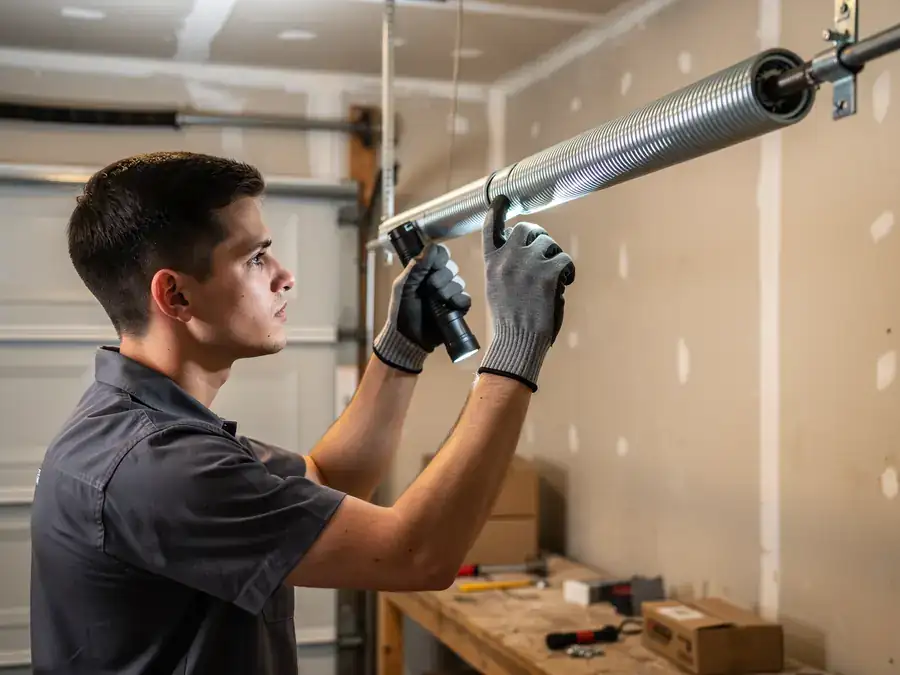
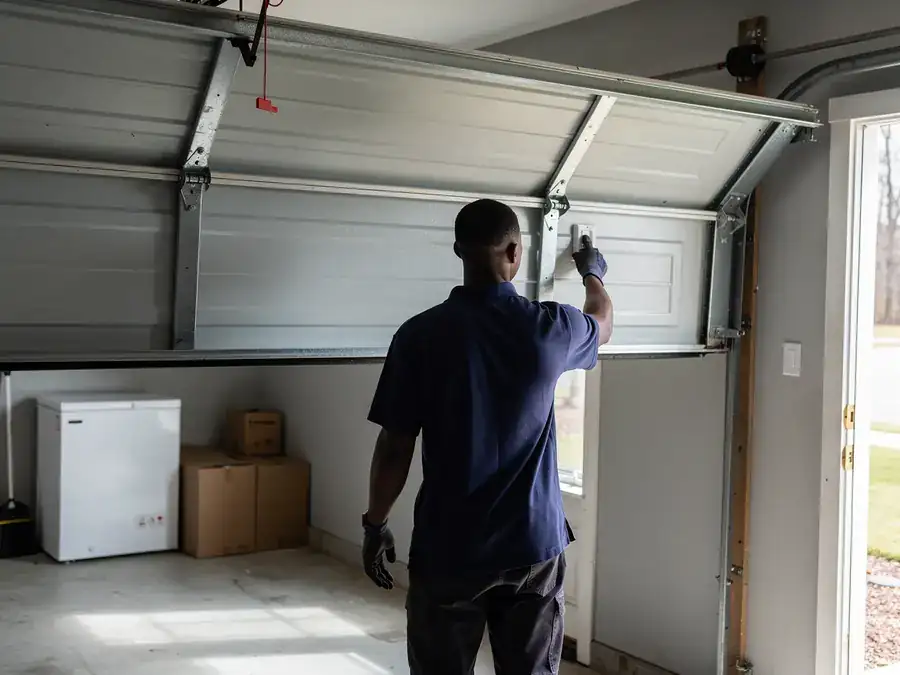
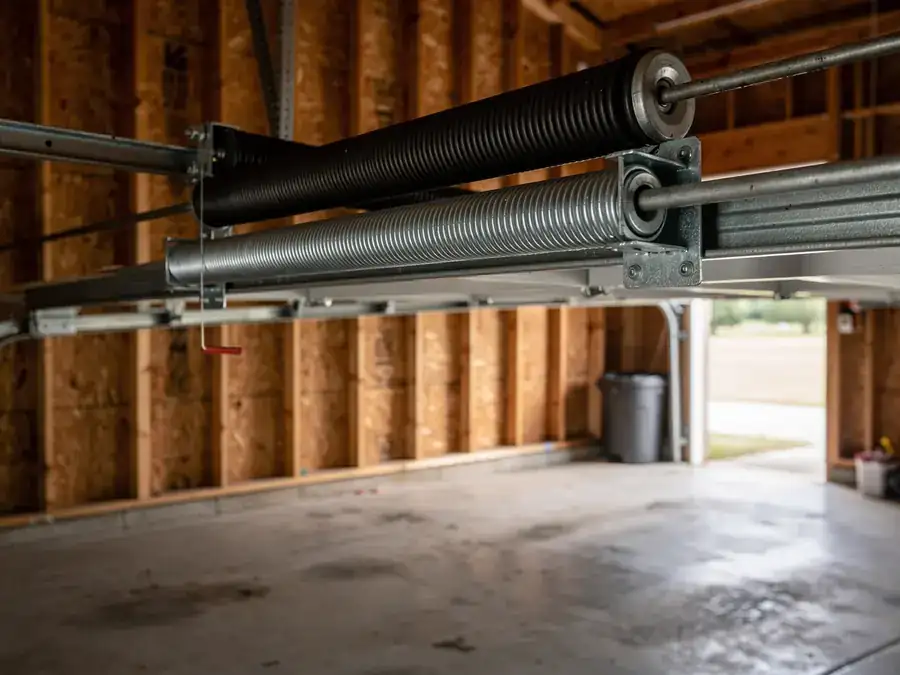
Because most Clover garages date to the 1980s-90s stock pattern rather than anything newer, the failures we see follow a pattern too. Torsion springs rated for the original door weight start fatiguing around the 10,000-to-15,000-cycle mark, which lines up with houses built in the late '80s and '90s hitting that wear point right about now. Extension-spring setups without safety cables - common on doors from before the mid-1990s code updates - are the ones we flag fastest, since a snapped cable on one of those can whip hard. Opener boards from this era also tend to go before the motor does, so a door that 'won't open' is often an electronics problem, not a mechanical one. None of this is unique to one house; it's the age of the stock across this whole stretch of the county, and it's why diagnosing a Clover call usually starts with asking when the house was built, not just what the door is doing. Learn more about how we handle service calls out this way.