Where This Job Goes Sideways
Clover isn't a satellite of downtown Fort Mill in the way some of the closer suburbs are. The truck makes a 17-mile run to get here, the longest stretch on this part of the route, and the household numbers look different too: about 2,567 households, with a median income of $66,992. That's well under the $94,505 median across the wider service area. It matters for one reason - when a spring breaks or an opener dies, the conversation about fixing versus replacing has to account for what actually makes sense for a Clover budget, not a blanket number pulled from the whole territory.
Because the drive is long, we load spring, cable, and roller stock onto the truck before we leave Fort Mill rather than guess at what we'll need once we're on site. That's not a complaint about the distance - it's just how the job gets planned so a second trip isn't necessary over a part that should've been in the van the first time.
What You Are Seeing
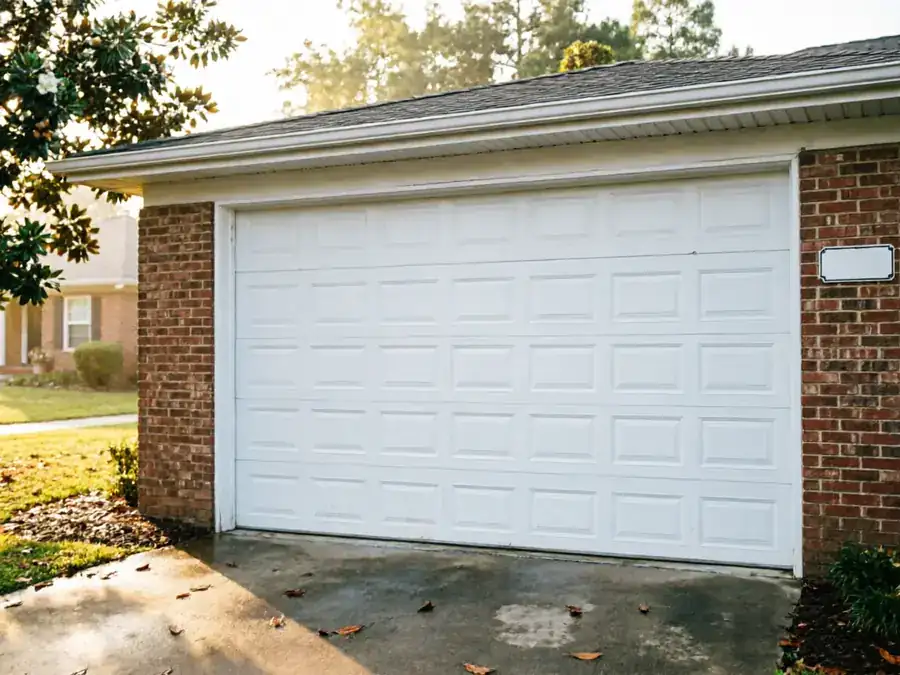
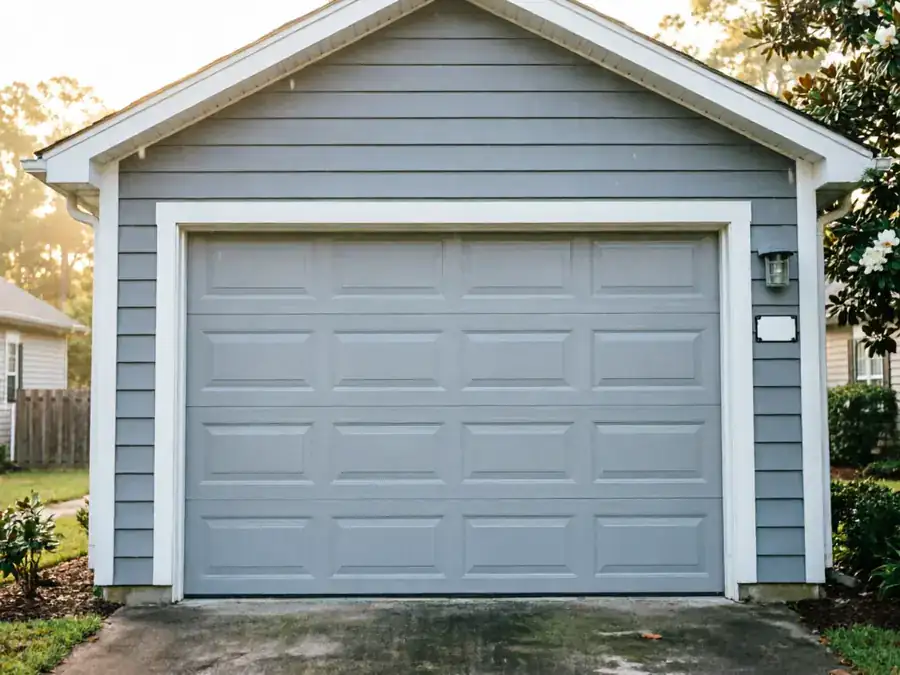
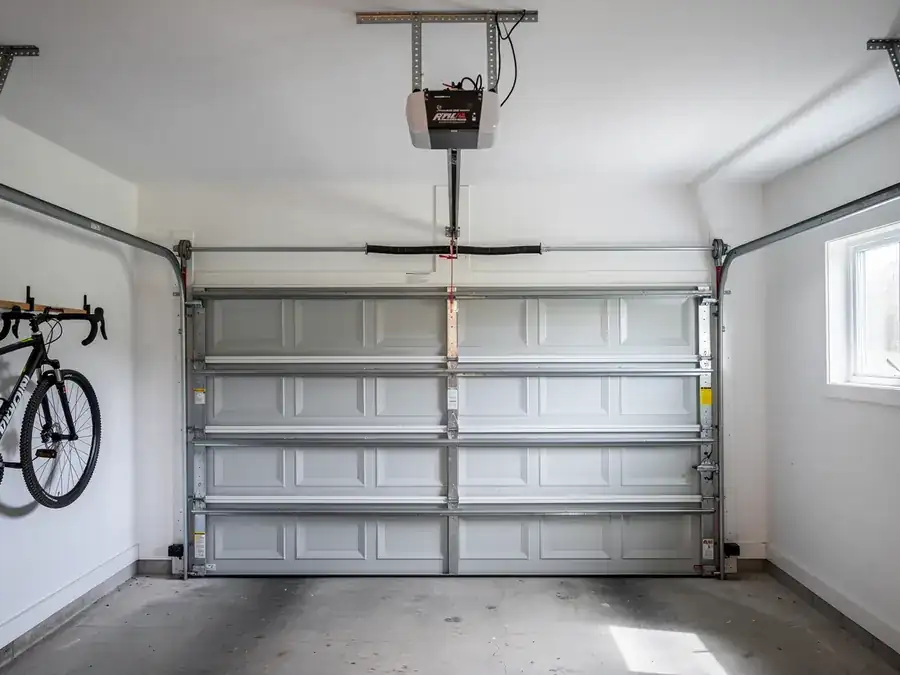
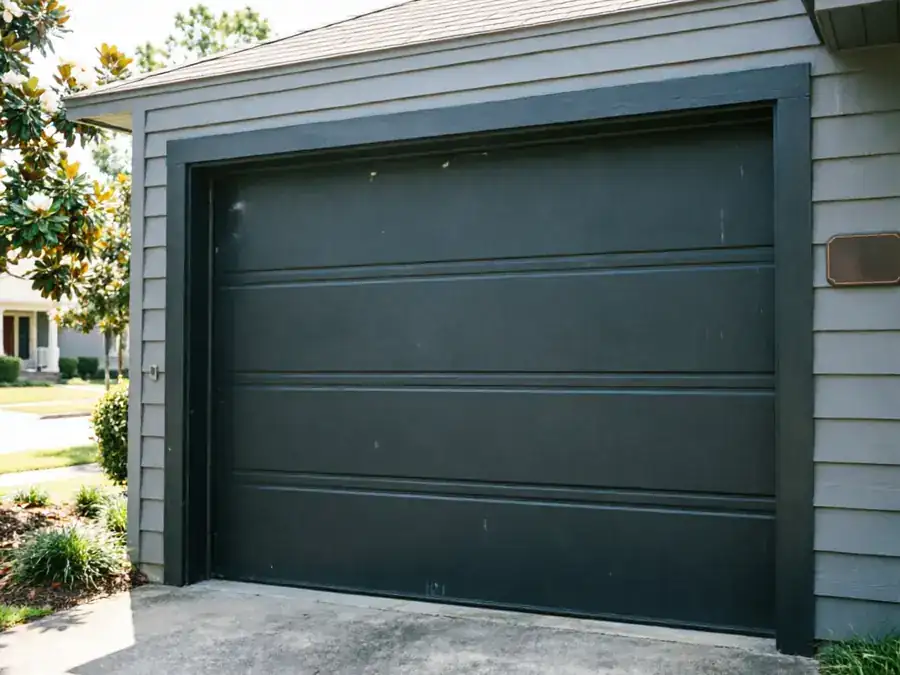
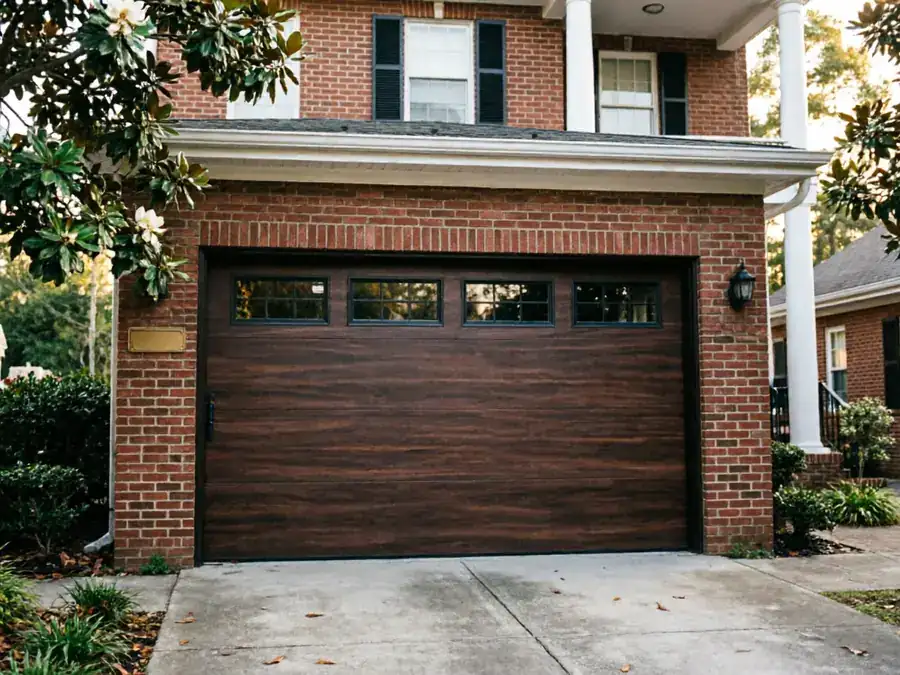
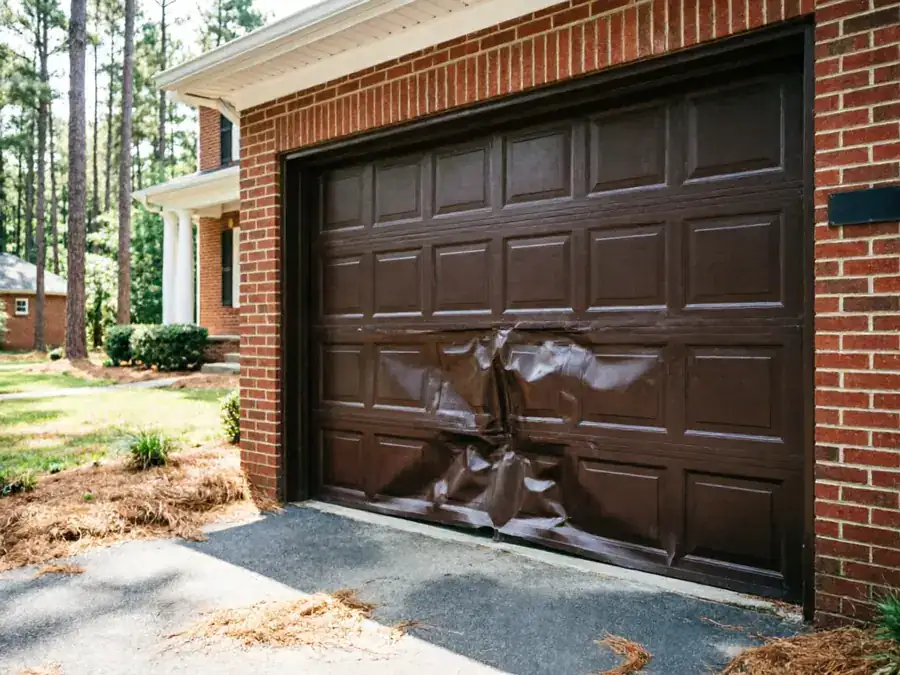
Clover's housing stock sits in the same build wave as most of this service area - the median year here is 1997, with the bulk of homes going up through the 1980s and 90s. That generation of garage door came standard with steel panels on torsion hardware, often sized to openings that newer production-built doors don't match exactly. If your door is from that era and a panel's dented or a cable's frayed, the fix usually isn't a universal part off a shelf.
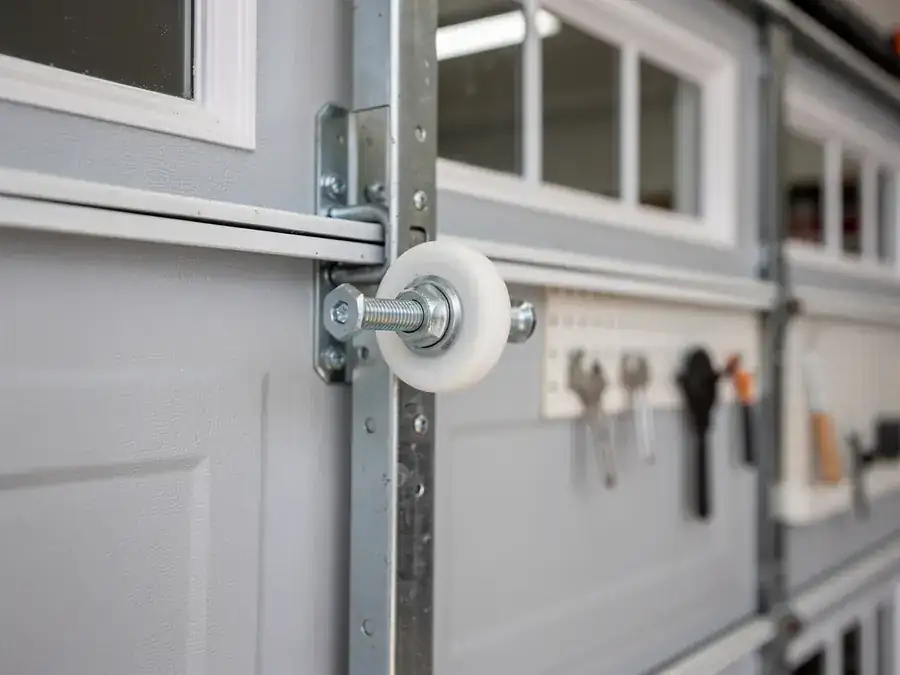
Cold-weather swings put real strain on that hardware. Steel contracts in low temperatures, torsion springs lose a little tension, and nylon rollers that were fine in August start binding in January. None of that is unique to one house - it's a function of age plus climate, and a lot of Clover's doors are now old enough that the springs on them were never meant to last this long in the first place.
Parts We Carry
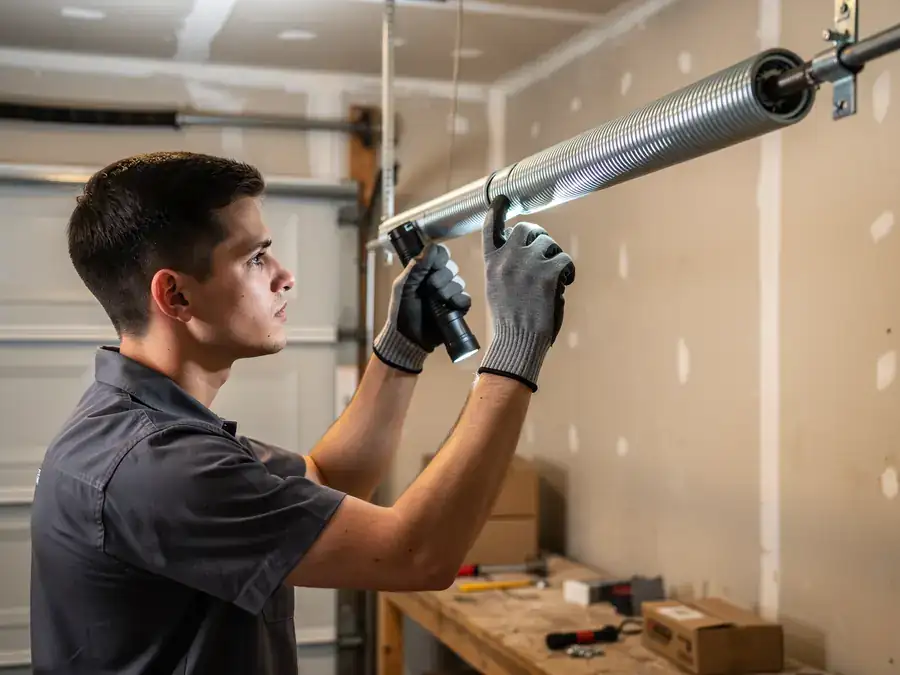
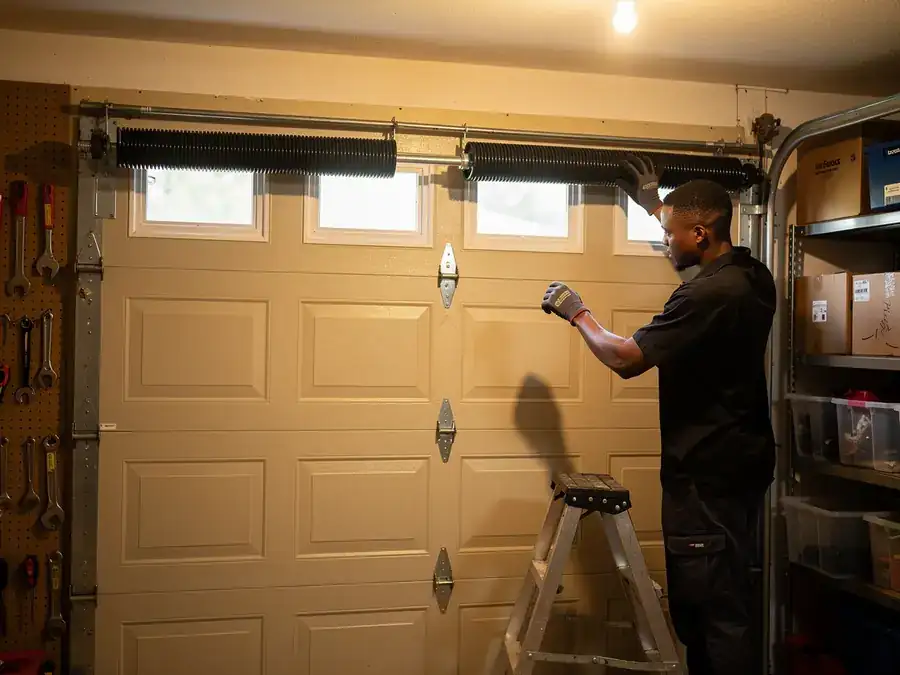
We stock the common torsion springs, extension springs, cable, rollers, and hinge sets that cover most doors from the 1980s-2000s build era, since that's what the bulk of this service area is working with
What we don't carry is every obsolete panel size or an opener model that's been out of production for years - if your door needs one of those, it gets ordered, and that's a lead-time conversation we have up front rather than after the truck's already there.
That's the honest limitation on this page
We're not walking in with a van that has literally every part for every door built since the 1970s. We carry what fits the housing stock we actually see out here, and when something's outside that, we tell you before we quote the job, not after.
What the Repair Takes
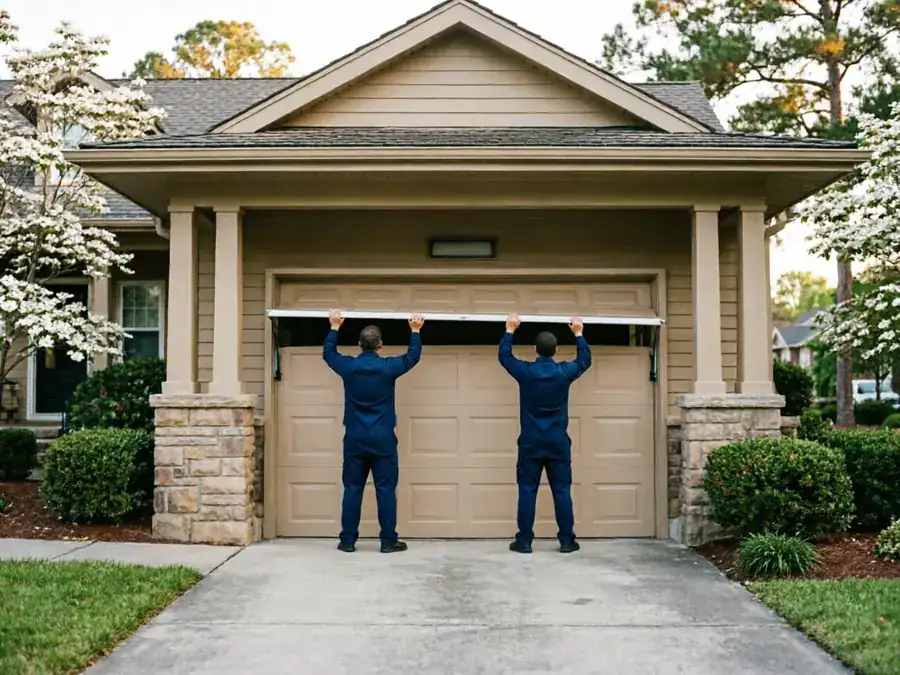
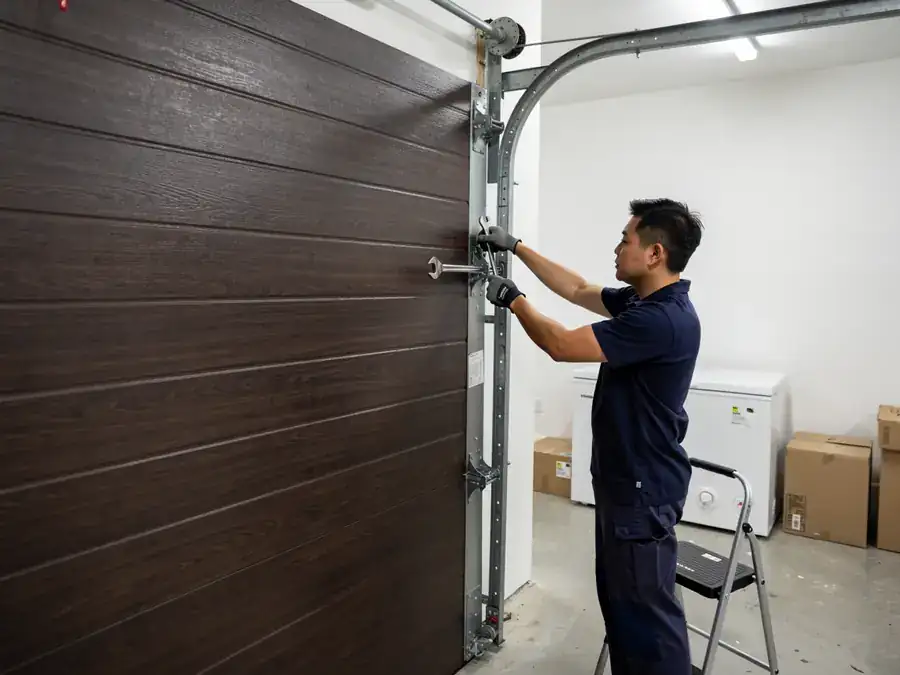
Most torsion spring swaps, cable replacements, and roller jobs on a standard double or single door run the same whether the house sits in Clover or anywhere else on the route - it's a matter of pulling the old hardware, setting tension correctly, and testing the door through a full cycle before we leave. What changes with Clover is the upfront math: given the median income here runs lower than the broader area's, we'll walk through whether a repair gets you another five-plus years out of a 1990s door or whether you're better off putting that money toward a new one.
The drive factor also means scheduling tends to work best when we can combine the trip with other stops in this part of the route, so flexibility on timing helps keep the job priced fairly rather than padding the bill for a dedicated 17-mile round trip for one spring.