What Was Built Here
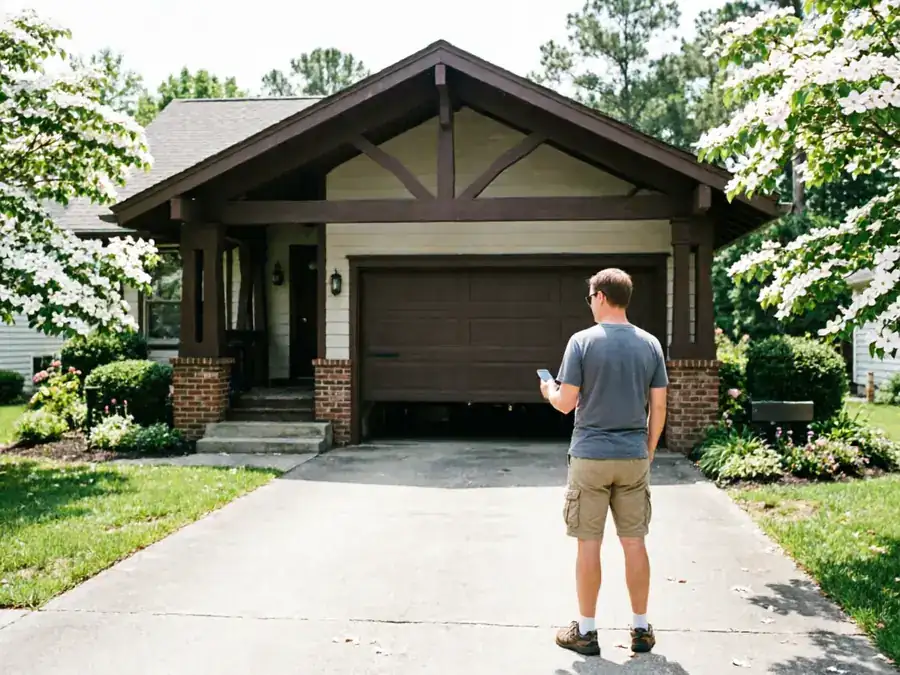
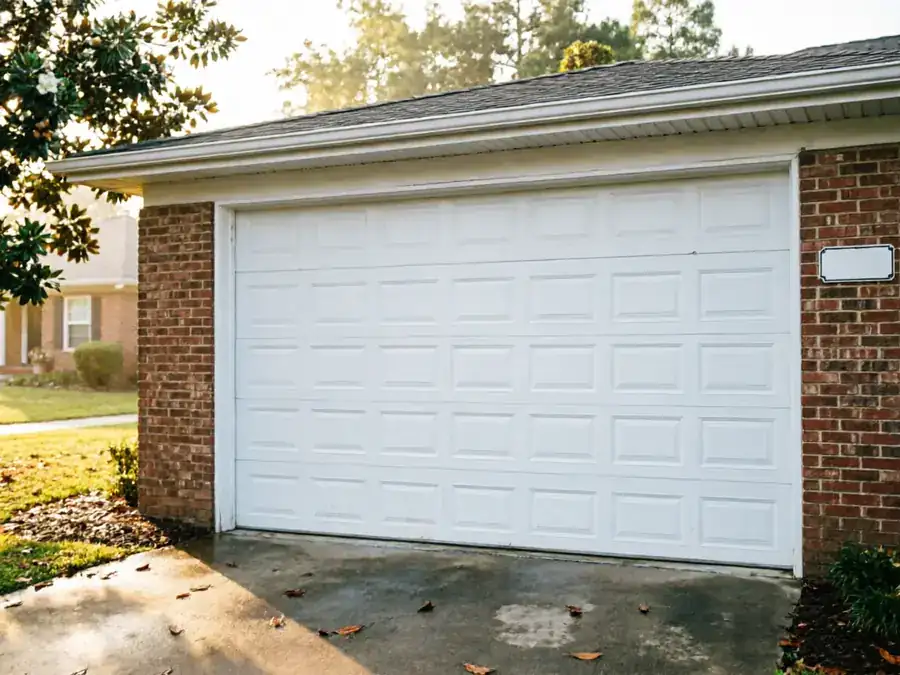
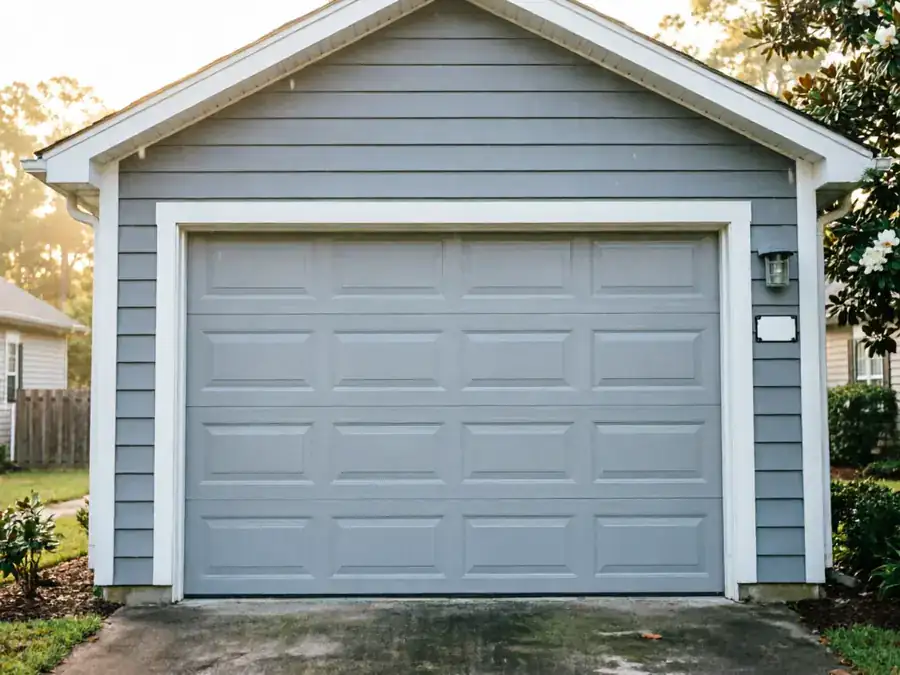
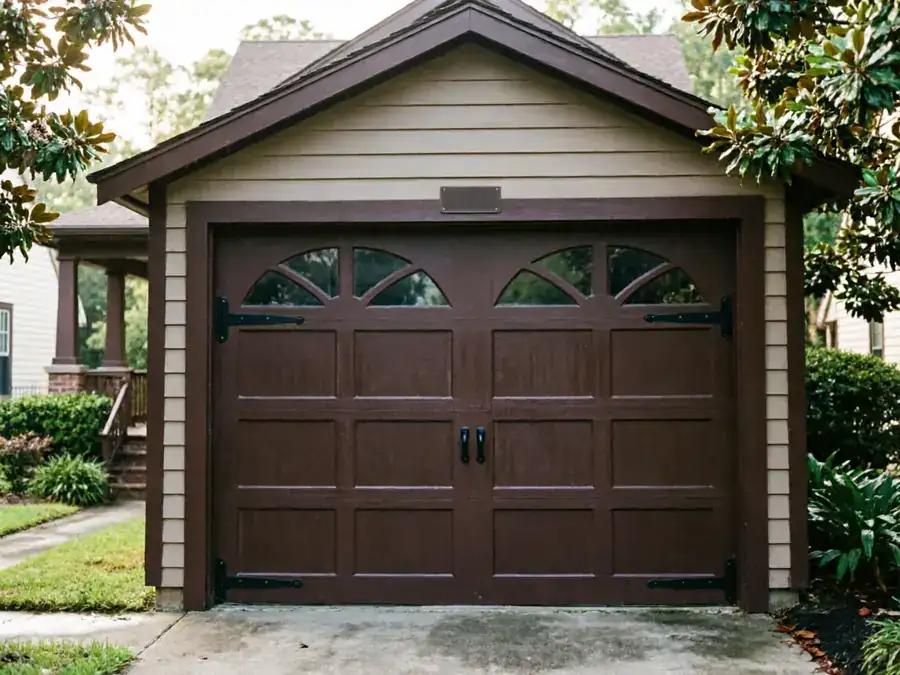
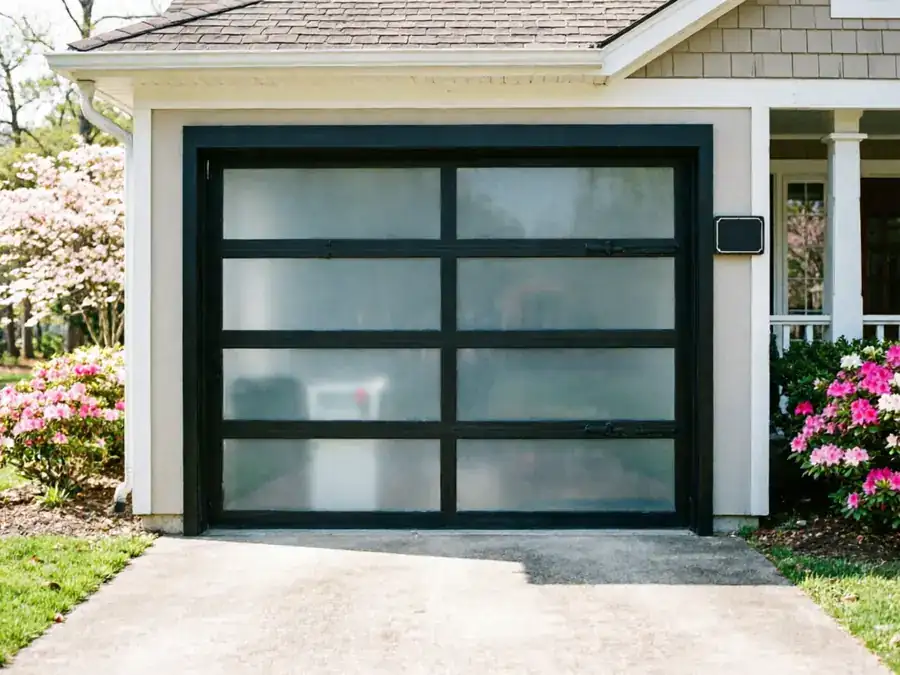
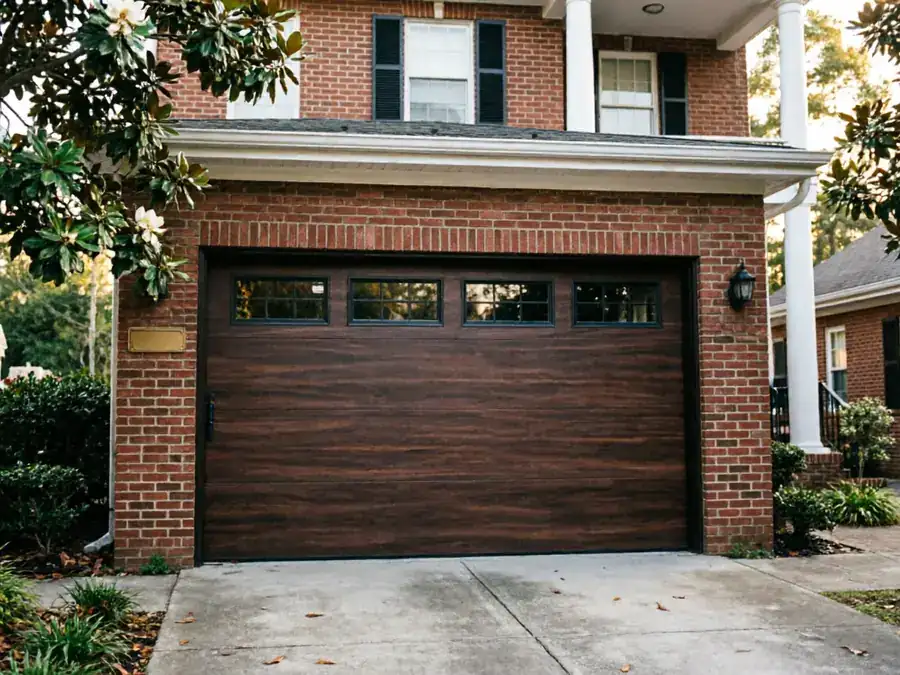
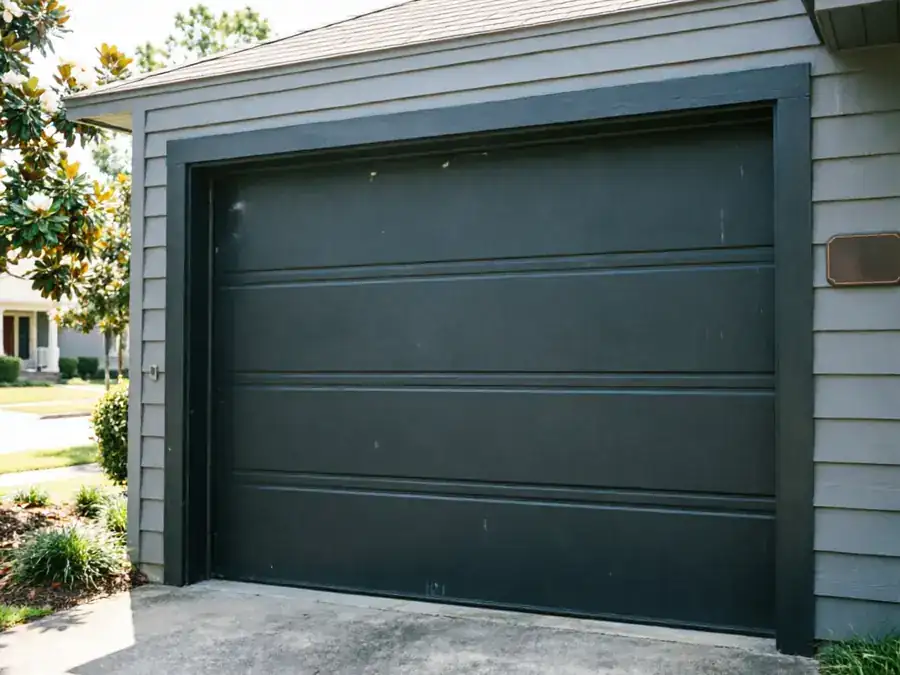
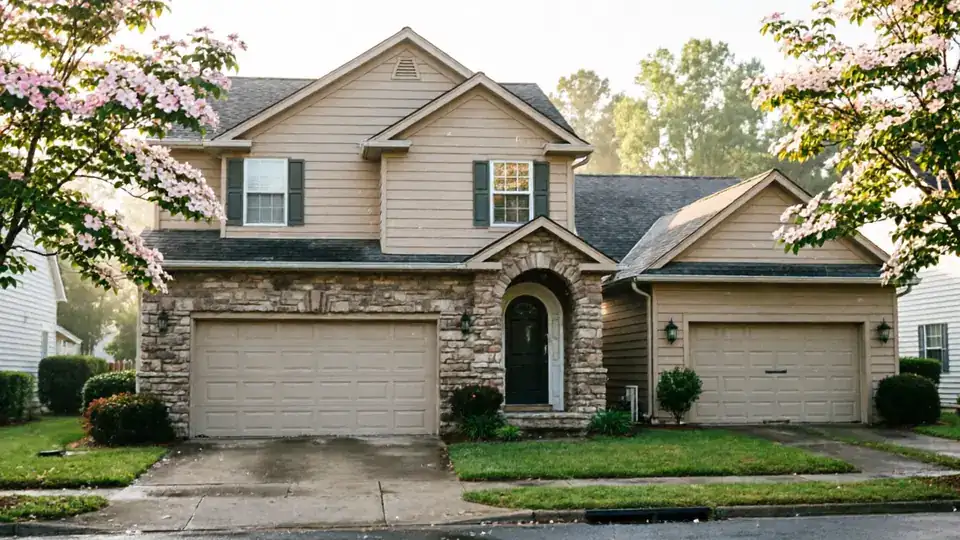
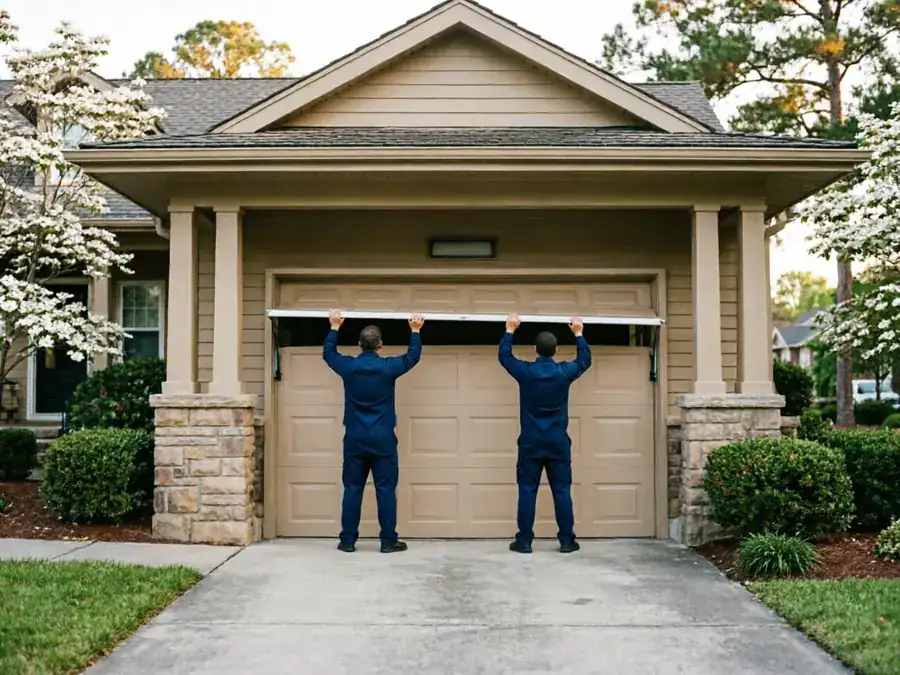
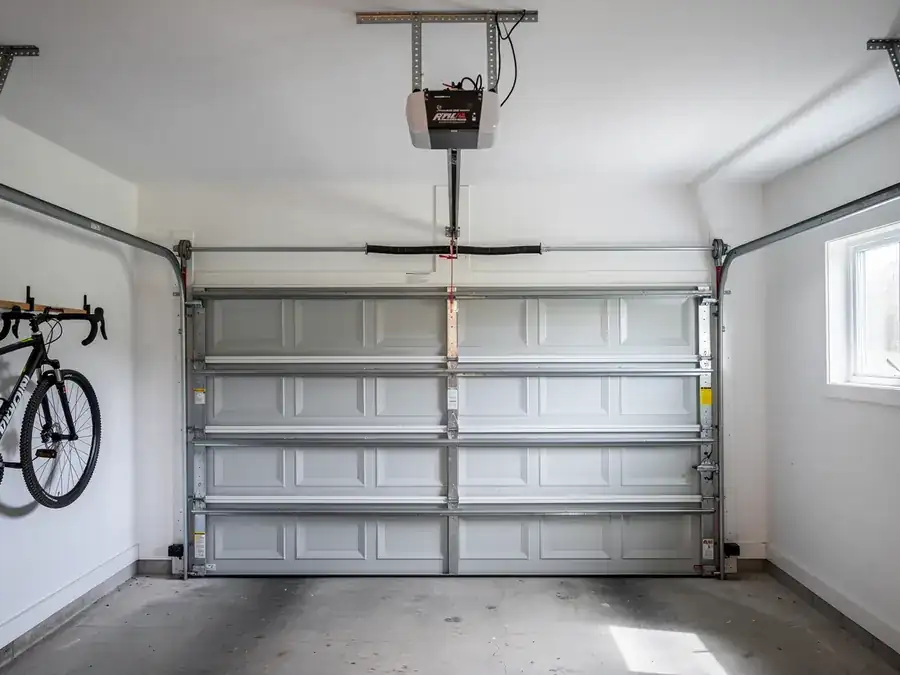
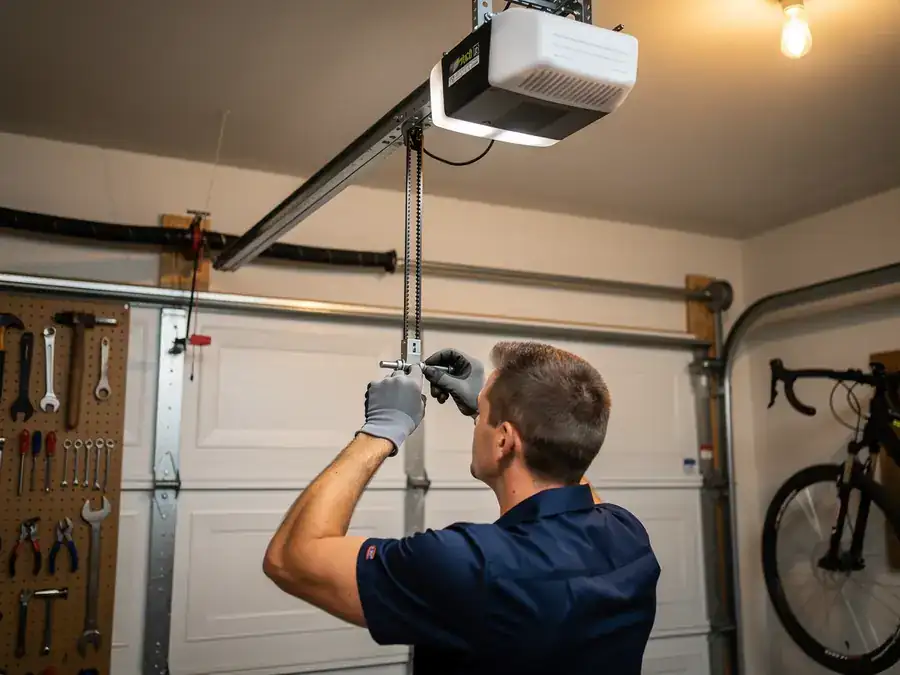
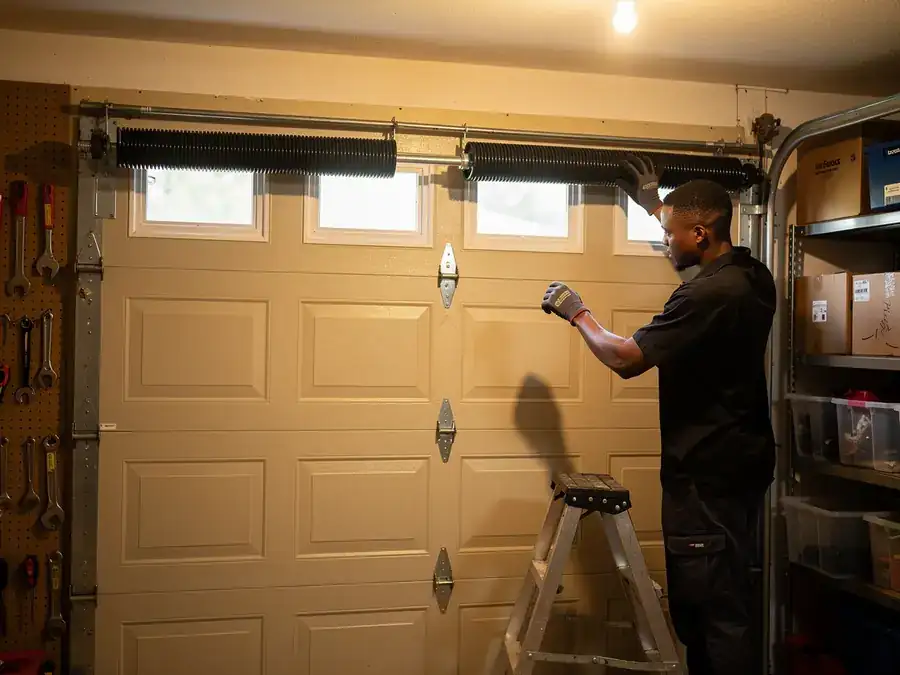
Baxter Village skews newer than a lot of what we see on the rest of the Fort Mill run. The median year built here is 2006, which puts most of these houses well past the older torsion setups you'd find in a neighborhood built in the 1980s. That matters because a door installed new construction-era, around the early-to-mid 2000s, usually came with a steel sectional door on a standard extension or torsion system matched to a production builder spec, not a one-off. Parts for these are still in normal supply. With 1,591 households in the area and incomes running high (median household income here is $146,440), a lot of these garages also got upgraded openers or insulated door panels at some point after the original build, since owners here tend to spend on the house rather than defer it. That mix - original builder-grade door plus a later opener swap - is the most common setup we find when we're called out here. It also means the failure points are usually the opener logic board or limit switches rather than the door hardware itself, since that hardware is still relatively young by garage door standards.
When We Can Get There
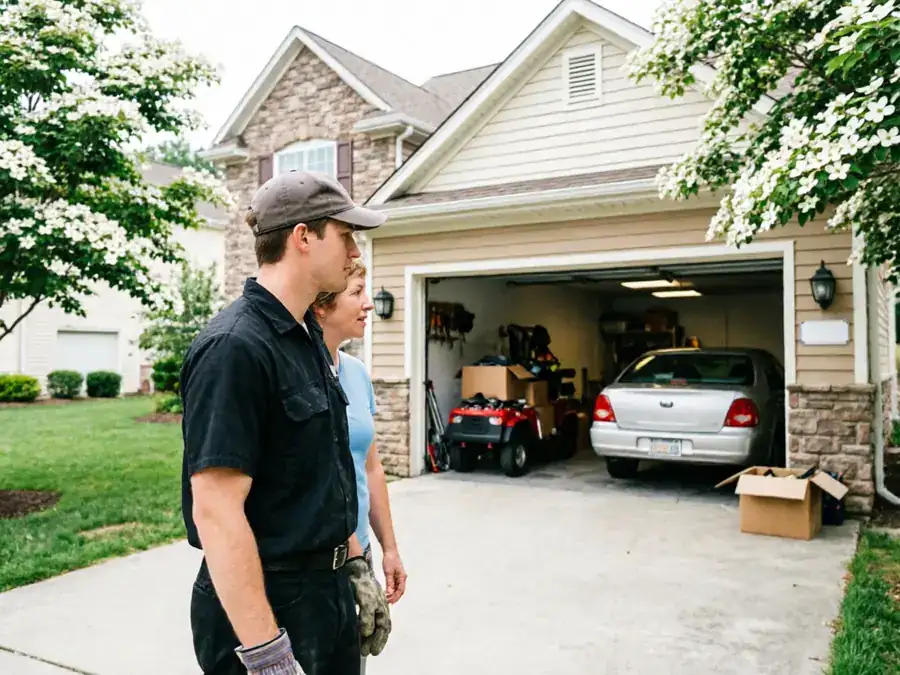
We run out of Fort Mill, and Baxter Village sits about 3 miles from there, so it's a short trip on the schedule, not a special trip. We don't keep a depot or crew stationed in Baxter Village itself - every job here starts with a truck coming from Fort Mill. That's a short enough distance that it doesn't change how we plan the day, but it's worth saying plainly so nobody assumes there's a local office just around the corner.
How That Shows Up in the Door
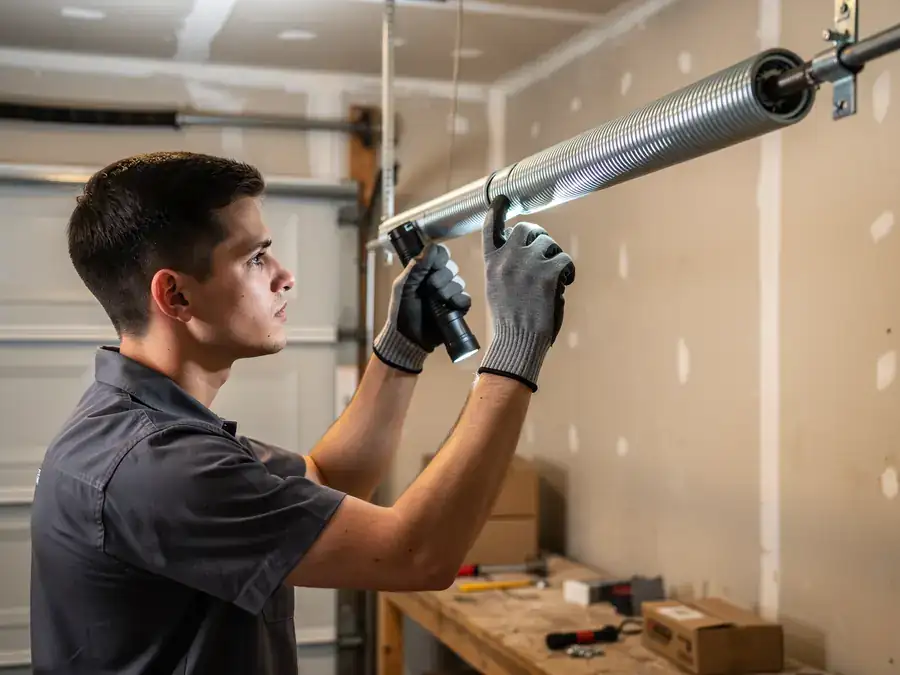
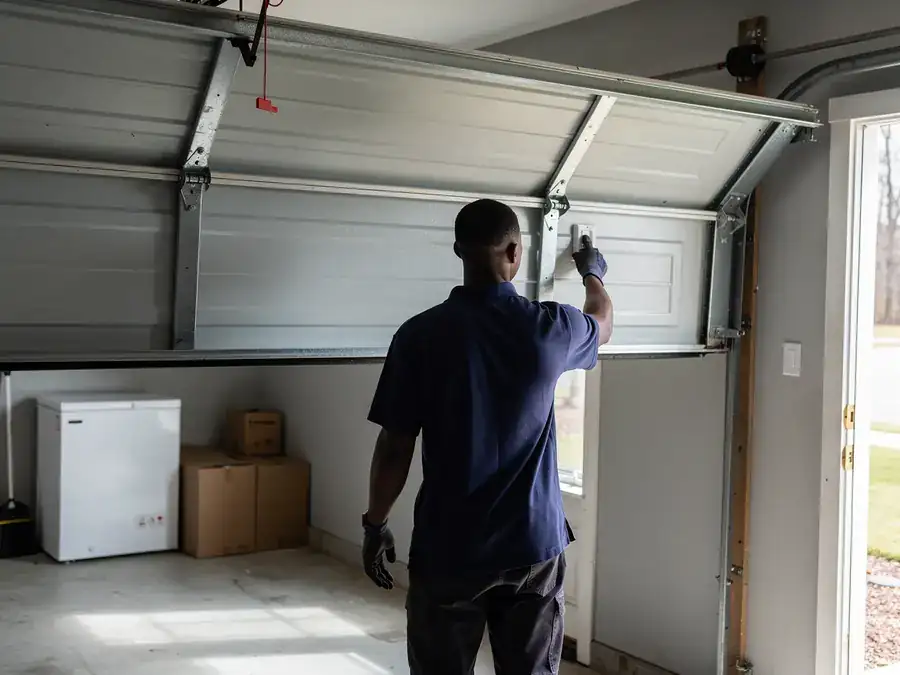
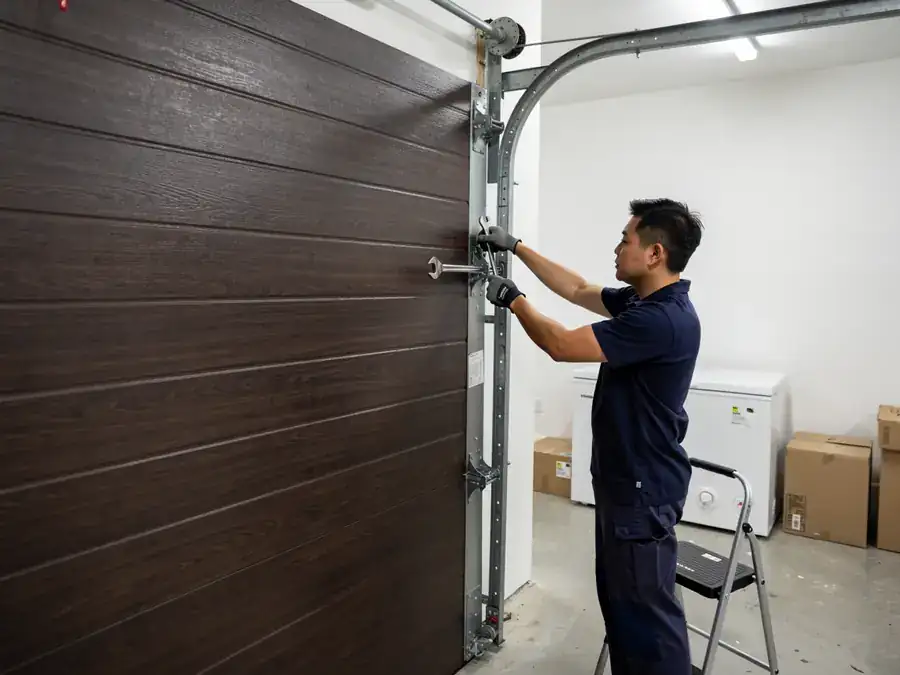
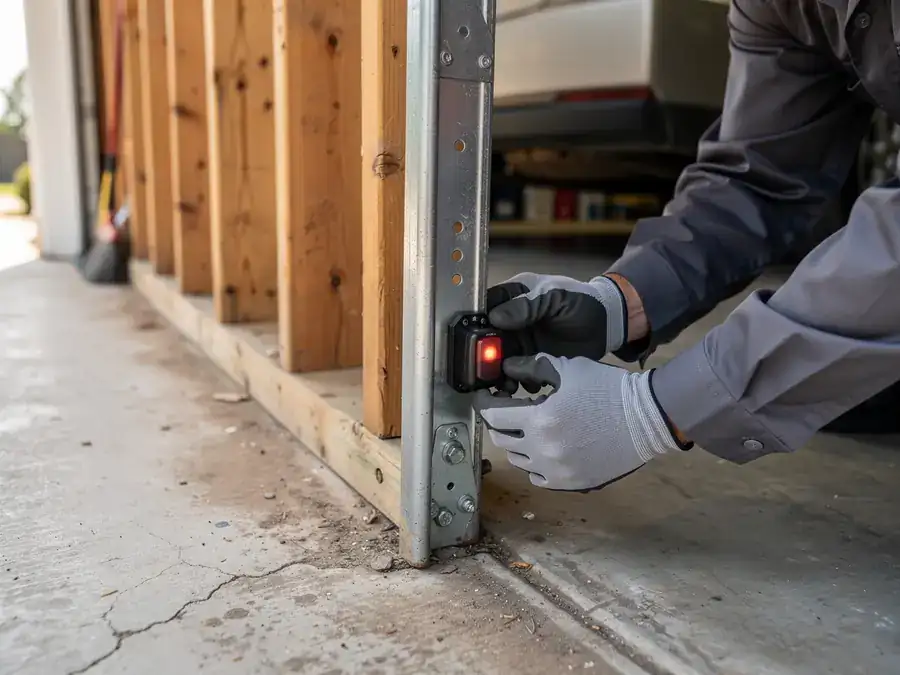
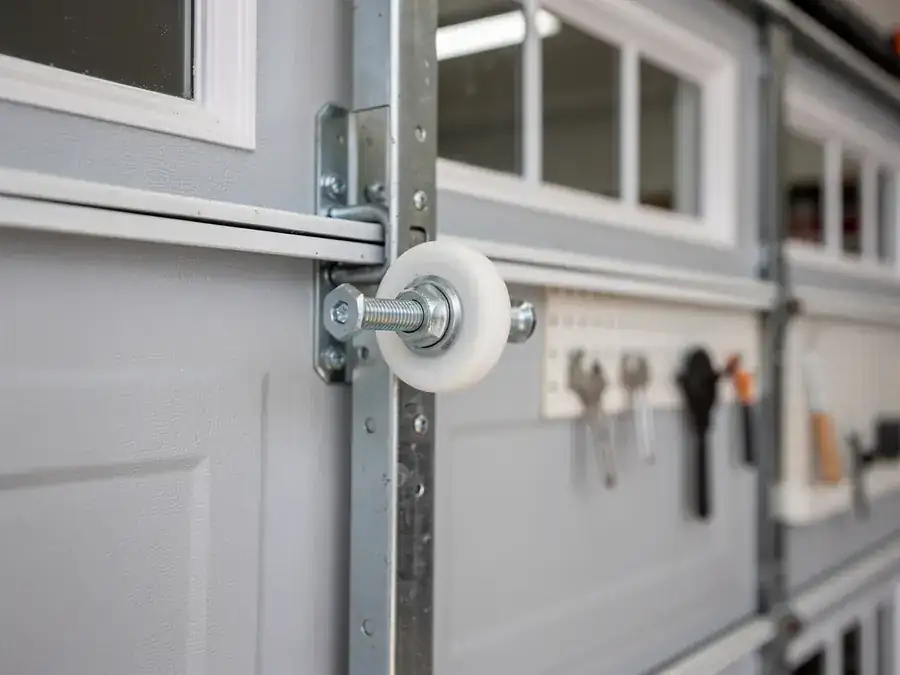
Because most of Baxter Village was built after 2000, the common call here isn't a seized torsion spring from decades of winter use - it's usually something electronic or sensor-related: a photo-eye knocked out of alignment, a worn drive gear on a chain-drive opener, or a remote that's lost sync after a power blip. The COLD moderate climate band this area sits in still means winter mornings can stiffen grease on rollers and tracks enough to make an opener strain and trip its own safety reversal, which owners often mistake for a dead motor. On a door this age, that's rarely the case. We check the simple things first - track alignment, roller wear, sensor aim - before assuming a part needs replacing, because on housing this recent the door itself usually isn't the problem.