How Long You Are Without the Door
Baxter Village sits about three miles from Fort Mill, which is one of the shorter drives on the list of areas we cover. That matters more than it sounds like it should - a close call fits into a route without forcing a tech to choose between you and the next job on the board. We don't quote a response time here because we're traveling in from Fort Mill, not sitting on a depot inside the neighborhood, but the distance is short enough that getting a diagnosis scheduled rarely turns into a multi-day wait.
What the drive does change is what's in the truck when we show up. Baxter Village's housing is newer than a lot of what we see elsewhere in the service area, so a tech heading this way is more likely to be carrying logic boards and sensor kits than the gear-and-sprocket parts for an older chain-drive unit. Knowing the stock before the knock on the door cuts out a second trip for the part.
What You Are Seeing
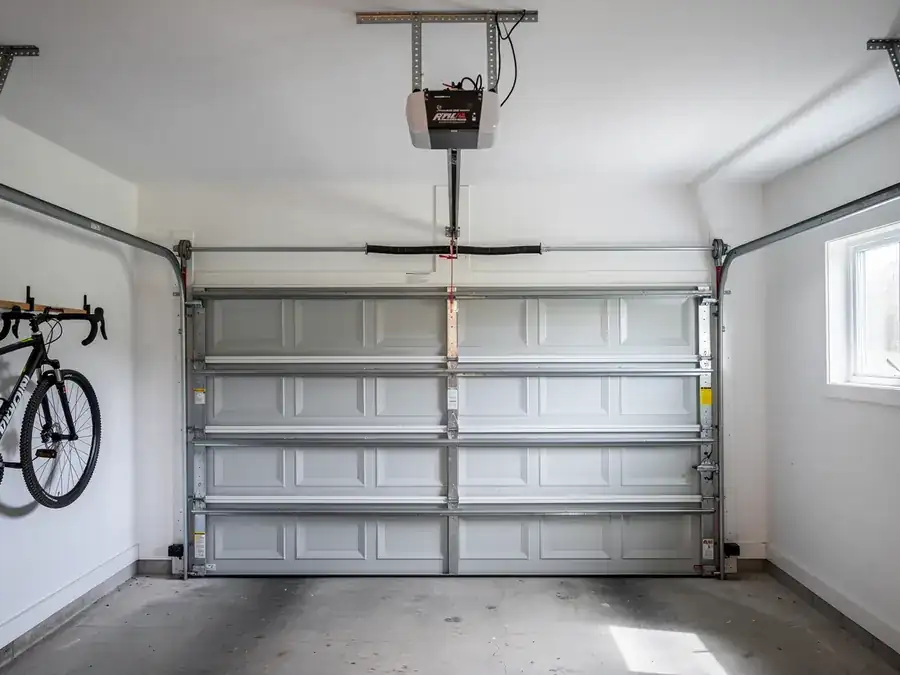
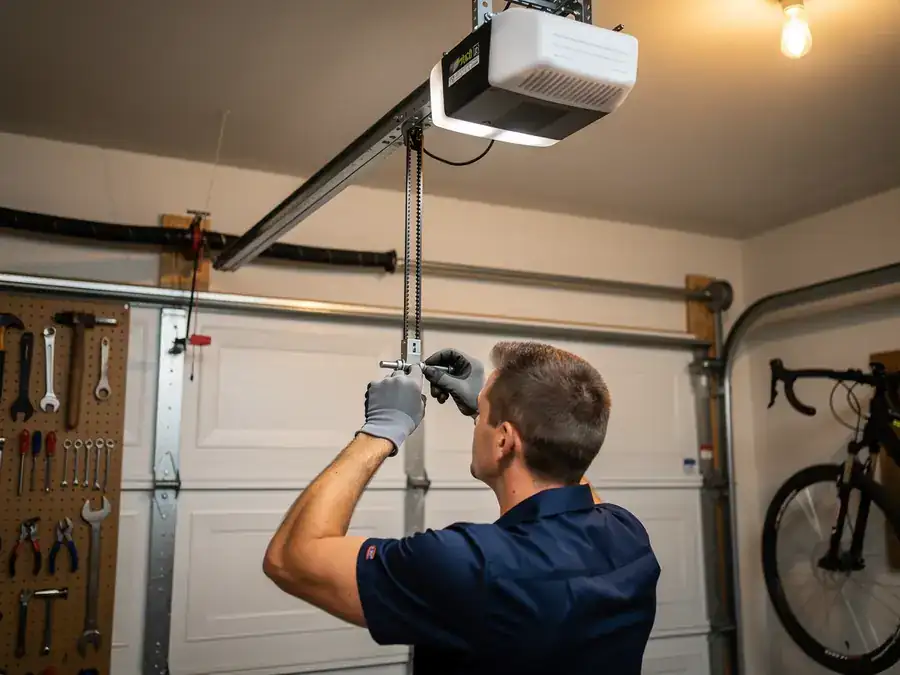
The service area's housing mostly dates to 1979 through 2006, with a median around 1997, but Baxter Village runs newer than that - its own median build year is around 2006. That decade gap shows up directly in the openers. Instead of the old chain-drive units with mechanical limit switches, most openers here are circuit-board models from the early 2000s: safety sensors with alignment-sensitive eyes, rolling-code remotes, and in a lot of cases a battery backup that was part of the original install rather than a later add-on.
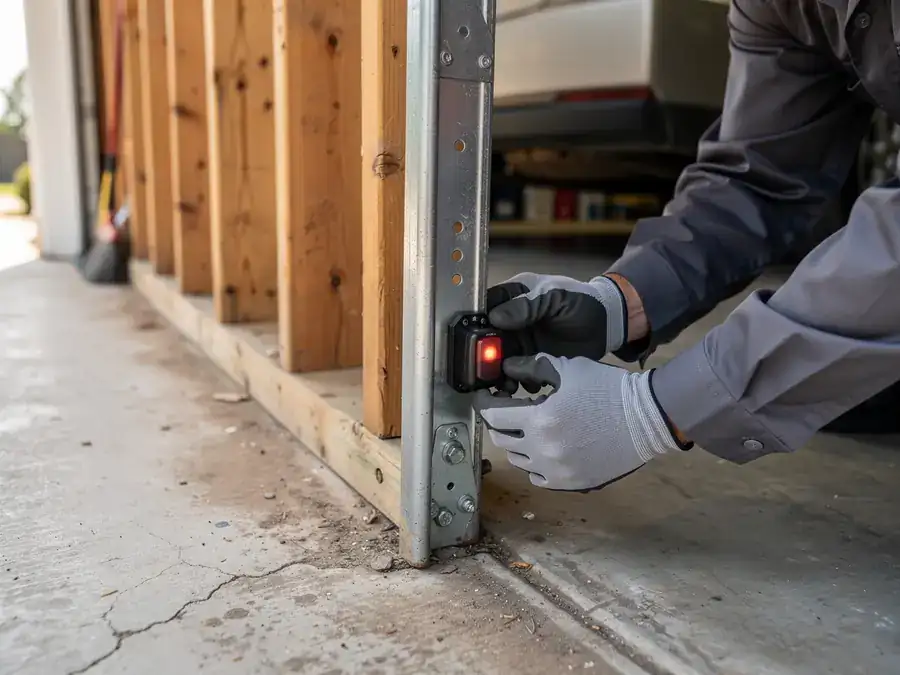
At $146,440, median household income in Baxter Village runs well above the $94,505 figure for the service area overall, and that tracks with what we find in these garages - mid-tier and upper-tier openers rather than the bare-bones models. The failures we see most are a logic board losing its memory of the remotes, a sensor eye knocked out of alignment by a stray bump or a shelf installed too close to it, or a battery backup that's reached the end of its life and is throwing codes instead of just quietly failing.
What the Repair Takes
Most of what goes wrong with a newer opener is modular
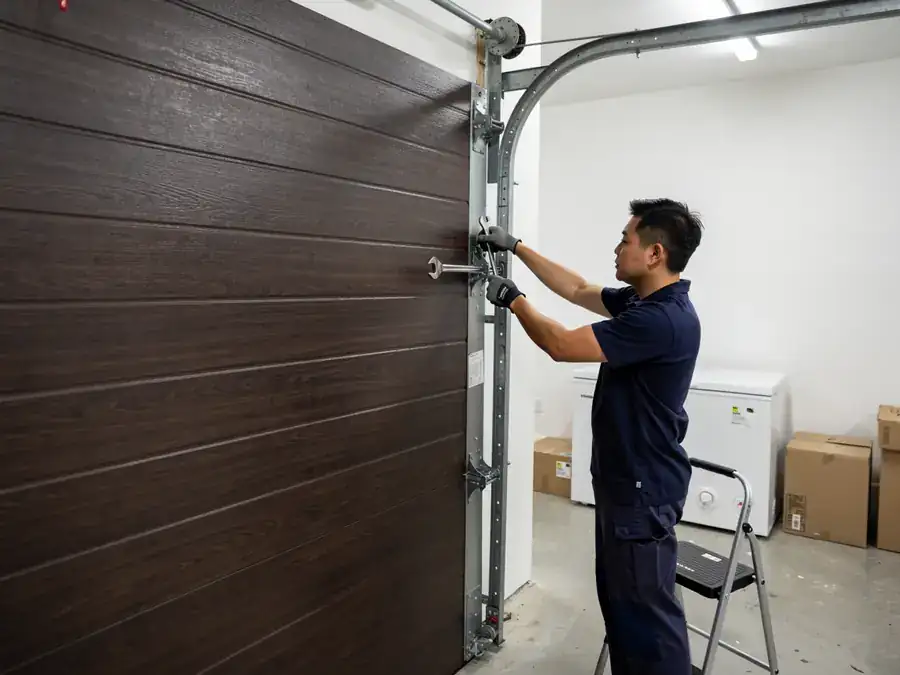
A bad logic board gets swapped, not rebuilt - we don't have the lead time or the parts supply to repair boards at the component level, and trying to would cost you more in wasted hours than a new board does. Sensor eyes, drive gears, and battery packs are the same story: diagnose which part failed, replace that part, test the cycle.
Where it gets slower is when the opener is an older model or an off-brand unit that's been discontinued
Matching a board to a unit nobody's imported parts for in years can mean a special order instead of a part off the truck. That's the honest limit here: we can usually get a same-visit fix on mainstream openers, but a dead board on a rare model sometimes means a wait, or a conversation about whether replacing the whole unit makes more sense than chasing a part.
With about 1,591 households in Baxter Village sitting in a relatively tight build window, we end up seeing the same handful of opener models repeatedly, which helps - it means we're not guessing at parts compatibility on a one-off
- 1,591 households
Getting It Booked In
Because Baxter Village is close in - about three miles out, on par with Riverview and ahead of most of the other nine areas on our coverage list - fitting a diagnosis visit into a day's route is straightforward rather than a special trip. You can see where Baxter Village falls on our coverage area at the coverage page, and if what you're dealing with turns out to be bigger than the opener - a track, a spring, a panel - the opener repair page for Fort Mill covers the broader service and what else we handle.
When you call, it helps to know the opener's brand and roughly how old it is, since that tells us which boards and sensors to bring. A photo of the unit's label, if you can get one before we arrive, usually saves a step.