How Long You Are Without the Door
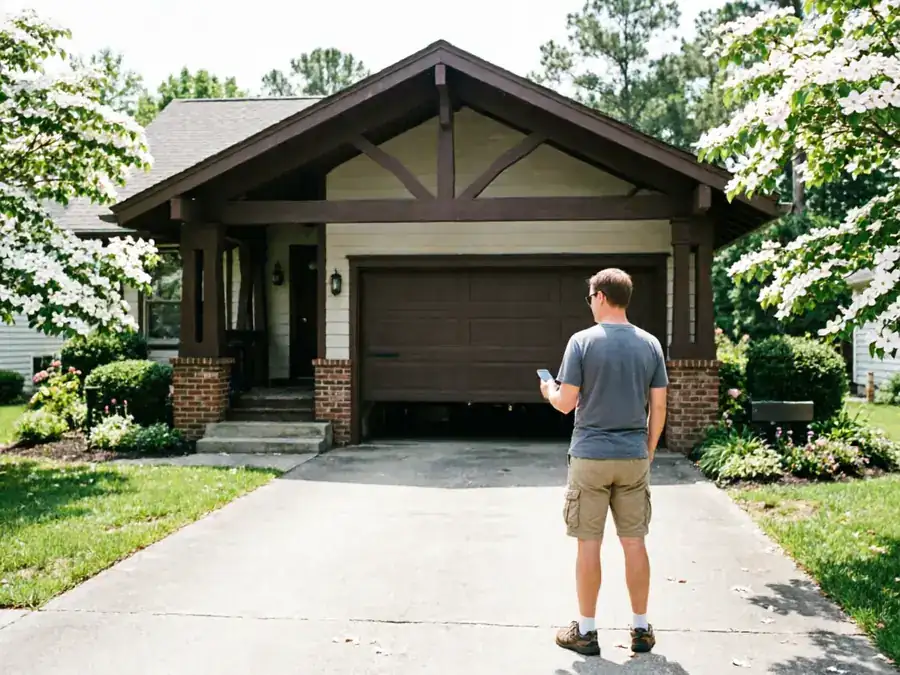
We run this call from Fort Mill, about 3 miles up the road, so Baxter Village is a short haul for us, not a special trip. That matters less for how fast we can get moving and more for what we find once we're there: most of this neighborhood went up around 2006, which means the doors and openers are old enough now to be hitting factory-rated limits on springs and circuit boards, but still carrying original builder-grade hardware. That's a specific kind of job, not a generic one. We don't quote a response window here because we're not based in the neighborhood - we tell you honestly where we are in the route when you call, and we don't pretend otherwise.
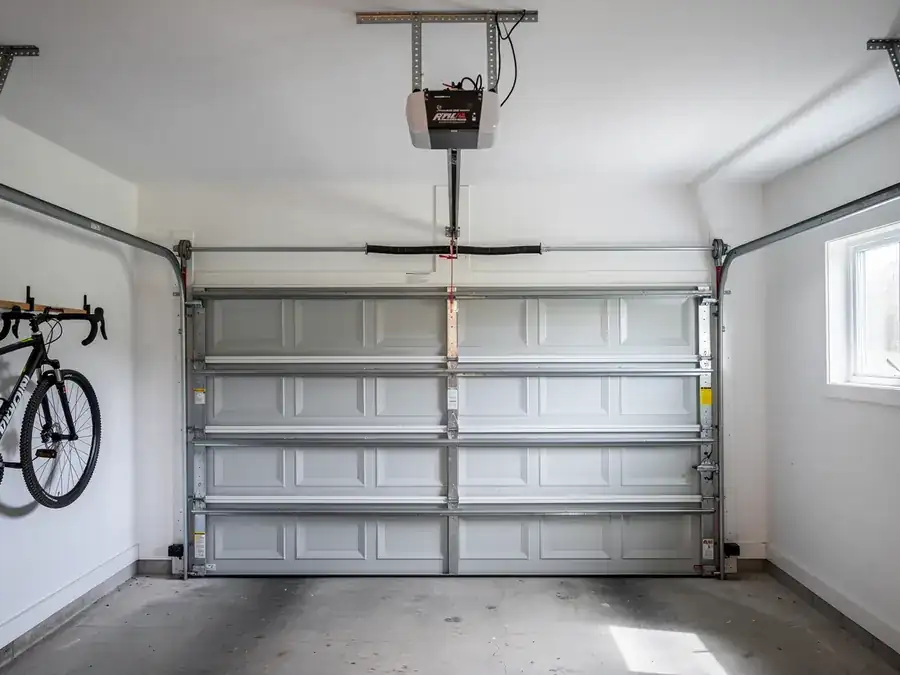
A door that won't open on a 2006-era build is rarely a mystery once we're standing in front of it. The springs sized for a standard two-car steel door at that build date are rated for a cycle count, and a lot of Baxter Village garages are now past it. Same goes for the first-generation opener logic boards builders installed at that time - they don't fail dramatically, they fail by degrees, and homeowners usually call us after weeks of a door that's been acting strange, not the day it quits.
What You Are Seeing
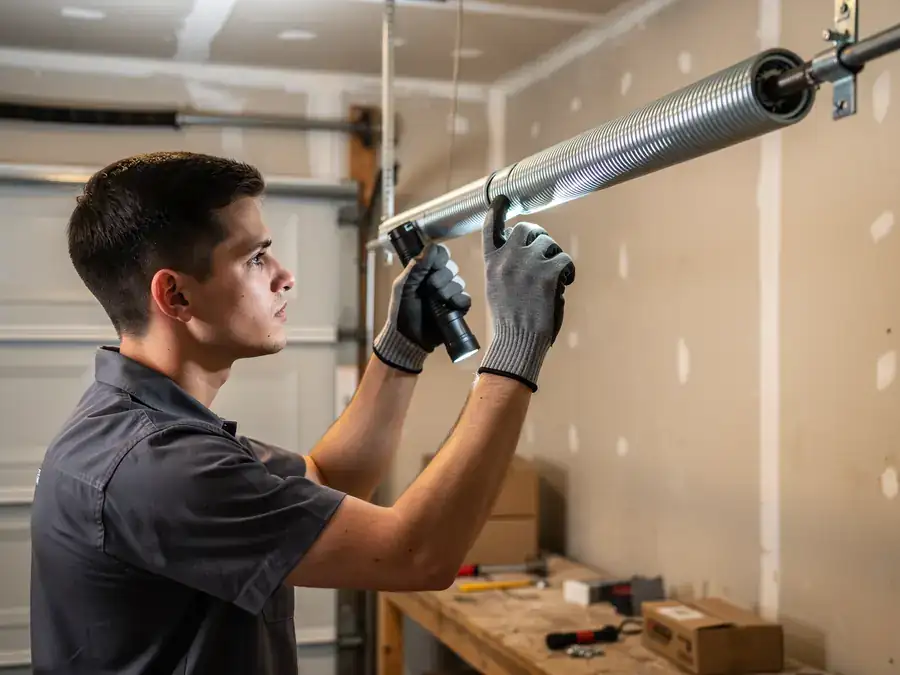
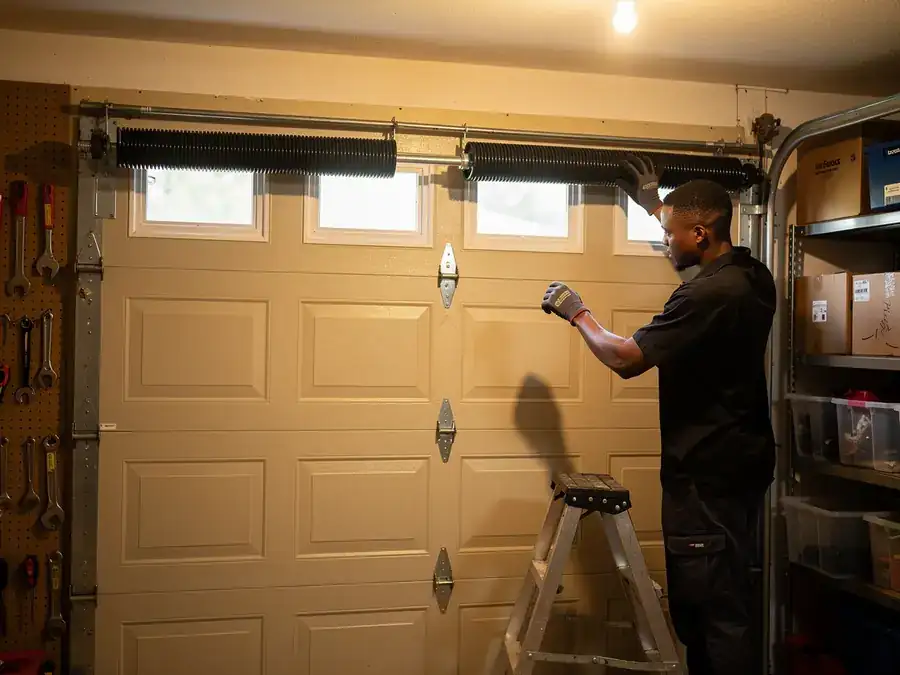
In a neighborhood built mostly in one stretch around 2006, we see the same handful of failures over and over, because the houses share an age, not because the street is unlucky. Torsion springs on these doors are reaching or past their rated cycle life, so the door that groans, jerks, or won't lift past a foot is usually a spring losing tension, not a motor problem. Builder-installed opener units from that era also start throwing intermittent faults - a door that reverses for no reason, or a remote that sometimes works and sometimes doesn't.
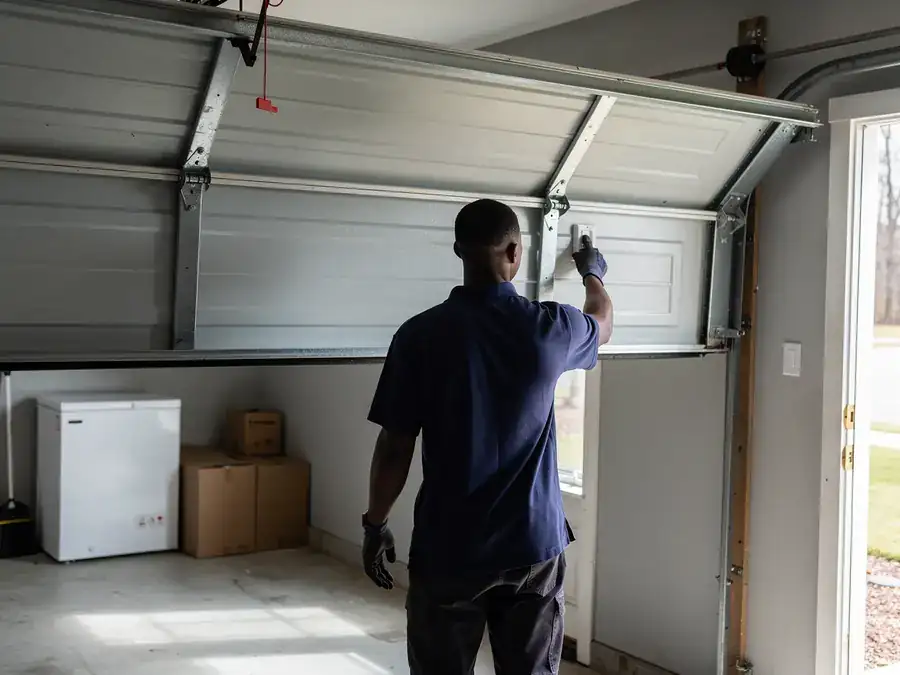
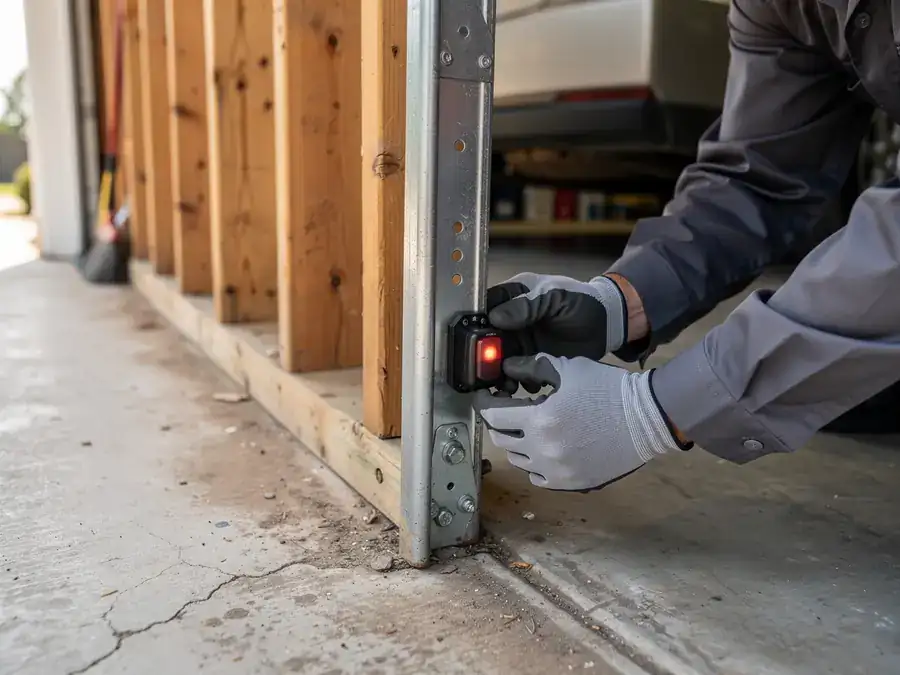
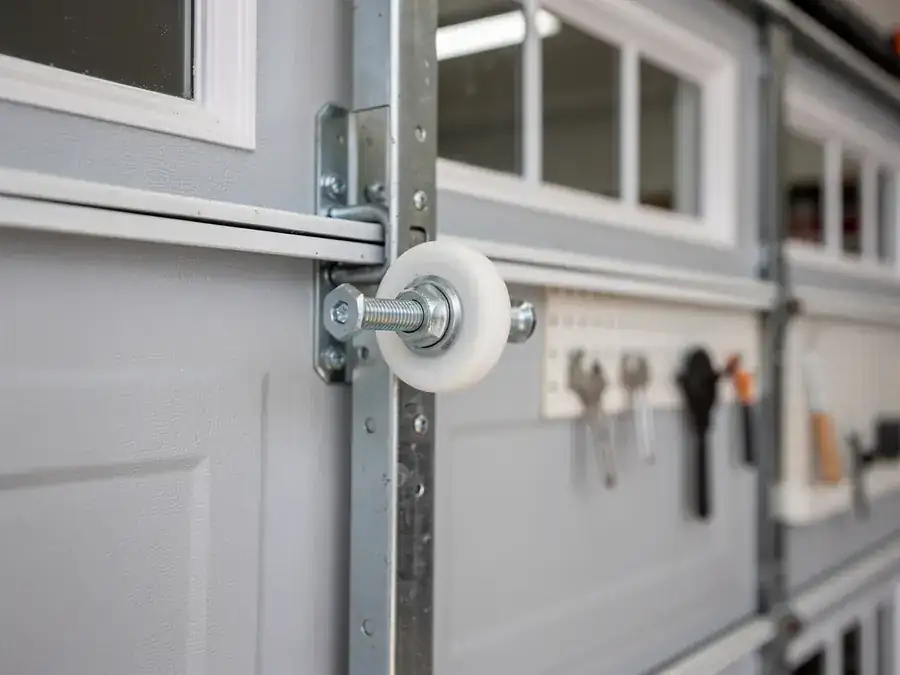
The cold-moderate winters here add a second layer: steel tracks and rollers that were fine in October get stiff and noisy once temperatures drop, and a door that was merely loud becomes a door that binds. We also see photo-eye sensors knocked out of alignment, which on a 2006-build garage usually means the original plastic brackets have finally warped enough to matter. None of this is damage from misuse - it's hardware reaching the age where it needs attention, all at roughly the same time across the neighborhood.
What the Repair Takes
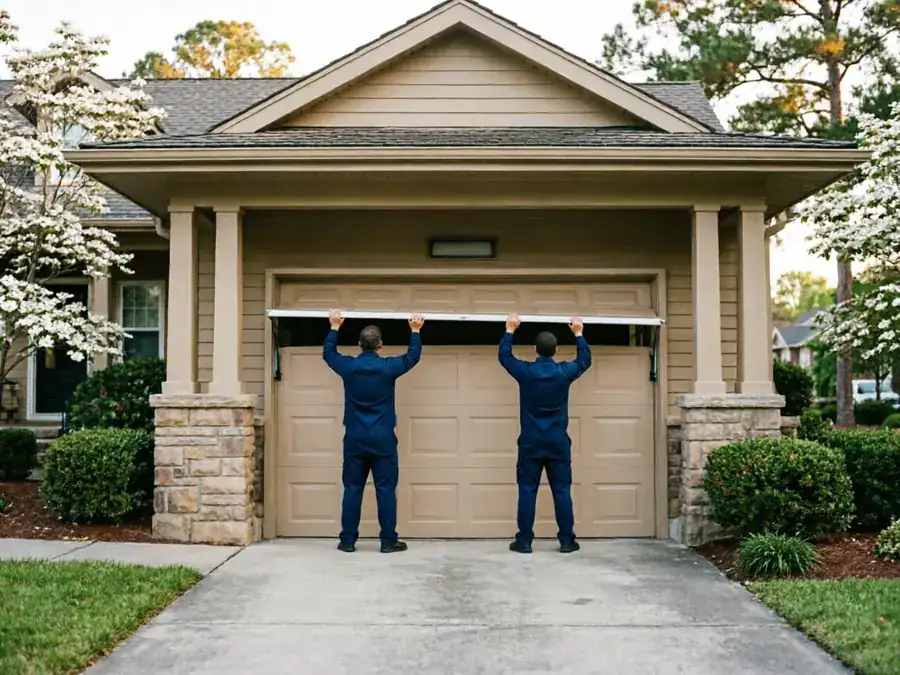
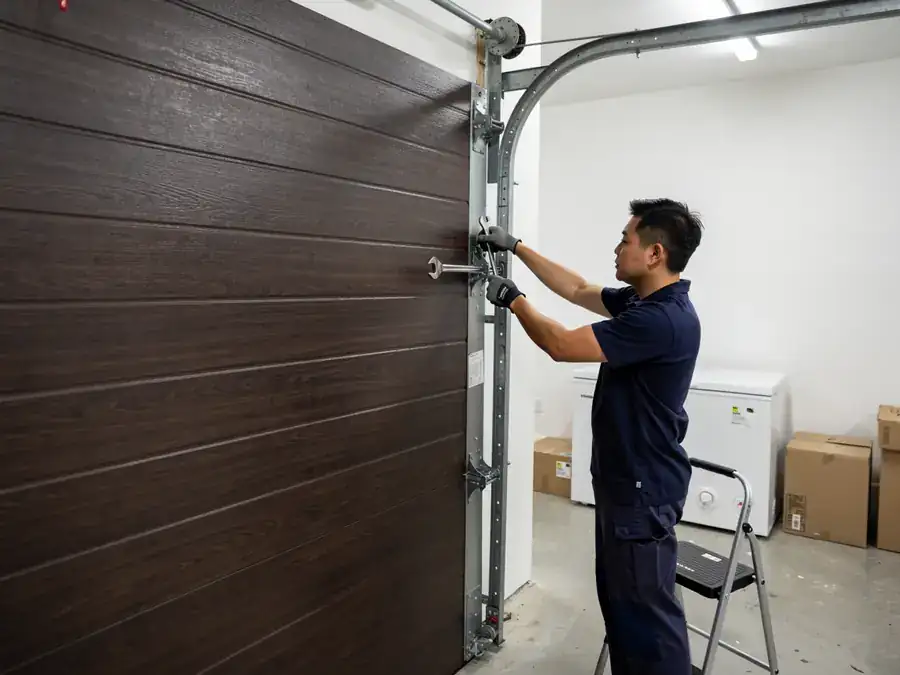
Spring replacement on a standard double door from this build era is a same-visit job once we're on site with the right spring on the truck - we carry common torsion sizes, but a less common spring or a specialty opener board can mean a return trip if it has to be special-ordered
We won't pretend every part is sitting in the truck; that's the honest limitation here, and it's better to say so up front than to promise a one-trip fix and miss it.
Opener board issues are a judgment call
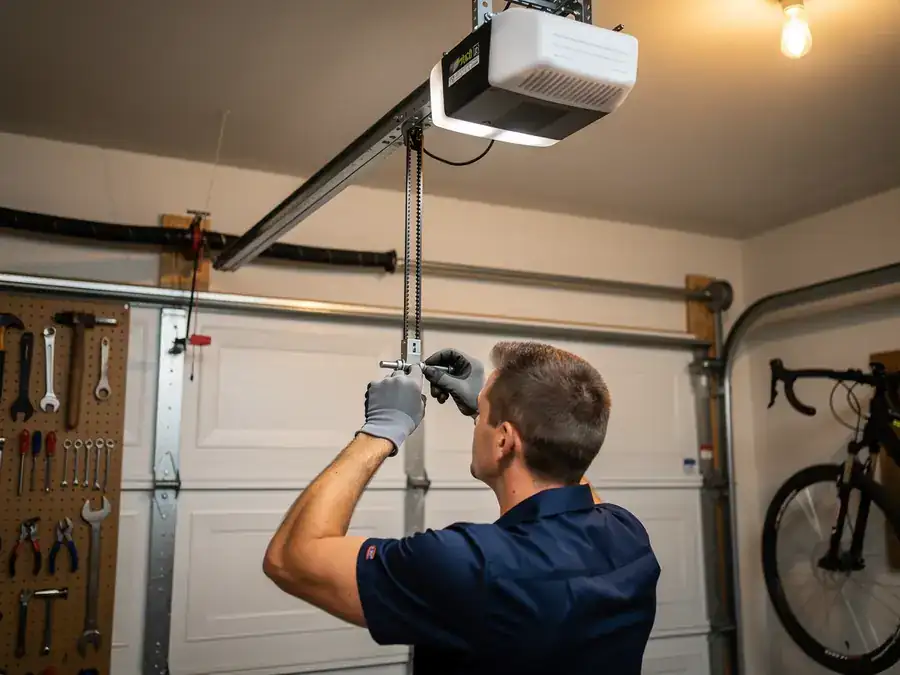
If a 2006-era unit is failing intermittently, we'll tell you straight whether it's worth repairing the board or replacing the opener outright - at close to twenty years old, a board repair sometimes just buys you a few more months before the next fault. We're not going to run up a bill patching something that's better swapped, and we're not going to sell you a new opener if tightening a few bolts and clearing a failed sensor bracket solves it.
Track and roller work is usually bundled with the spring call rather than booked separately
Since we're already in the garage with the door open.
Getting It Booked In
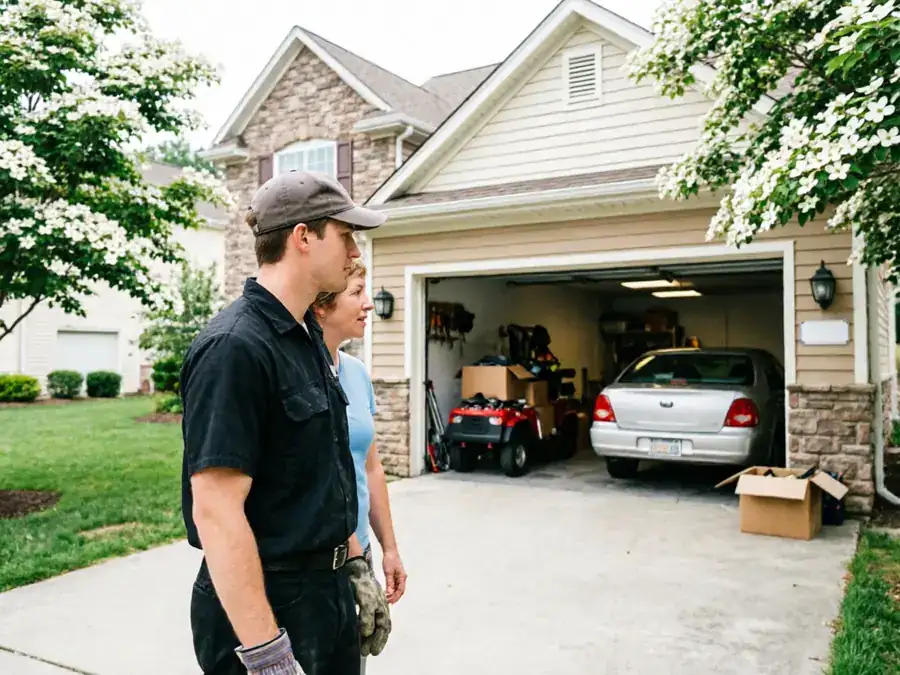
Call it in and tell us what the door is doing - won't open, makes noise, reverses on its own - and we'll tell you what we expect to find based on what's typical for a Baxter Village build of this age. We travel from Fort Mill, so the 3-mile drive isn't the bottleneck; having the right spring or opener part on the truck is what decides whether it's a one-visit fix. See our coverage page for Baxter Village for how we cover this area, or visit the main Fort Mill garage door repair page if you're outside this neighborhood.