What You Are Seeing
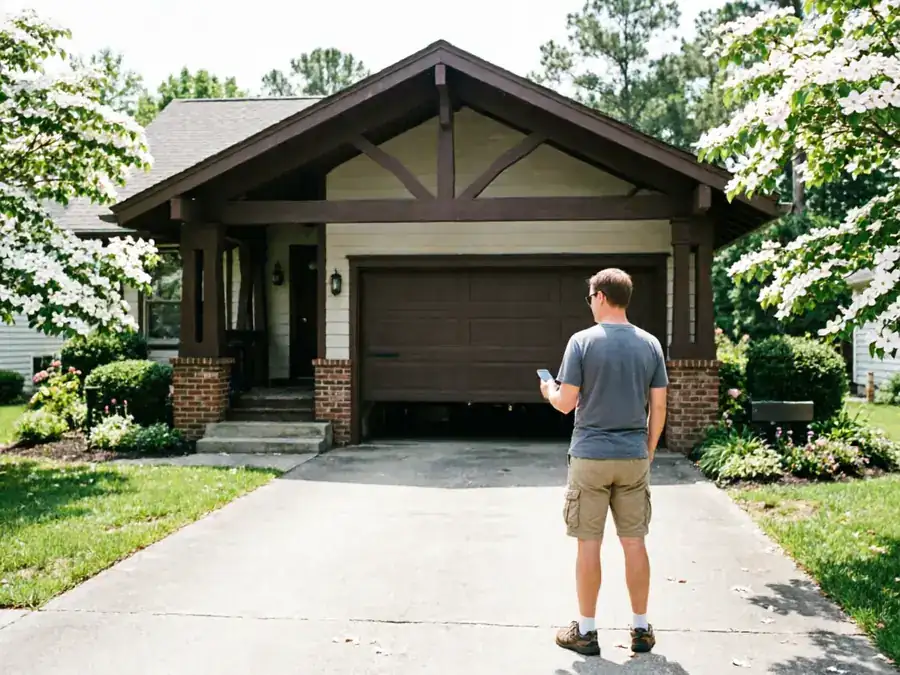
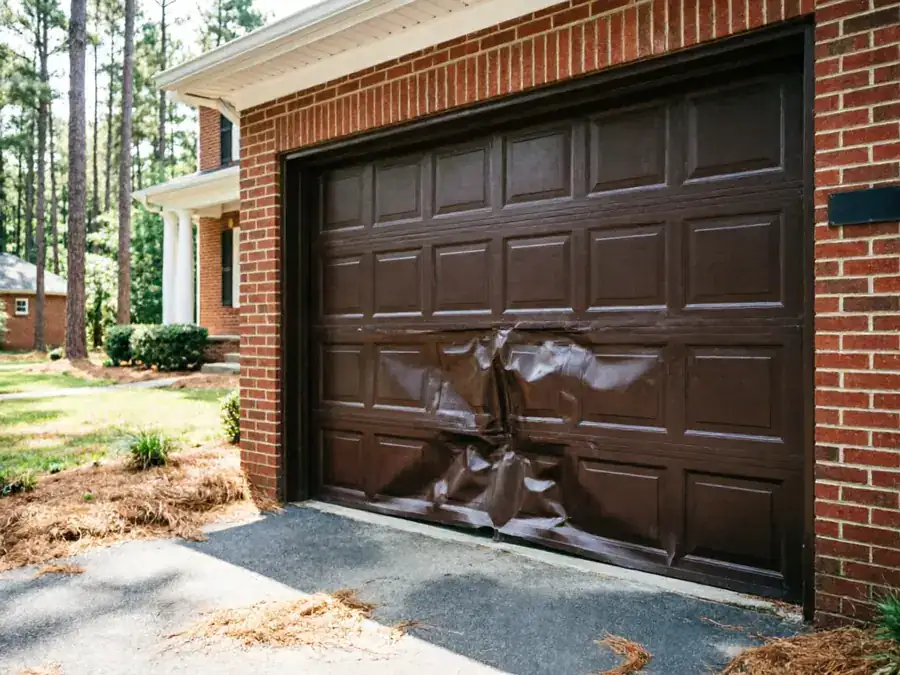
Most calls start the same way: you press the remote or the wall button and nothing happens, or the door starts up and stops partway, or it reverses every time it touches the floor. Sometimes the opener runs but the door doesn't move at all, which usually means the trolley has come loose from the carriage. Other times you hear the motor humming while the door sits still, which points to a stripped gear or a drive belt that's slipped off its track. Grinding noises, a light that blinks a set number of times and then quits, or a remote that worked yesterday and does nothing today - these are all opener symptoms, not spring or track problems, even though homeowners often assume the whole door has failed. Across the houses we see from Baxter Village to Riverview to Tega Cay, the pattern repeats often enough that we can usually narrow the cause before we open the housing. The one thing we can't tell you over the phone is which part inside the unit has actually failed - that takes eyes on the opener, because a dead circuit board and a worn drive gear present almost identically to the person standing in the driveway.
Why It Happens Here
Housing in this service area was mostly built between 1979 and 2006, with the bulk going up through the 1980s and 90s across the nine communities we work in. That generation of openers and the chain-drive and belt-drive units installed to replace them have had a long run, and a lot of the original circuit boards and capacitors in homes from that era are now at or past the point where failure is routine rather than unusual. It isn't about any one bad batch - it's thirty-plus years of thermal cycling on the same board. On top of that, this is a cold-moderate climate band, and garages here swing with the season: summer heat that bakes a garage interior, then winter cold snaps that make grease inside the gearbox stiffen up overnight. That combination is harder on opener motors and drive gears than a climate that stays mild year-round, because the part is working against resistance it wasn't sized for on the coldest mornings. We see the same failure modes whether the house sits in Baxter Village or out toward Lesslie - the age of the stock and the swing in temperature matter more than which street the garage is on.
What the Repair Takes
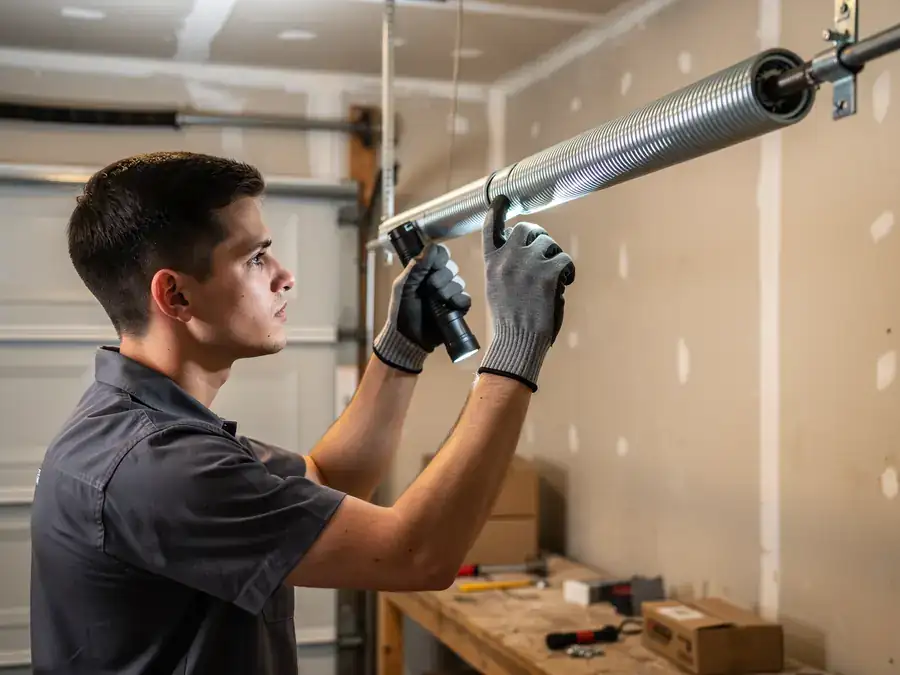
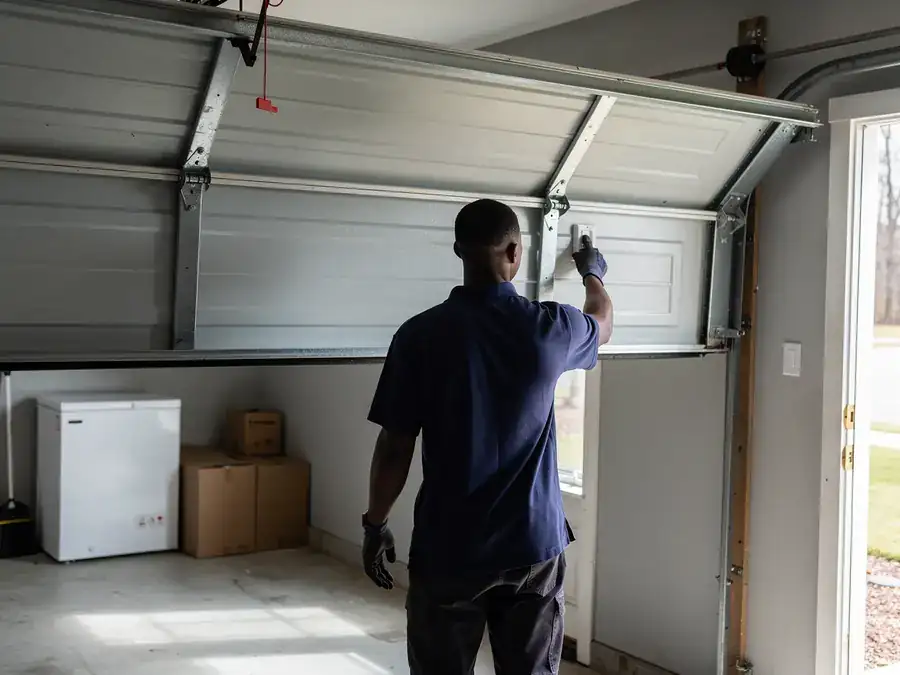
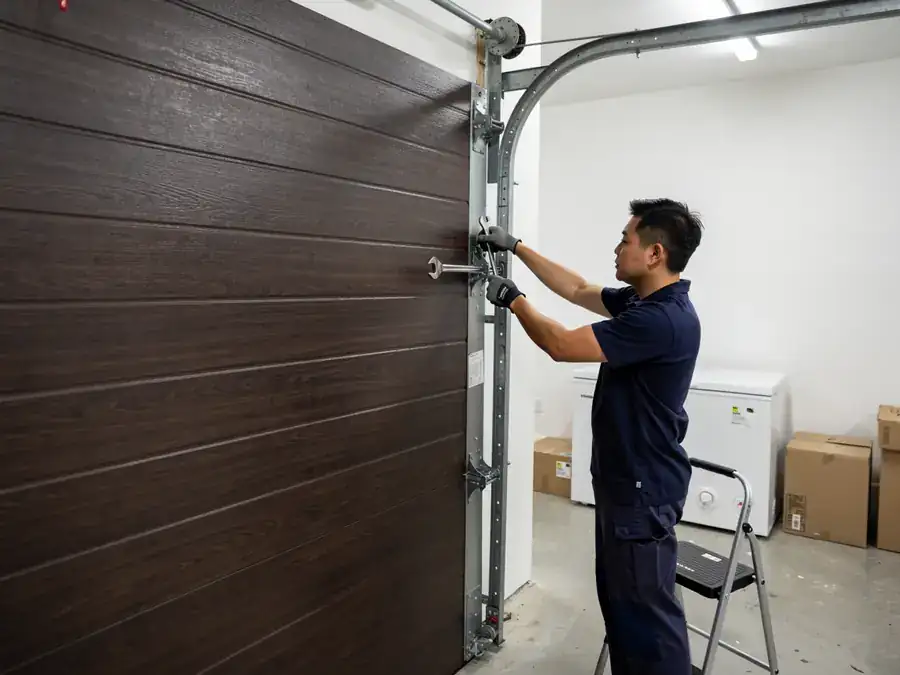
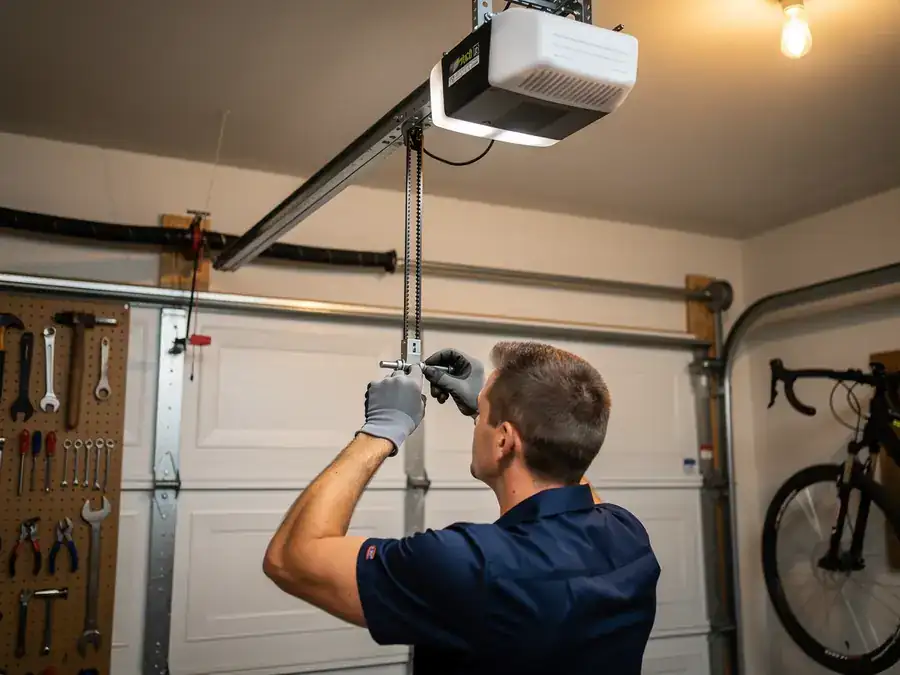
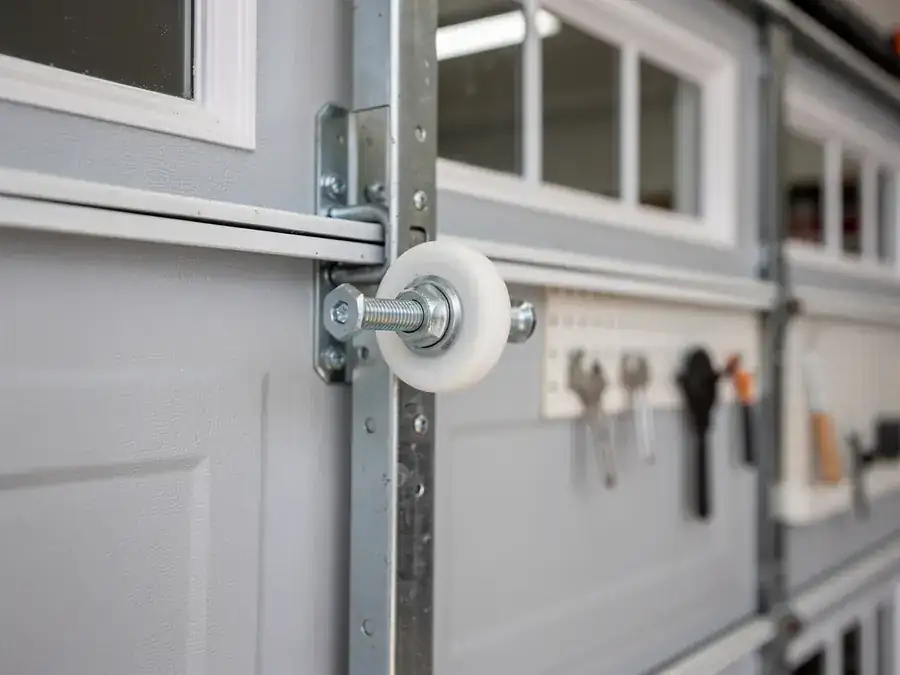
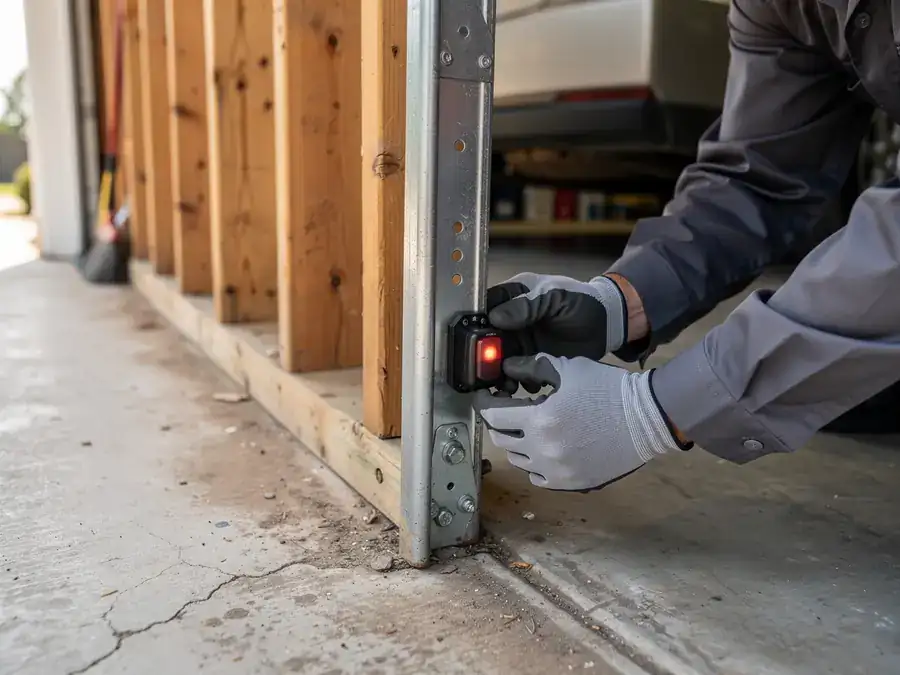
A first visit starts with running the opener through its cycle, checking the sensors, the chain or belt tension, and the force settings, then pulling the housing if the board or gear looks like the culprit. Most gear, sensor, and trolley repairs are done in one visit once we've confirmed the part. Board replacements and remote reprogramming also go quickly, assuming we're carrying the right board for your model. What takes longer is anything that turns out to be a wiring issue traced back into the wall, or an opener old enough that the replacement part isn't stock and has to be ordered - in that case we'll walk you through whether repair or a new opener head makes more financial sense rather than sinking money into a unit near the end of its life. We test the full cycle, including auto-reverse and sensor alignment, before we call a job finished, because an opener that closes but doesn't reverse on contact is a safety problem, not a convenience one.