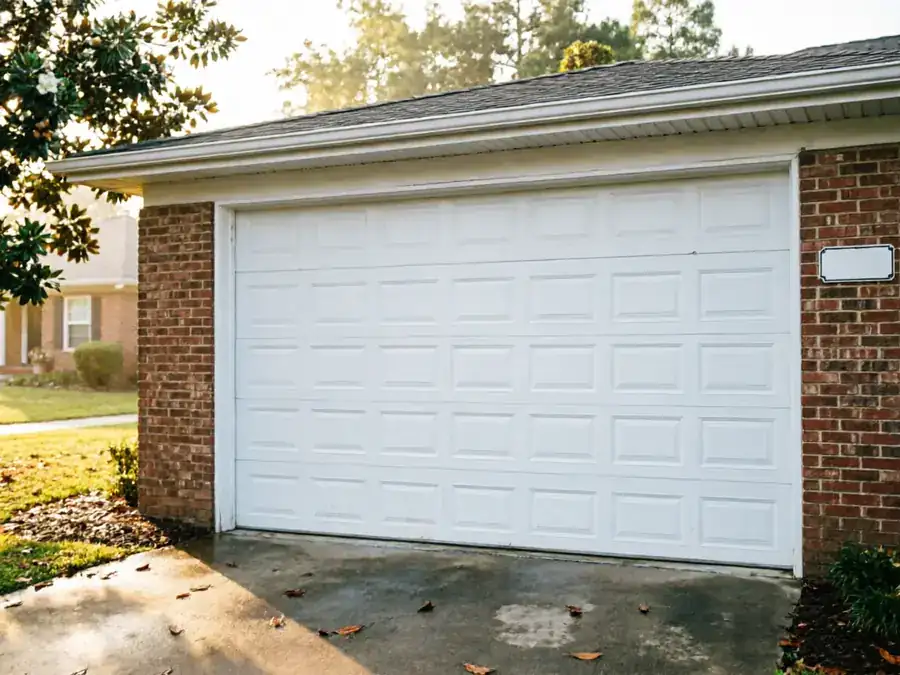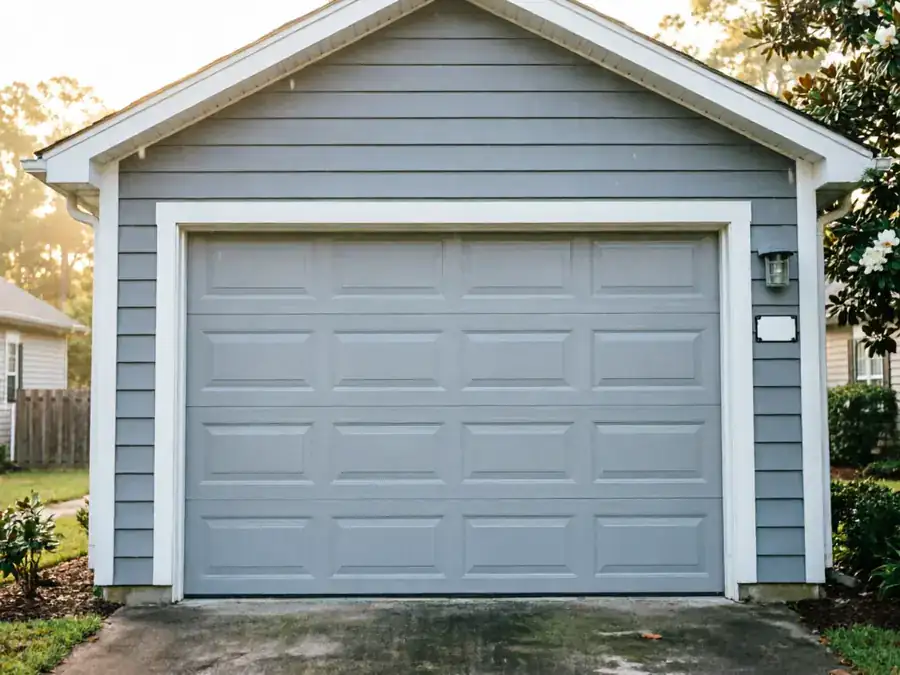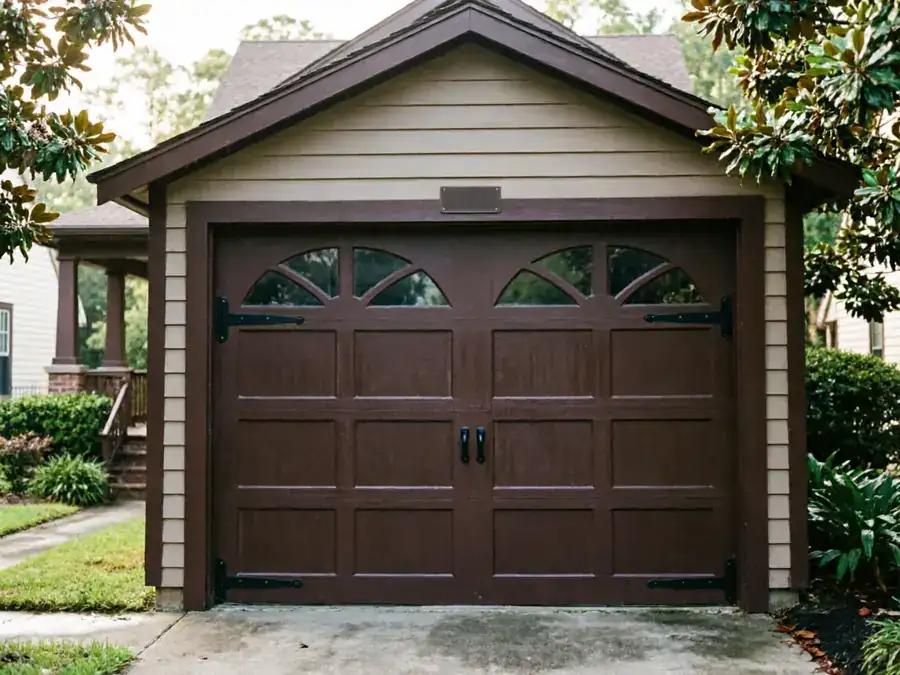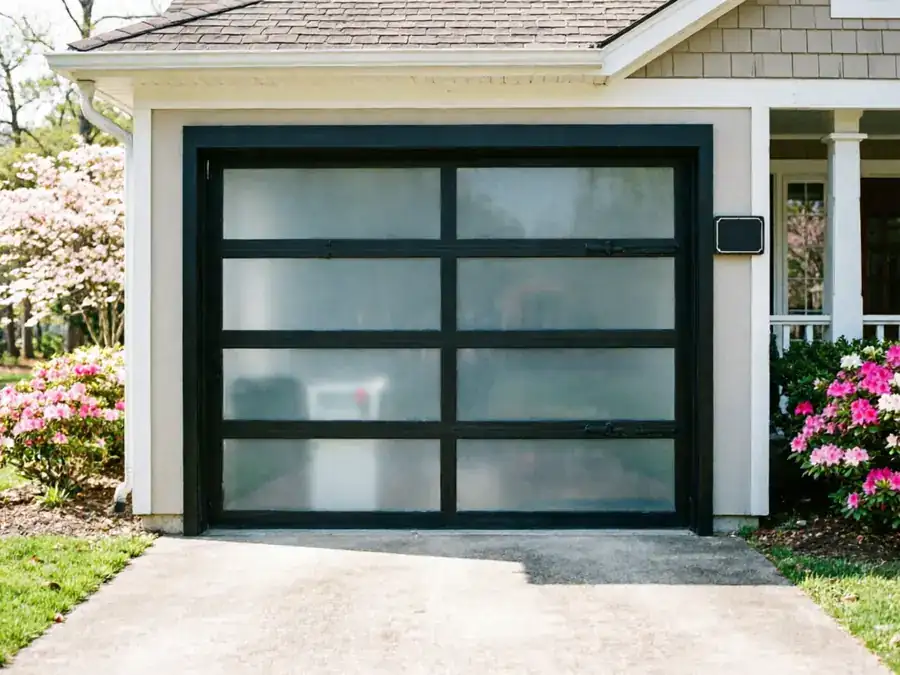
What You Are Seeing
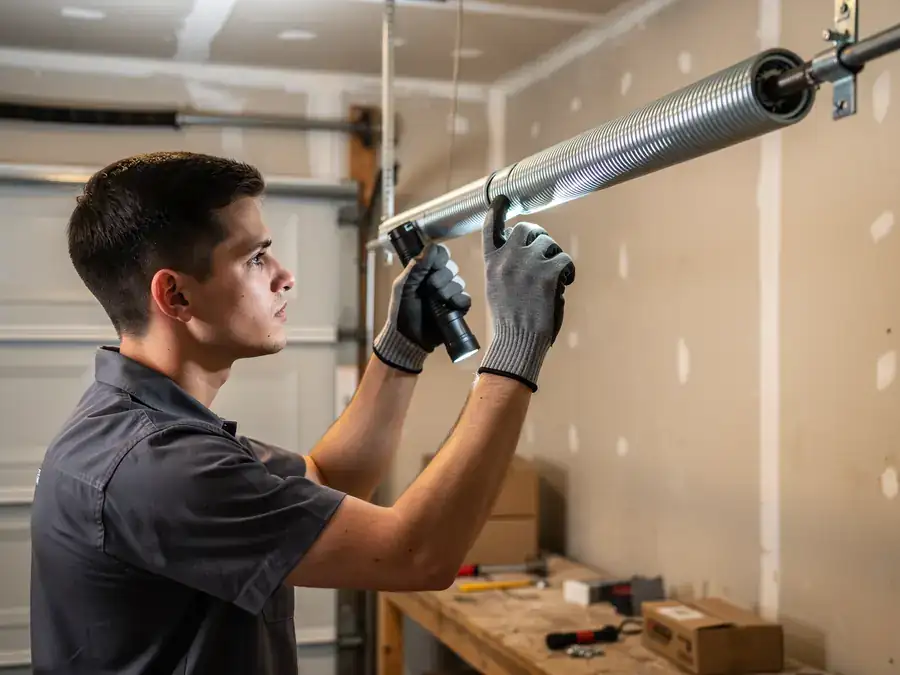
Most calls for opener installation in this area start the same way: the opener still runs, but it groans, hesitates partway up, or reverses on its own for no reason you can see. Sometimes the remote works from the driveway but not from the street. Sometimes the wall button does nothing until you jiggle it. None of that means the door itself is bad - it usually means the opener unit has reached the end of what it can do, and the fix is a new drive, not another round of adjustments.
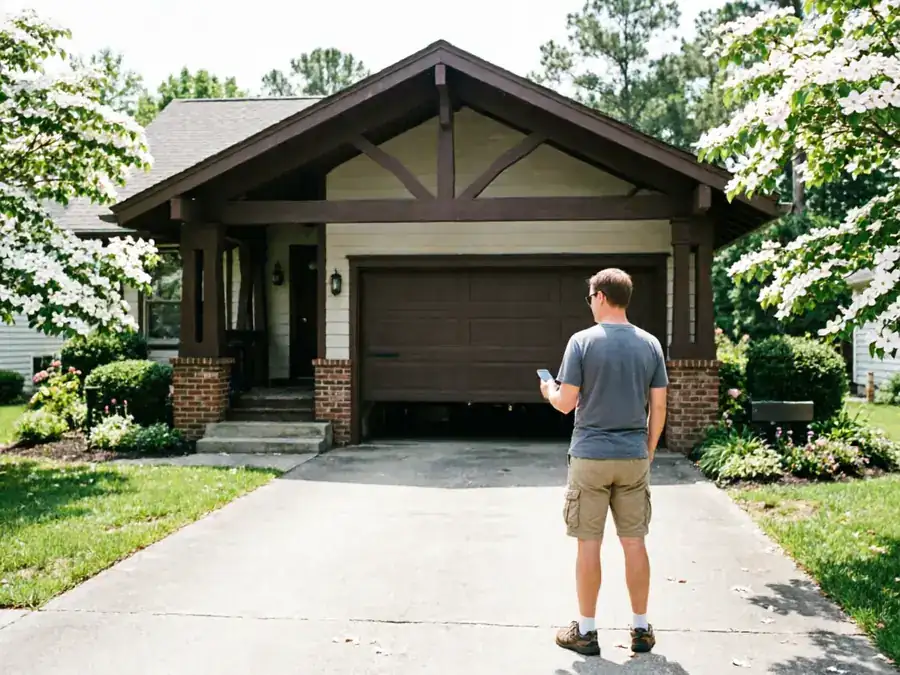
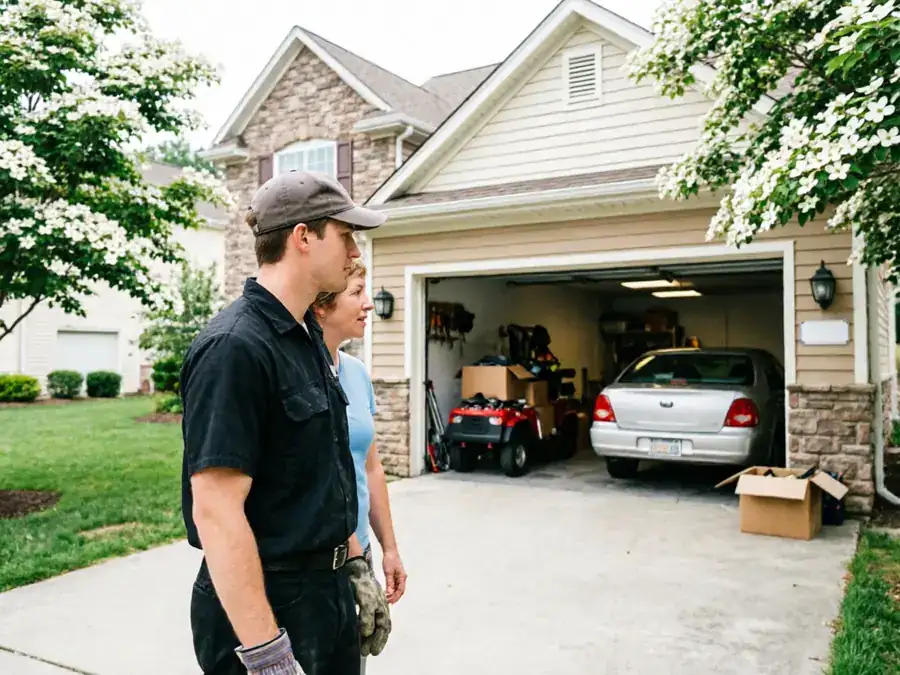
Across Fort Mill, Baxter Village, Riverview, Tega Cay, India Hook, Newport, and Lesslie, the houses sharing this symptom tend to be the same age: built somewhere between 1979 and 2006, with a lot of that stock going up in the late 1980s and 1990s. An opener installed with the house, or even a first replacement from a decade back, is old enough now that parts inside it - the drive gear, the logic board, the capacitor - are simply worn out. Swapping the opener solves the symptom because the symptom is the opener.
Why It Happens Here
Houses built in this window went up with chain-drive or early screw-drive openers that were standard for the era, run on circuits and garage wiring sized for what a house needed in 1990, not for today's opener electronics or battery backup units. When a replacement goes in now, matching the new opener to that older wiring and garage ceiling height is most of the job.
The climate here is the other half of it. Fort Mill sits in a cold-moderate band - not brutal, but enough freeze-thaw and humidity swing over a year to work on rubber seals, lubricant, and the small electronics in an opener's logic board faster than in a warmer climate. An opener that would coast another five years in a mild coastal town starts throwing error codes here once it's into its second decade. That's not a flaw in any particular brand - it's what 20-plus years of seasonal swings does to a motor housing and board.
This pattern holds across the whole service area we cover, not just one neighborhood - the 1980s-90s stock is spread across all nine named areas we work, from Baxter Village out to York and Clover.
Parts We Carry
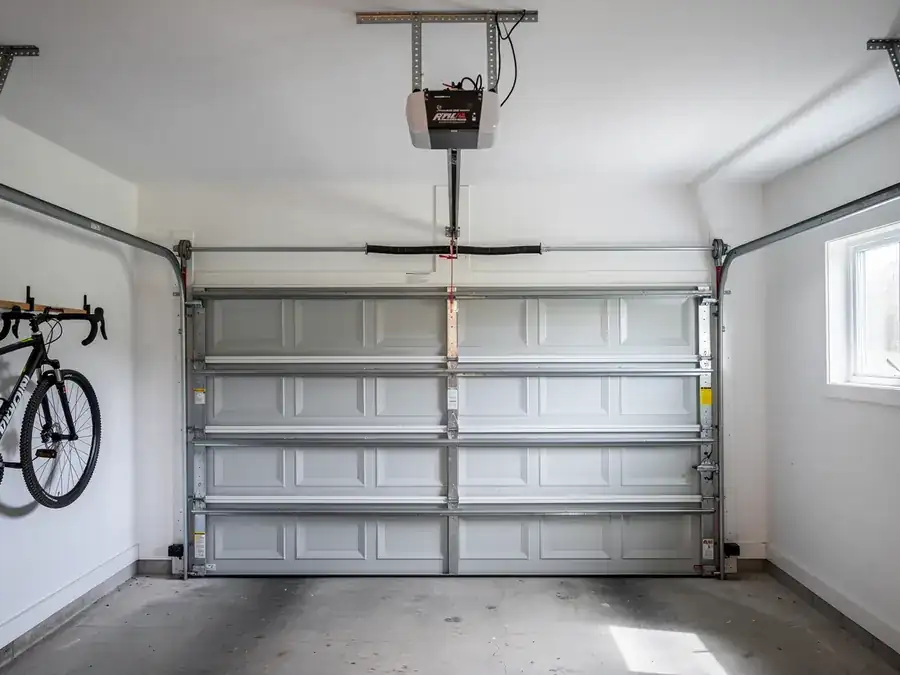
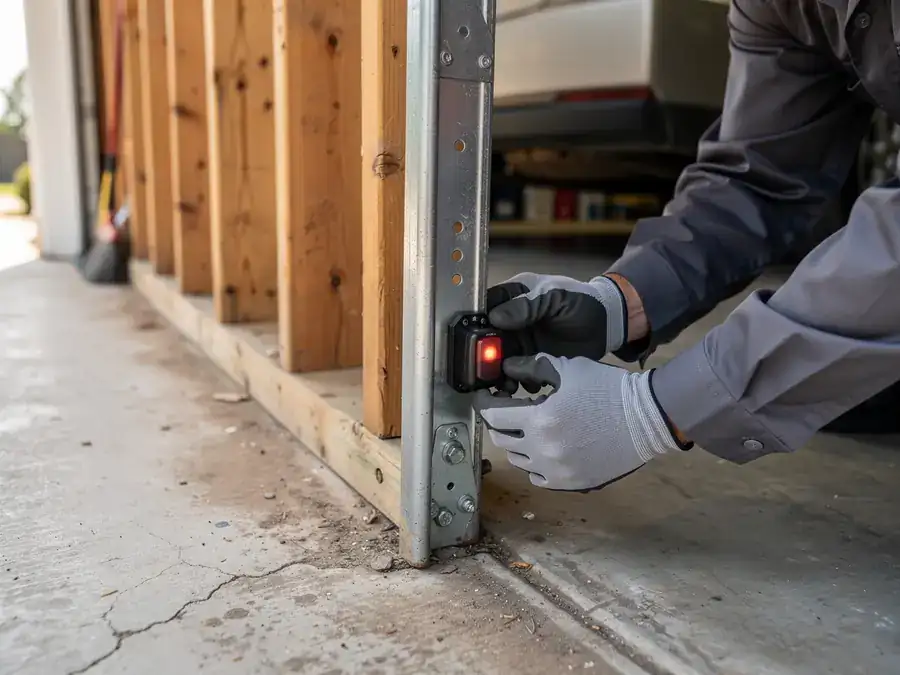
We stock the belt-drive and chain-drive opener units that fit the ceiling clearance and door weight found in most Fort Mill-era garages, along with the wall controls, keypads, and safety sensor pairs that go with them
We also carry the battery backup modules a lot of homeowners here ask for once they've been through a winter power blip with a dead opener and a car stuck inside.
What we don't stock on the truck
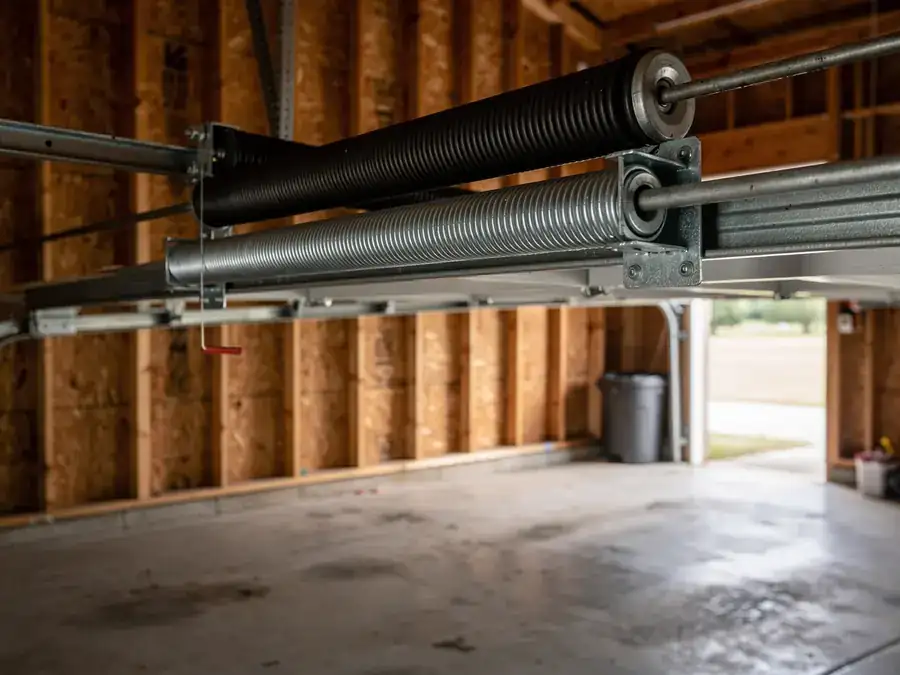
Openers for commercial-grade doors or anything built for a door heavier than a standard residential two-car panel. If your door was upgraded to something unusual, that's a special-order part and we'll tell you the lead time up front rather than promise a same-day fix we can't deliver.
What the Repair Takes
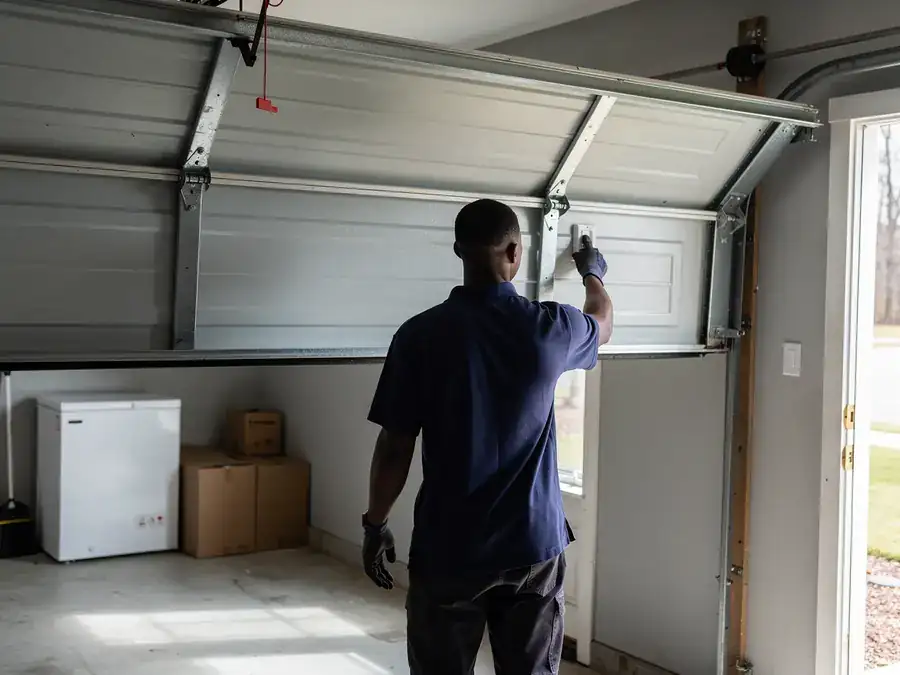
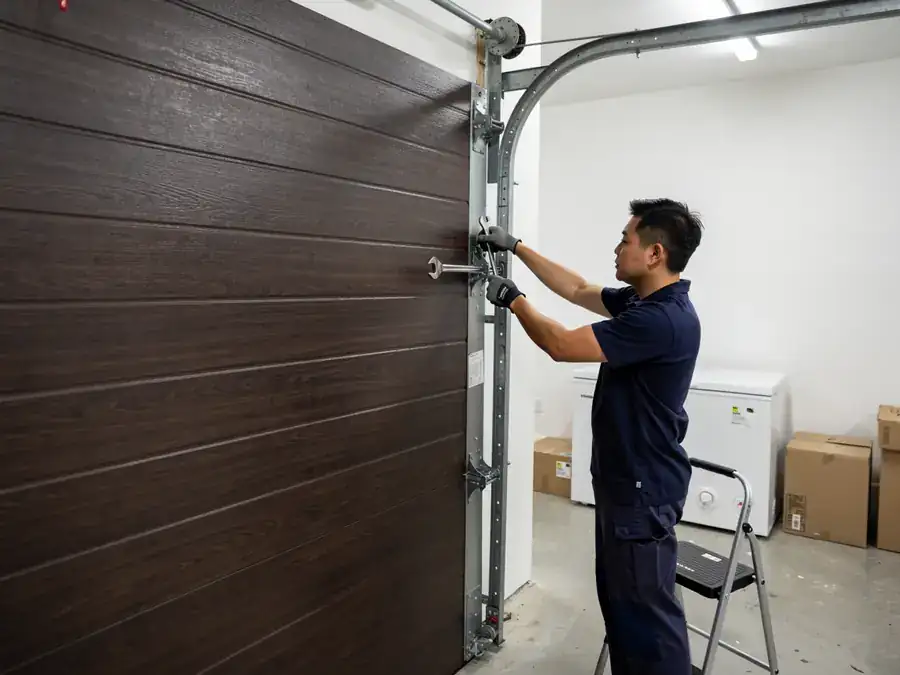
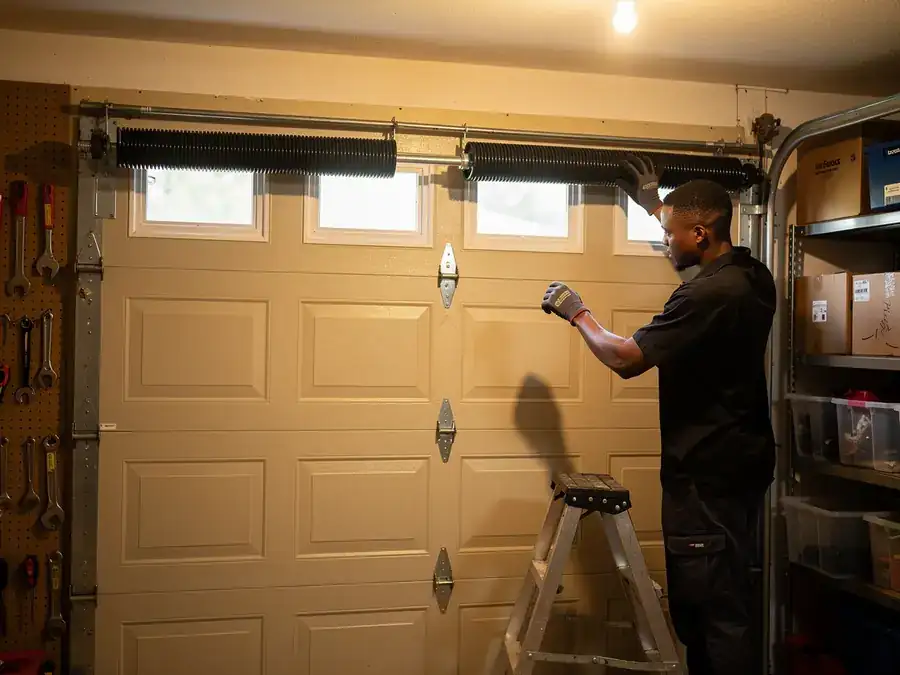
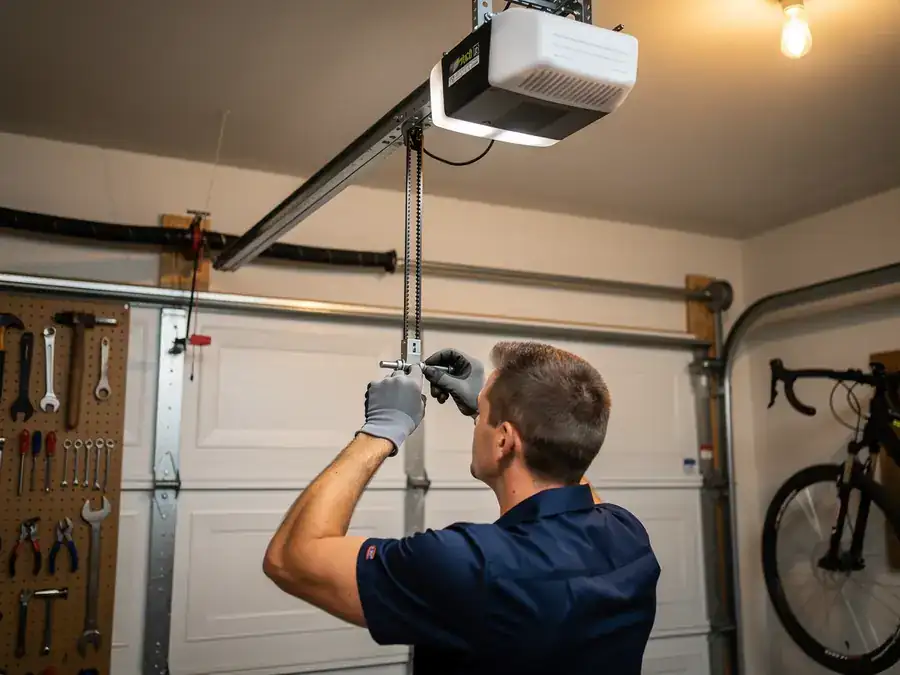
A straight opener swap on a standard residential door - same mounting points, same door weight - is usually a single visit. The old unit comes down, the new rail and motor go up, the sensors get re-aimed, and the remotes get synced before we leave.
Where it takes longer is when the garage wiring or ceiling bracket is original to a late-1980s or 1990s build and needs updating to meet what the new opener actually requires - that's common enough in this area that we check it before quoting, not after. If your household's circuit can't carry a modern opener with battery backup without an electrician's help first, we'll say so rather than install something that'll trip a breaker every time there's a storm.