What Is Going On
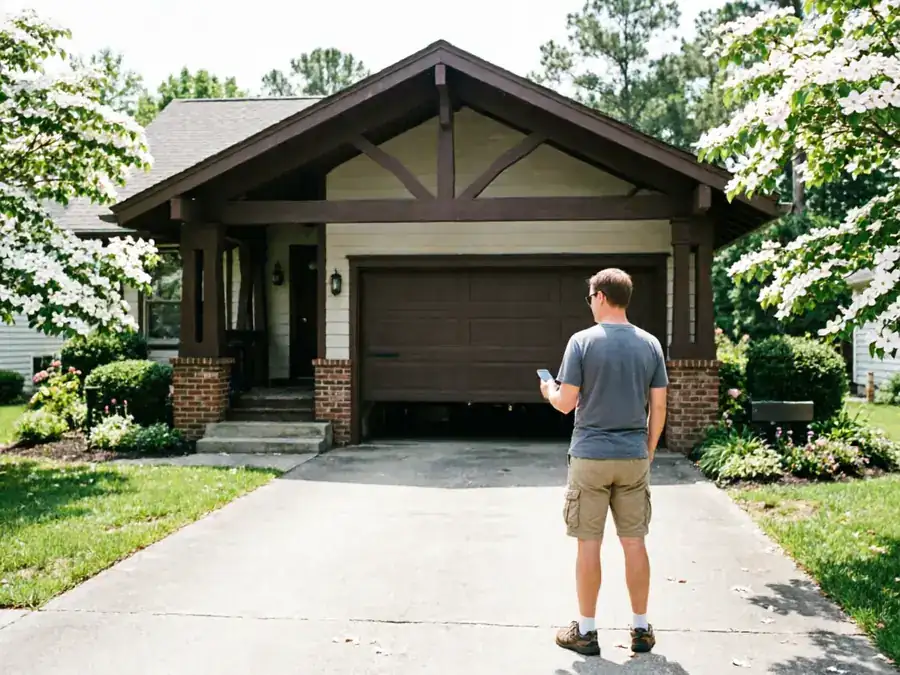
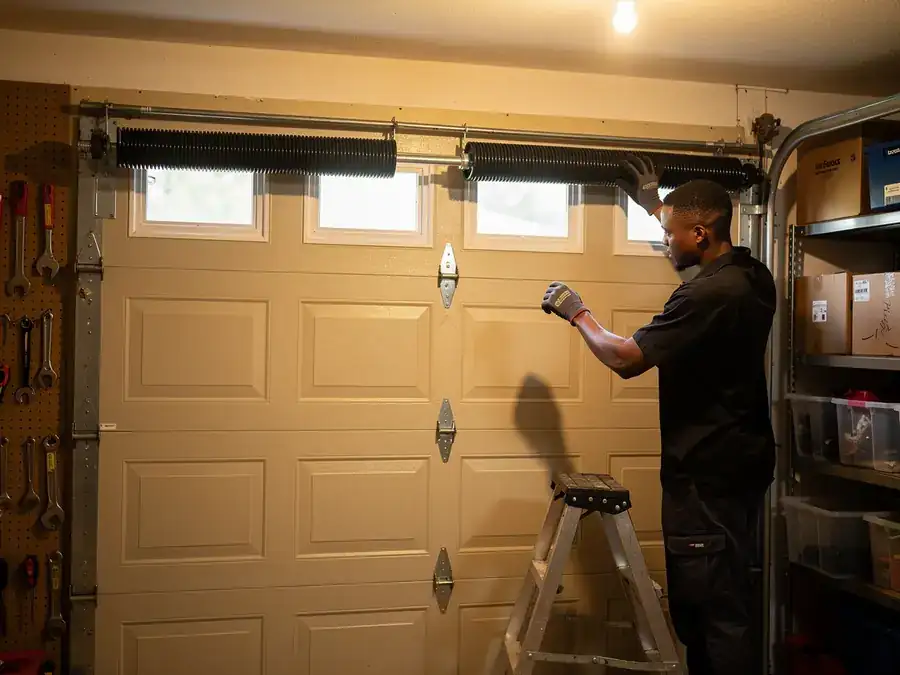
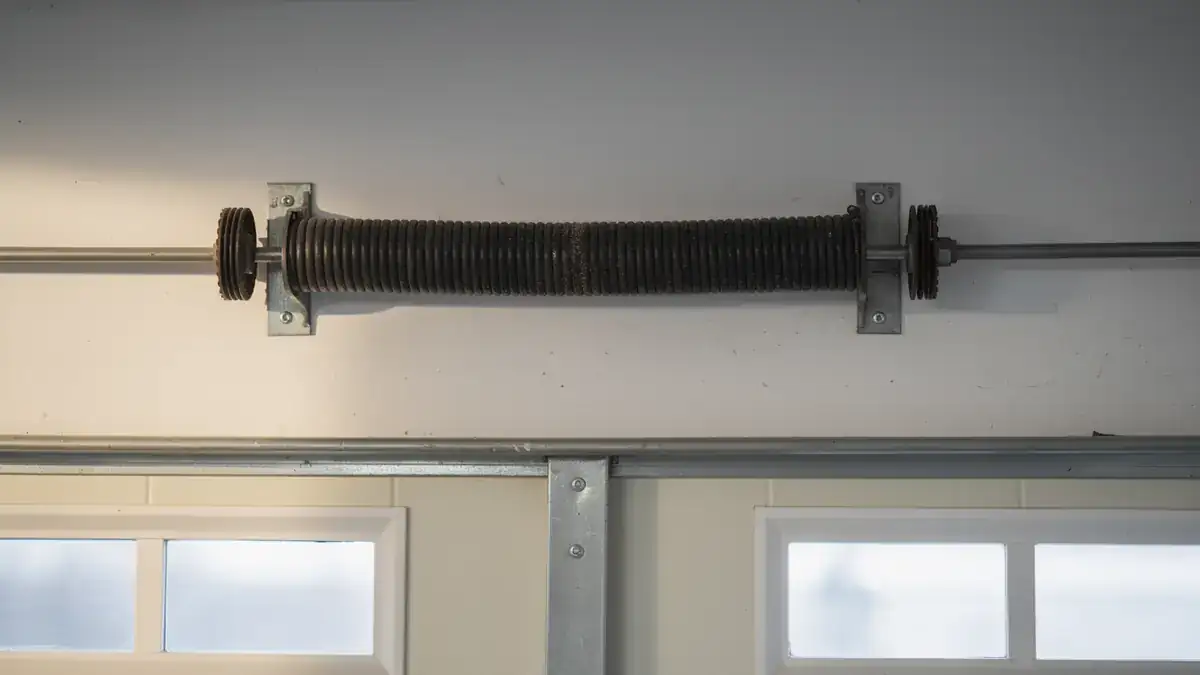
Most of the garage doors we look at in Fort Mill sit on houses built between 1979 and 2006, with the bulk of that stock going up in the 1980s and 90s. That's true whether you're off Baxter Village, out toward Riverview, or closer in near India Hook. A door installed in say 1995 has a torsion spring that's now coming up on three decades of cycling open and shut, and steel springs lose tension and strength over that kind of time even with no obvious damage. Nothing looks wrong until the morning it snaps.
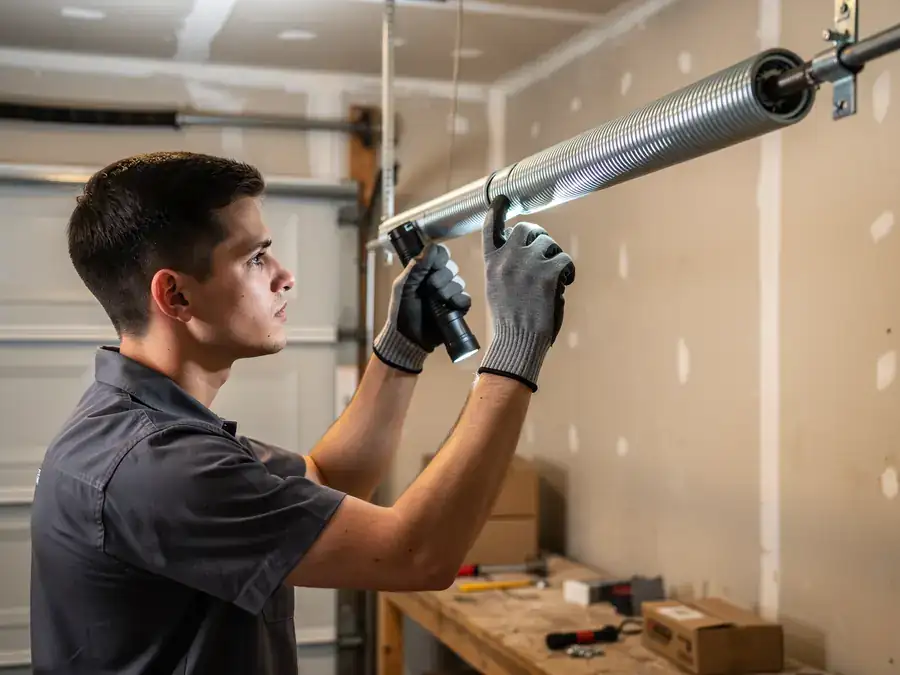
The other piece is what the spring is made of and how it's wound. Builders in this area, across those nine named pockets of similar-era construction, mostly used standard galvanized torsion springs rated for a moderate climate. That's fine most of the year. It's the cold mornings that expose the age of the metal. A spring that's fatigued but still holding on in July can let go in January because cold steel is less forgiving steel, and a 25-year-old spring was never going to have much give left regardless.
What the Weather Here Does to It
Fort Mill sits in a cold-moderate band, which means we don't get the bone-deep freezes some regions do, but we get enough cold mornings each winter to matter, especially layered onto hardware that's already at the end of its rated life. Steel contracts in the cold. A spring under tension that's already showing metal fatigue from 20-plus years of cycling has less flex to absorb that contraction, and that's when it snaps rather than just losing tension gradually.
It's not the extreme cold that gets people here - it's that the temperature swings enough, often enough, on top of hardware installed back in the 80s and 90s that was never built to last forever in the first place. We get calls the week after a cold front comes through more than we get them in July. That's not a coincidence, it's metal fatigue meeting a cold morning at the worst possible time.
What Changes With the Season
Lubrication matters more here in winter than people think
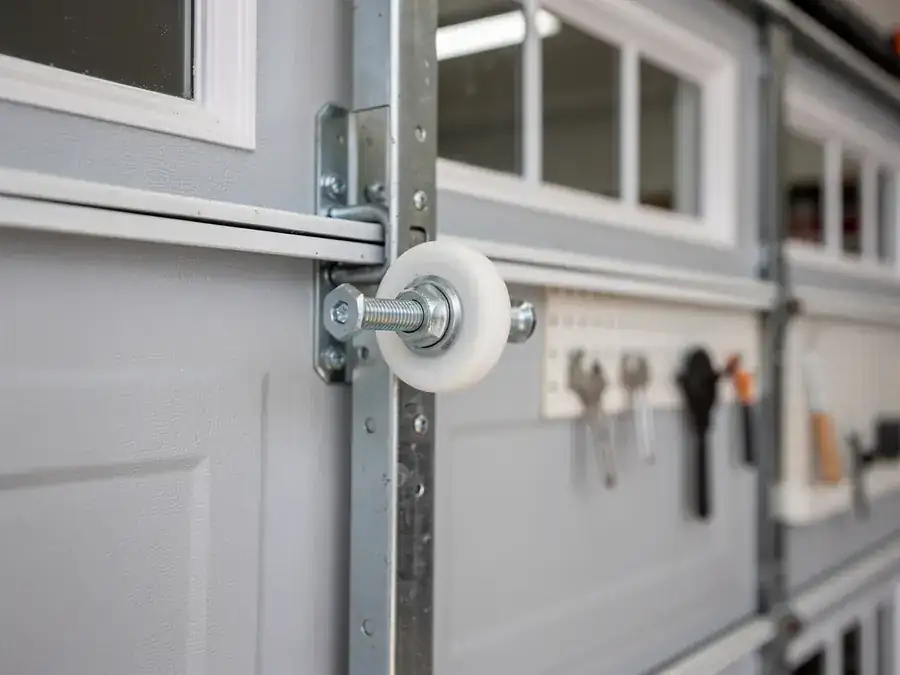
Cold makes grease stiffen, and a dry or stiffened roller track puts extra load on an opener motor and on cables that are already working harder against a heavier, tension-loaded spring. On a door that's original to a house built in the 90s, that extra load is the difference between a smooth season and a cable that frays and snaps mid-winter.
We also see openers struggle more in the cold months
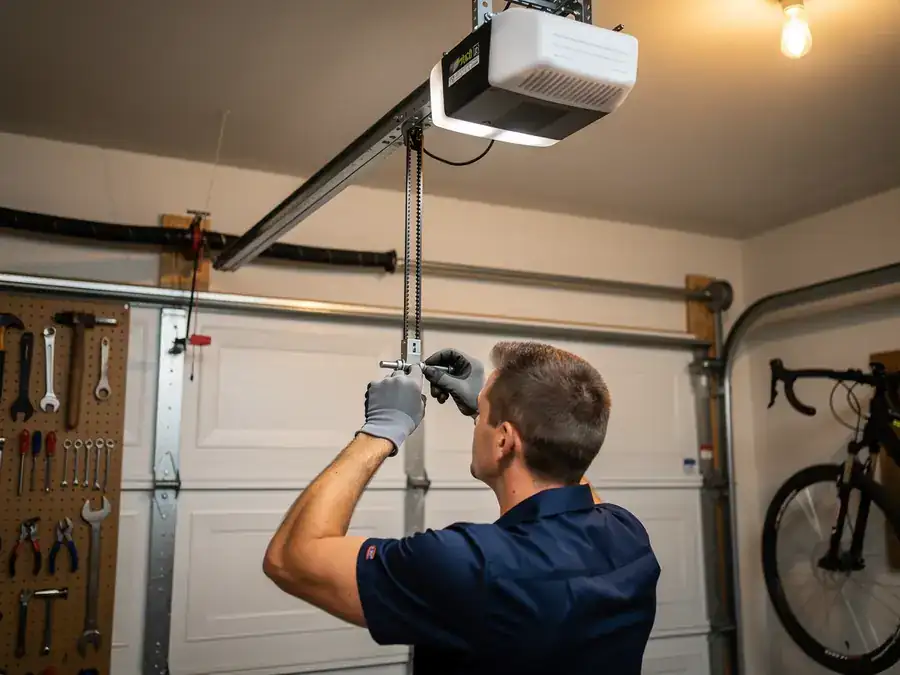
A chain-drive or belt-drive unit installed when the house was built, now 20 to 40 years old depending on when the house went up, wasn't sized with 2020s expectations of instant response. Cold slows the gears. If your opener's already groaning or stuttering in warm weather, winter is when it finally quits.
- 40 years
Where People Go Wrong
The biggest mistake we see in Fort Mill is treating a spring that's slow or noisy as something to live with until it breaks completely. On hardware from the 1979-2006 build range, slow or uneven lift is the spring telling you it's near the end, not a quirk of the door. Waiting for full failure usually means it lets go on a cold morning, sometimes with the door half up, which is a lot more dangerous and a lot more expensive than a scheduled replacement.
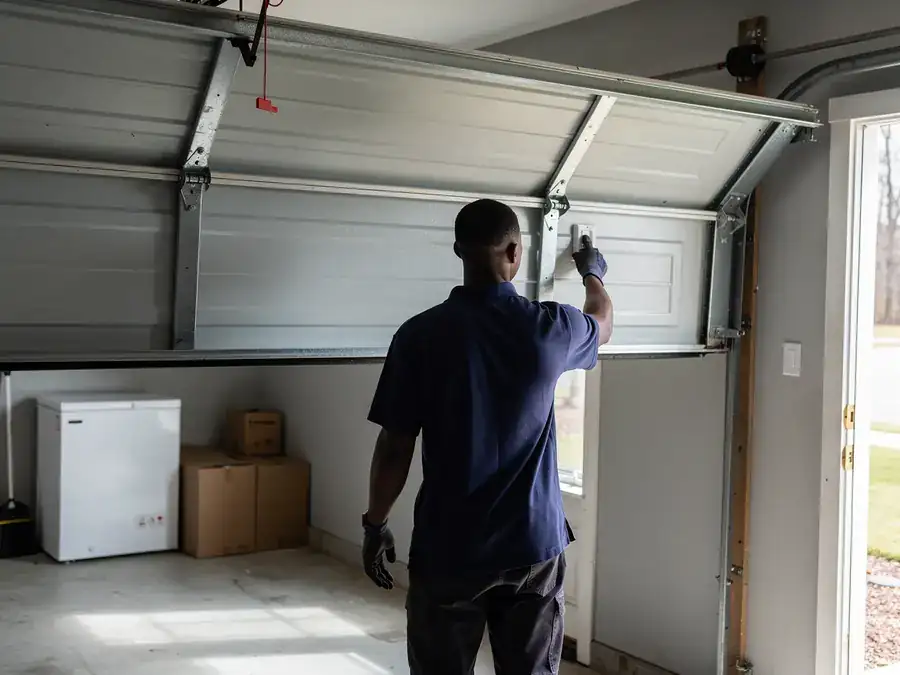
The other mistake is assuming all garage door problems are the same fix. A spring issue and an opener issue show up looking similar - the door won't move, or moves wrong - but they're different repairs with different parts and different costs. We won't tell you a spring job will fix an opener problem, and if your opener's dying rather than your spring, replacing the spring alone won't solve it. Sometimes the honest answer is that a 25-year-old door with a tired opener and a stressed spring is better replaced as a system than patched piece by piece.