What Was Built Here
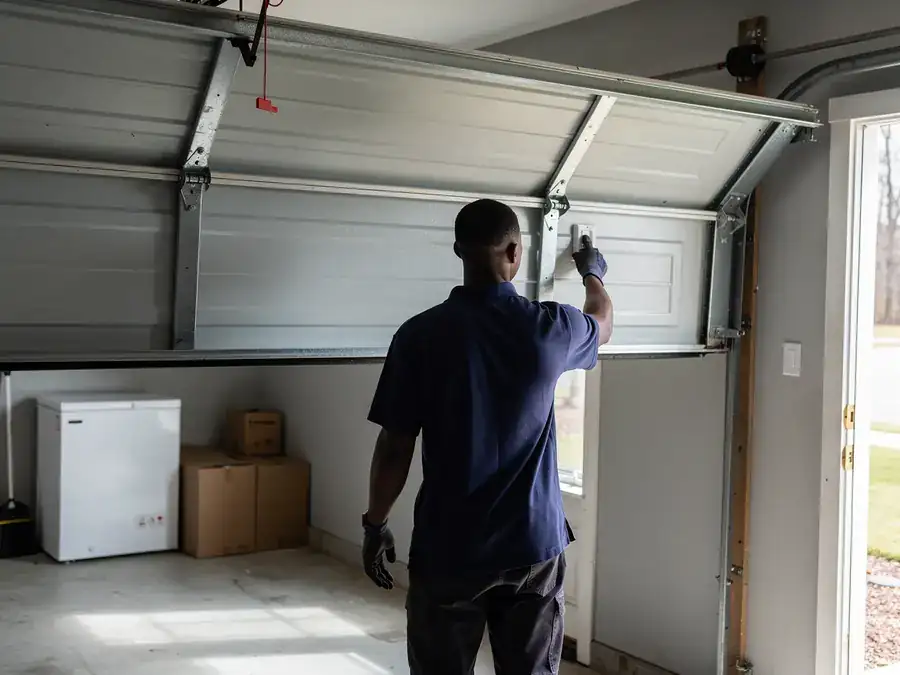
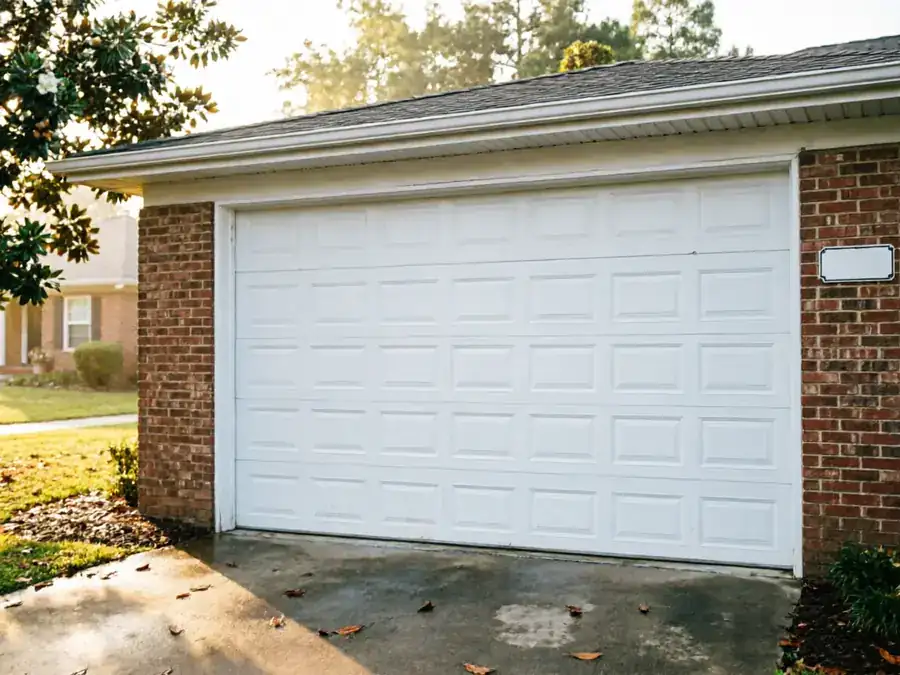
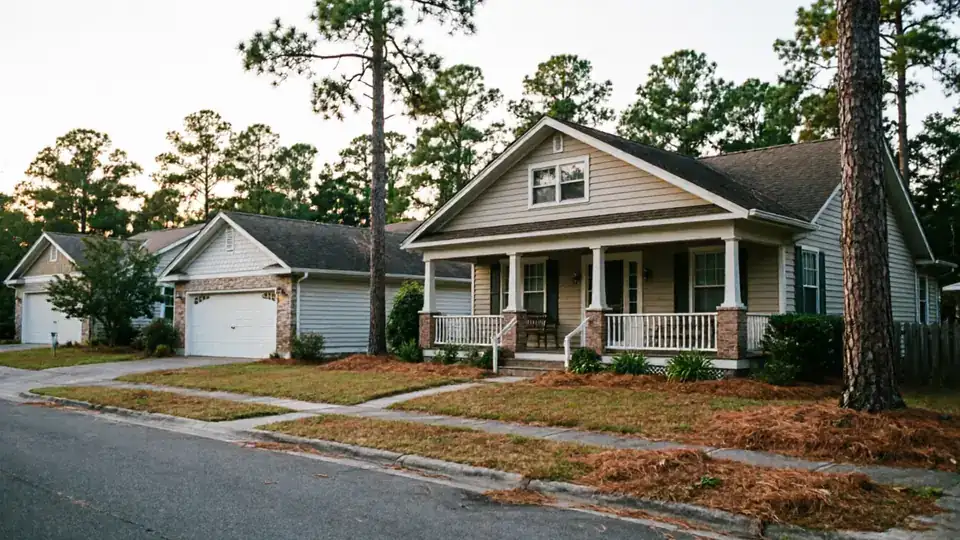
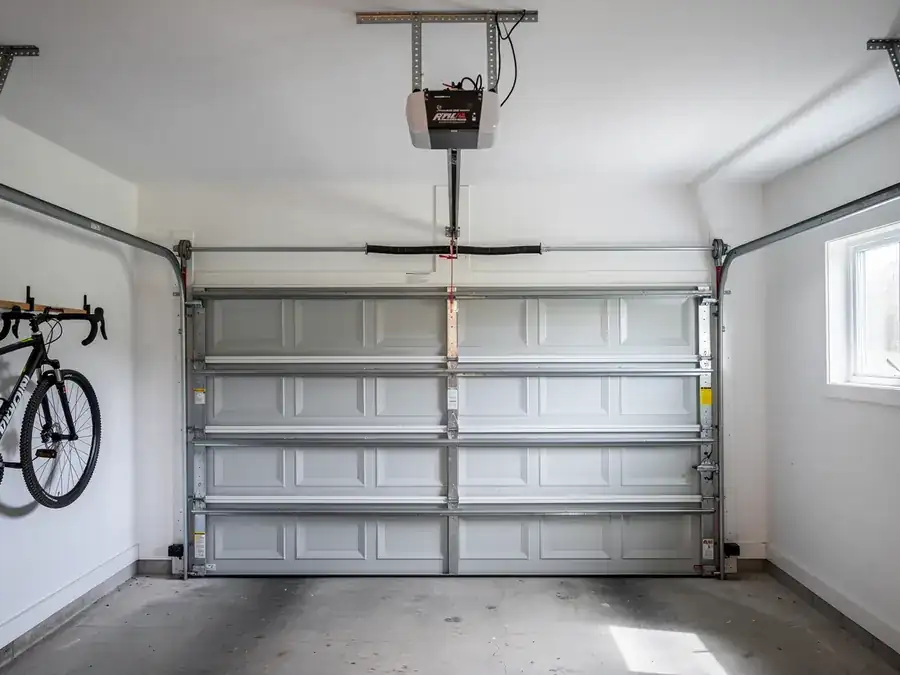
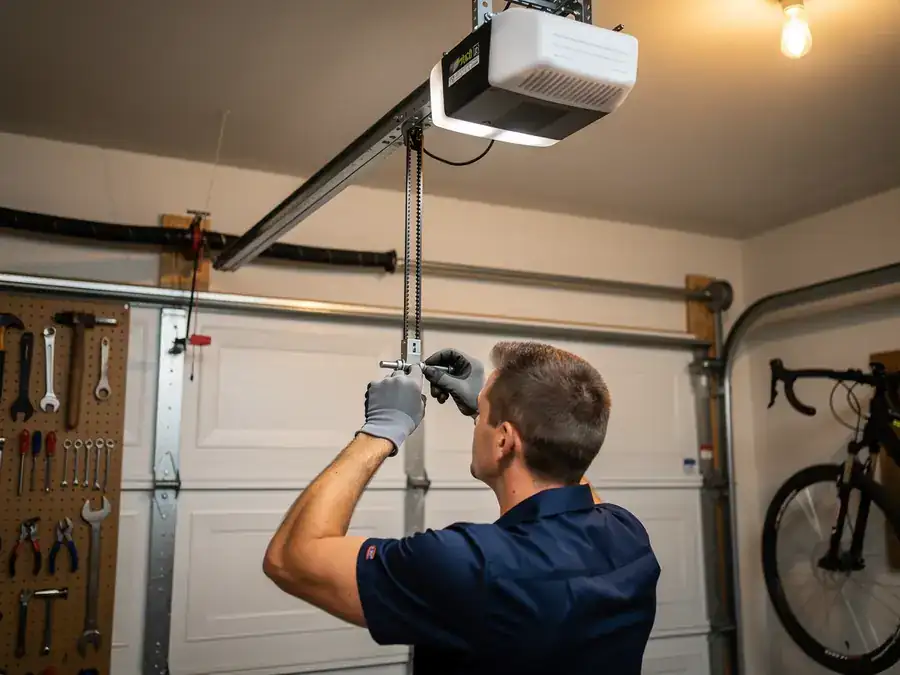
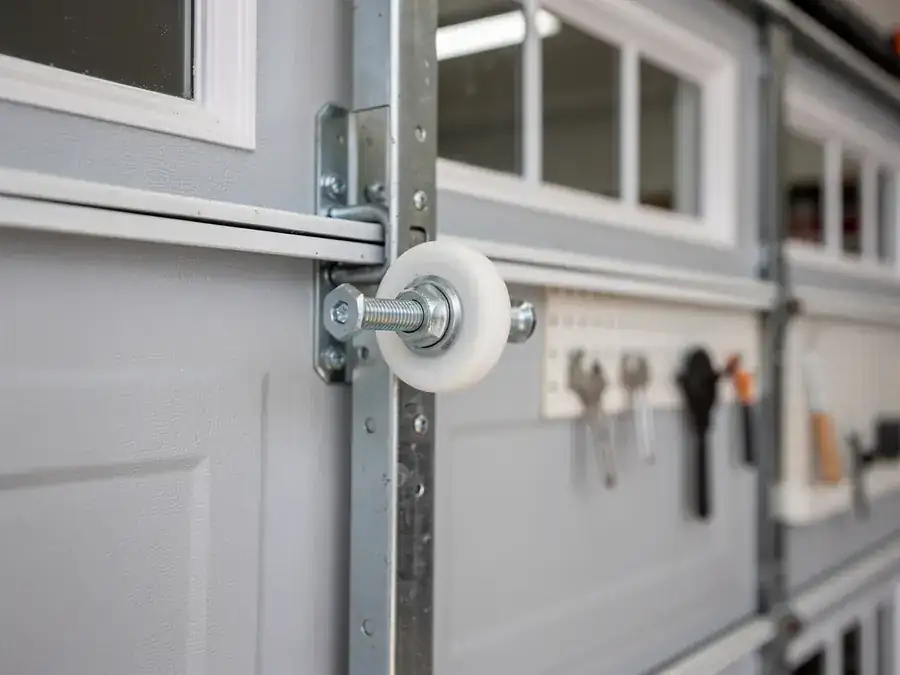
Newport's homes center on a median build year of 1991, a bit earlier than the broader Fort Mill service area, which runs closer to 1997. That gap matters more than it sounds. A door and opener installed in 1991 is a different animal from one installed in 2001 - different spring winding cones, different opener logic boards, often a different track gauge entirely. With about 1,702 households in Newport, you've got a tight, consistent pocket of early-1990s garages, which means the common failure points repeat from street to street: dried-out nylon rollers, tired extension or torsion springs nearing the end of a normal 7-to-12-year cycle (sometimes twice over by now), and openers old enough that replacement parts are getting hard to source. This isn't a neighborhood of mixed vintages where every call is a surprise - it's a neighborhood where we can guess the likely problem before we see the door.
When We Can Get There
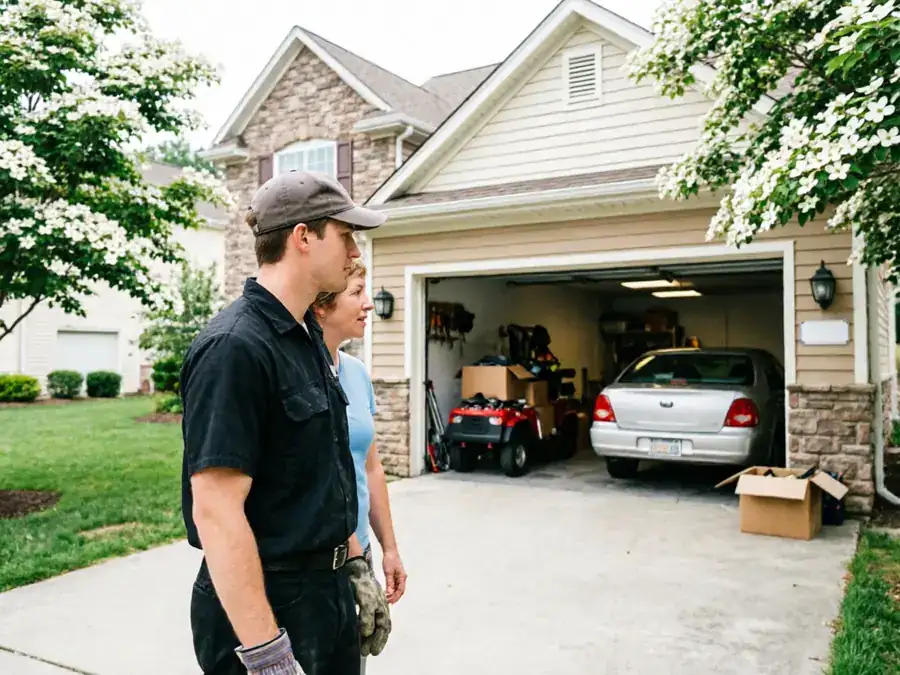
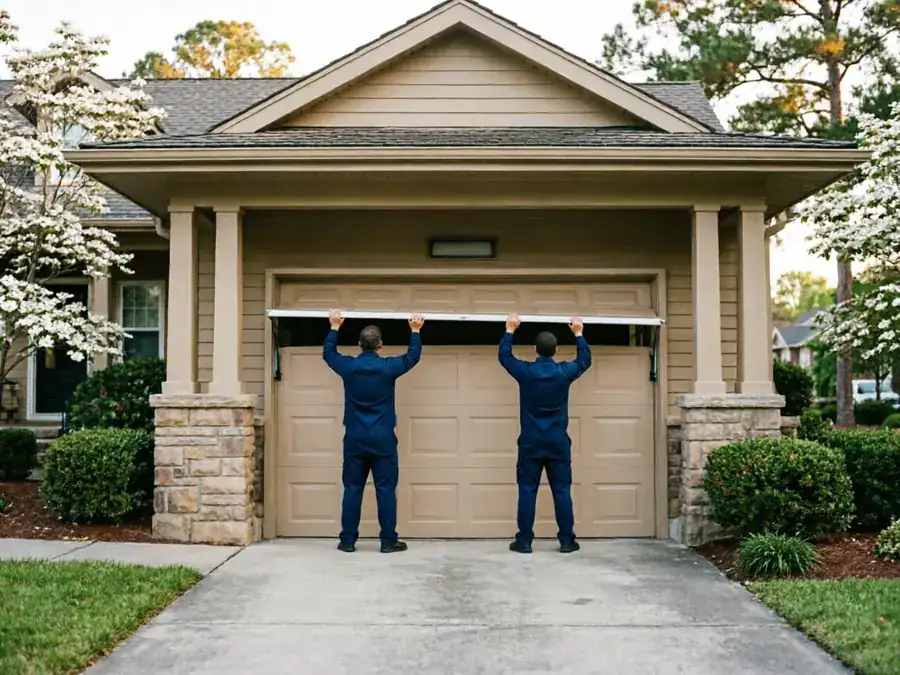
We run out of Fort Mill, about 8 miles from Newport. That's a short drive, not a walk down the street, so we don't promise a same-hour arrival or claim we're already in the area. What we can tell you is that the distance doesn't change the job - we bring the same spring sets, cable, and opener stock whether we're working in Fort Mill proper or out here. Call ahead when you can, especially if the door is stuck shut with a car trapped inside; that's the kind of job we prioritize on the schedule. For routine maintenance or a slow-closing opener, a same-week appointment is realistic.
How That Shows Up in the Door
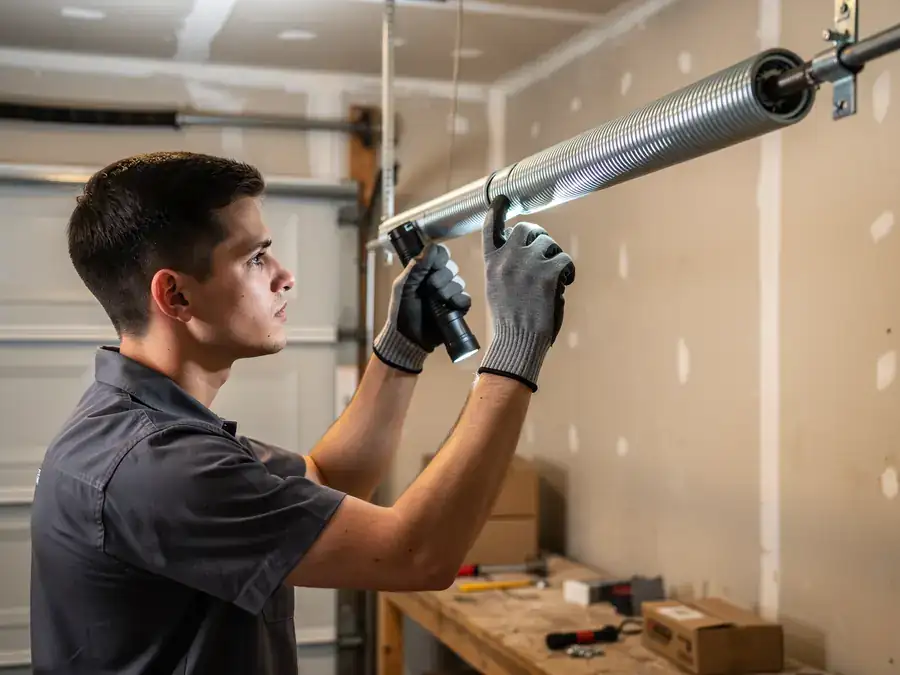
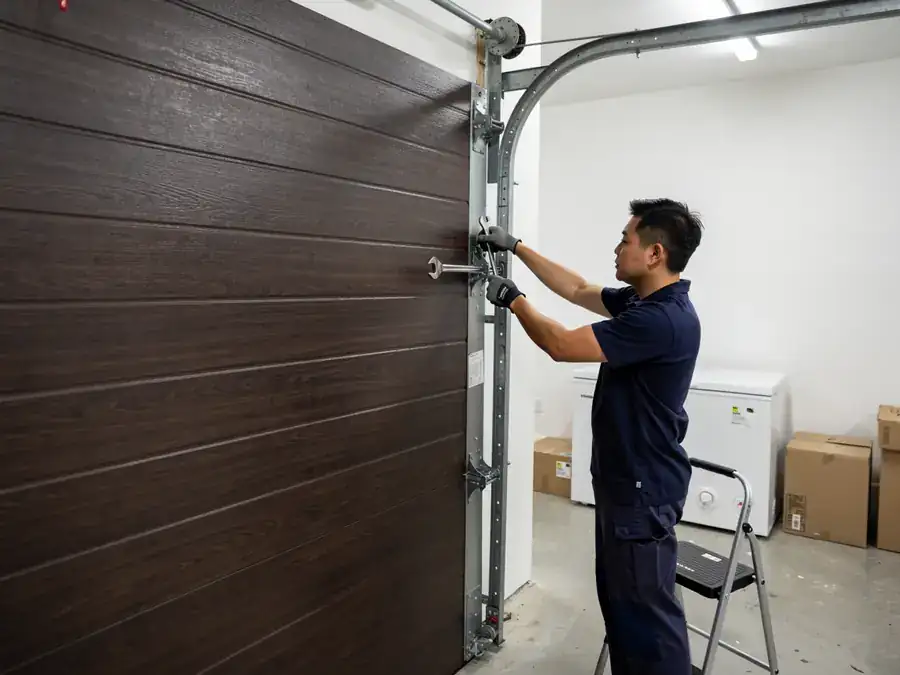
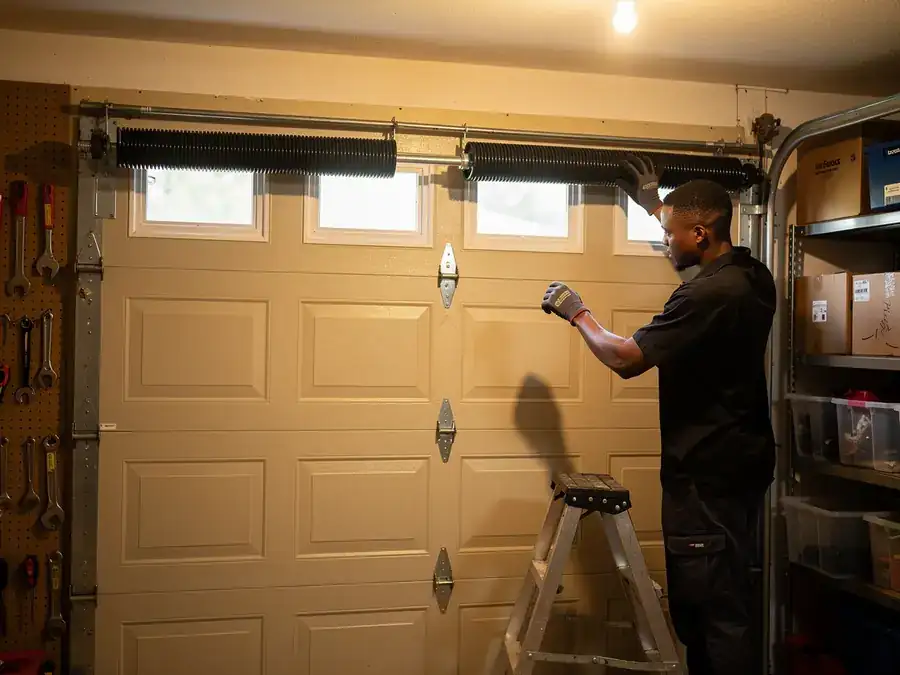
On a house built around 1991, the torsion spring is most likely original or on its second set, which puts it right at or past the point where a sudden snap is more likely than not - that loud bang usually happens on the coldest morning of the year, not a mild one. With Newport sitting in a cold-moderate climate band, the metal contracts enough in winter that a weak spring or a dry bearing plate announces itself fast. At a median household income of $107,143, most owners here replace rather than nurse along a failing system once we show them the wear, but we still price the repair first so you're deciding from real numbers, not guesswork. Expect heavier-gauge springs and steel rollers to be the right call more often than the budget plastic kind, simply because of the age of the hardware they're replacing.