What It Costs
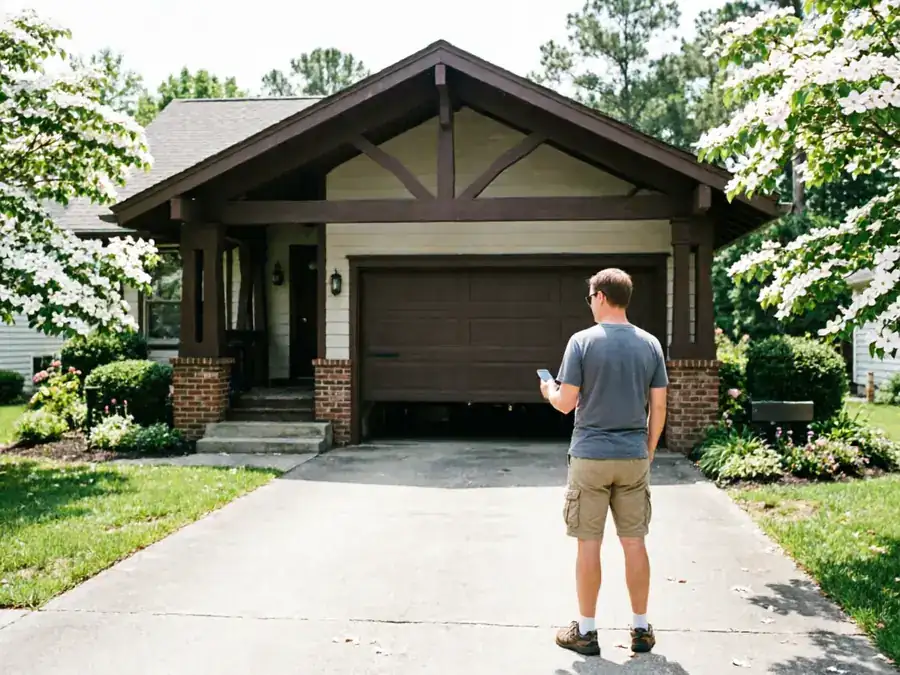
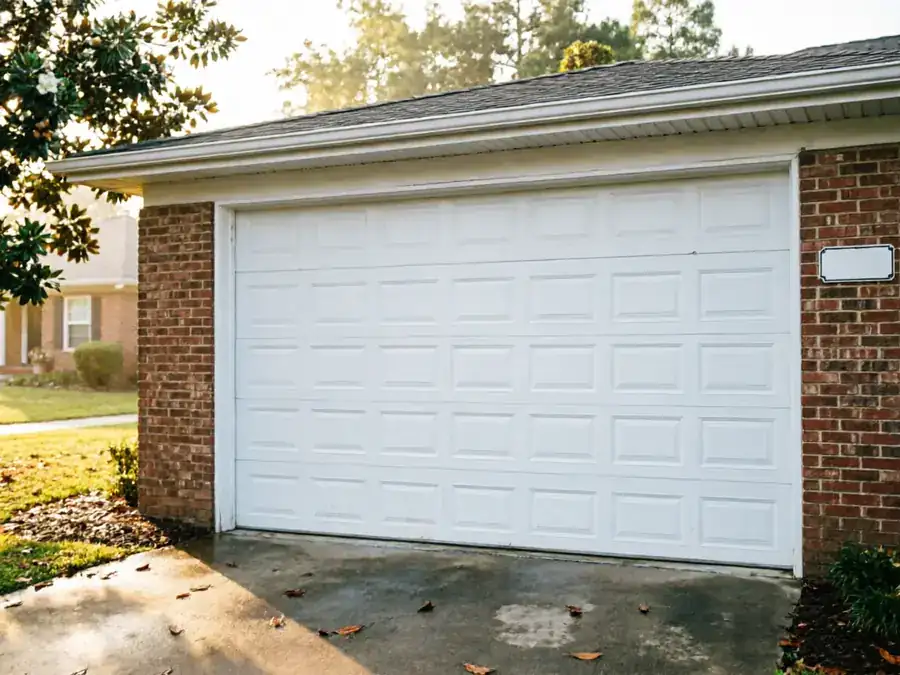
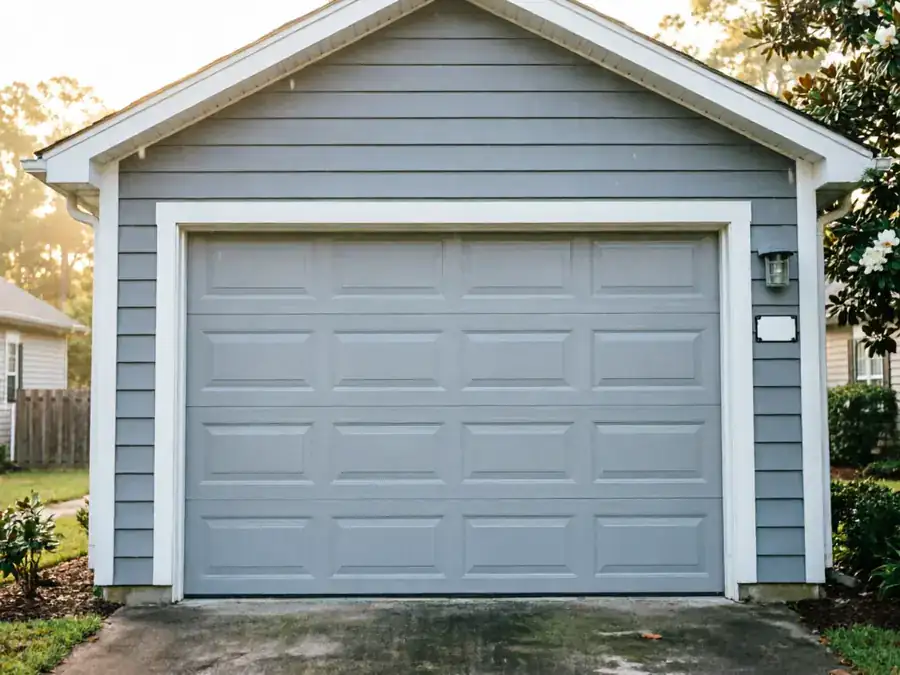
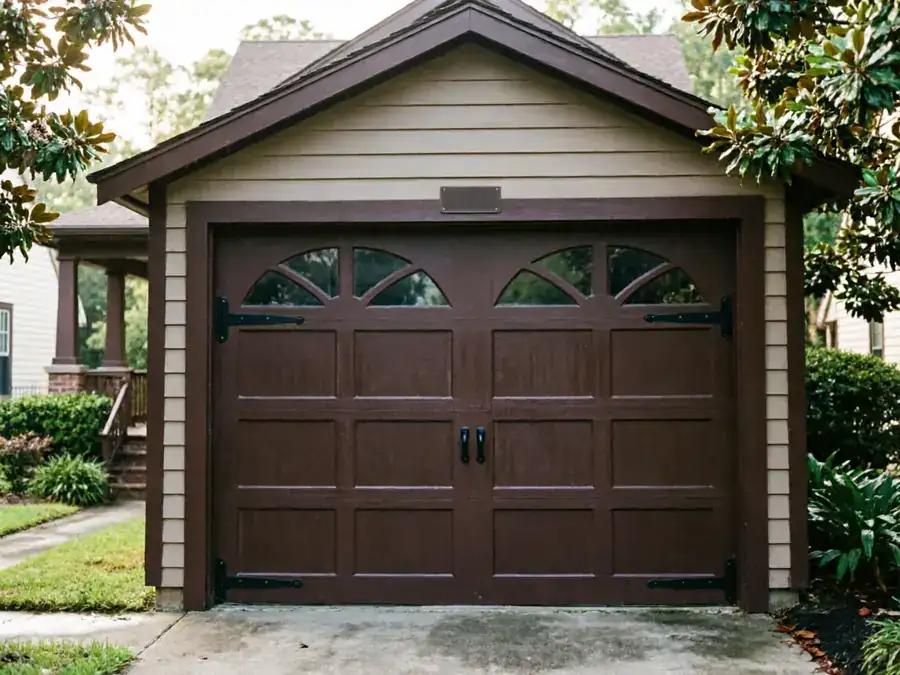
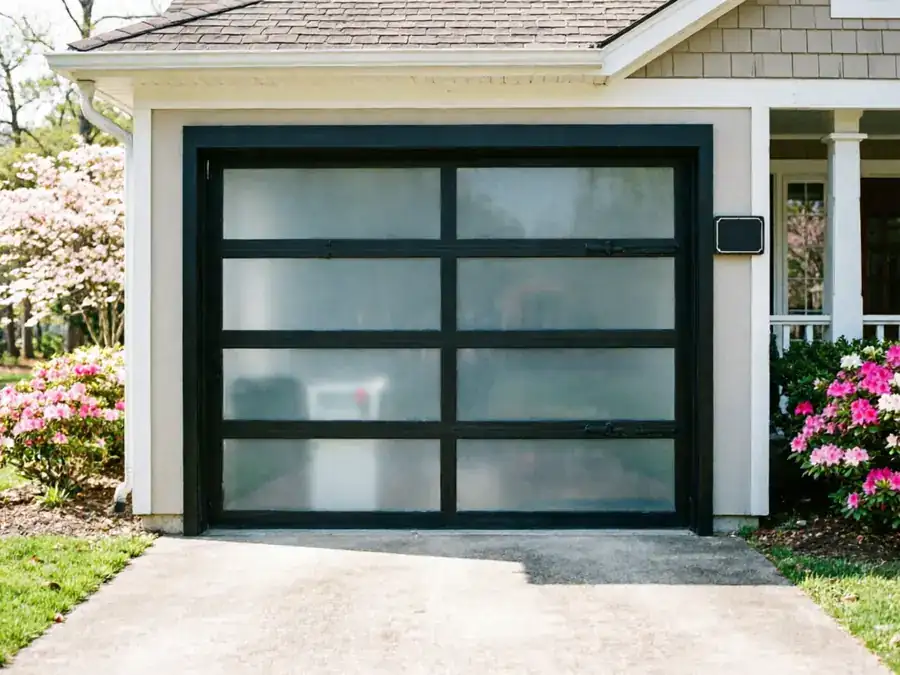
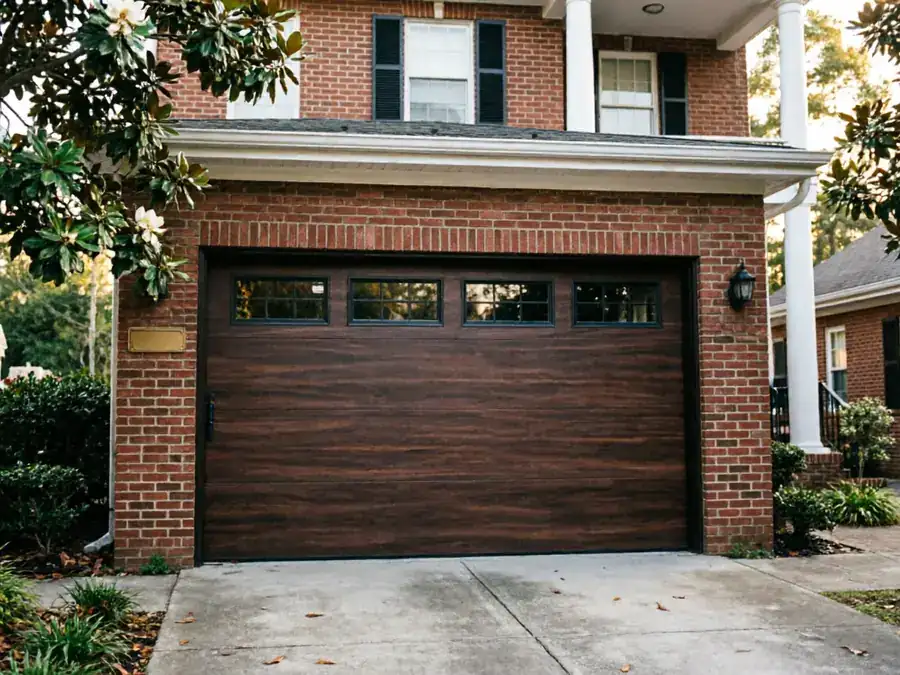
We don't post a flat number here because the spring itself isn't one-size. A house in Newport built around 1991 almost always came with a steel sectional door on torsion hardware rather than the older extension-spring setups you'd find on a 1970s garage - torsion springs are sized to the door's weight and width, and a 16-foot double door takes a different wire gauge and wind count than an 8-foot single. What drives the number on the invoice is spring count (one or two), wire diameter, and whether the drum and bearing plate need replacing alongside it, not the town you're in. We quote after we've seen the door, not before.
What we can tell you: this area's household income runs above the broader Fort Mill service-area median of $94,505, which isn't a cost driver, just context for a stock of homes that tends to carry original or near-original hardware rather than a patchwork of prior repairs. That cuts both ways - original hardware is often still correctly sized, but it's also thirty-plus years old.
What the Repair Takes
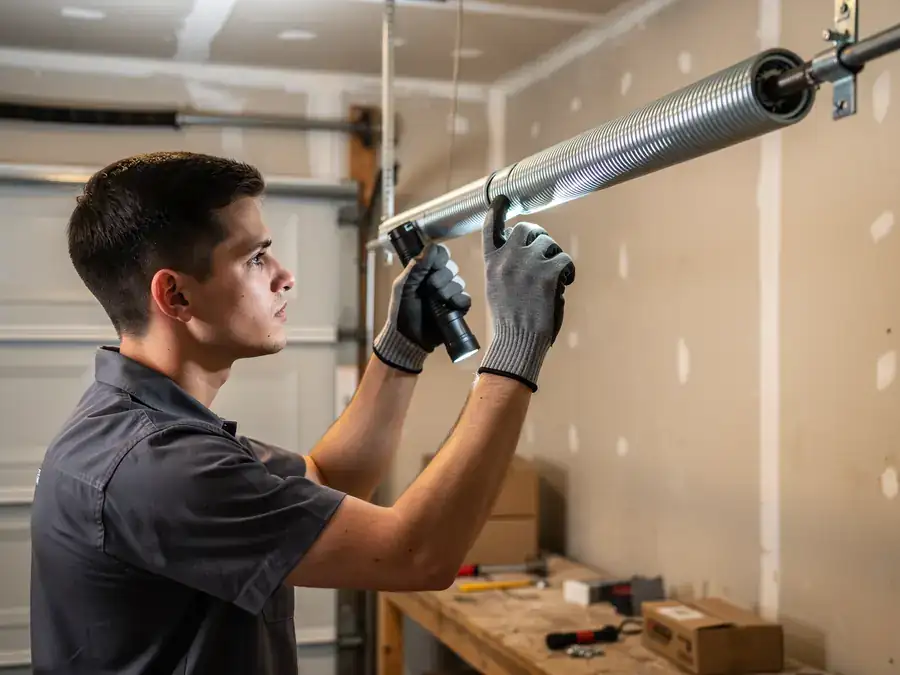
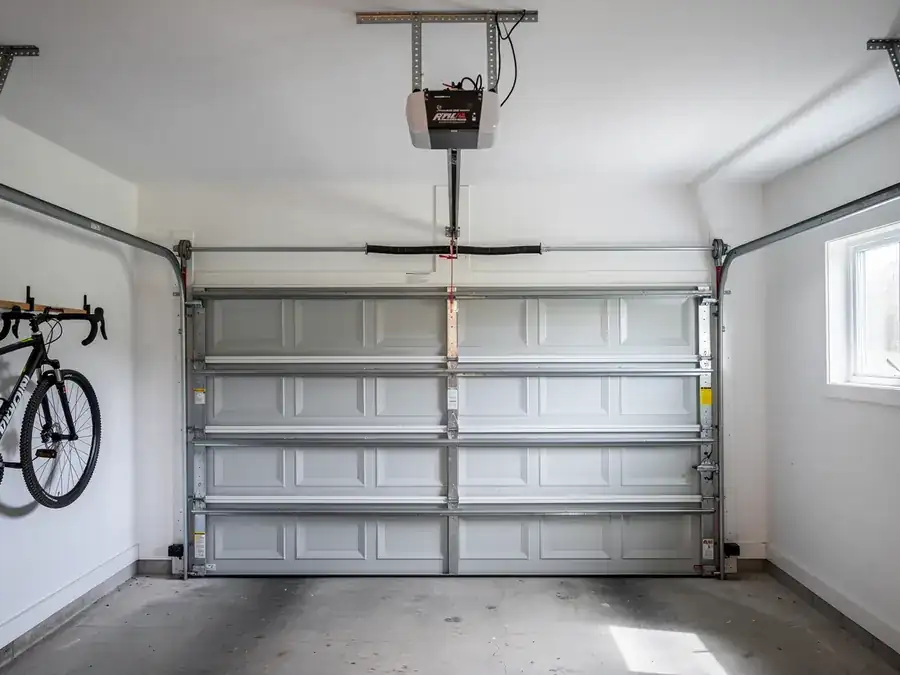
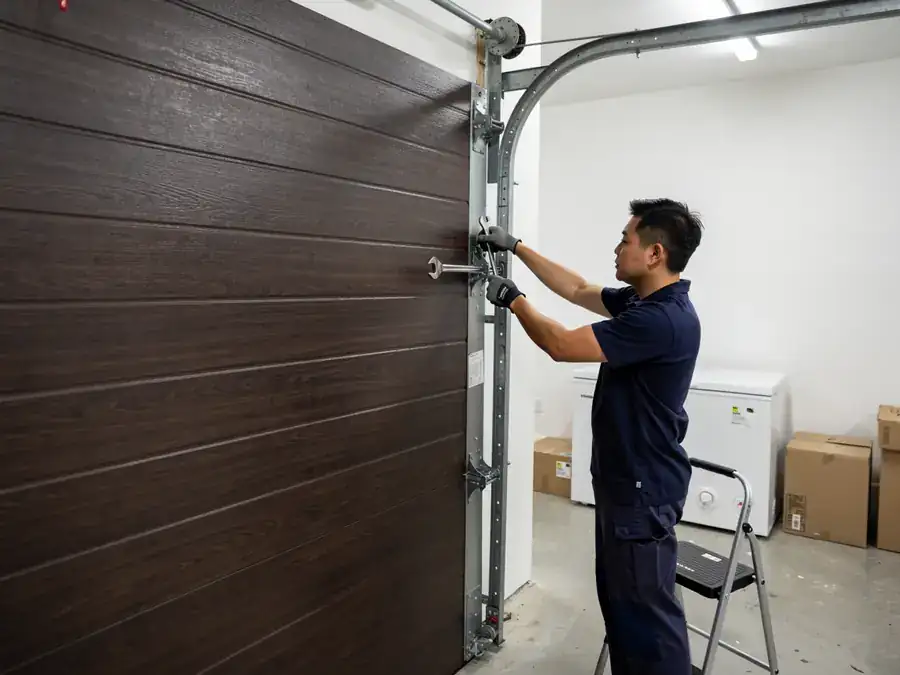
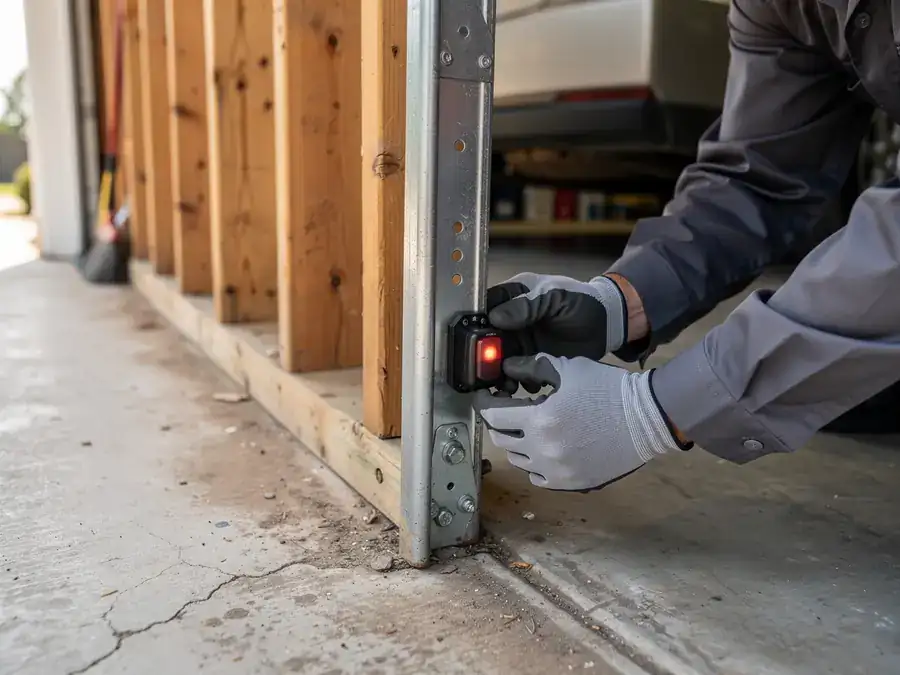
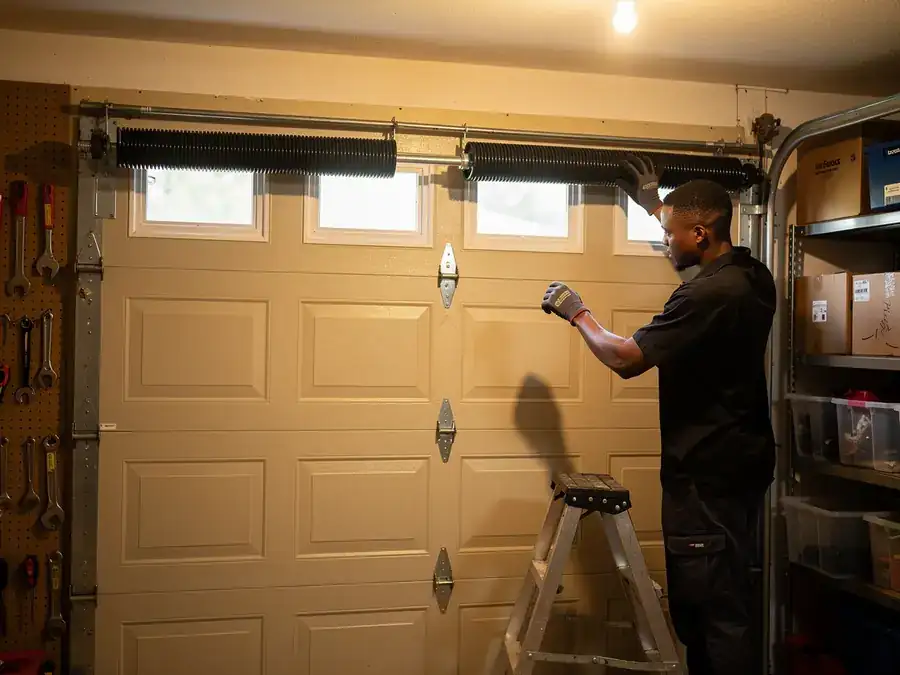
We wind down the old spring with hand bars, pull the stationary cone off the stationary bracket, slide the broken spring off the torsion tube, and match the new one by wire size, inside diameter, and length - not by guessing. On a door built in the early 1990s the torsion tube itself is usually still round and straight, which is good; on an older or neglected door we sometimes find the tube bowed from running too long on a broken spring, and that becomes a bigger job.
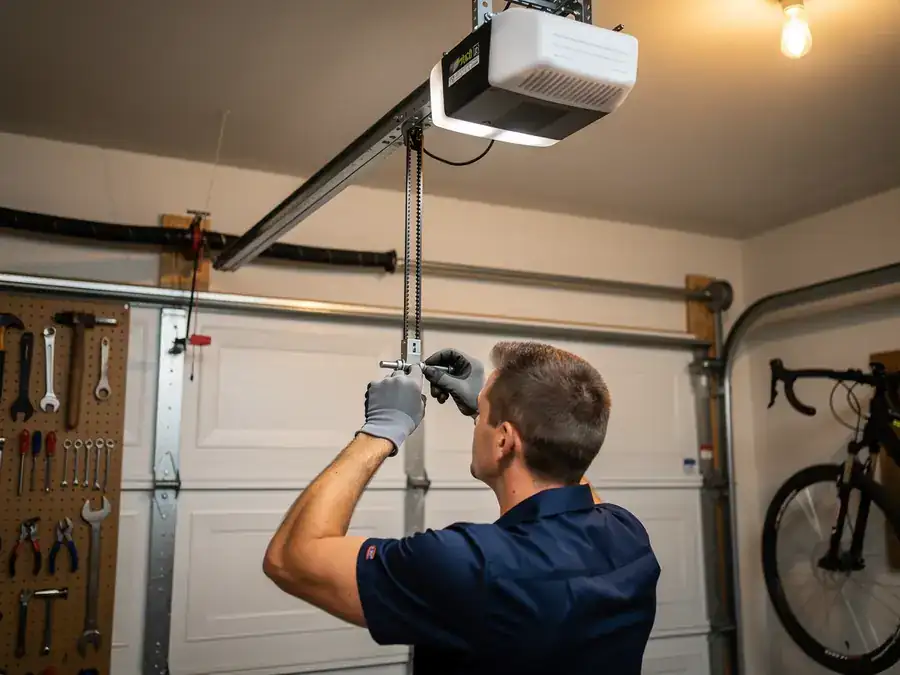
We check cables, bearing plates, and the center bracket while we're in there, because a spring failure under load will often take a cable partway with it. If the door is a double at 16 feet wide, that's typically two matched springs, wound together so the door doesn't rack to one side when it travels. We test the balance by hand afterward - a properly sprung door should hold still at waist height with the opener disconnected. If it drifts, the spring isn't right for that door yet.
How Long You Are Without the Door
We run the roughly 8 miles out from Fort Mill
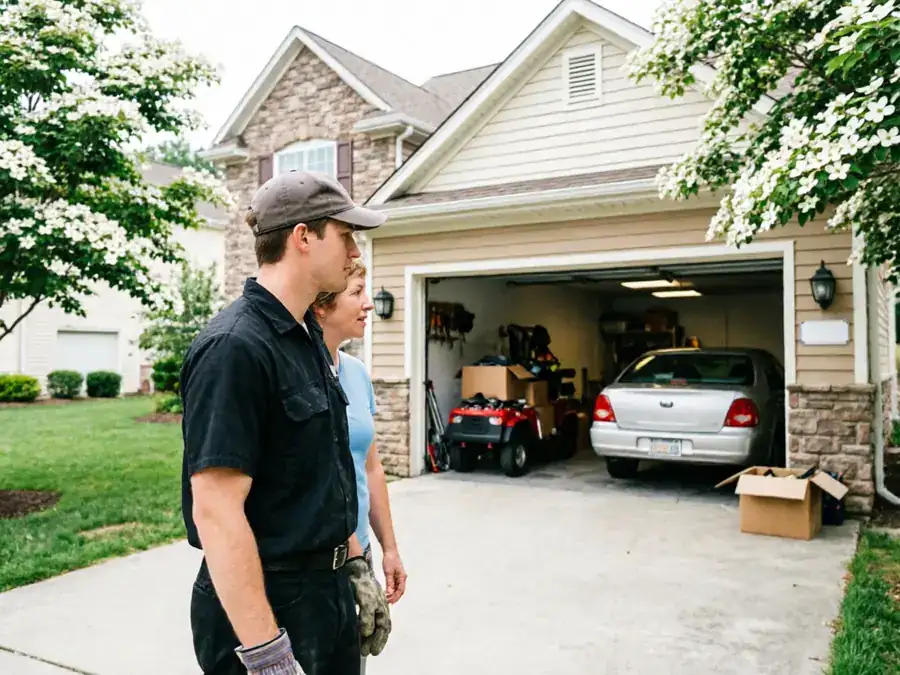
So the time you're without a working door is mostly the drive plus the job itself, not a dispatch radius problem. Most torsion spring jobs on a standard single or double door, once we're on site, run under two hours.
- 8 miles
The one place this stretches out
If your door is an odd width or an older commercial-style torsion setup, the exact spring may not be on the truck and has to come in. We'd rather tell you that up front than pretend every spring is a stock item. For the 1991-era steel sectional doors common on this side of town, sizing is usually standard and we carry common winds, so most calls here are a one-visit fix.
Why It Happens Here
The median home in this part of the service area went up around 1991, which puts most garage doors and their original torsion springs at well over three decades of wind cycles. Springs don't fail from age alone - they fail from cycle count and from the stress of temperature swings on steel. This area sits in a cold-moderate climate band, which means the springs here see real seasonal expansion and contraction rather than a flat, mild year-round load. That cycling is what fatigues the coil metal over time, and it's a bigger factor than most homeowners expect.
A lot of the houses on this side of town are still running their original spring, since 1991-era builds generally haven't needed a second opener motor or a full door swap yet. That means we're often the first repair that door has ever had - which is a different job than refreshing a door that's already been through two or three spring changes.
Getting It Booked In
Tell us the door's width - single or double - and whether it's making noise, sitting crooked, or simply won't move, and we can usually tell you over the phone whether it's a spring, a cable, or something else before the truck leaves Fort Mill. We don't keep a branch in Newport; every job here is a dispatched run, same as the rest of the coverage area. See the Newport coverage page for what else we handle out this way, or the Fort Mill spring repair page for the base rundown on how we approach this repair generally.
What You Are Seeing
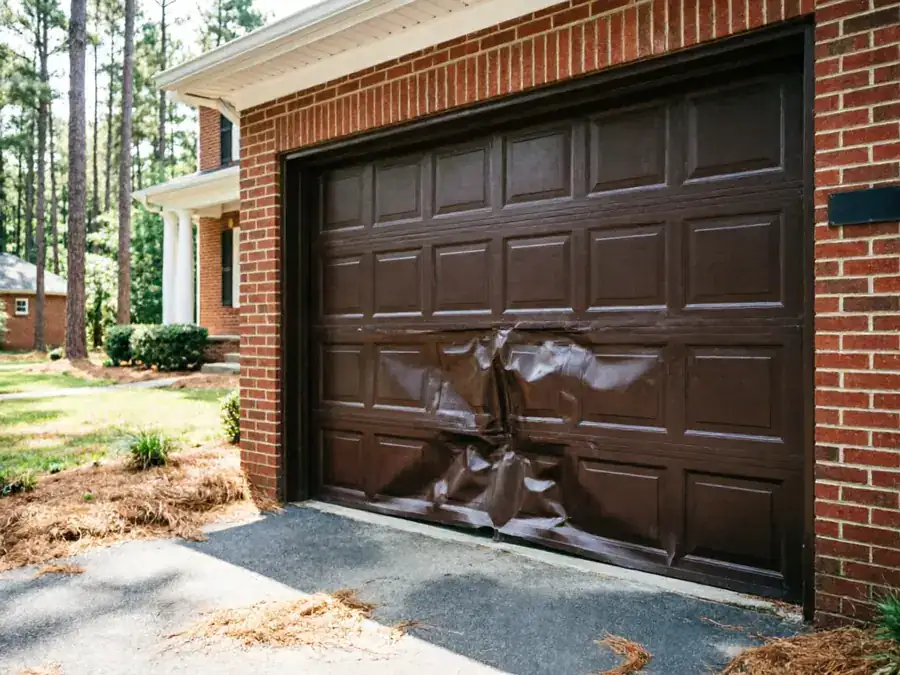
A broken torsion spring usually announces itself with a loud bang from the garage, often when nobody's touched the door - that's the coil snapping under tension, not a door hitting something
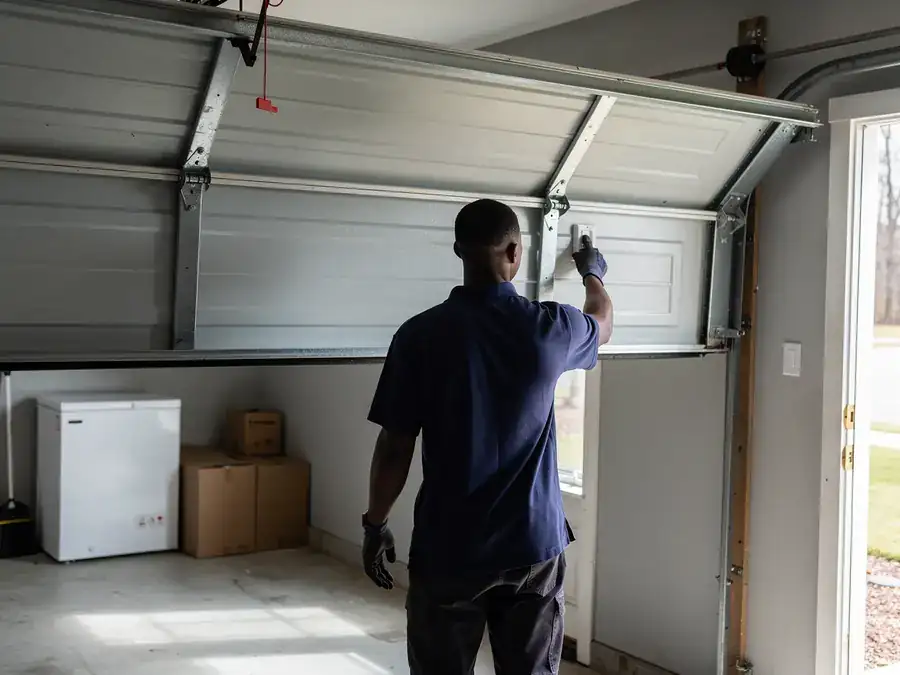
After that, the door gets heavy fast: an opener will strain, grind, or stop lifting partway, and if you try by hand it feels like dead weight instead of the light, balanced lift a properly sprung door should have.
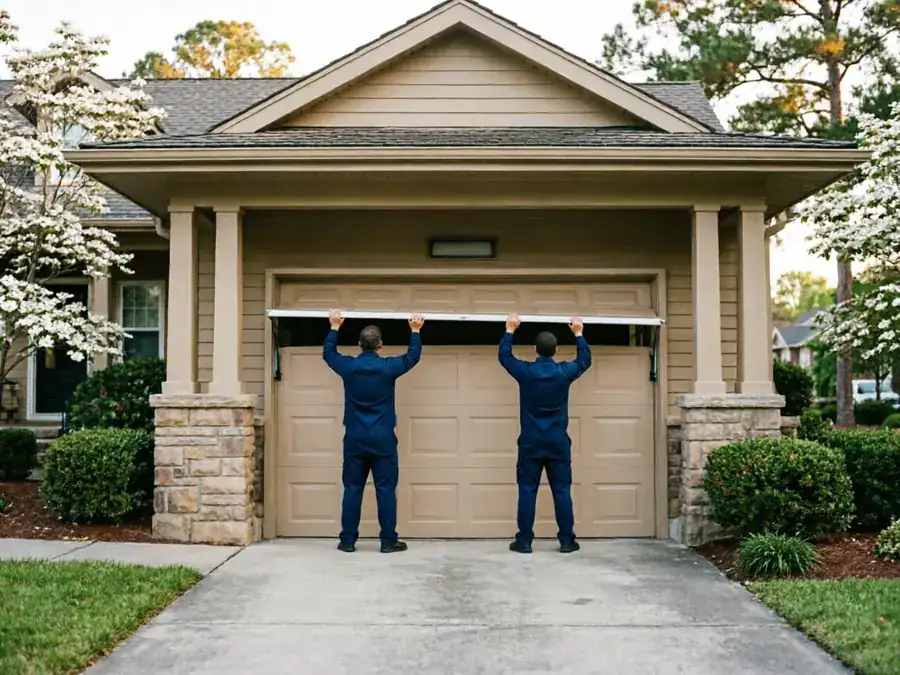
On a double door, watch for one side dropping lower than the other when it's partway open
That's a sign one of the two springs has gone while the other is still holding. Don't run the opener repeatedly trying to force it; that stresses the cables and the drum, and turns a spring job into a spring-and-cable job.