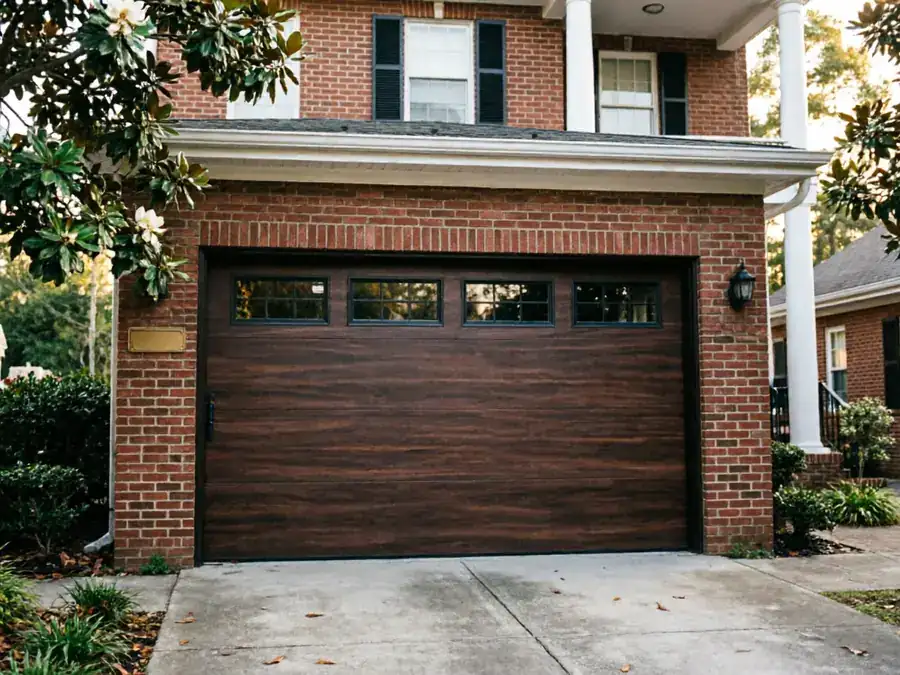
What You Are Seeing
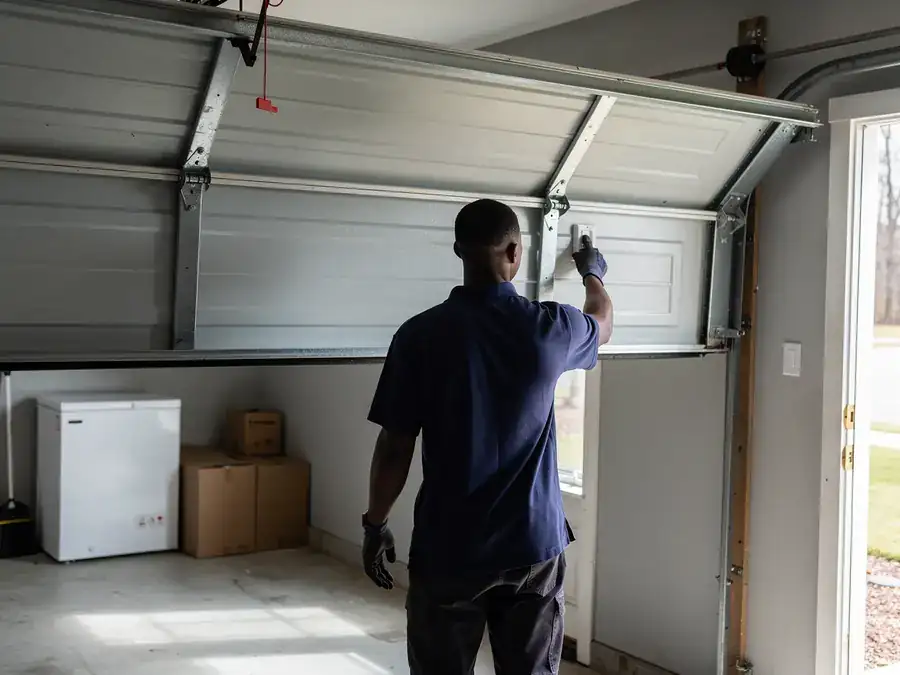
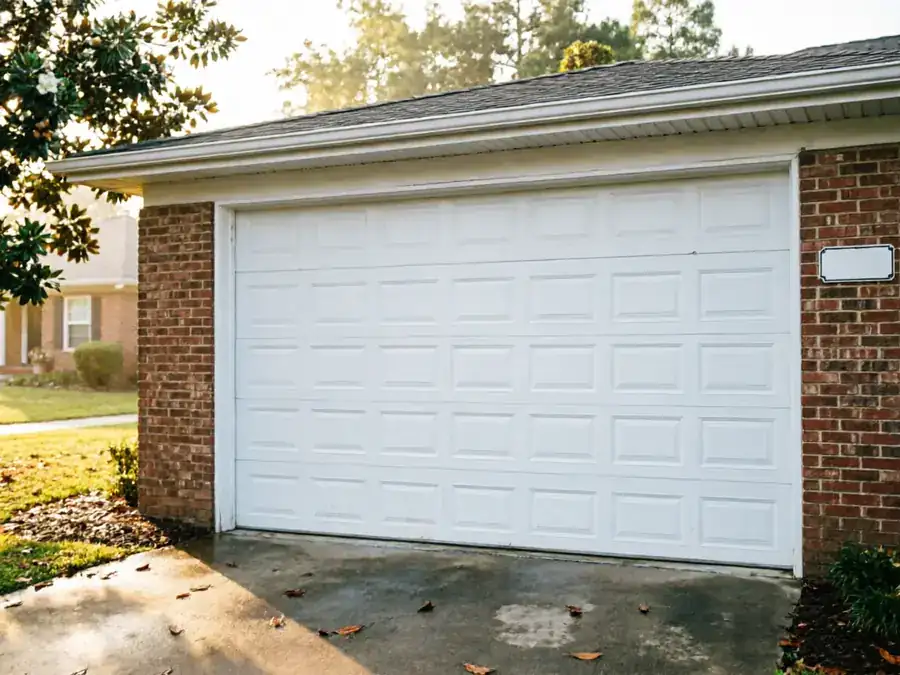
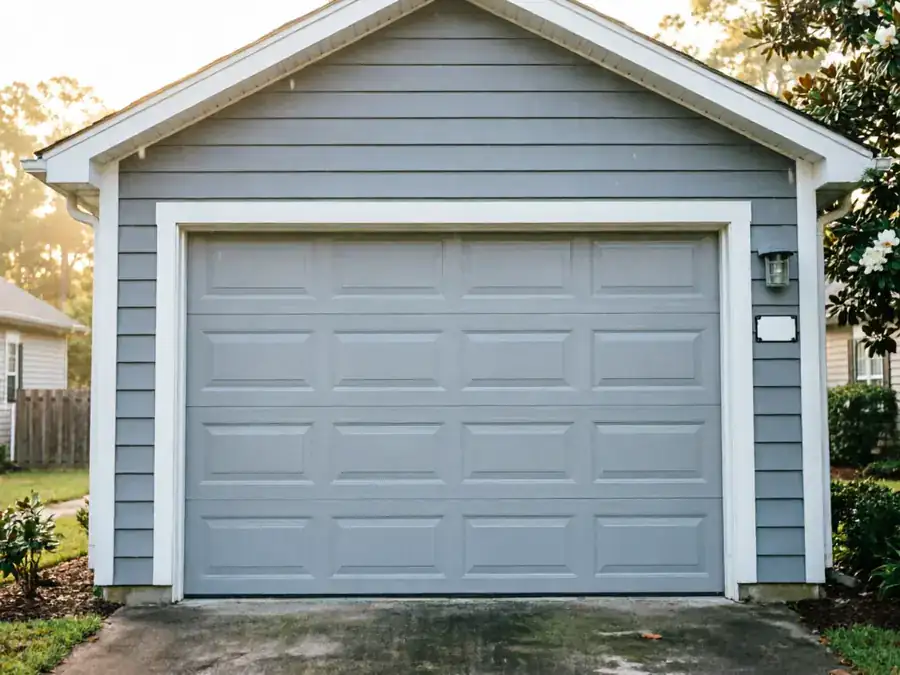
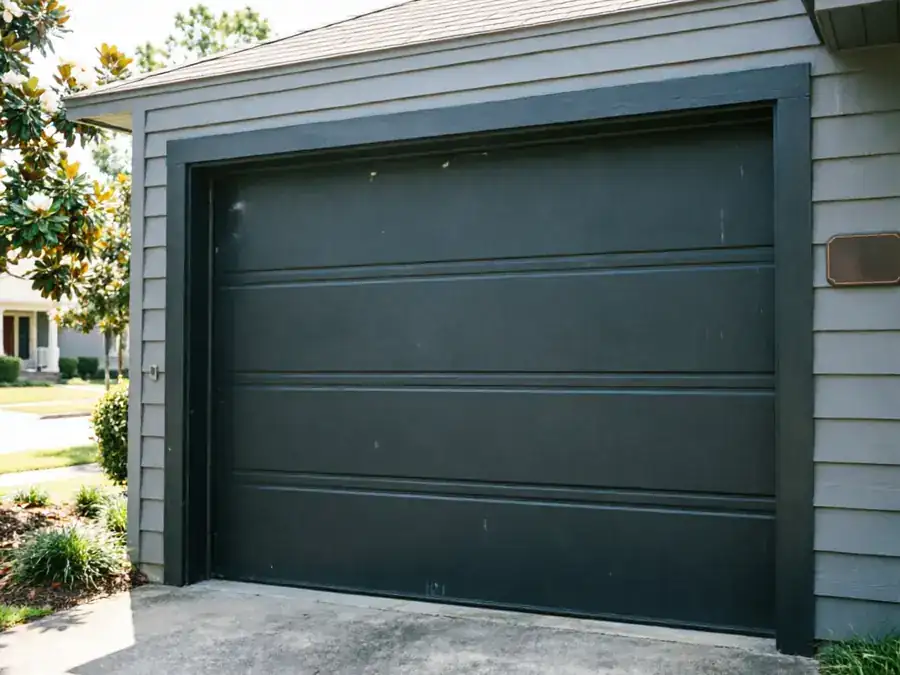
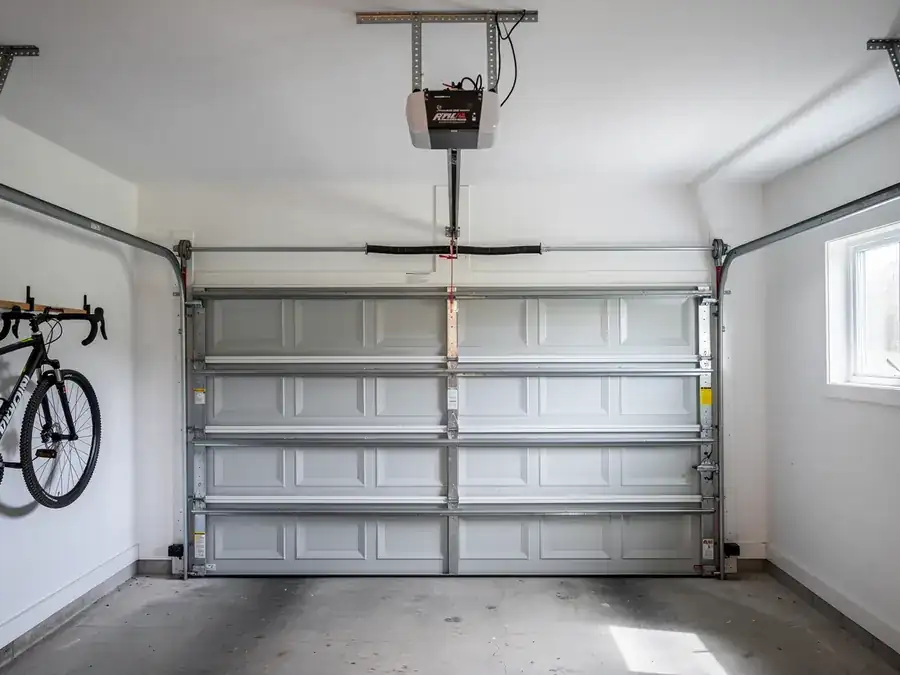
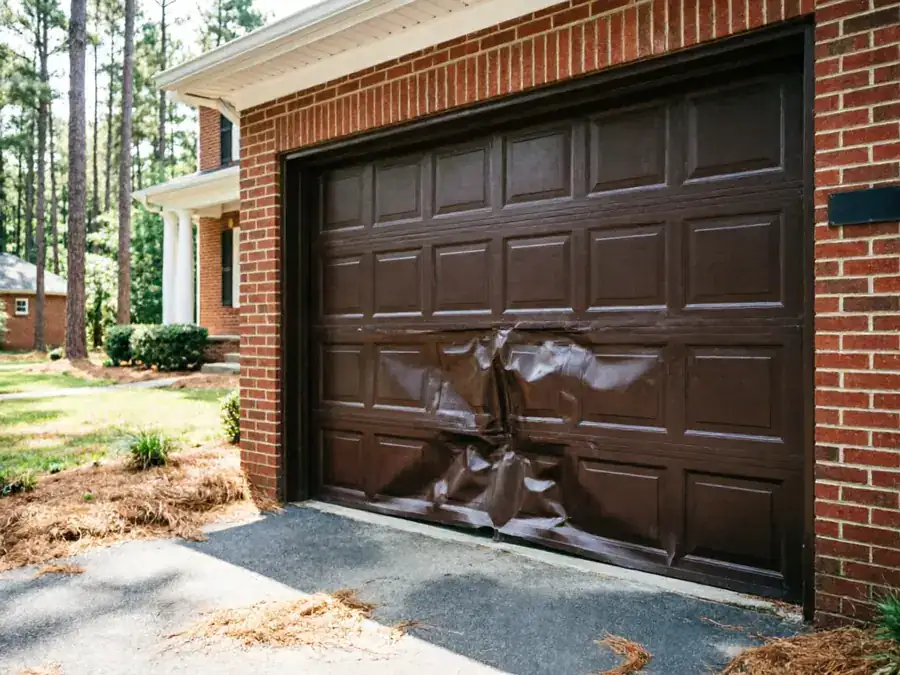
A cracked or caved-in panel usually starts as something small - a bumper tap from a car, a basketball, a ladder leaned the wrong way - and turns into a door that doesn't sit flush in the track anymore. You'll see a visible dent or split in one section, sometimes a gap at the seam where the panel meets its neighbor, and on steel doors, rust starting to bubble through the paint at the damaged spot. On older doors you might also notice the panel bowing when the door is down, which means the steel has lost its stiffness there.
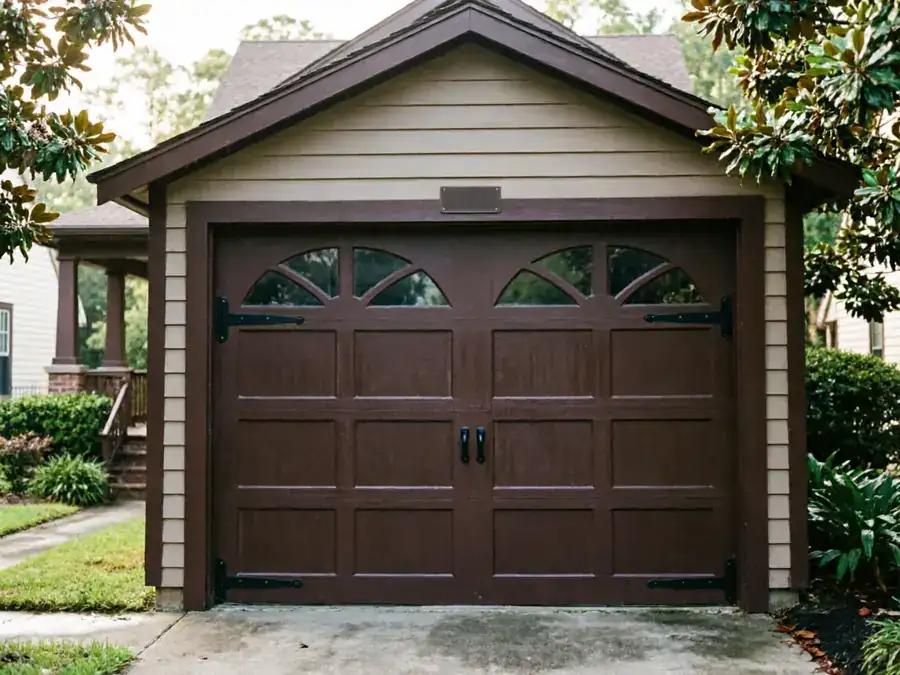
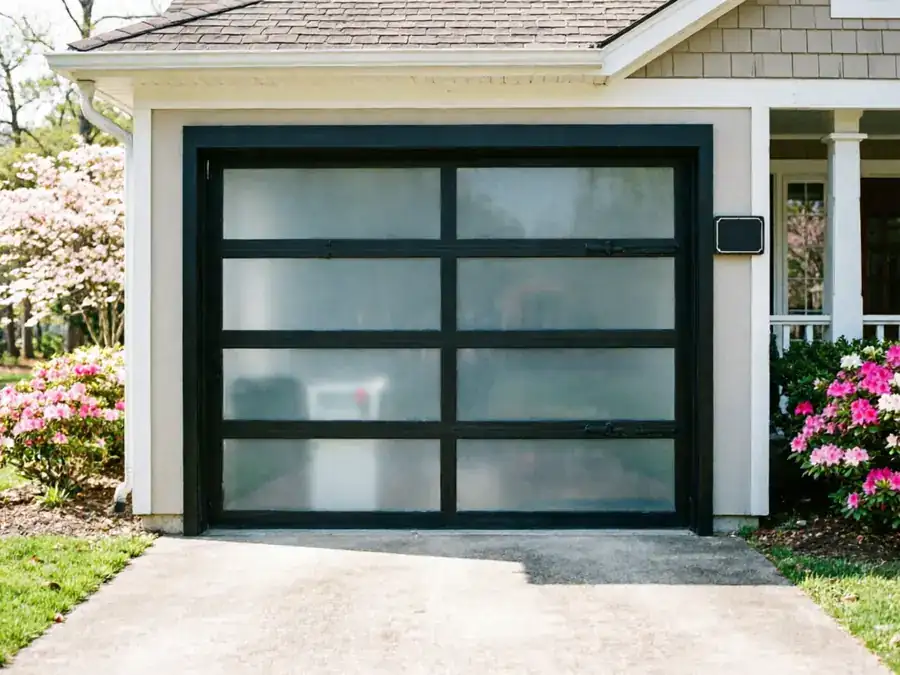
Most of the doors we're called out on across this market were installed somewhere between 1979 and 2006, with the bulk of that stock dating to the 1980s and 90s. That matters because panel designs, hinge spacing, and track widths shifted more than once over that stretch. A panel that looks like a close match at the home center often isn't a true fit once you check the hinge stile and the embossment pattern. We check the full door section before ordering anything, not just the one busted panel.
Why It Happens Here
Fort Mill and the towns around it - Baxter Village, Riverview, Tega Cay, India Hook, Newport, Lesslie, York, Clover, McConnells - sit in a cold-moderate climate band, which means steel panels go through real freeze-thaw cycling in winter without the extreme cold that would make manufacturers spec thicker gauge steel from the factory. That's a long way of saying the original panels on a lot of these doors were built to a standard spec, not a reinforced one, and they dent and flex more easily than owners expect once they're twenty or thirty years old.
Add in that a large share of the housing across this service area was built between 1979 and 2006, with most of it concentrated in the 1980s and 90s. Doors from that era are old enough that the steel has thinned from expansion and contraction, old enough that paint has chalked and let moisture in at the seams, but not so old that they're obvious replace-the-whole-door candidates. That's the exact window where panel damage shows up most and where panel replacement actually makes financial sense instead of a full door swap.
Parts We Carry
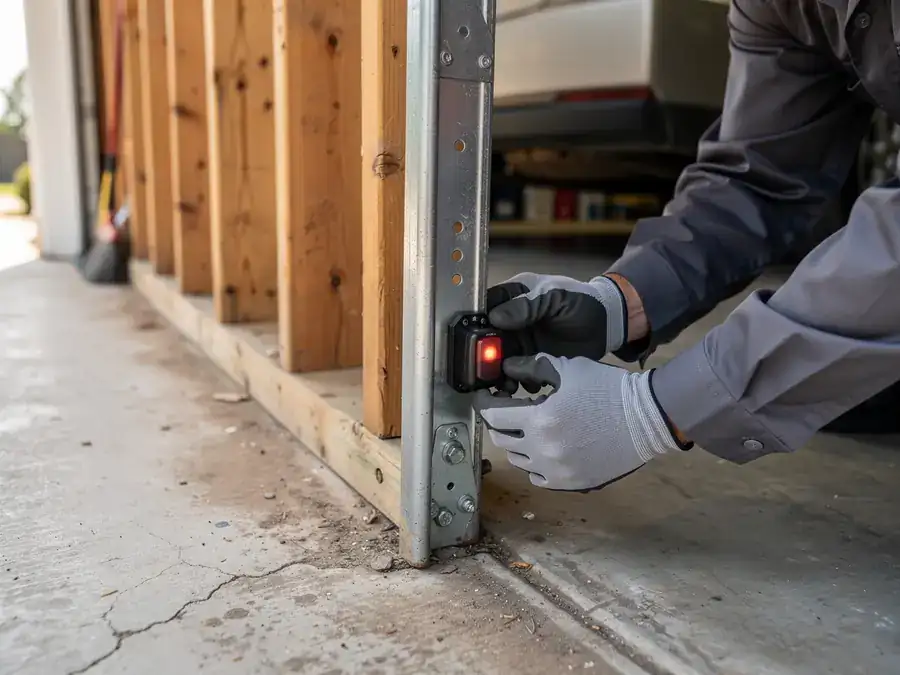
We stock common panel widths and standard embossment styles that match the bulk of what went up during the 1980s-90s building boom in this area, along with the hardware that usually needs replacing alongside a damaged panel - end hinges, center hinges, and the short runs of track that get bent when a panel buckles
For doors on the newer end of the 1979-2006 range, insulated steel panels with foam cores are more common, and we carry matching foam-filled sections for those too.
Here's the honest limit
We don't keep every discontinued color or embossment pattern on the truck, and some older doors used panel profiles that manufacturers simply don't make anymore. When that happens, we'll tell you straight whether a close-enough match is worth it, whether replacing the full door is the better move, or whether the mismatched panel is something you can live with for now while we order a special-match piece. We're not going to sell you a door you don't need.
What the Repair Takes
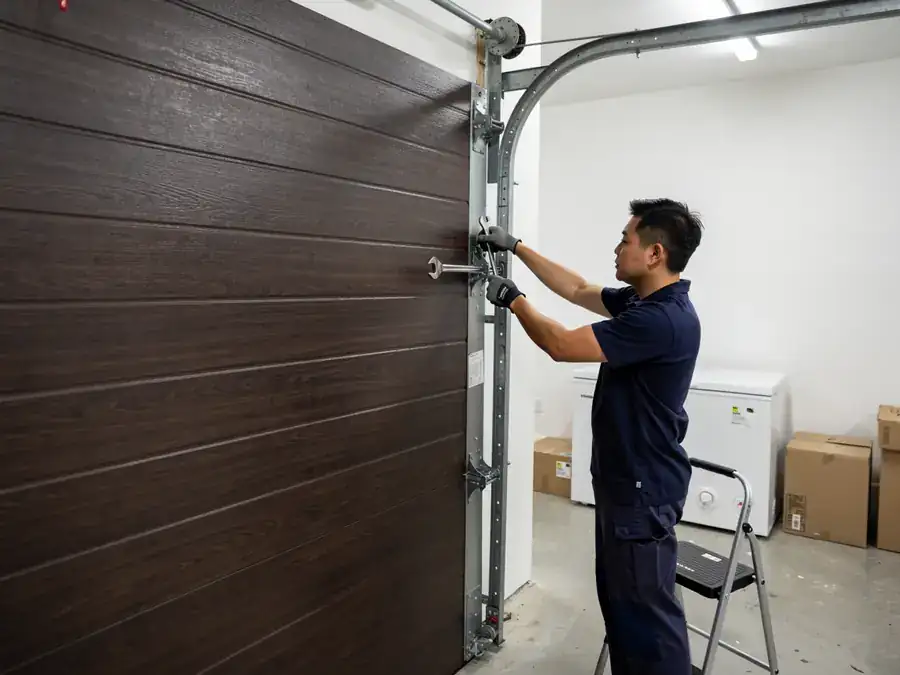
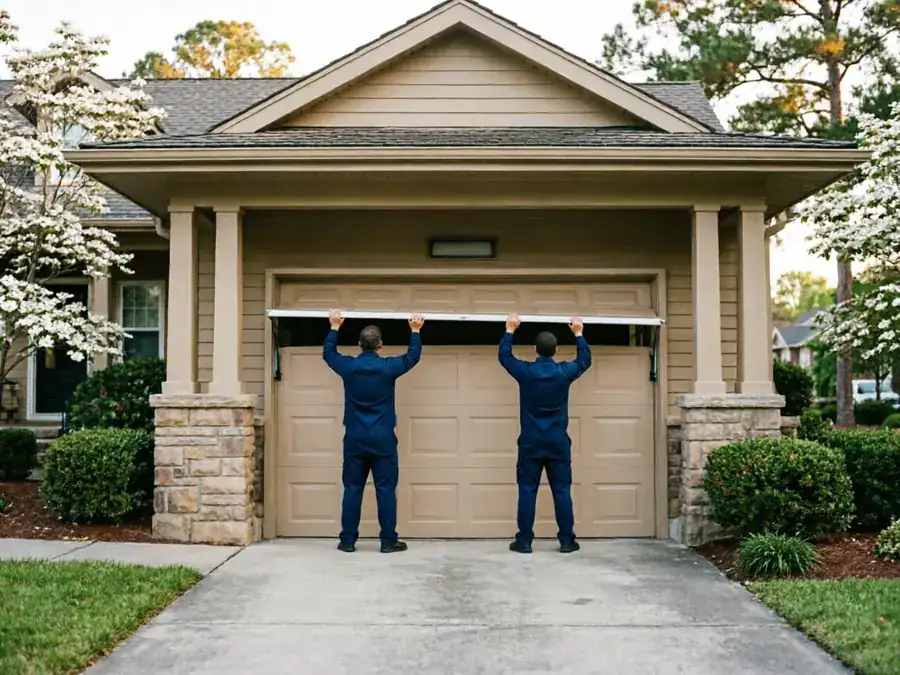
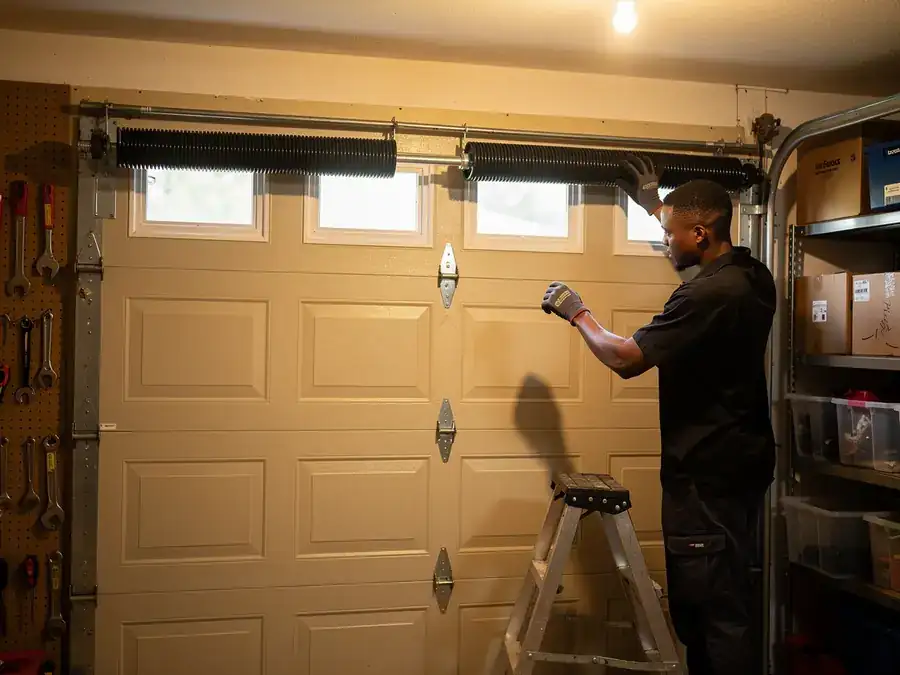
A single panel swap is usually a same-visit job once we've confirmed the match - the door comes off its hinges one section at a time, the damaged panel comes out, hinges get reset, and the door goes back into track and gets balanced. If the panel also took out a hinge or bent the track, that gets straightened or swapped at the same time.
What takes longer is anything requiring a special-order match, which happens more often than you'd think with the mix of door ages across this area - a panel from a 1985 build and one from a 2004 build are not interchangeable even if they look similar in a driveway. We'll give you a straight answer on whether your panel is a stock item or a special order before we start, not after.