What Was Built Here
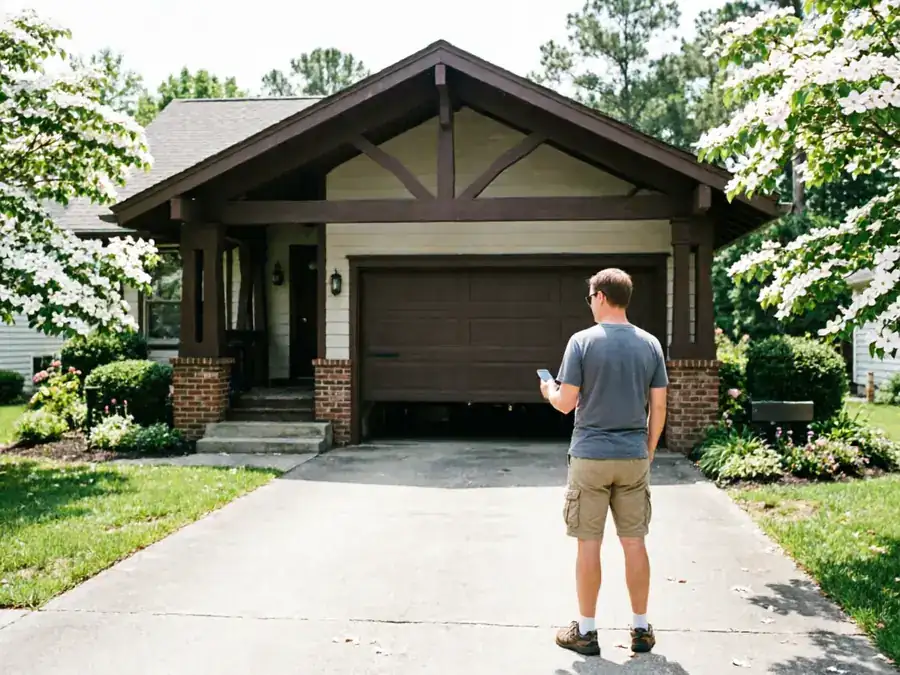
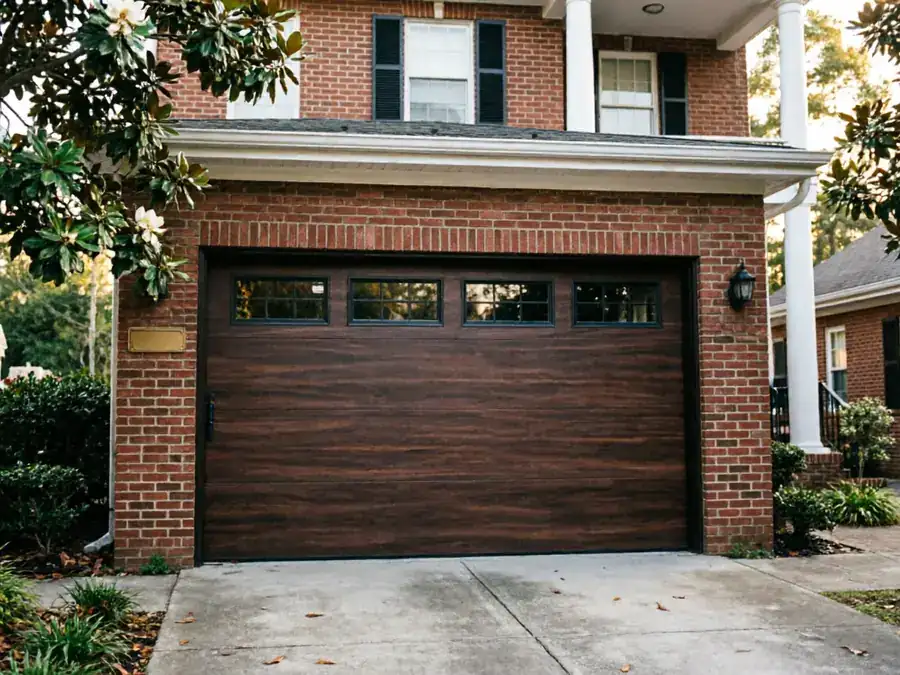
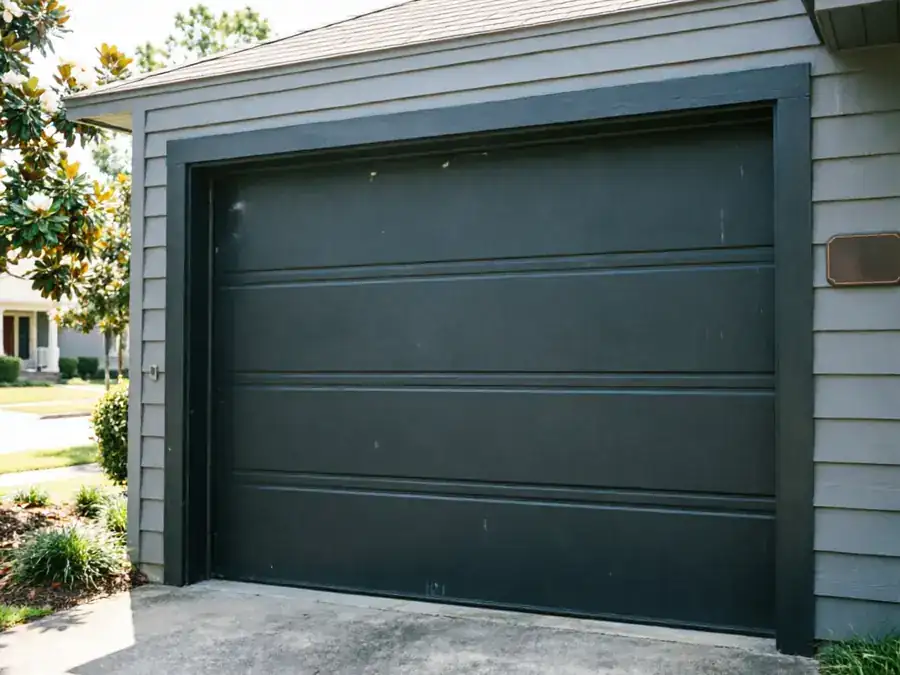
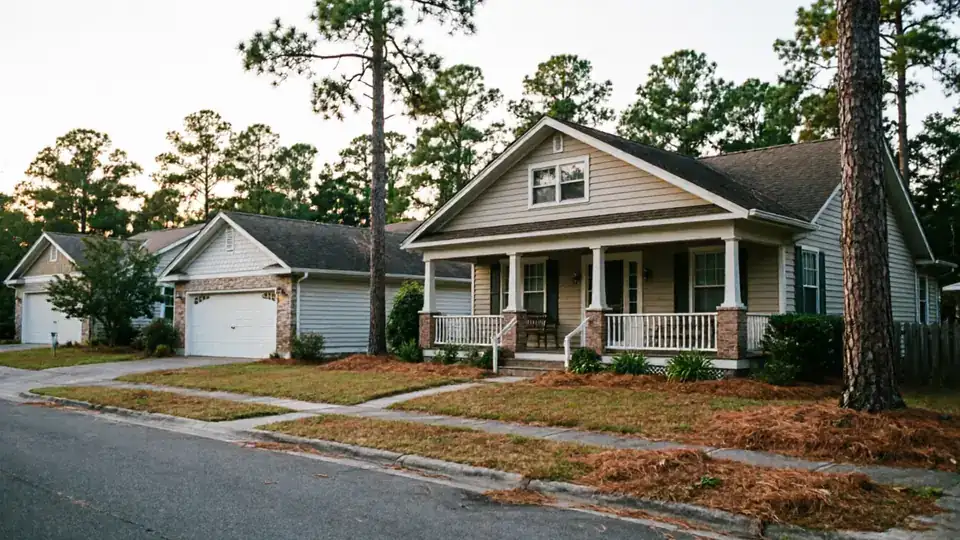
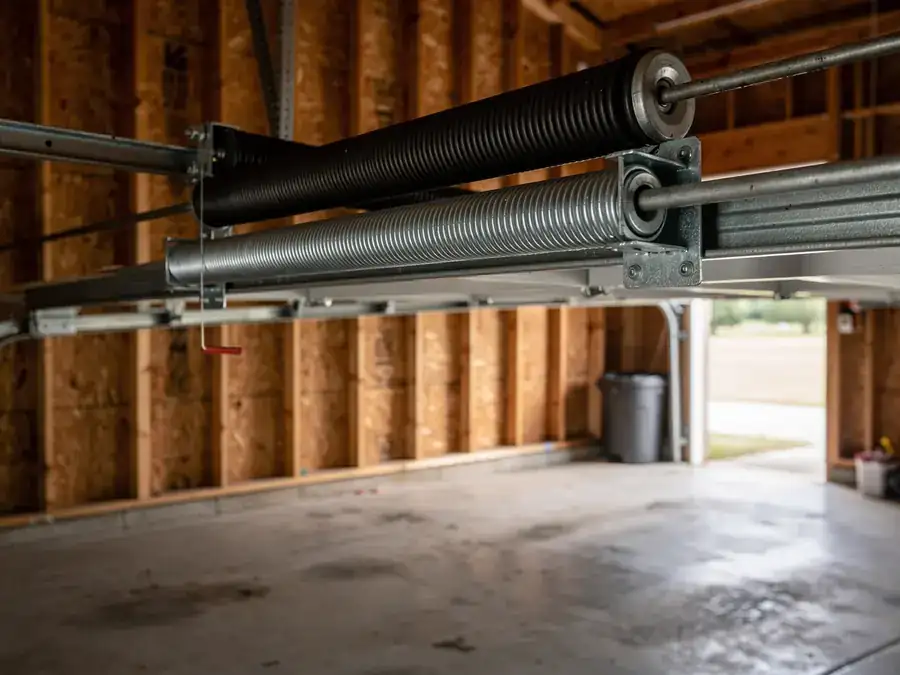
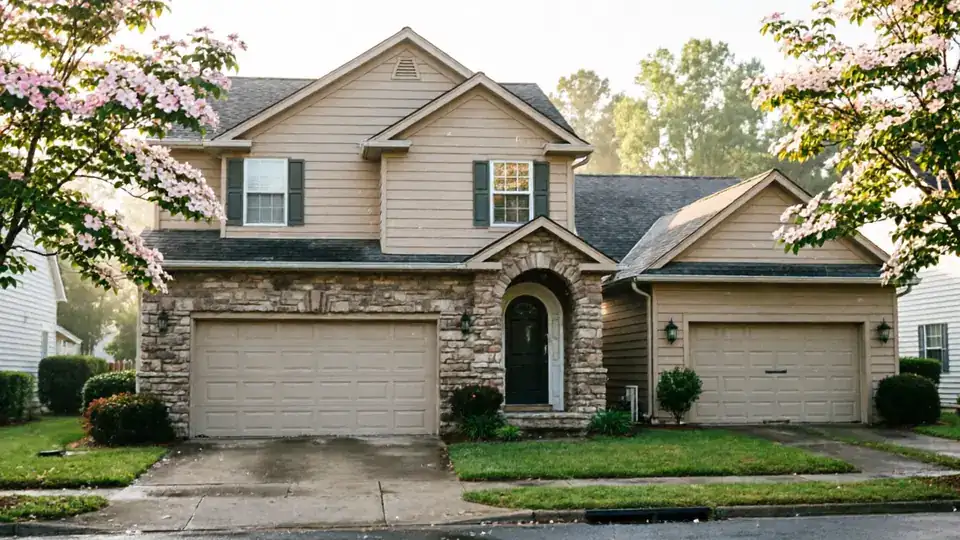
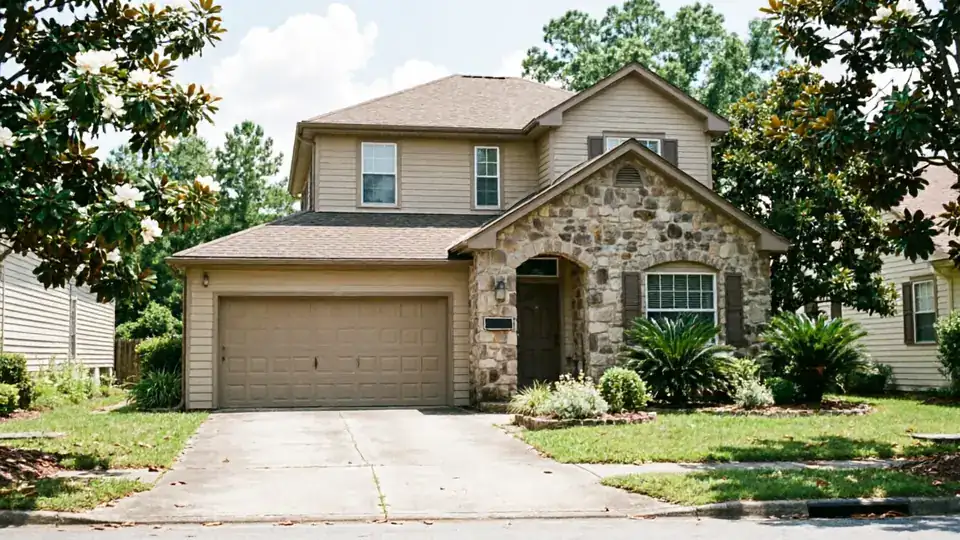
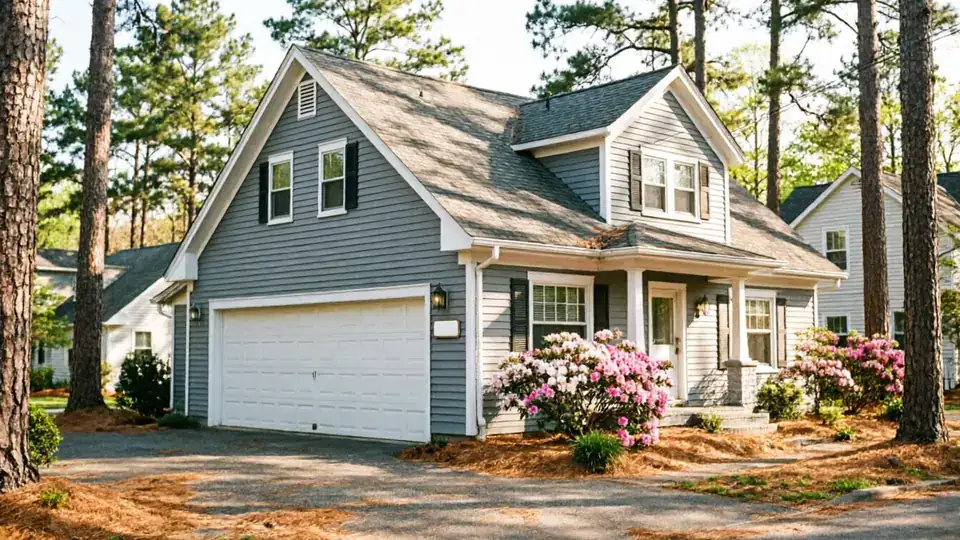
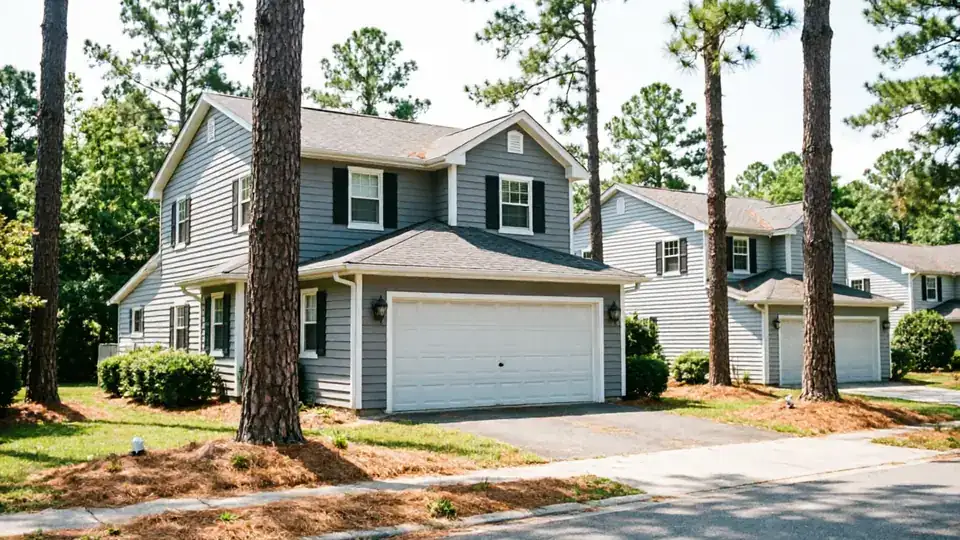
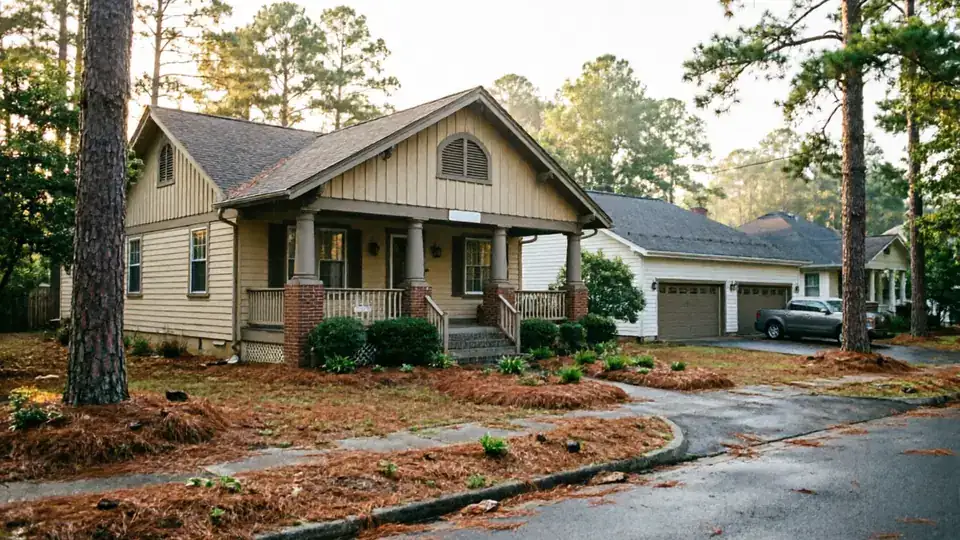
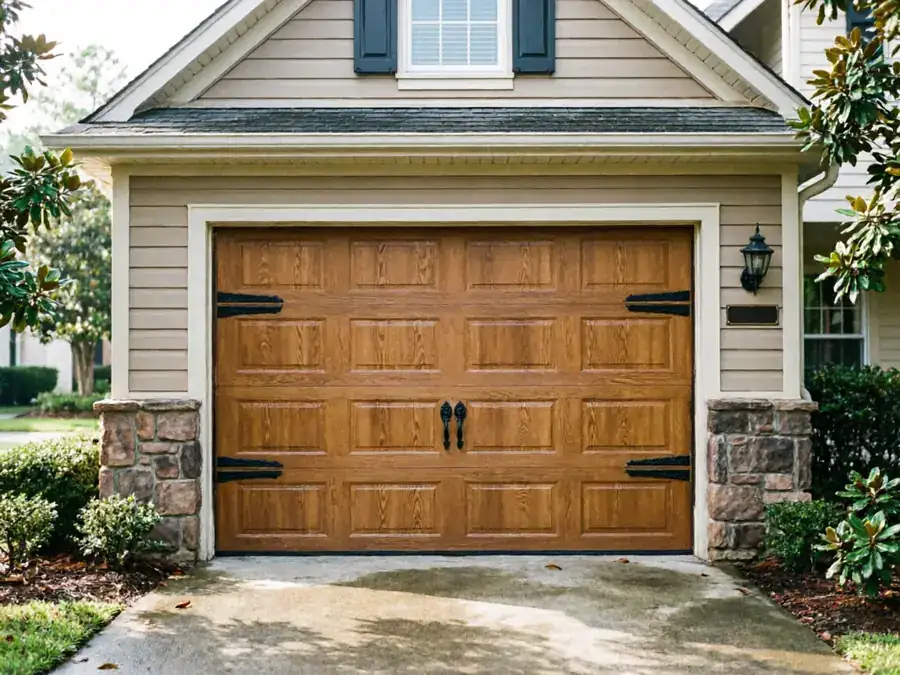
Tega Cay skews newer than most of the territory we cover. The median build year here is 2006, well past the 1997 median for the wider Fort Mill service area, which runs from houses as old as 1979 up through 2006 across nine named communities. That gap matters. A lot of Tega Cay's housing went up in the late 1990s and 2000s boom years, which means you're far more likely to have a steel sectional door on a lifted, longer-cycle torsion spring than the older 1980s single-layer doors we still see in some of the other areas we serve. With 4,775 households in Tega Cay and a median income of $141,037, well above the $94,505 median for the broader service area, a lot of these garages were built or retrofitted with heavier insulated doors and belt-drive openers rather than the bare-bones chain drives that came standard in the older stock nearby. That changes what breaks, and it changes what it costs to fix it right.
When We Can Get There
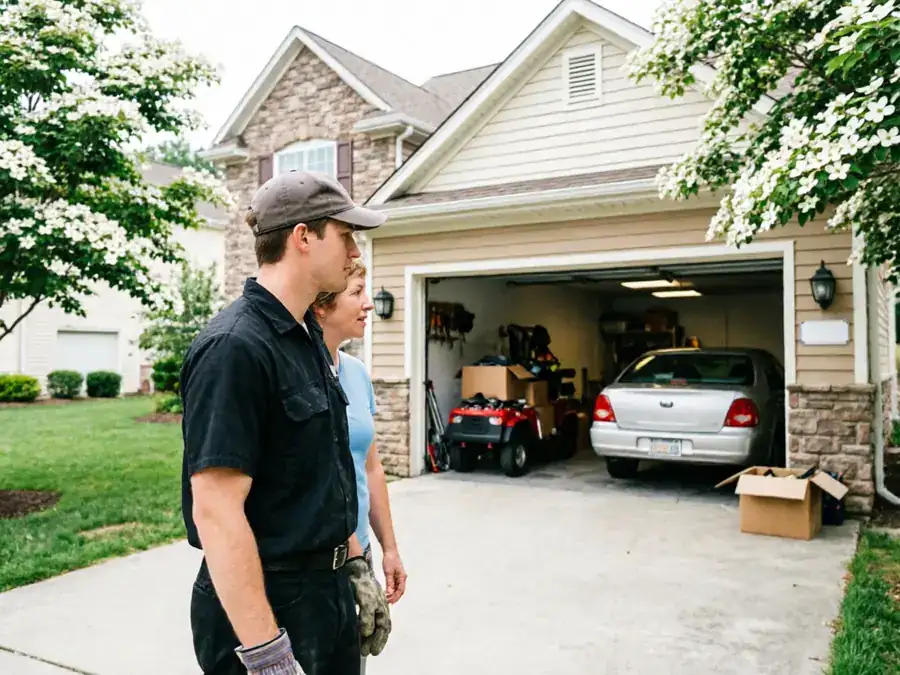
We run out of Fort Mill, and Tega Cay sits about 5 miles out, one of the closer stops on our route alongside Baxter Village and Riverview. We don't keep a crew stationed in Tega Cay and we're not going to pretend we do. What that 5-mile distance means in practice is that a same-day call here isn't a long haul for the truck, but we still book around the rest of the day's jobs in Fort Mill, Baxter Village, and Riverview first since those are closer in. If your opener dies on a Tuesday morning, say so when you call, and we'll tell you honestly where you land in the day rather than promise a window we can't hit.
How That Shows Up in the Door
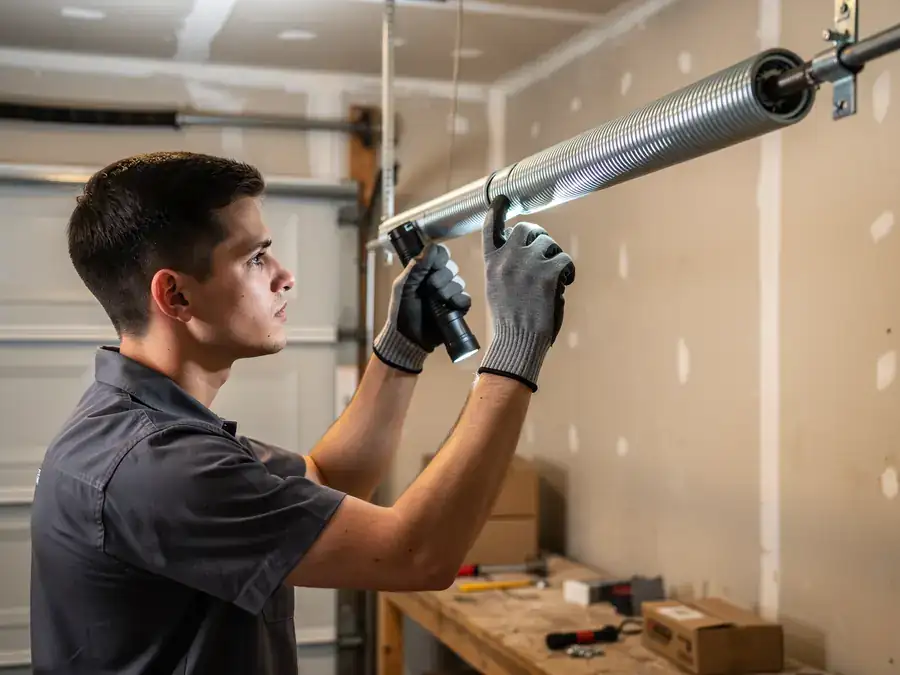
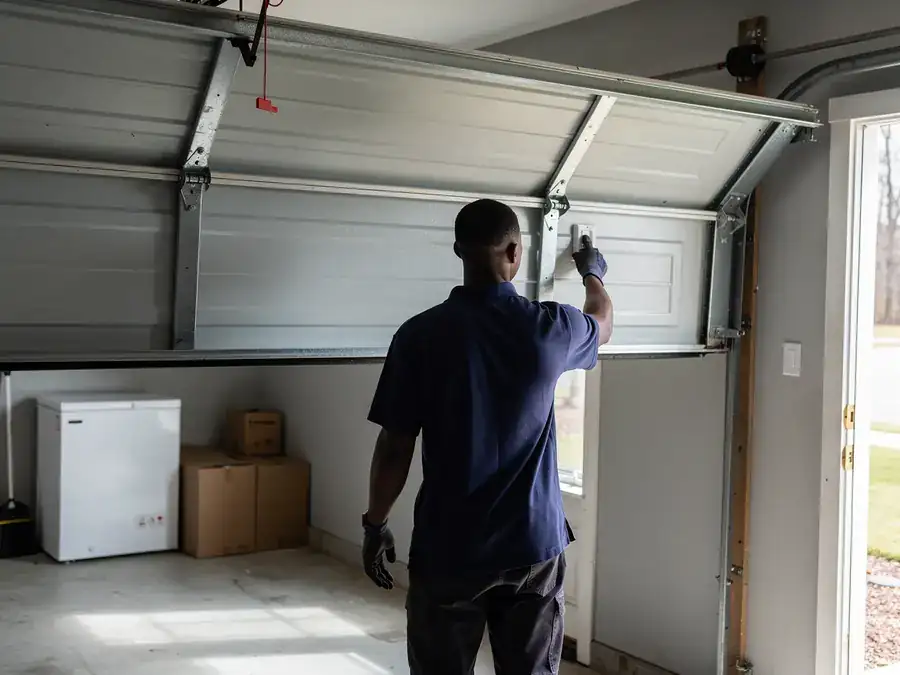
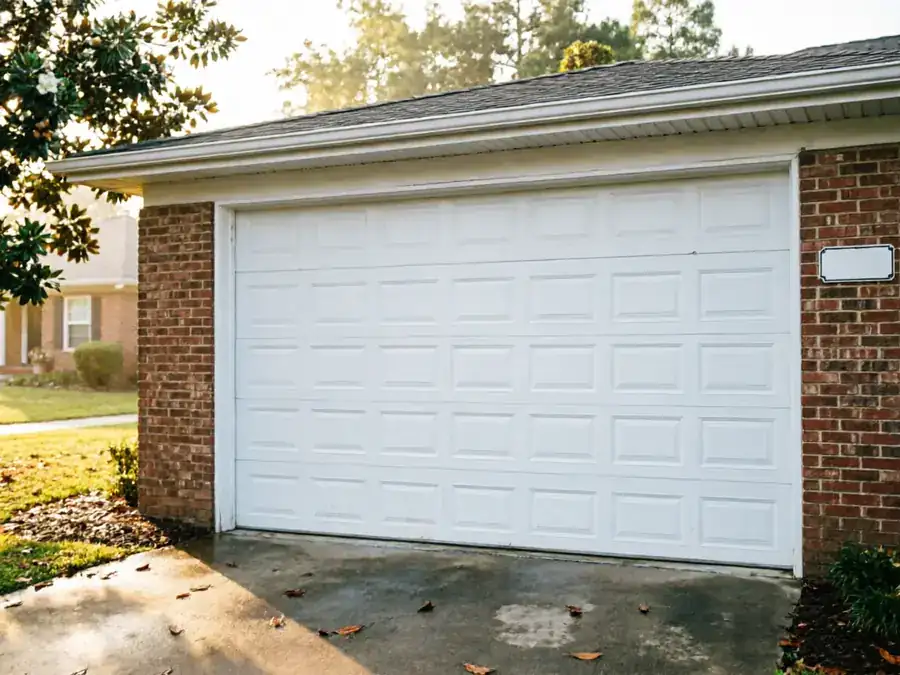
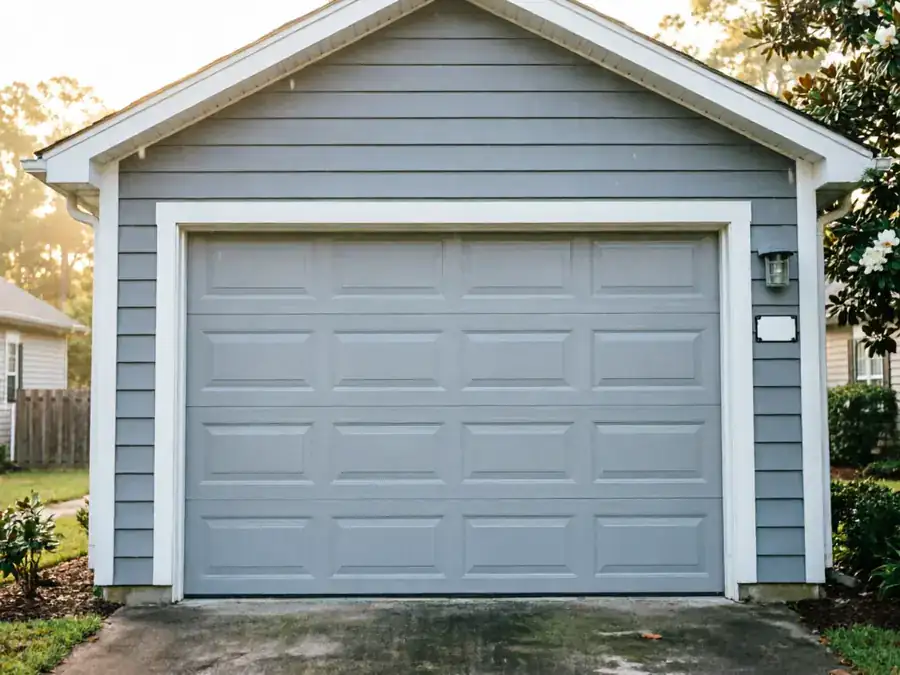
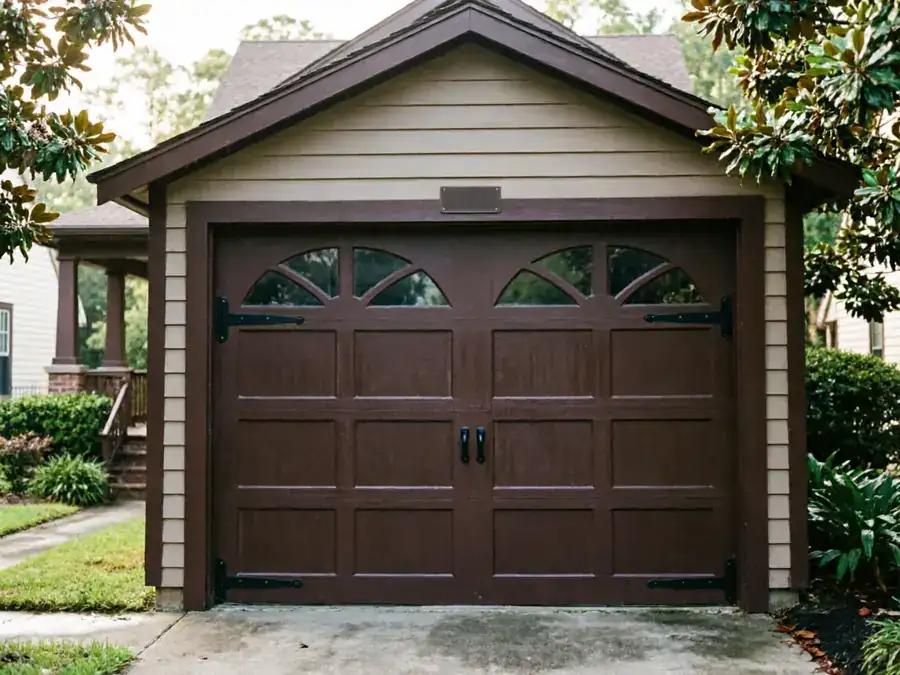
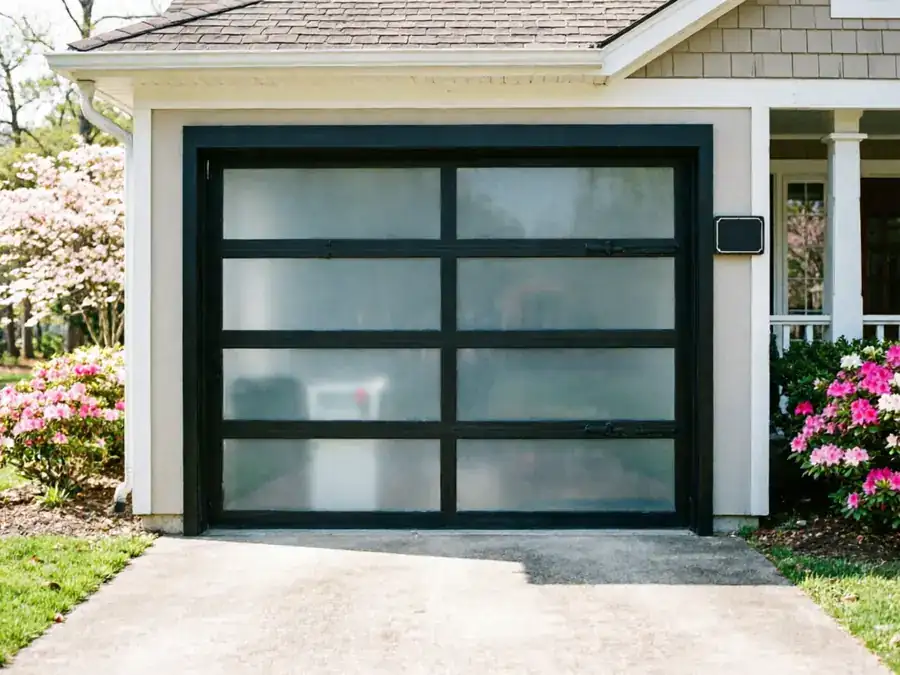
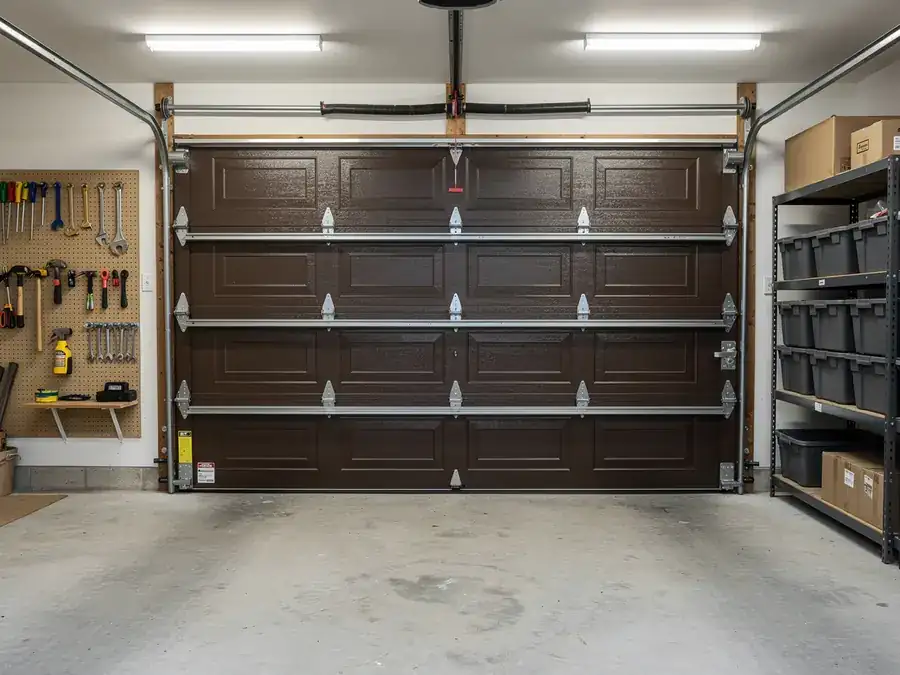
Because Tega Cay's housing stock leans newer, the failures we see here skew differently than in older sections of the territory. Insulated steel doors from the 2000s era crack less at the panel but lean harder on their torsion springs and on opener logic boards, since most of these garages run a motorized opener as standard rather than an add-on. We see more opener sensor and circuit failures here, and fewer of the rusted-through single-layer panels that show up on 1980s doors elsewhere in the service area. Climate plays a role too: this is a moderate-cold band, so winter cold snaps still stiffen springs and slow opener response, but the newer doors here handle that better than the older stock since they were built with current weatherstripping and better-sealed bottom seals from the start.