What It Costs
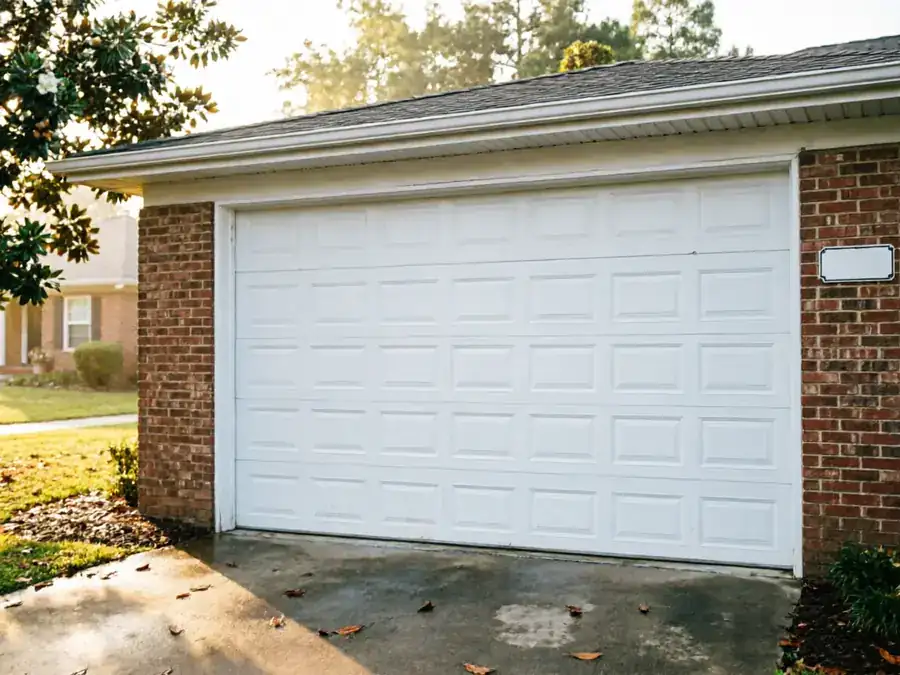
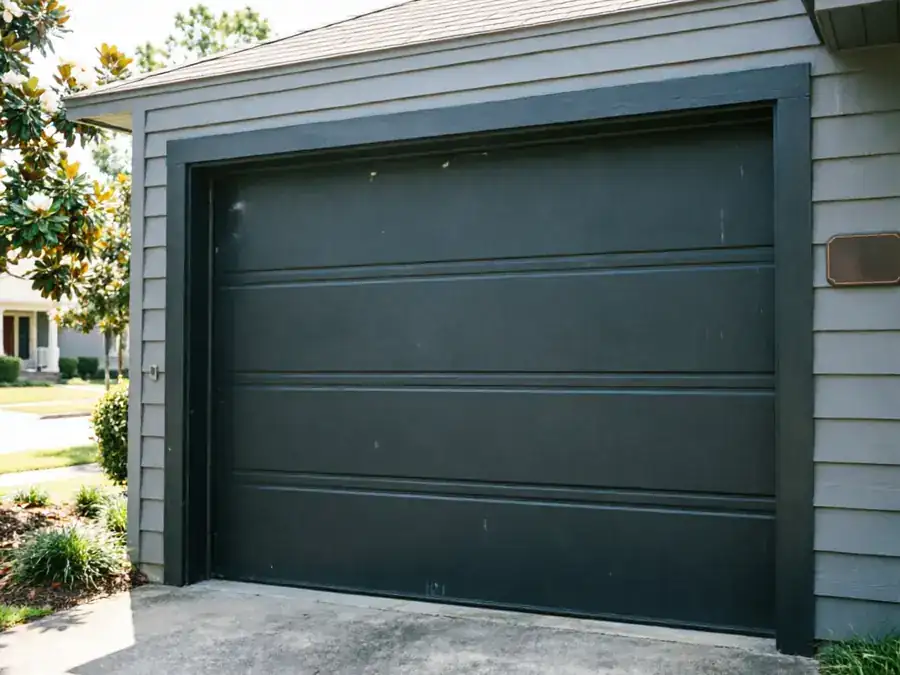
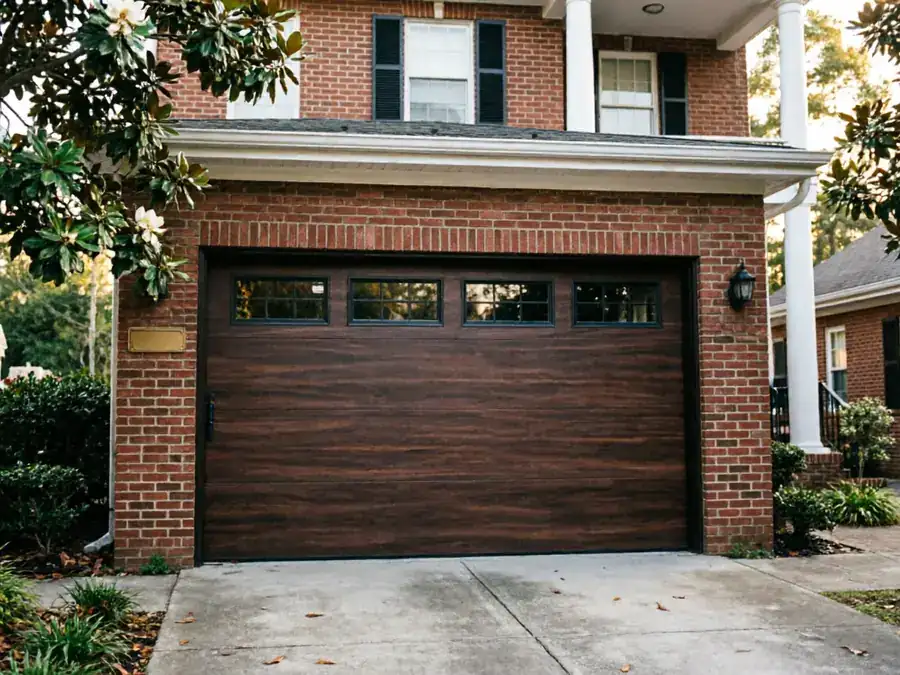
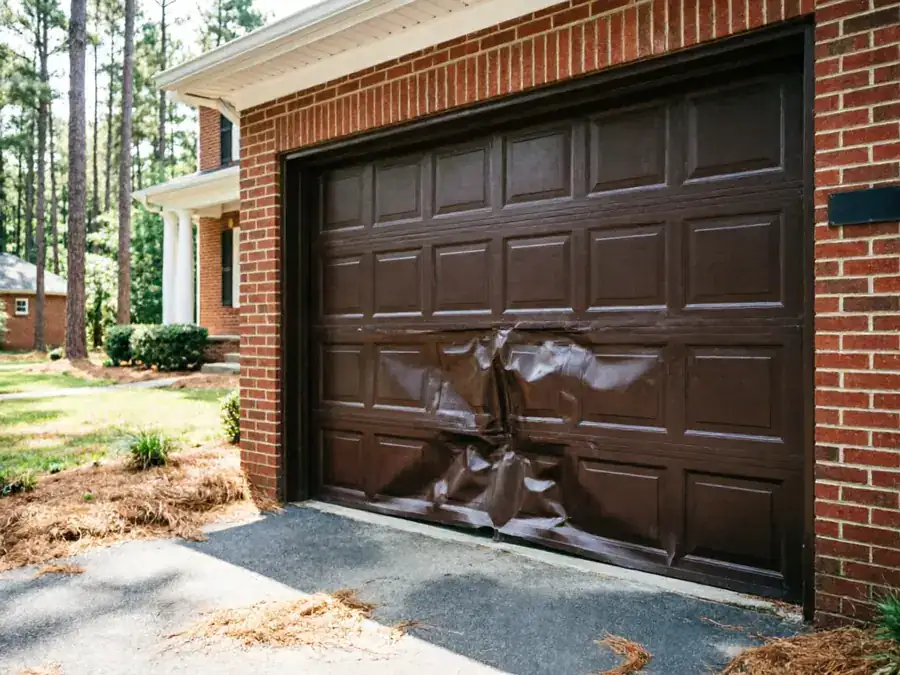
We can't give you a number here without seeing the door. What we can tell you is what moves the price around in a neighborhood like this. Tega Cay's housing stock sits at the newer end of the region's 1979-2006 build window, with a median year built close to 2006. That means most doors out here are factory-insulated steel, built in matched color runs that a builder picked once and a manufacturer may or may not still make. If your door is a common builder white or almond, a single panel swap is usually straightforward. If it's a custom stain or a discontinued composite finish from a 2003-2006 development run, sourcing a matching panel costs more and takes longer than the labor itself. Full door replacement sometimes ends up cheaper than chasing one obsolete panel - we'll tell you straight if that's where your job is headed instead of running up a bill trying to match something the mill stopped making years ago. We quote after we look at the door, the model plate, and what's actually available, not off a phone estimate.
Can You Do This Yourself
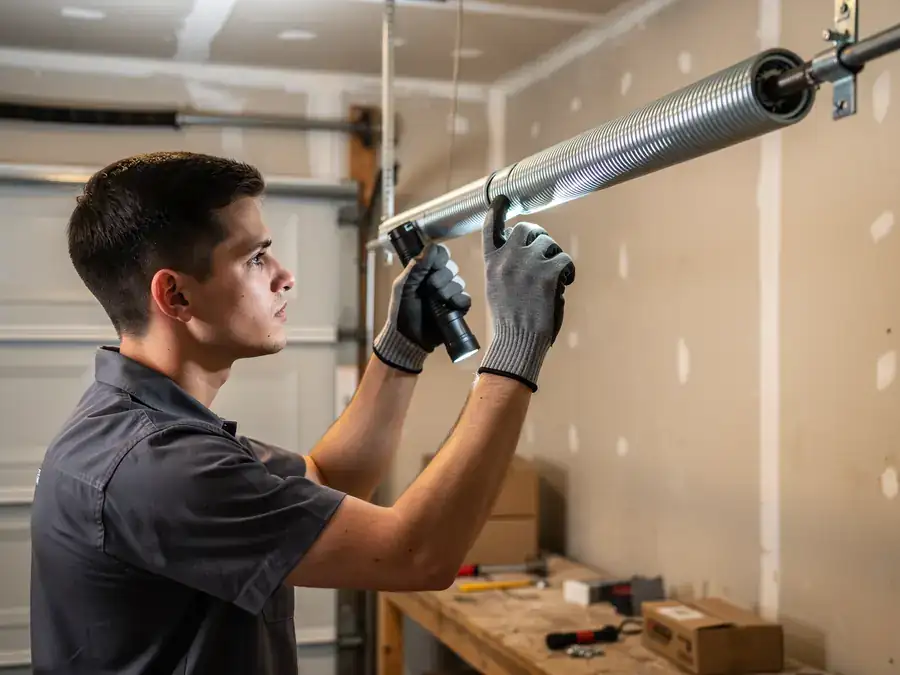
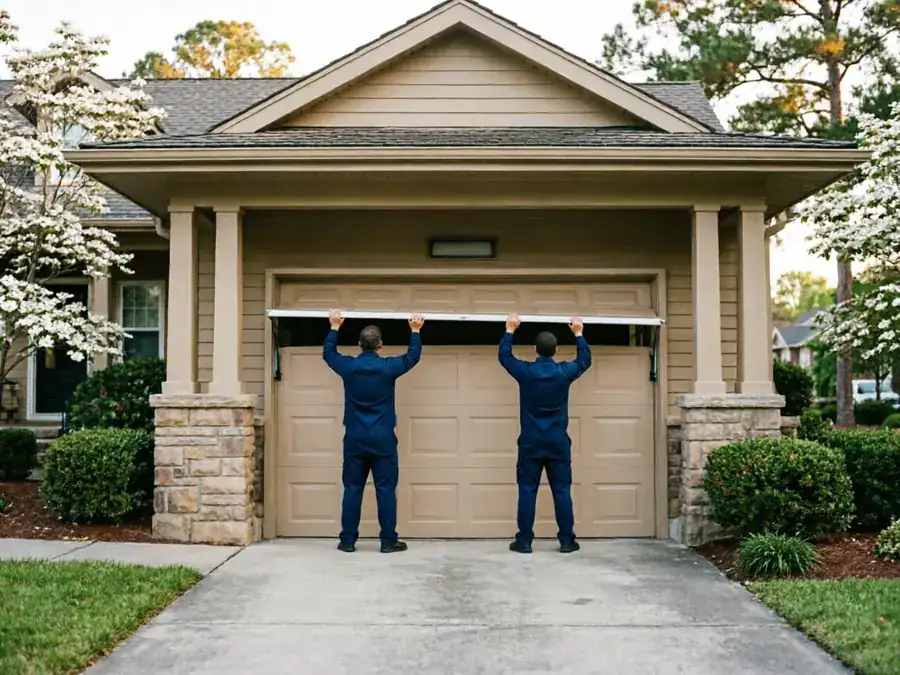
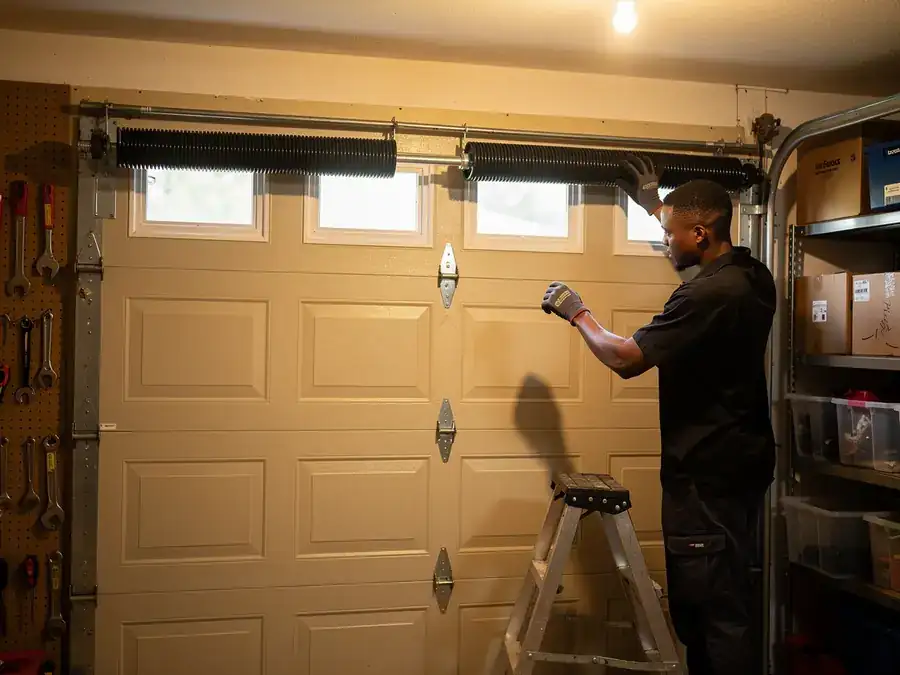
A single cosmetic dent on a non-structural section, sure, some owners tackle that with a panel puller and patience. But insulated steel panels on doors from this era are heavier than the hollow single-layer doors common on older stock, and they're usually set with torsion springs under real tension holding the whole assembly up while you work. Pull the wrong bolt pattern on a panel that's tied into the vertical track and you can bow the track or drop the section on your hand. If the damage is limited to the skin and the door still tracks straight, a DIY skin repair kit might hold. If the panel is structural - bottom section, the one carrying the opener arm or the bottom brackets - that's not a Saturday project. Call it in.
Where This Job Goes Sideways
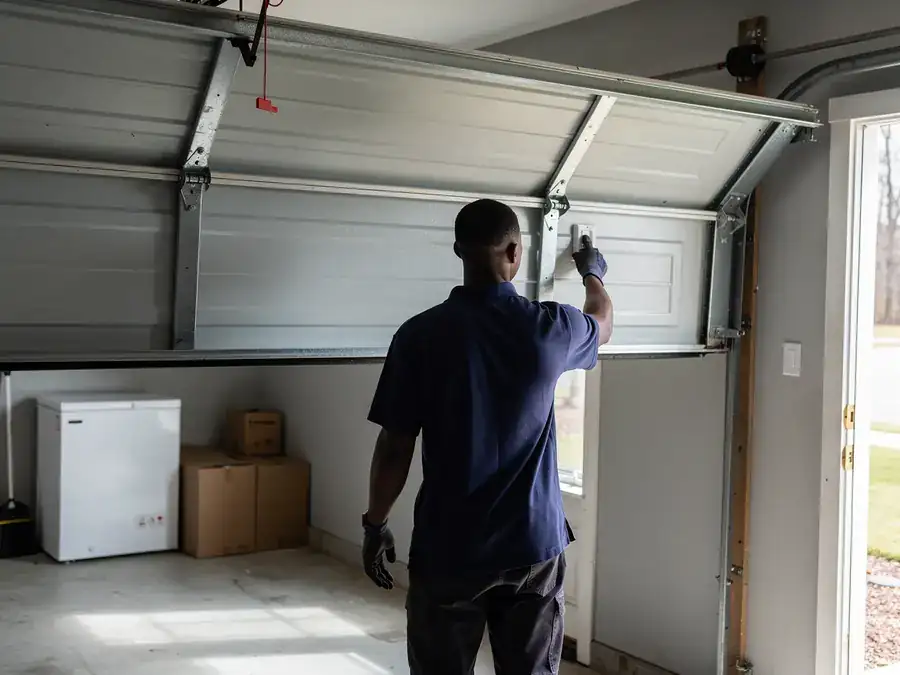
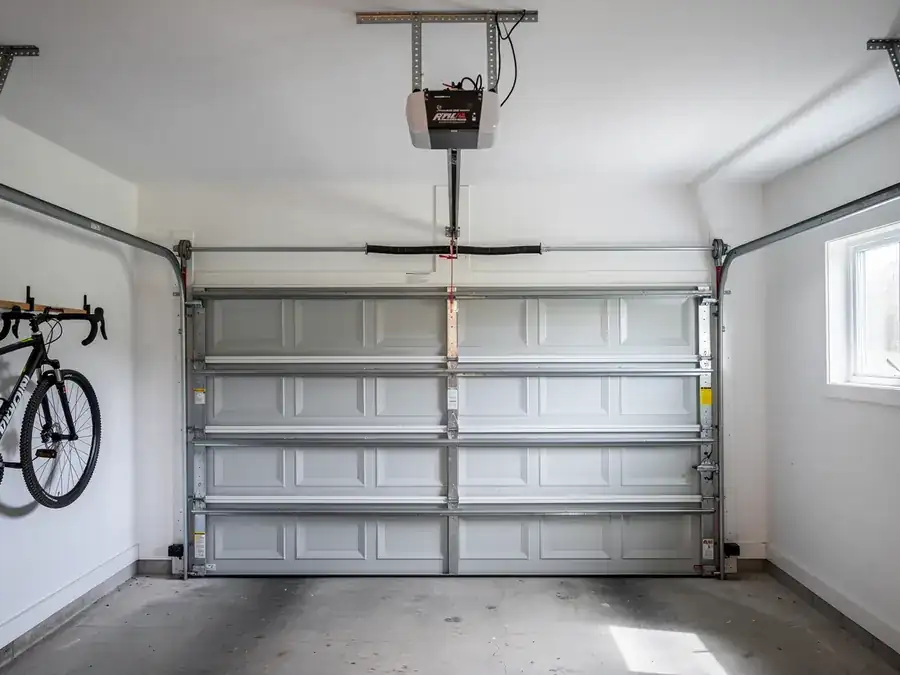
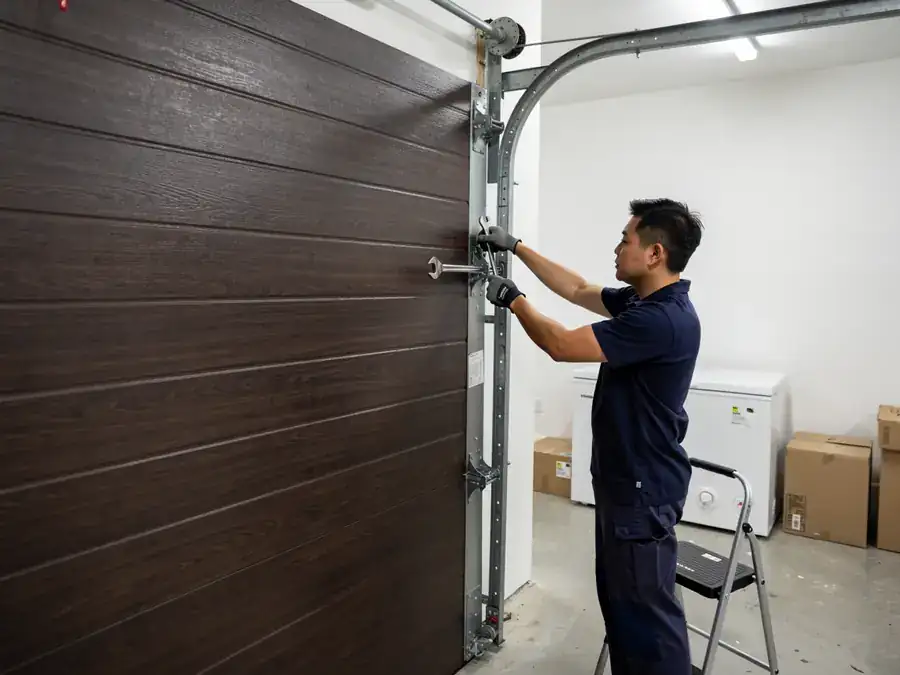
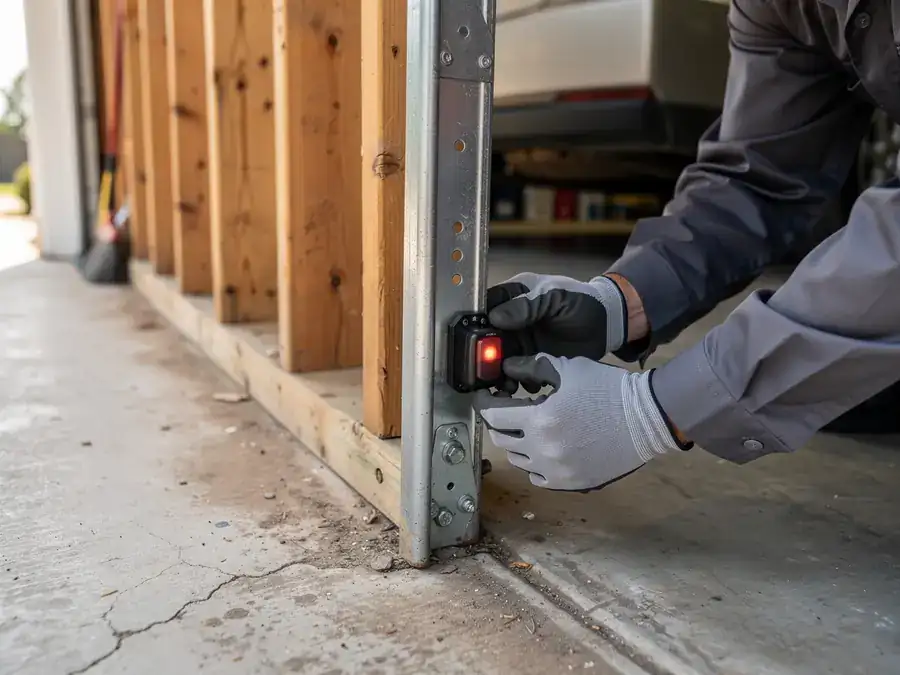
The panel is rarely the whole story. On doors from this build era, a hard impact that dents one section often tweaks the vertical track behind it just enough that the door doesn't bind right away - it starts rubbing a roller, then a hinge, then six months later you've got a door that won't close square. We check track plumb and hinge condition on every panel job, not just the section you called about. Cold-climate seam flex is the other one: insulated panels expand and contract at the foam-to-steel bond line, and on a door that's already fifteen-plus years old that bond can start separating right where a replacement panel has to seat against it. If the neighboring panels are already loose at the seam, swapping just the damaged one buys you a few months before the next one fails.
Parts We Carry
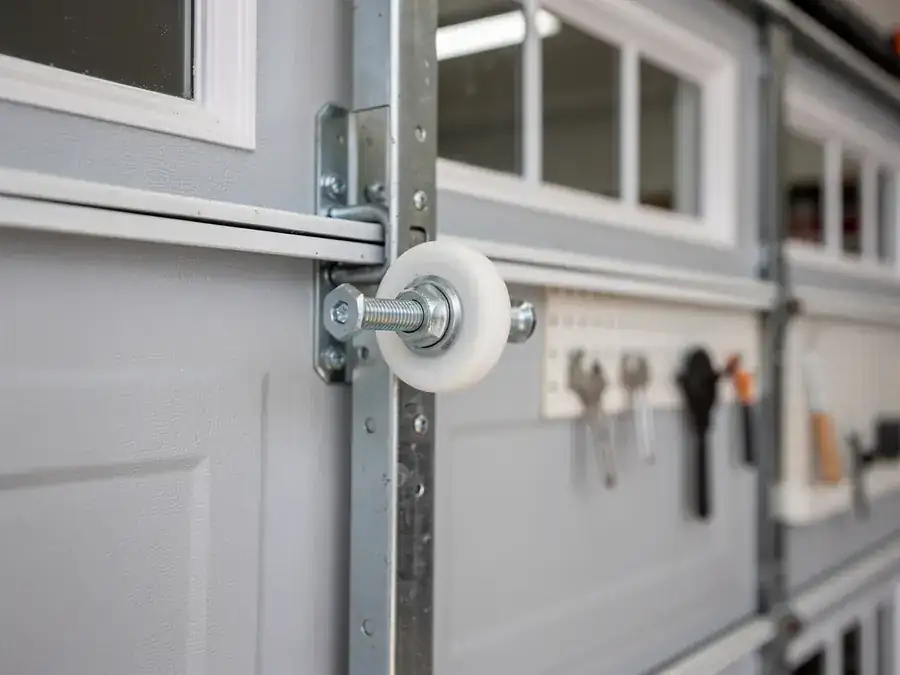
We stock steel panel sections in the standard residential widths and the common insulated builder-grade profiles you'll find on doors from the 2000s construction wave, along with the hinges, rollers, and seals that usually fail alongside a cracked panel. Standard colors - white, almond, sandtone - we can usually source fast. Custom or discontinued builder finishes from a specific development run are the ones that take a special order, and we won't promise a color match we haven't confirmed with the manufacturer first. We don't carry every panel profile ever made; if your door is an unusual import or a custom millwork job, we'll tell you that up front rather than make you wait on a part we can't actually get.