What It Costs
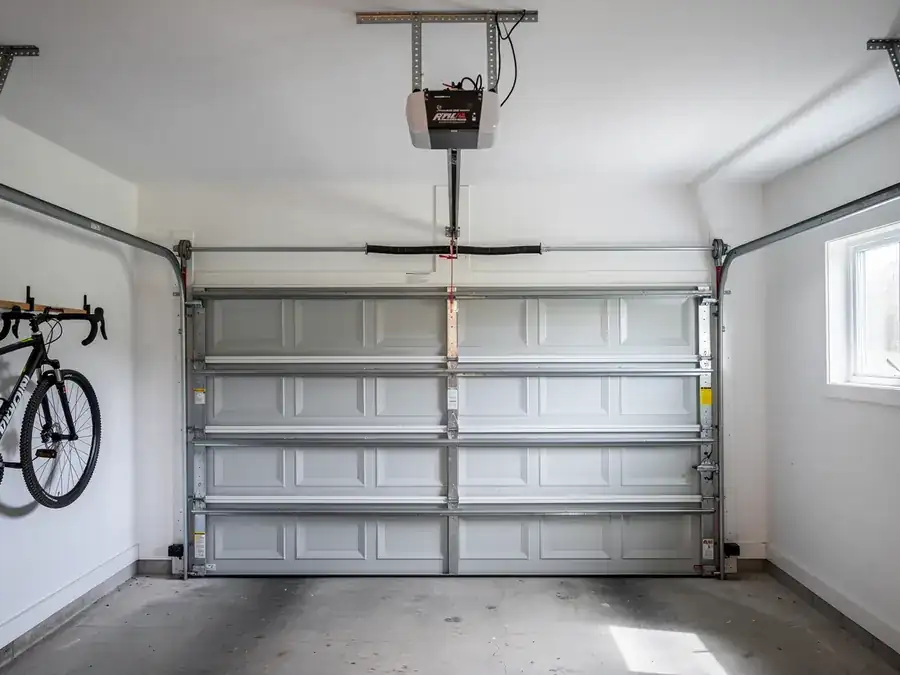
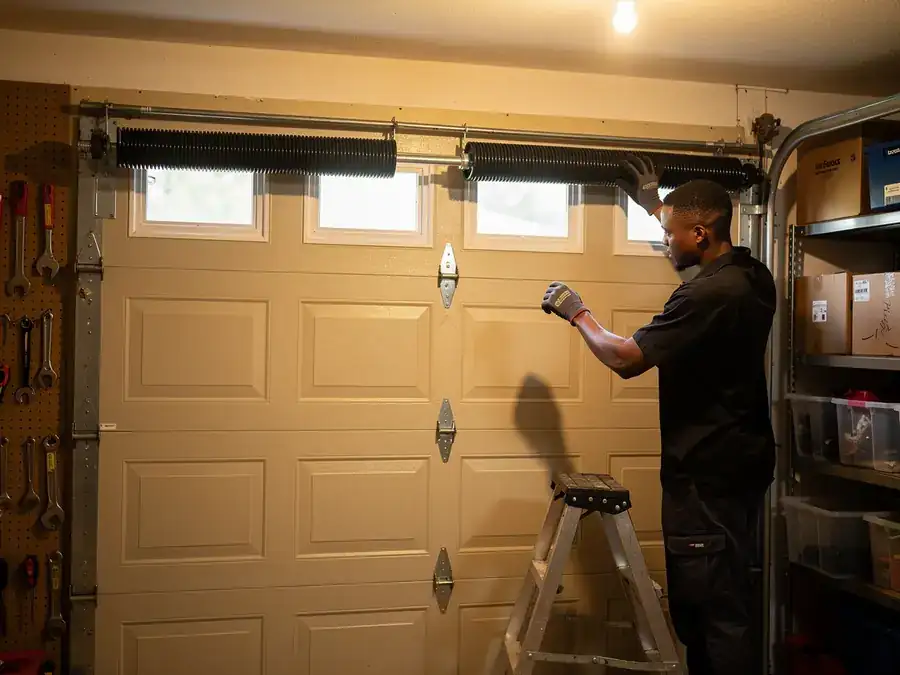
We don't post a flat number here because the fix depends on what's actually broken, and Tega Cay's housing stock throws a specific wrinkle into that. Most houses in this area were built around 2006, meaning the original garage door hardware is a factory-installed torsion spring system rated for a set number of cycles - typically somewhere in the 10,000-cycle range. Nearly twenty years of daily openings later, a lot of those springs are at or past that line, and a spring job costs differently than a cable, roller, or opener repair. We price per job once we've looked at the door, not off a town-wide average. One thing worth knowing up front: if the opener is original to a 2006 build, replacing just the spring sometimes exposes a tired opener motor that was already working harder than it should. We'll tell you if that's what we're seeing instead of just swapping the part you called about.
Tega Cay's median household income runs well above the wider Fort Mill service area, and we see that reflected in what people choose once we're on site - more owners here opt for steel insulated doors and belt-drive openers over the cheapest fix available, not because we push it, but because it's what tends to get asked for.
Can You Do This Yourself
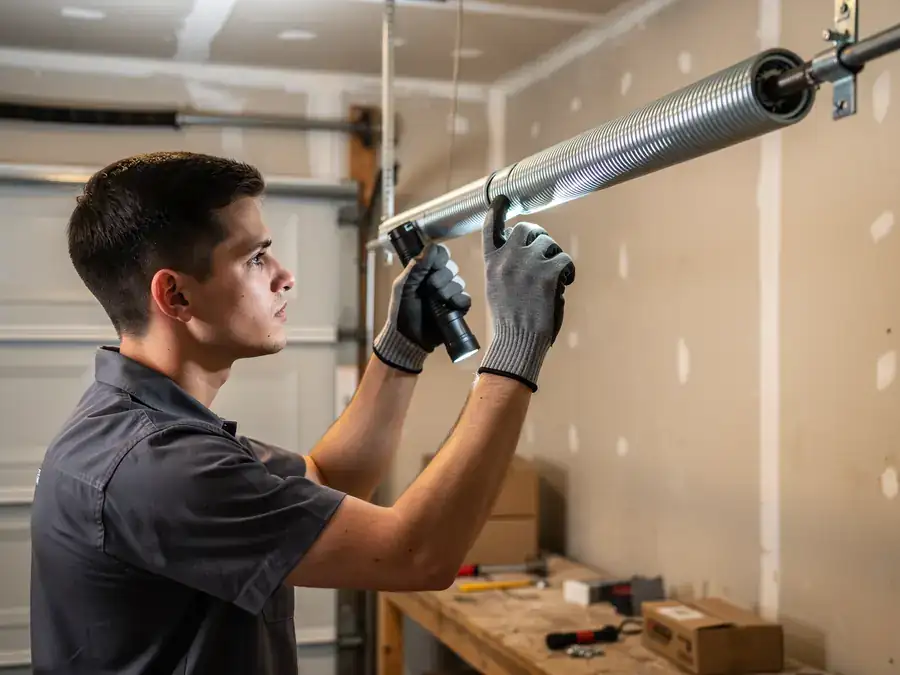
A torsion spring on a door built in the mid-2000s is under real tension, and the tools to wind it safely aren't something most garages have sitting around. We won't talk anyone out of replacing a roller or tightening a loose bracket themselves - that's a Saturday job for a lot of homeowners. Springs and cables are a different category. The bigger risk on a 2006-era door specifically is that the torsion system was sized for the original door weight, and if a panel's been swapped or insulation added since, the spring on file isn't necessarily the spring that's there now.
If you're set on doing it yourself, at minimum know the door's weight and spring wind direction before you touch anything. If you don't know either, that's the point where a phone call is cheaper than a trip to urgent care.
How Long You Are Without the Door
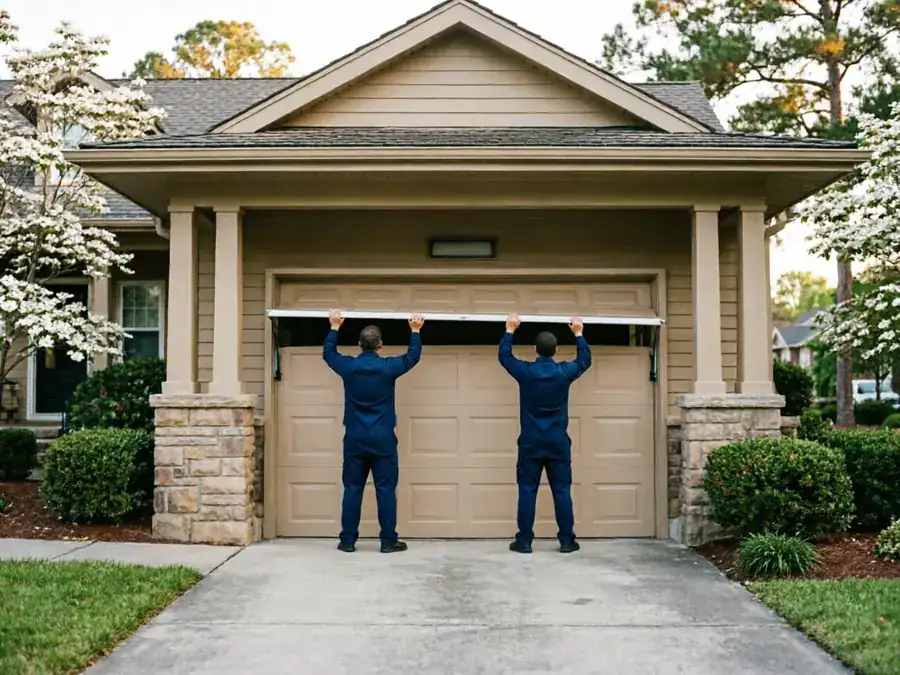
Most spring, cable, and roller repairs on a standard residential door finish in a single visit
We come from Fort Mill, about 5 miles out, so travel time isn't the bottleneck. What slows a job down is parts that aren't standard stock. A door from 2006 usually takes common torsion spring sizes we carry on the truck, but if the track or opener has been modified or replaced with something unusual over the years, that's when we're ordering instead of fixing on the spot.
- 5 miles
We're not going to promise a same-day turnaround as a blanket rule
Because that's not something we can back up for every situation sight unseen. What we can say: a straightforward spring or cable repair on original-era hardware doesn't typically turn into a multi-day wait.
Where This Job Goes Sideways
The thing that catches people off guard in this area is the age math. A door that went in when the house was built in 2006 is now old enough that more than one component is near failure at the same time - the spring, the rollers, and sometimes the cable drums all show wear together because they've logged the same number of cycles. Replace just the spring on a door like that and you can be back out in six months for a cable. We check the rest of the system when we're already in there, not to upsell, but because the age profile makes it likely.
The other place it goes sideways: openers from that build era sometimes still have the original logic board. If the board's failing at the same time as the spring, a spring-only fix won't solve what the homeowner actually called about - a door that won't respond right.
Parts We Carry
We stock the torsion spring sizes and cable gauges that match the production years common to this part of the service area - built-out mostly in the 1980s through the mid-2000s, with Tega Cay sitting at the newer end of that range around 2006. That means standard-wind torsion springs, 1/8-inch aircraft cable, steel ball-bearing and nylon rollers, and extension spring kits for the older end of the stock. What we don't carry on the truck is obsolete or proprietary opener logic boards from discontinued manufacturers - those sometimes have to be special-ordered, and we'll say so rather than string you along with a part we don't have.
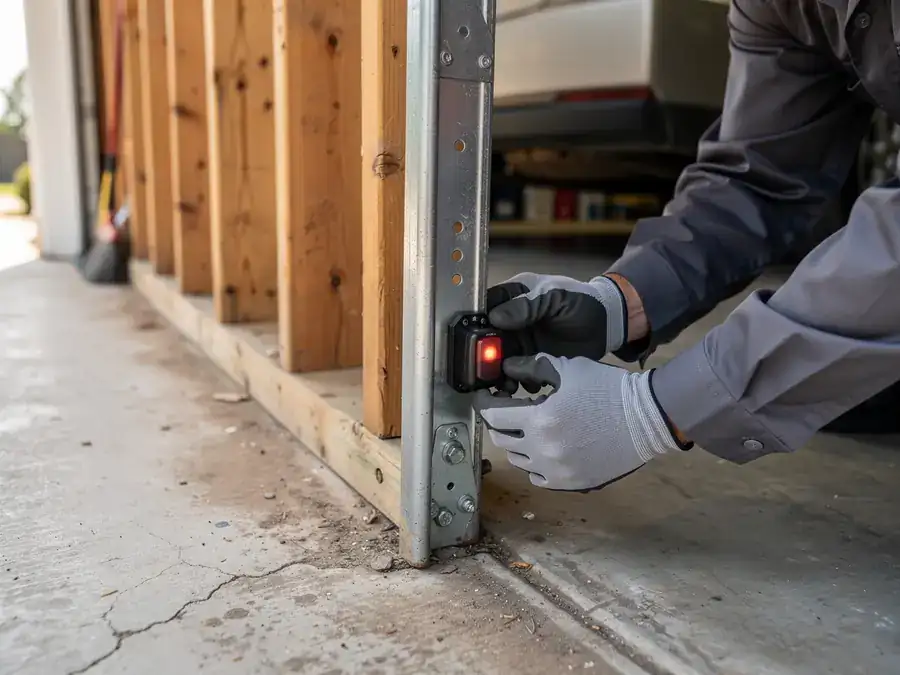
For a door built in the mid-2000s, the parts on our truck cover the large majority of what fails first: spring, cable, rollers, and standard safety sensors.
What the Repair Takes
Once we're on site, diagnosing a spring or cable failure on a standard door usually takes minutes
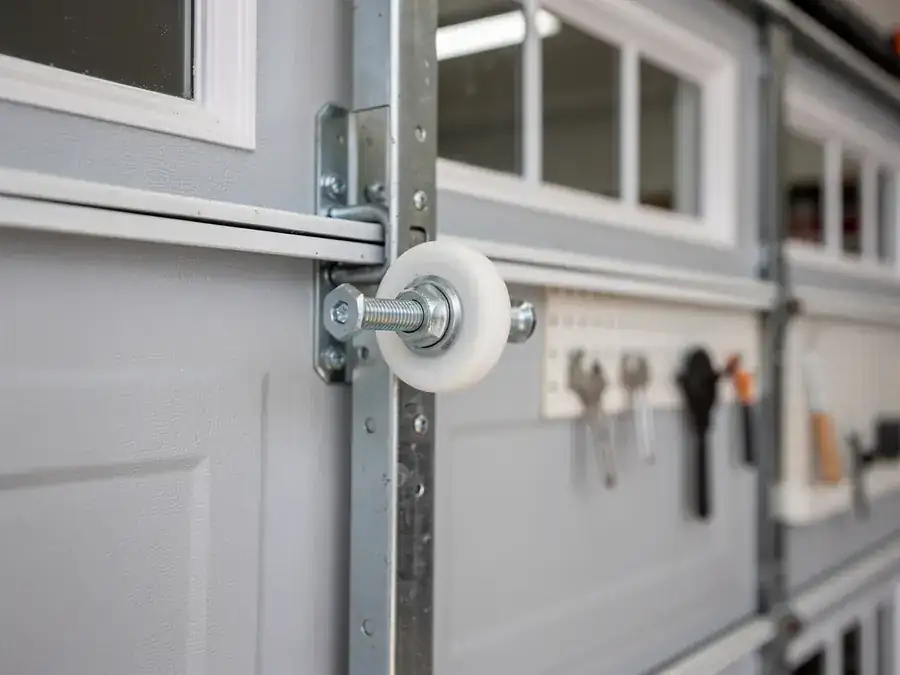
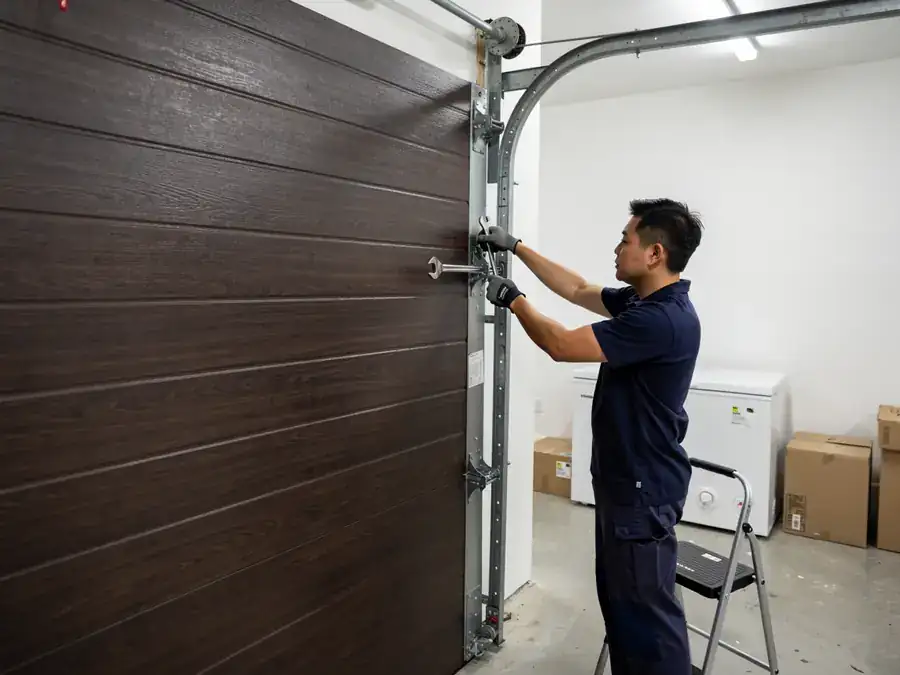
It's either broken or it isn't. The actual repair on a torsion spring involves unwinding what's left of the old one safely, matching the replacement to the door's weight and wind direction, and running the door through a full cycle test before we leave. On a 2006-era door we also check the rollers and bottom bracket while we're in there, since that's the hardware most likely to be worn at the same time.
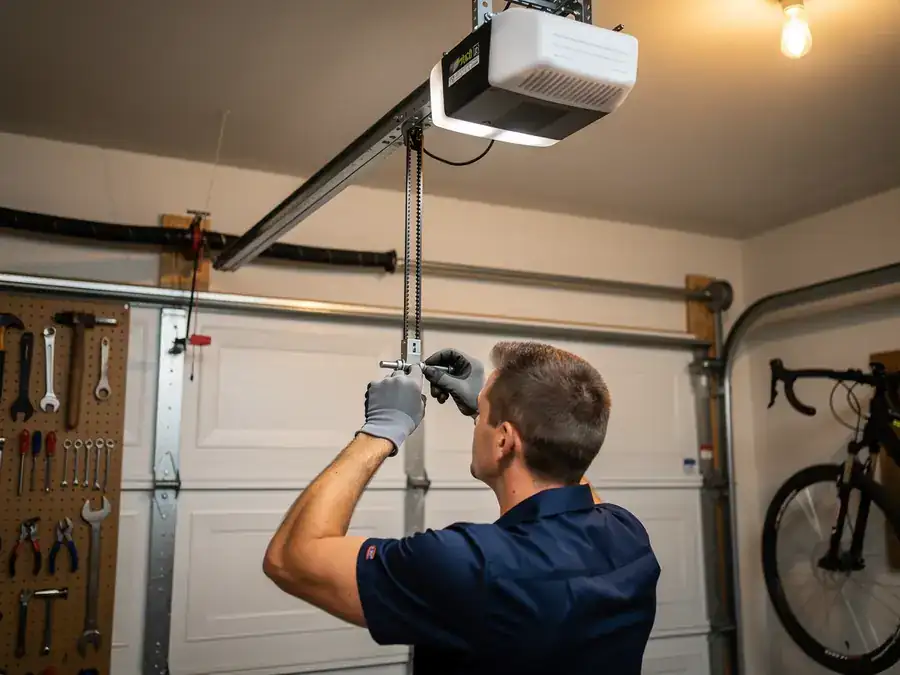
We set the opener's force and travel limits before we consider the job done
Skipping that step is how a door ends up reversing wrong or slamming, and it's a common shortcut we don't take.