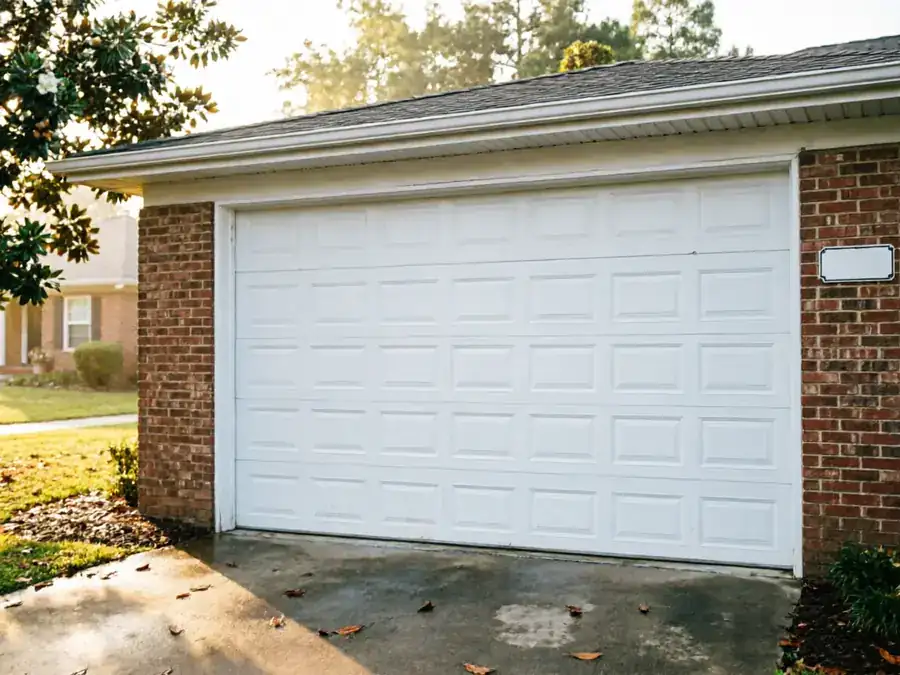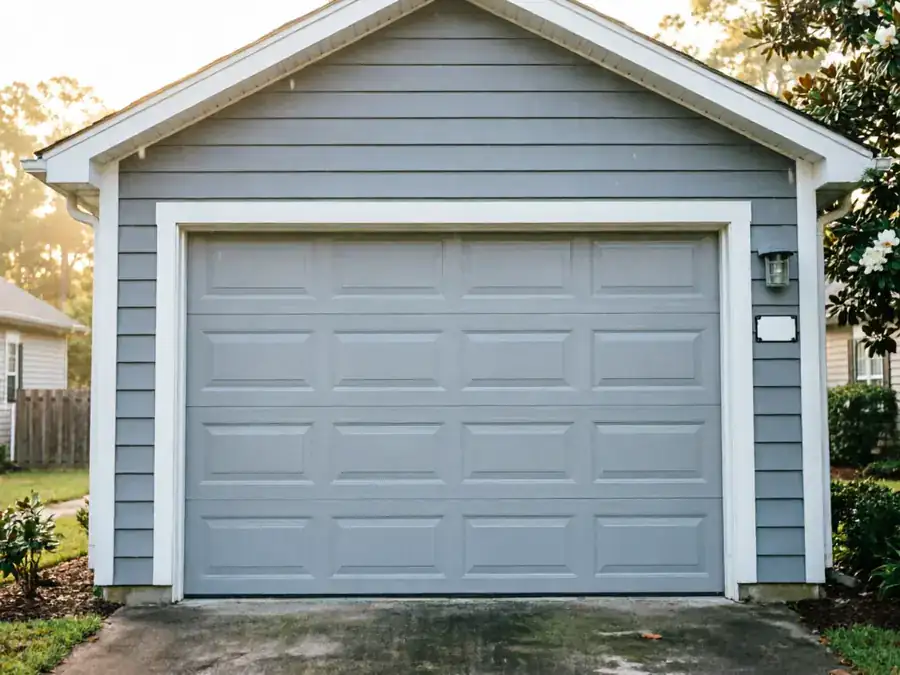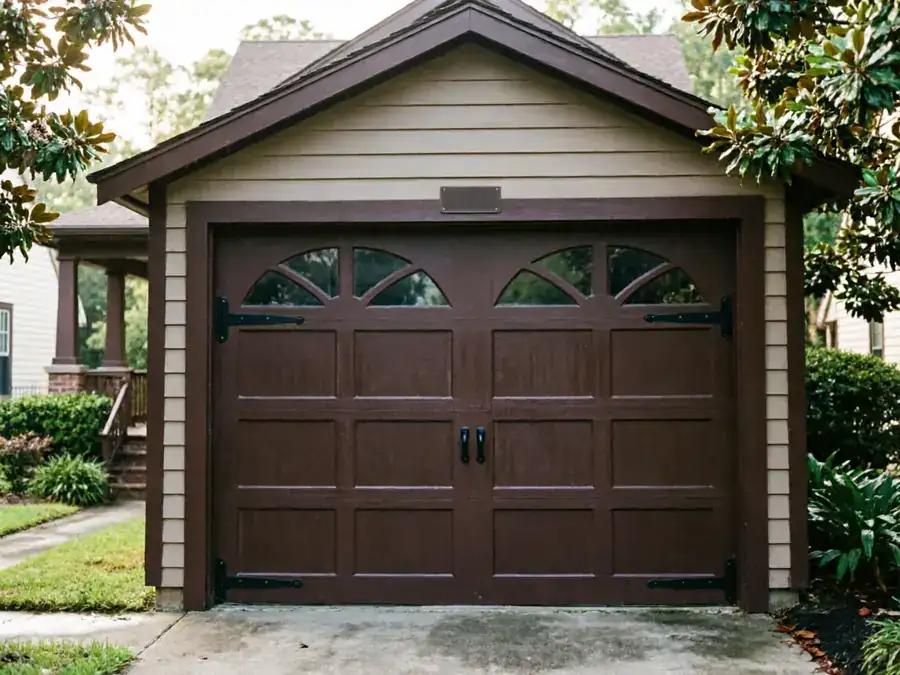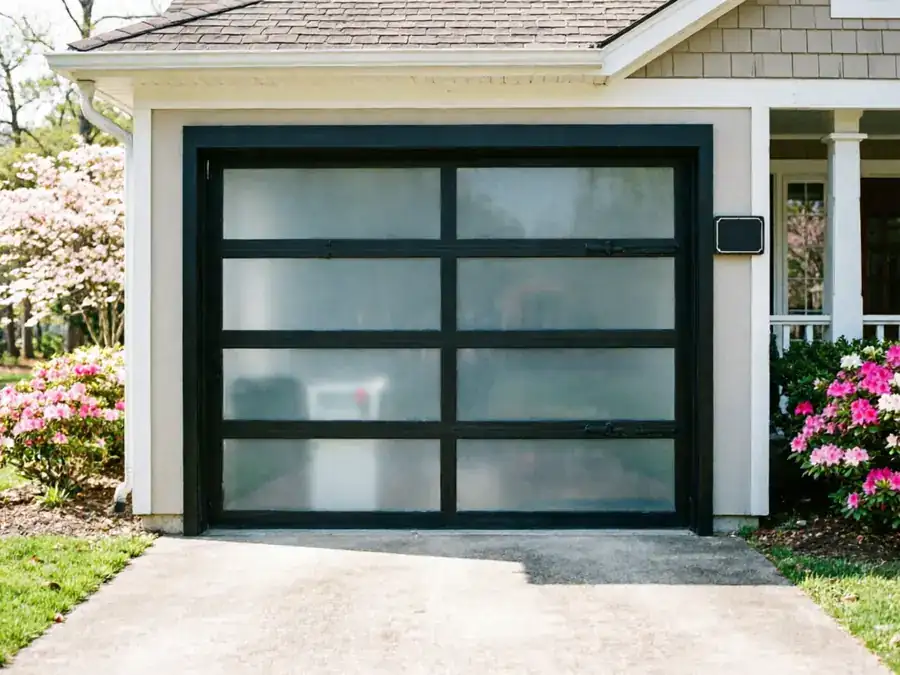
What You Are Seeing
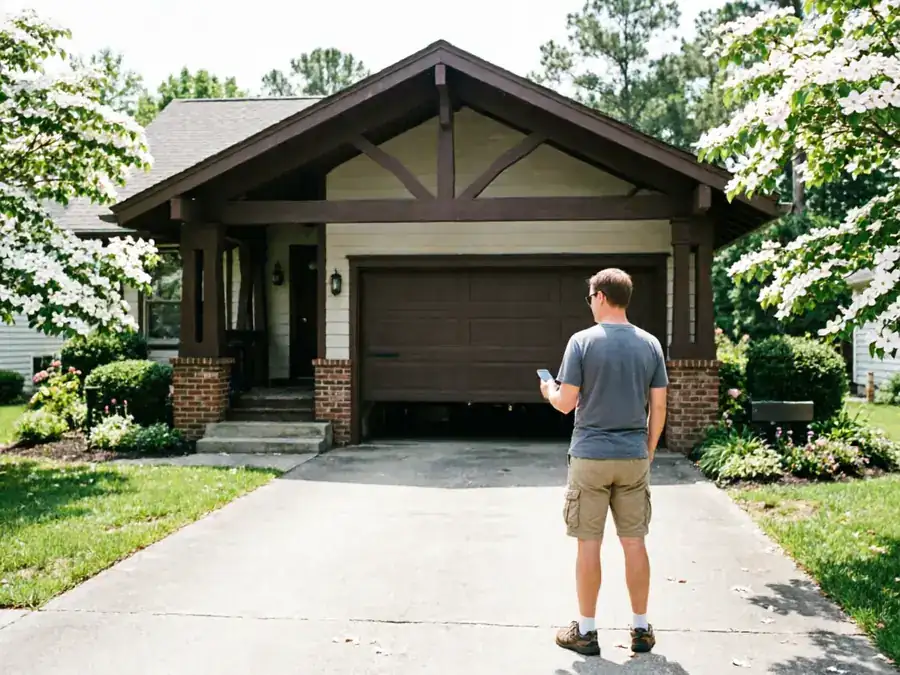
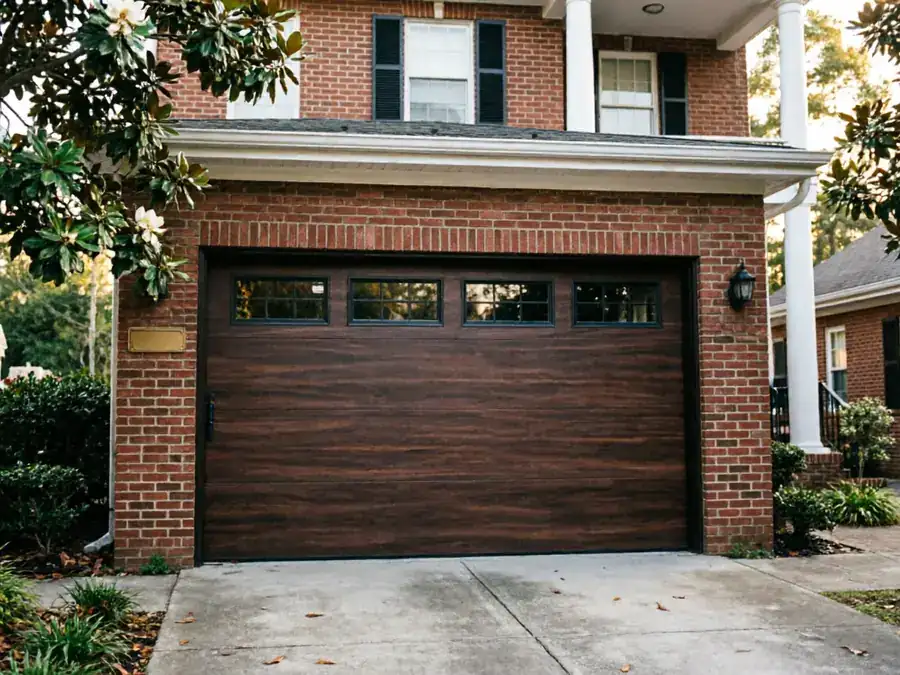
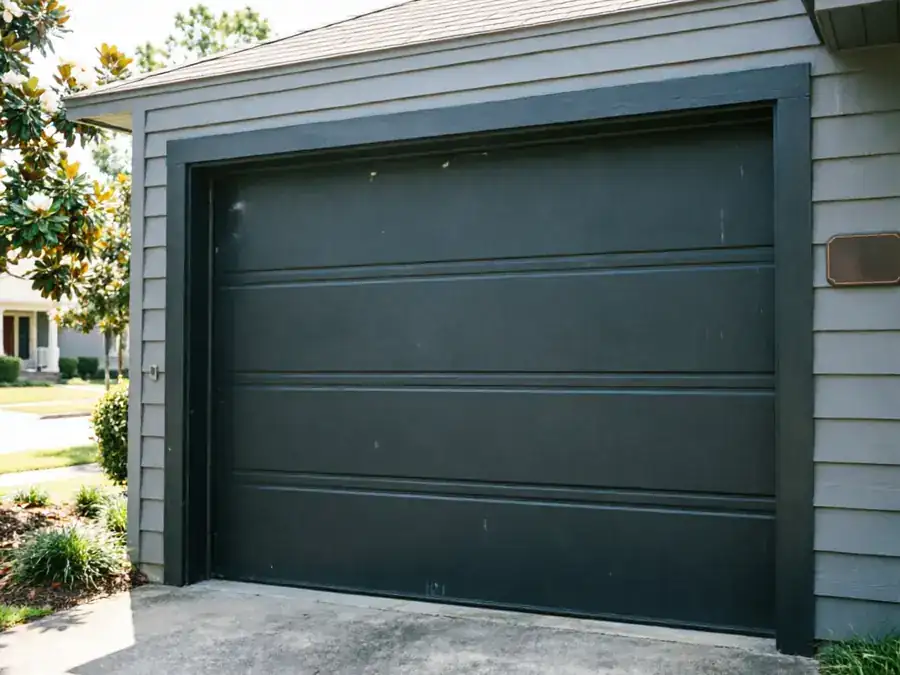
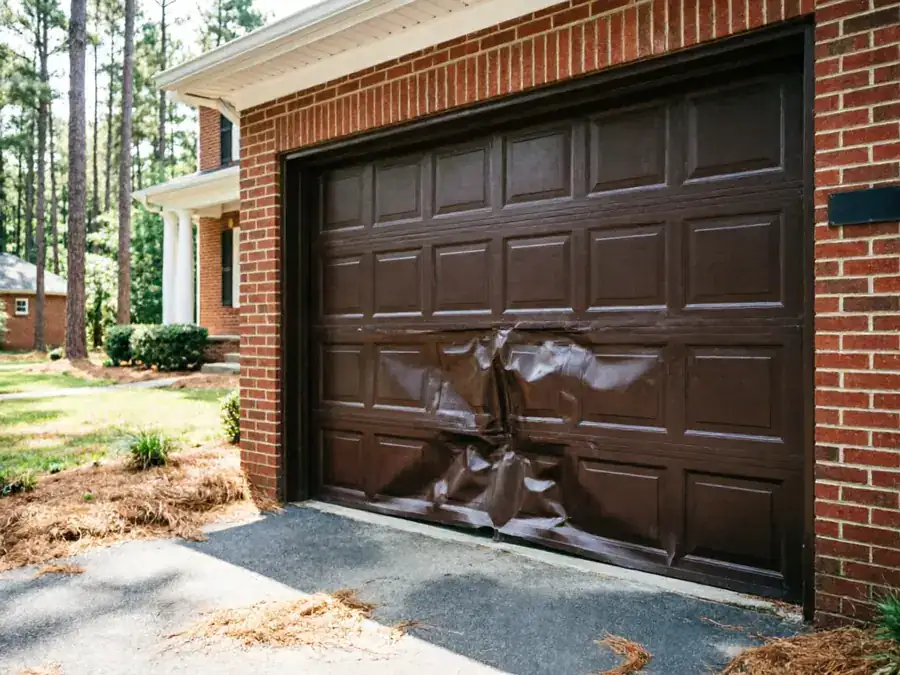
If your door is sagging on one side, the opener strains before the door even lifts, or the panels have gone soft and dented along the bottom, you're looking at a door that's reached the end of what a repair can fix. In Fort Mill, that moment tends to show up on houses built in that big wave of construction from 1979 through 2006 - the median build year across the service area sits around 1997. A door and track system from that era is pushing close to three decades of cycles. You'll also see daylight gaps at the corners, weatherstripping that's cracked and pulled away from the frame, and an opener that was never rated for the door it's lifting because someone swapped the door once already without upgrading the hardware underneath it. None of that is a spring problem or a sensor problem. It's a door that's done, and the honest move is to replace it rather than keep patching.
Why It Happens Here
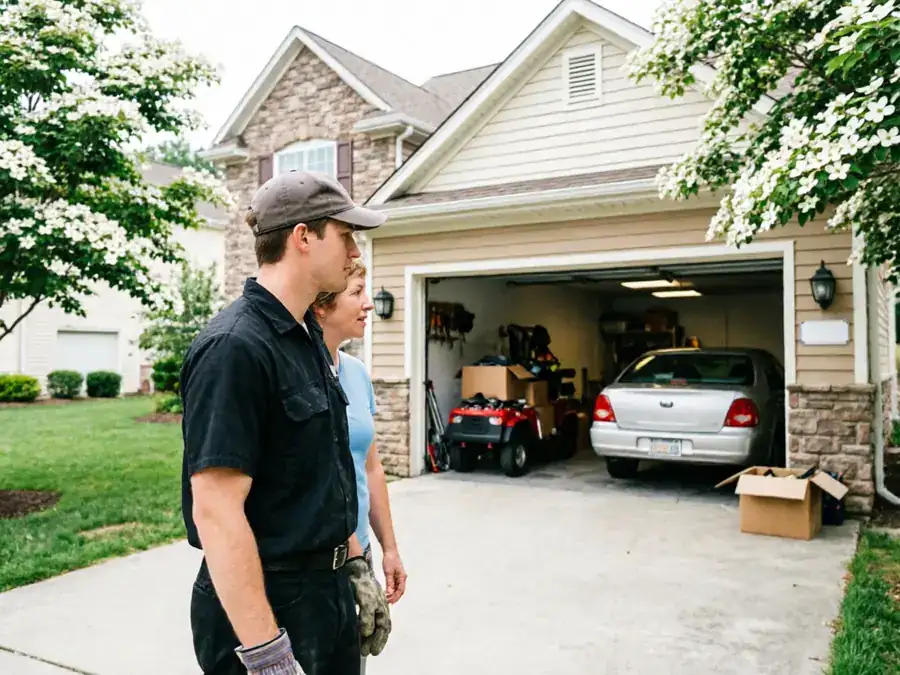
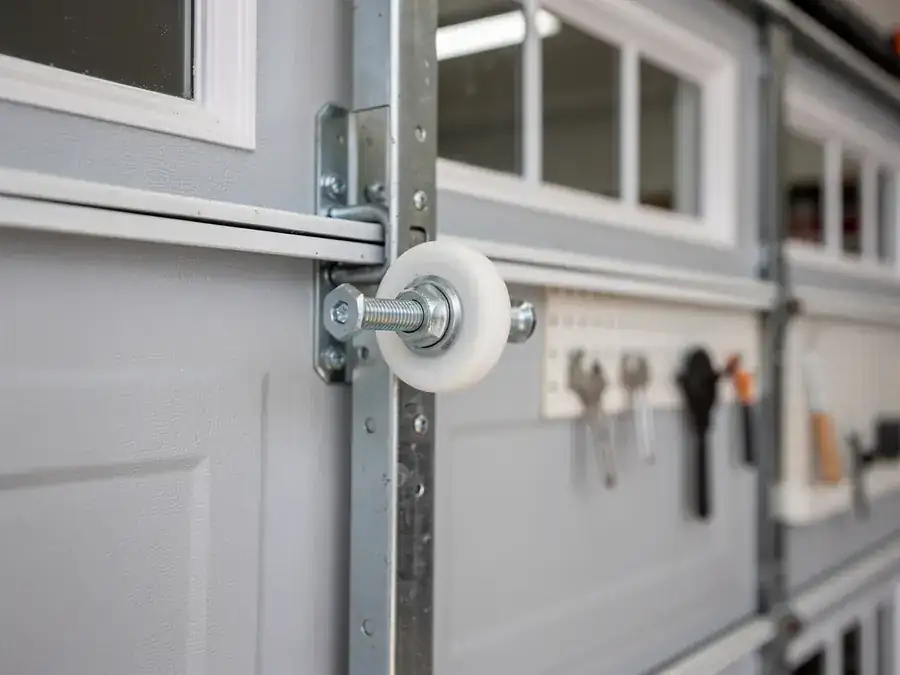
Most of the nine areas we work in - Baxter Village, Riverview, Tega Cay, India Hook, Newport, Lesslie, York, Clover, McConnells - were built out across the 1980s and 90s, with construction continuing into the mid-2000s. That means a lot of original garage doors are now old enough that the steel has fatigued, the insulation (if there was any) has broken down, and the track hardware is sized for a lighter door than what's standard today. Fort Mill sits in a cold-moderate climate band, which isn't brutal, but it does mean real temperature swings through the year - enough to work wood door panels loose at the joints and to stiffen up old nylon rollers in winter mornings. A door built for a 1990s house wasn't speced for today's heavier insulated sections or for openers with the lift capacity modern safety standards expect. That combination - age plus a climate that still freezes and thaws - is why installation calls cluster in the older sections of town rather than the newest builds.
What the Repair Takes
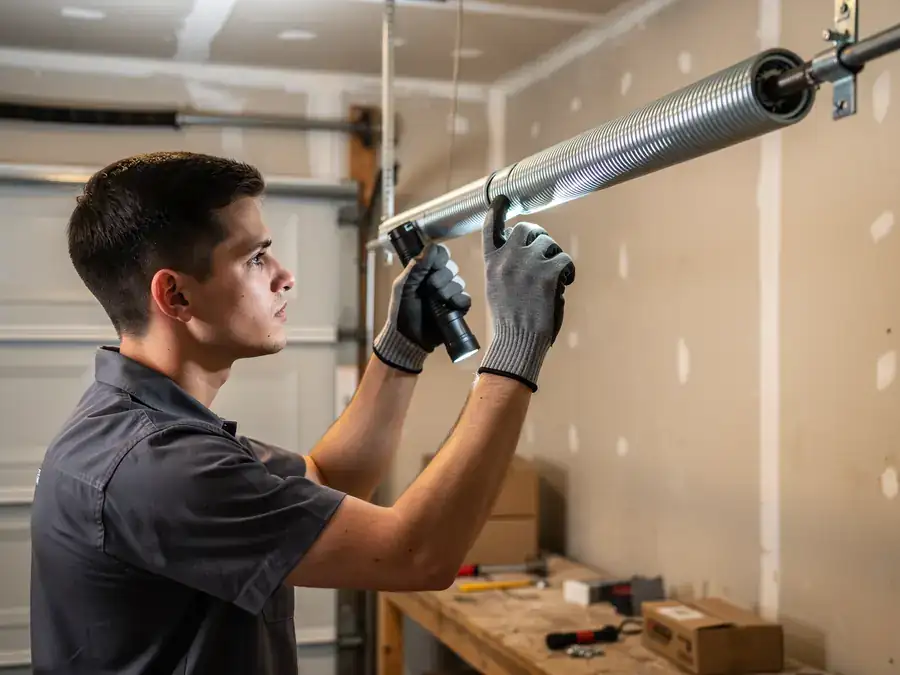
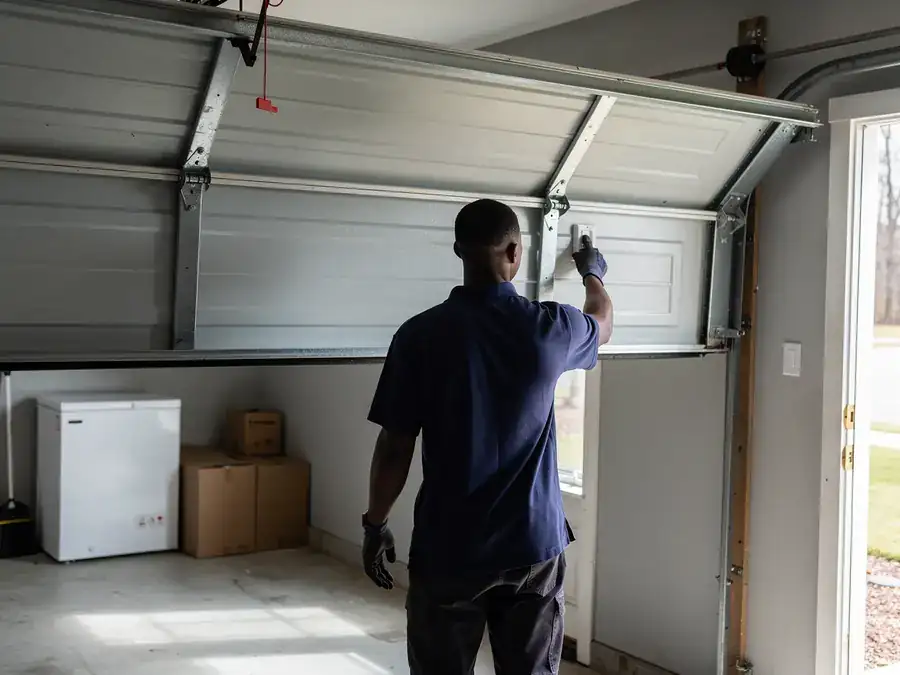
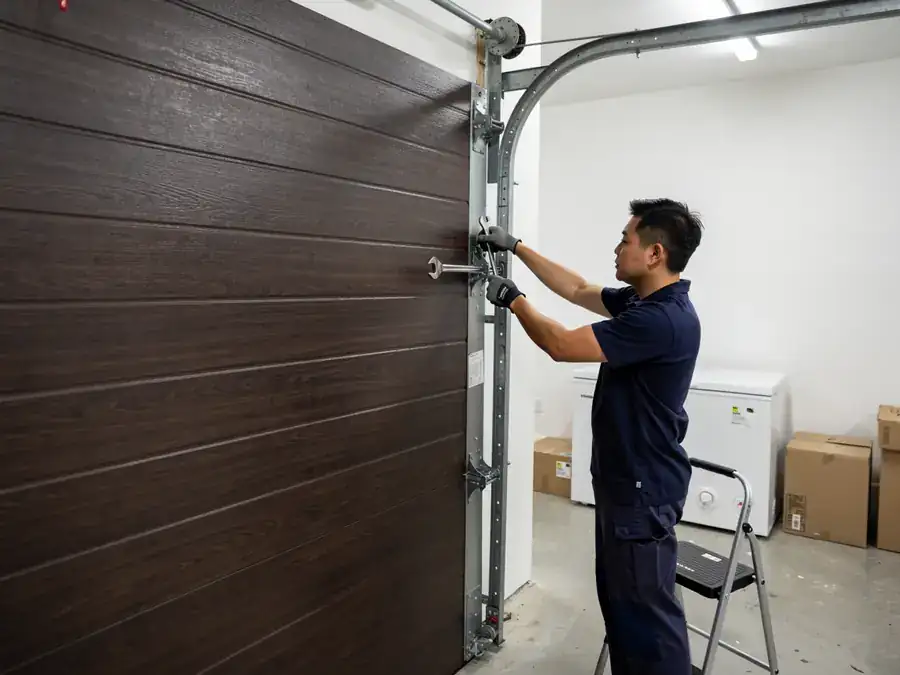
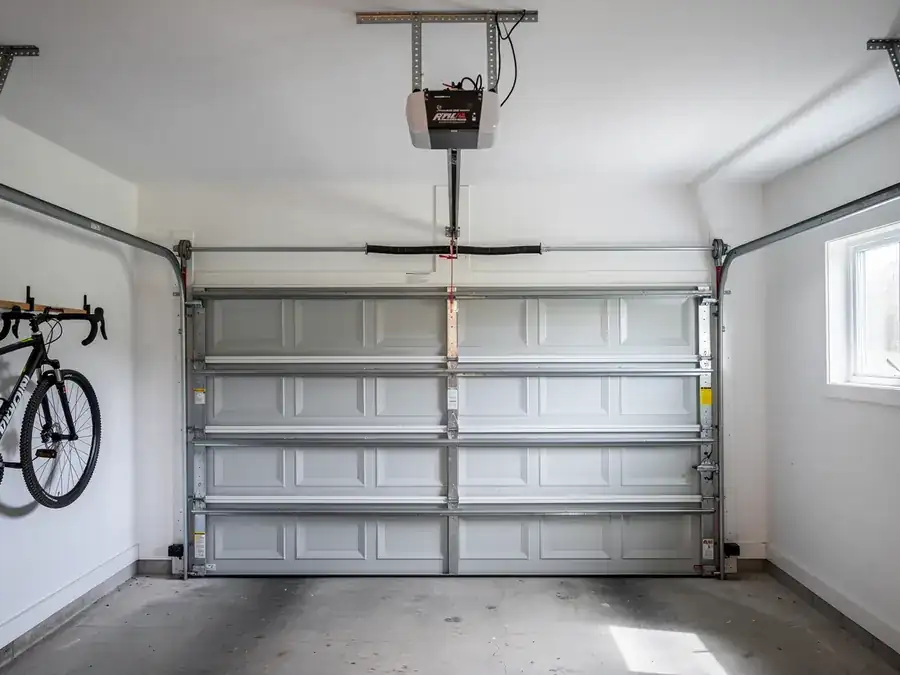
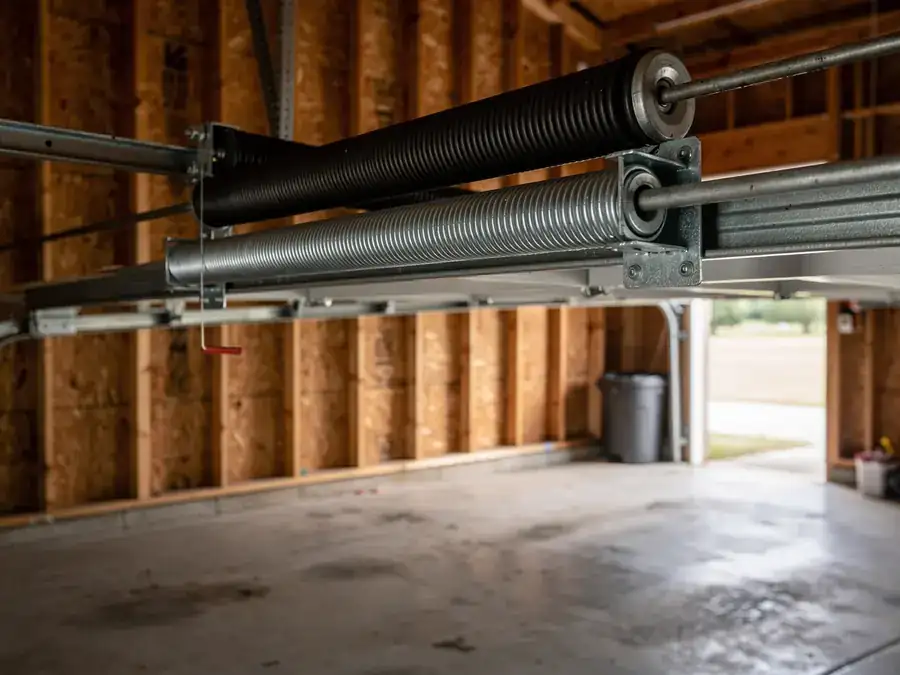
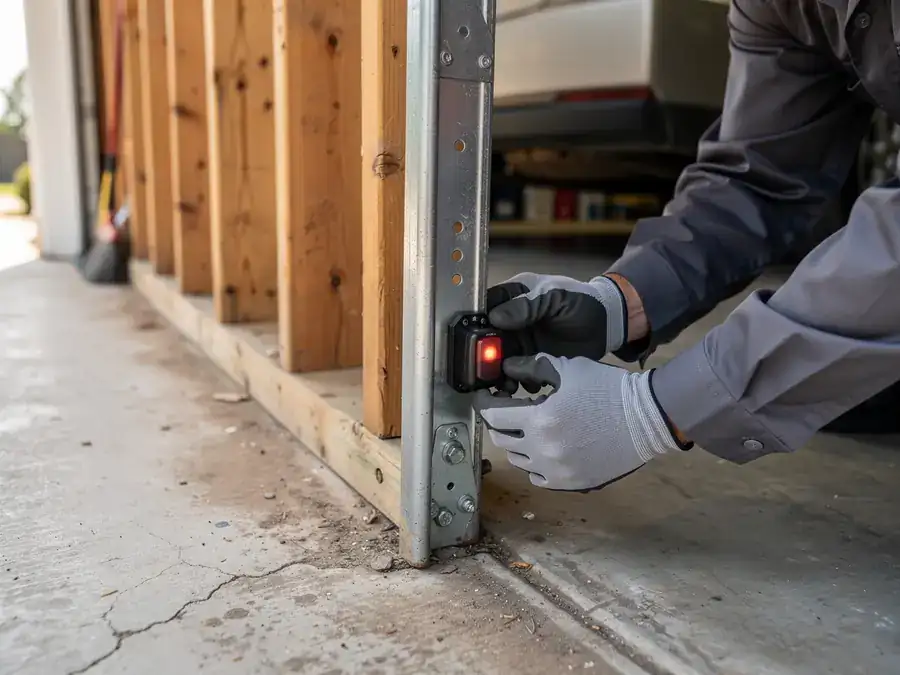
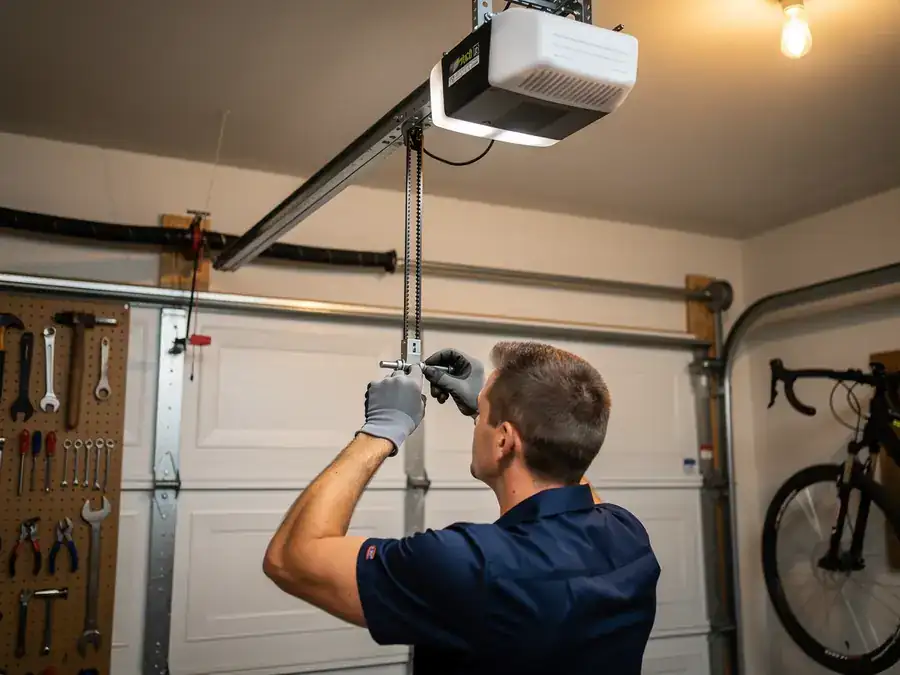
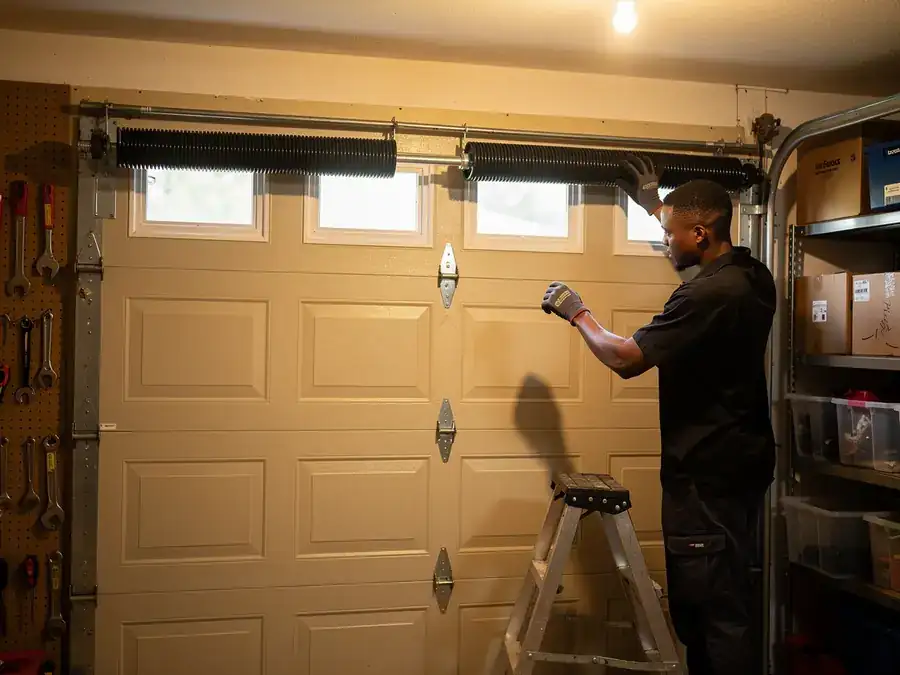
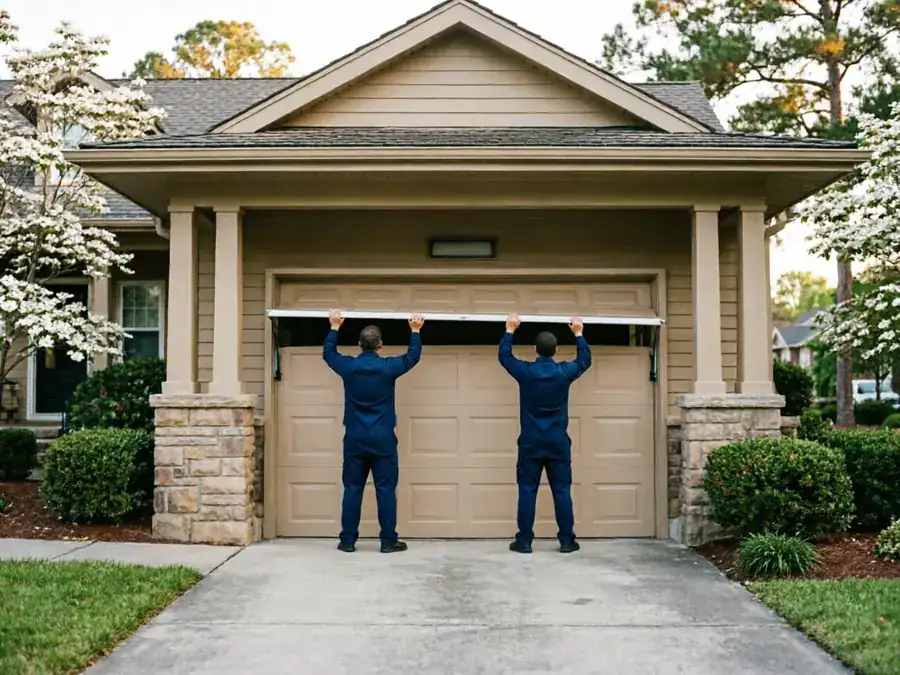
A straight swap - same opening size, new door and opener - is usually a one-day job: old door and track out, new jamb hardware and track set, door hung and balanced, opener installed and the force and travel limits set so the safety reverse actually works. If the opening itself needs adjusting, or the framing around it has settled the way older Fort Mill houses sometimes do after 20-plus years, that adds time because we're shimming and re-squaring before the door ever goes up. We balance every new door by hand before the opener goes on - a door that isn't balanced will shorten the life of whatever opener you put on it, new or old. We'll also tell you flat out when a repair would actually serve you better than full replacement; not every old door on an older street needs to come out, and we'd rather say that up front than sell a job you don't need.