What Is Going On
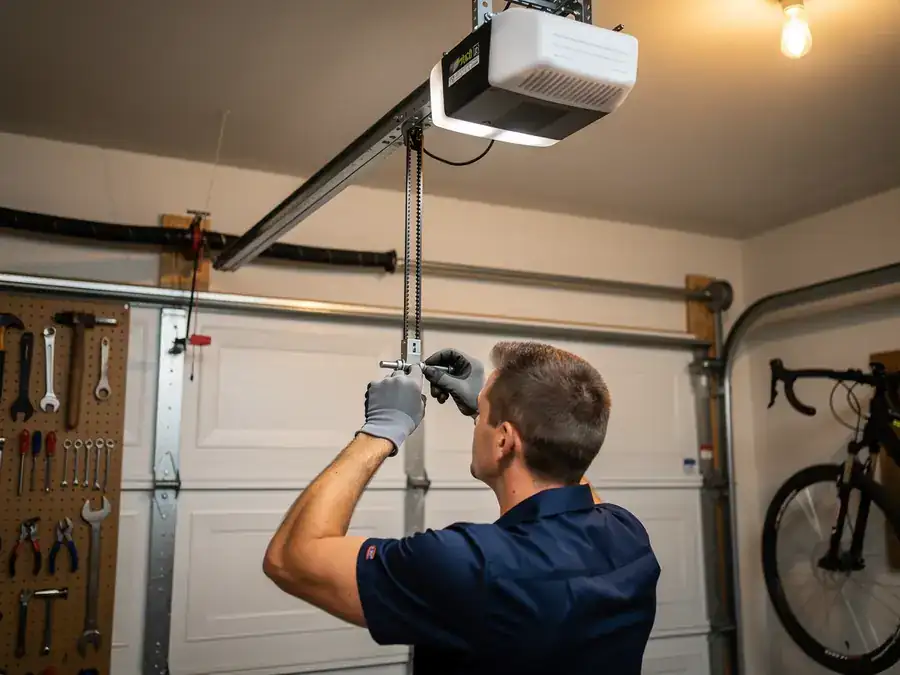
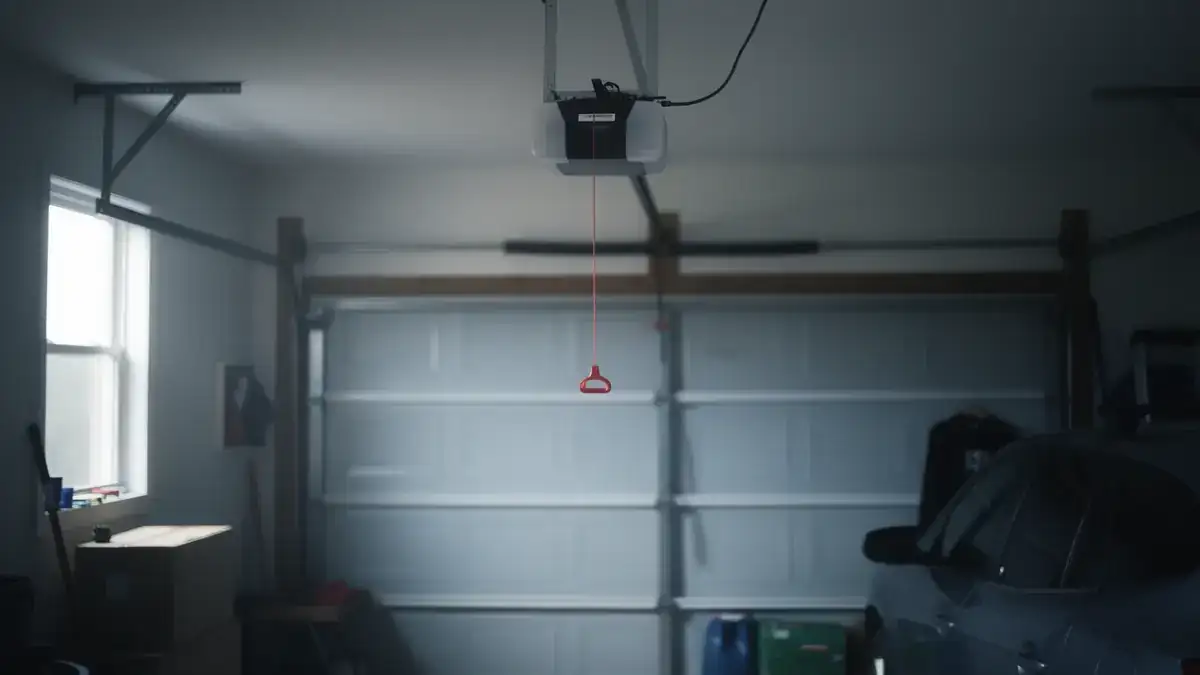
Most houses across this service area, from Baxter Village to Riverview out to Tega Cay and India Hook, were built between 1979 and 2006, with the bulk going up in the 1980s and 90s. That matters more than people think when it comes to openers. A house from that window usually has had at least one opener swap already, sometimes two, and the wiring behind the unit often reflects whatever code and habits were standard at the time of the last replacement, not the original build. When the power cuts out, what happens next depends on which generation of opener is sitting up there. Older chain-drive units from a first-generation replacement have no battery backup at all - the door simply will not move until power returns or someone pulls the manual release. Newer units, especially anything installed in the last decade, often have a battery backup standard. The problem we see across Baxter Village, Riverview, and the other nearby areas isn't that people don't know this - it's that nobody checks which category their own opener falls into until the power is already out and they're standing in the driveway at 6am trying to get to work.
What the Weather Here Does to It
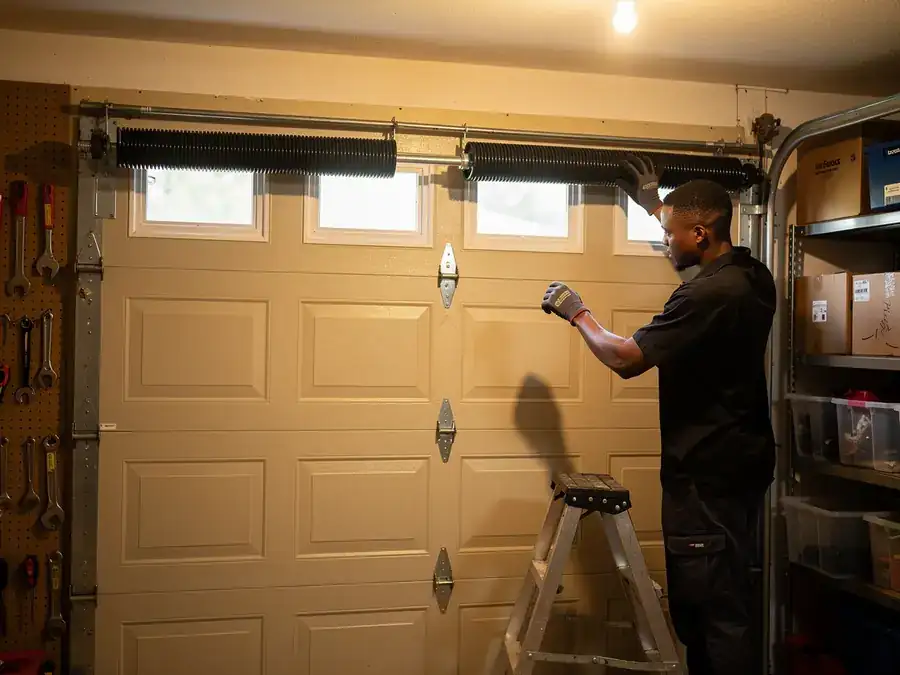
This area sits in a cold-moderate climate band, not the deep freeze you'd get further north, but cold enough that winter mornings regularly bring temperatures low enough to affect battery chemistry and lubricant viscosity. A backup battery that tested fine in October can read weak in January, because cold knockbacks capacity on the lead-acid and lithium packs used in most residential backup systems. Pair that with a power cut, which tend to cluster during winter storm fronts, and you get the worst combination: the exact moment you need the backup is the exact moment it's least likely to perform at full strength. Grease on the opener's rail and on the springs also stiffens in cold weather, so even a battery that's working has to push a door that's moving slower and harder than it would in July. We don't see this as often as a clean power failure, but when the two stack - a cold front and an outage together - that's when we get the call that the door barely crept open a few inches before giving up.
Where People Go Wrong
The most common mistake is assuming every opener has battery backup, when a large share of the openers out there - especially units installed as a budget replacement rather than at the same time as a full door replacement - were never built with one. The second mistake is testing the backup by just pressing the button once, in good weather, and calling it done. A battery that lifts the door once at 70 degrees can still fail on a repeated cycle in freezing temperatures, which is exactly the situation a real outage creates. We'll say plainly: we don't sell or install solar panels or whole-home generator systems, and if your outage problem is really a whole-house power problem, that's outside what we do. What we can do is tell you honestly whether your current opener has backup capability, and if it doesn't, what it costs to add a unit that does.