What Is Going On
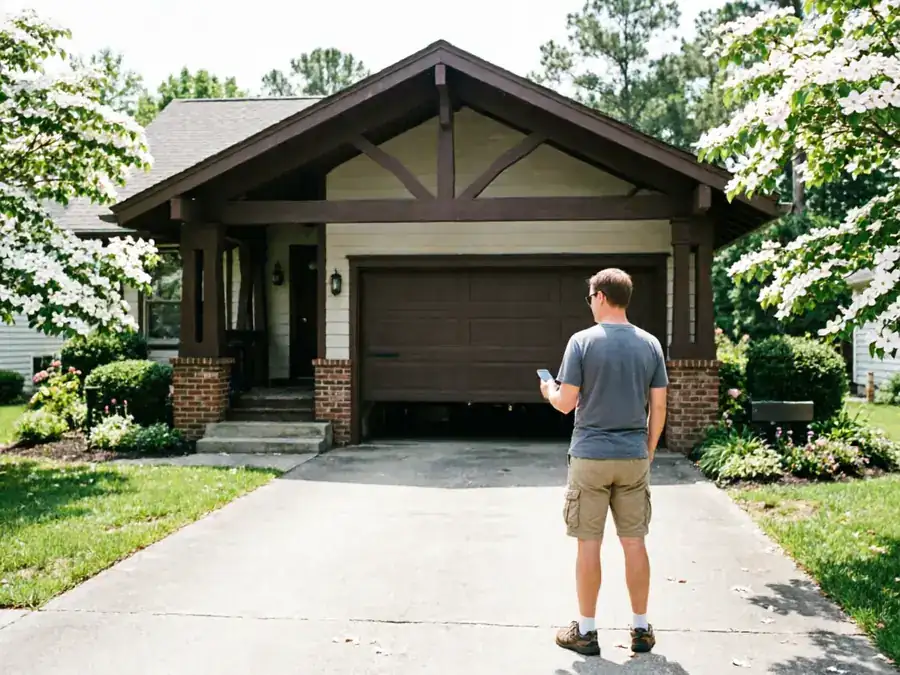
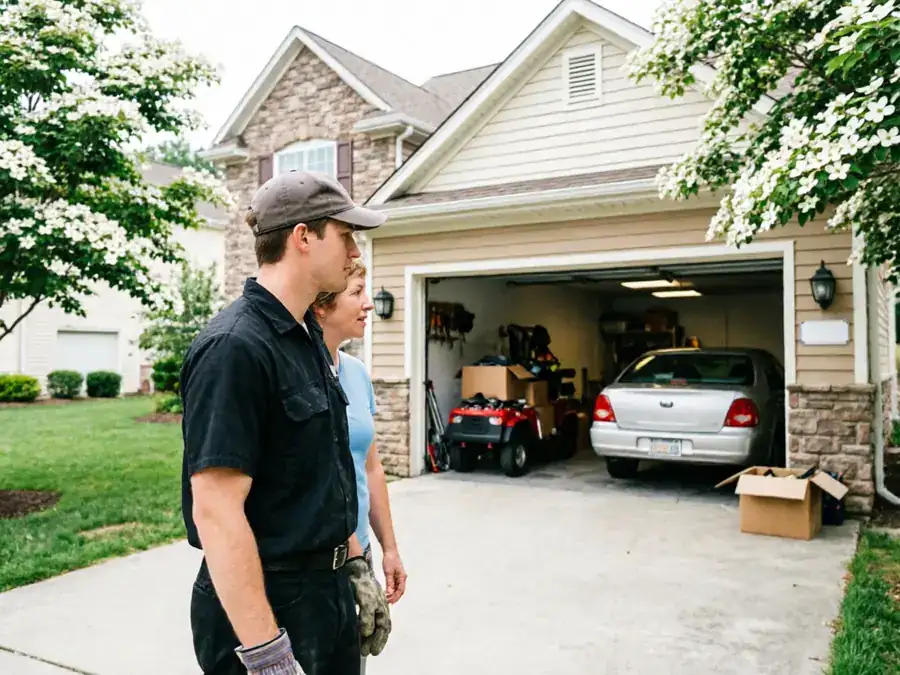
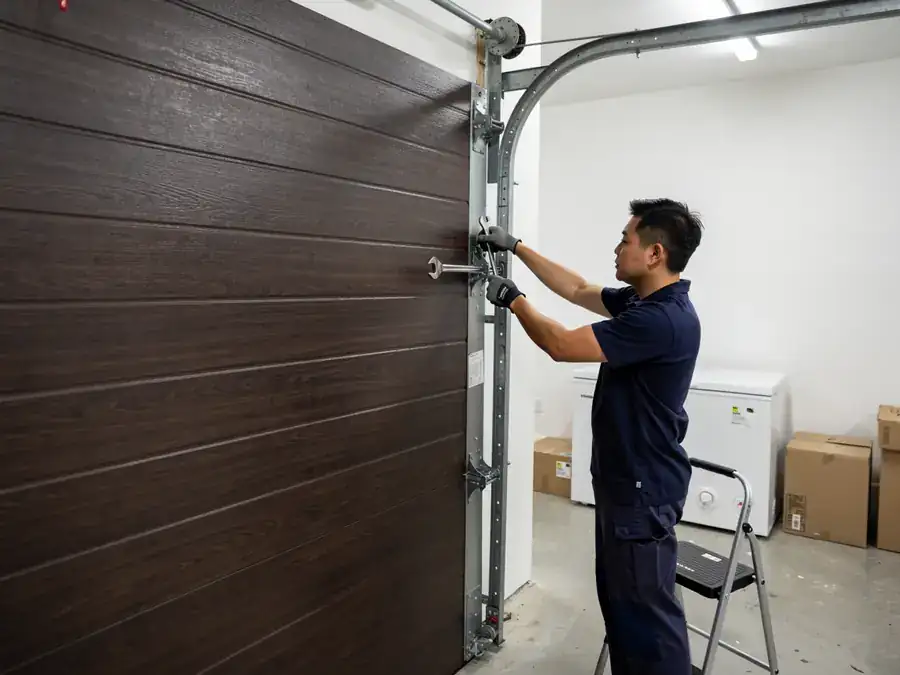
Most of the houses we get called to in Fort Mill went up somewhere between 1979 and 2006, with the median build year sitting around 1997. That's a specific window: steel sectional doors on torsion or extension springs rated for builder-grade panel weight, chain-drive openers from before belt drives were standard, and track hardware sized to the lighter doors of that era rather than today's thicker insulated panels. A service call on a door from that window is mostly about checking original hardware against two and a half decades of cycles, not troubleshooting something installed last year.
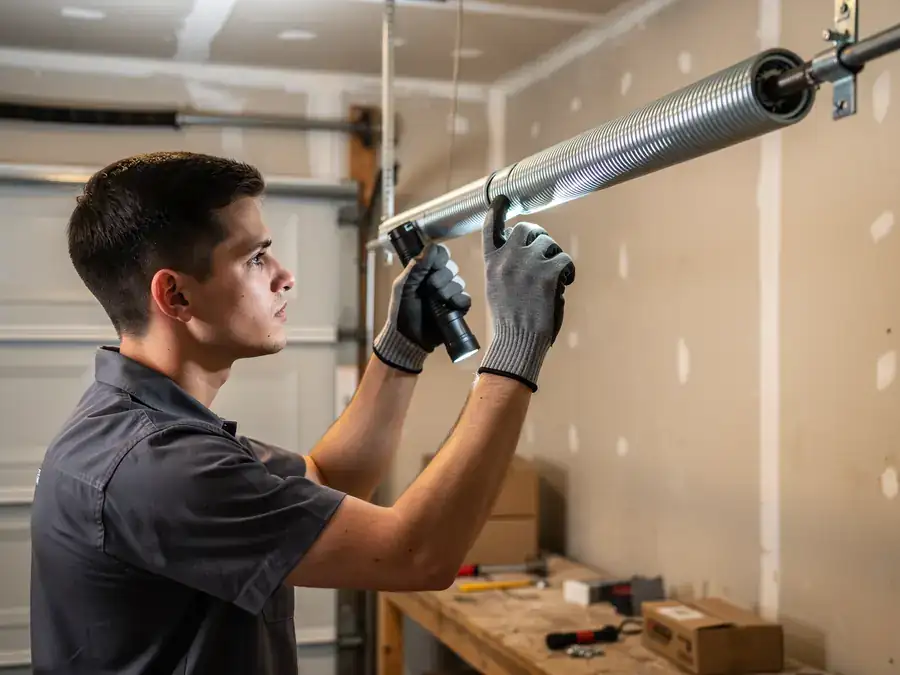
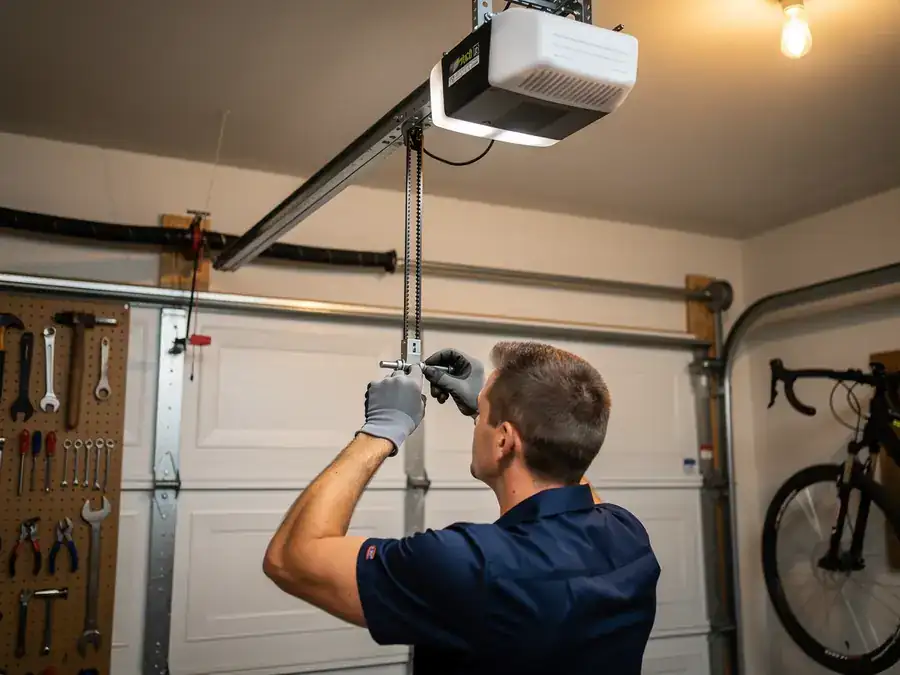
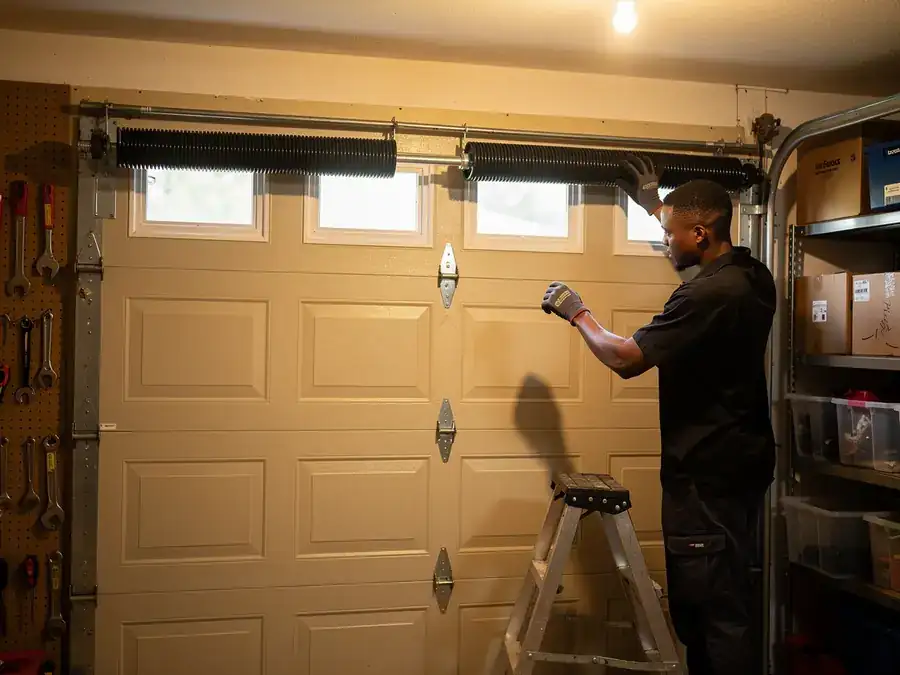
Across Baxter Village, Riverview, Tega Cay, and India Hook - all within about five miles - and out to Newport and Lesslie at roughly eight miles, the stock skews the same way: 1980s and 90s construction dominates. Farther out toward York, Clover, and McConnells, the pattern holds too. When we show up, we're pulling the spring size off a chart, confirming the drum and cable match the door weight, and looking at whether the opener's logic board is original or already a replacement. That's the actual starting point for most calls here, before any symptom gets mentioned.
What the Weather Here Does to It
Fort Mill sits in a climate band classified as cold-moderate - winters cold enough to stiffen grease in springs and tighten metal tolerances, without the deep-freeze swings that crack vinyl trim or warp wood jambs outright. That matters for a door built in the 1979-2006 window because the springs and track on those doors were speced for the house, not for three decades of thermal cycling since.
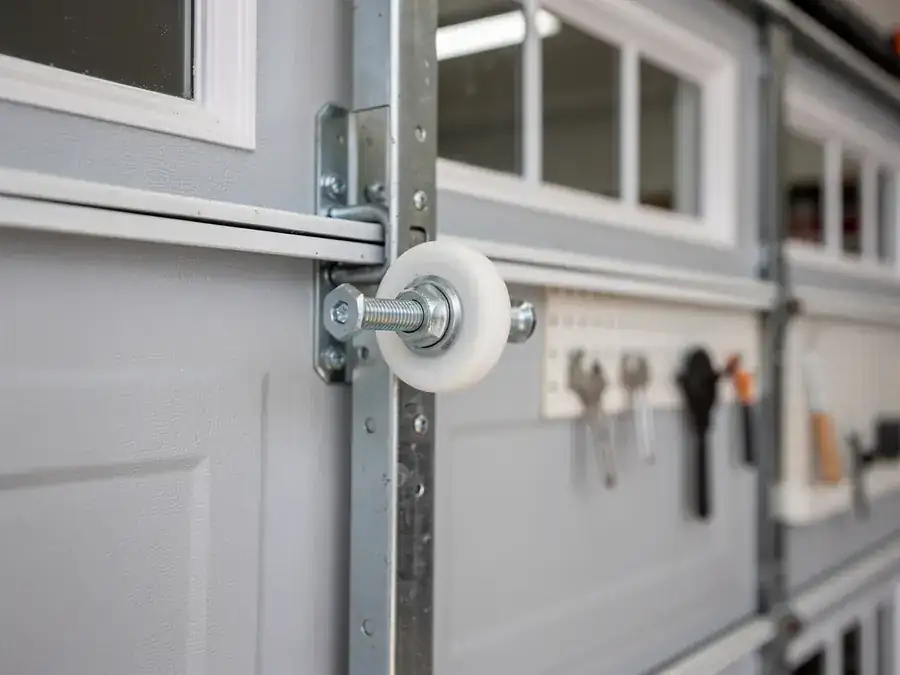
On a service call, cold-moderate weather shows up as a door that lifts hard on the first cold morning and loosens up by afternoon - that's grease in the bearings and spring coils thickening overnight, not a failing opener. It also shows up as rollers that bind in track because the steel has contracted just enough to pinch a worn roller that was fine in August. We check spring tension and roller wear differently here than a shop would in a climate with harder freezes or none at all - the fixes are smaller and more frequent, not catastrophic.
What Changes With the Season
On a cold-moderate winter morning, steel track contracts a few thousandths and a door that rolled smoothly all summer starts catching partway up
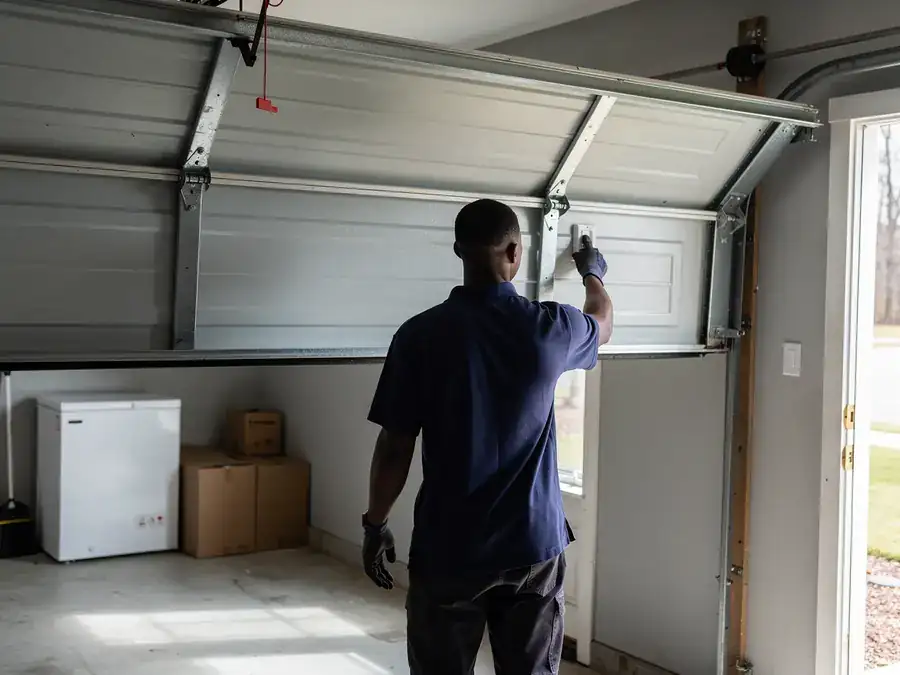
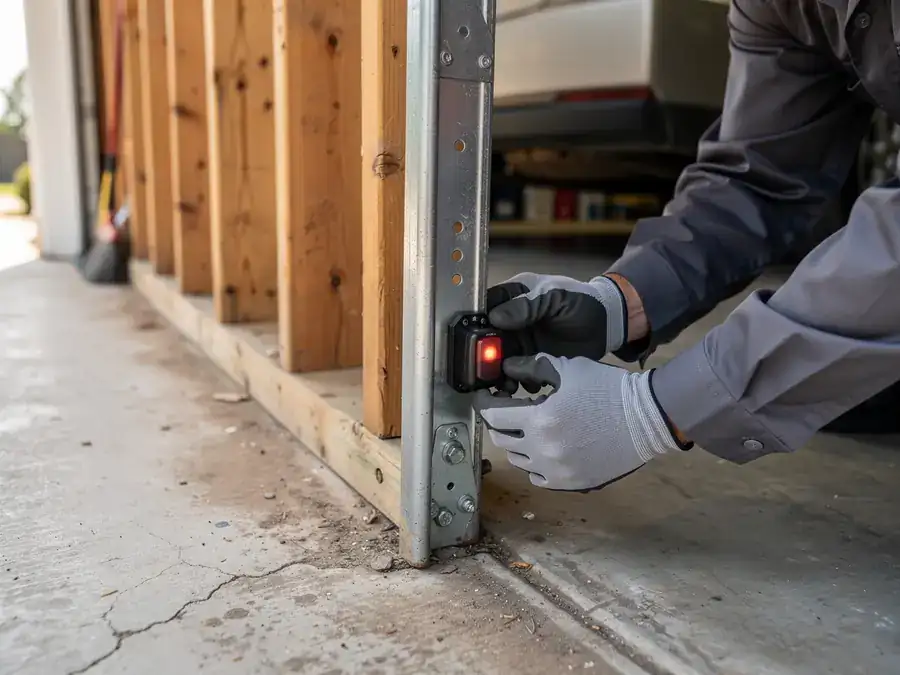
That's the most common seasonal call we get on houses from the 1979-2006 stock, because the hardware is old enough that the margin for contraction is gone - rollers worn thin, track slightly bowed from years of a heavy door.
Summer runs the other direction
Panels expand, chain drives sag a little more, and openers that were already straining on an undersized motor start stalling partway through the cycle. Neither extreme is dramatic on its own, which is part of the problem: owners get used to a door that's a little off and wait until it's a lot off. A proper service call checks spring balance and track alignment against both conditions, not just whatever the weather happens to be the day we show up, because a door balanced correctly in July can bind in January on the same hardware.
Where People Go Wrong
The mistake we see most is treating a stiff cold-morning door as an opener problem and replacing the opener when the actual issue is a spring that's lost tension over 25-plus years of cycles - common on houses built in the 1979-2006 window we work in most. A new opener on a bad spring just means the new opener works harder and fails sooner.
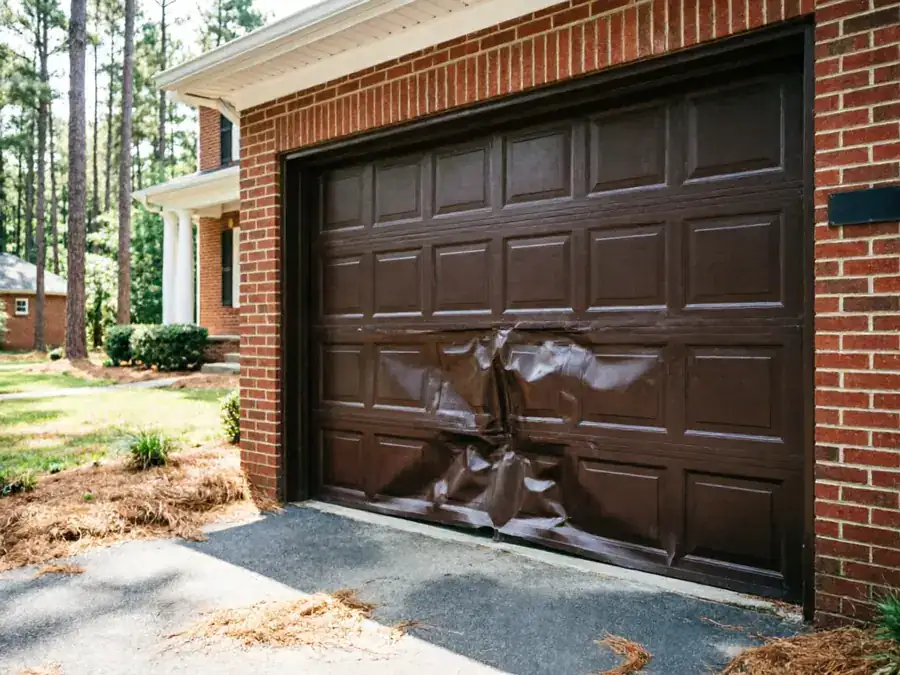
The honest limitation: if your door's exact panel profile or hardware was discontinued by the original builder-grade manufacturer, we may not be able to match it on the spot, and ordering a specific replacement panel can take longer than people expect. Sometimes the right call is a full door replacement rather than chasing parts for something out of production. We'll tell you that straight rather than stringing along a repair that won't hold. With 11,863 owner-occupied houses across this service area, most of what we're looking at is original equipment, not a cheap aftermarket swap - which is usually good news for repairability, but not always.