What It Costs
We don't post a flat number here because opener repair cost depends on what's actually failed, and that's different in Tega Cay than it is in the older parts of the service area. The housing stock across the wider Fort Mill area runs from 1979 to 2006 with a median build year of 1997, but Tega Cay sits at the newer edge of that range, closer to 2006. That matters because a home built in 2006 almost never has the original opener still installed, which means you're usually dealing with a second or third unit, not the one that came with the house. Garage door opener boards, logic circuits, and safety-eye sensors from that era fail in predictable ways: a dead circuit board, a stripped drive gear, or sensors that have drifted out of alignment over the years. None of those are cheap fixes if you're buying a full replacement unit versus swapping a part. We quote the job after we see which it is, not before.
Median household income across the service area sits at $94,505, and Tega Cay runs well above that. In practice that means more owners here choose to replace a struggling opener outright rather than nurse an old board along, and we'll tell you honestly which option makes more sense for the unit you've got.
Can You Do This Yourself
Some of it, yes. If your remote stopped working or the wall button is unresponsive, reprogramming is something most owners can do themselves with the manual or a quick look at the manufacturer's site, especially on the newer rolling-code units common in homes built around 2006. Swapping dead batteries in a wireless keypad is the same story.
What you shouldn't do yourself is anything involving the drive mechanism while the door is under spring tension, or any attempt to disable the safety-eye sensors because they're "being annoying." Those sensors exist because a door can close on something or someone, and bypassing them is how people get hurt. If the opener runs but the door won't move, or the opener hums without lifting the door, that's a job for a truck, not a screwdriver.
Where This Job Goes Sideways
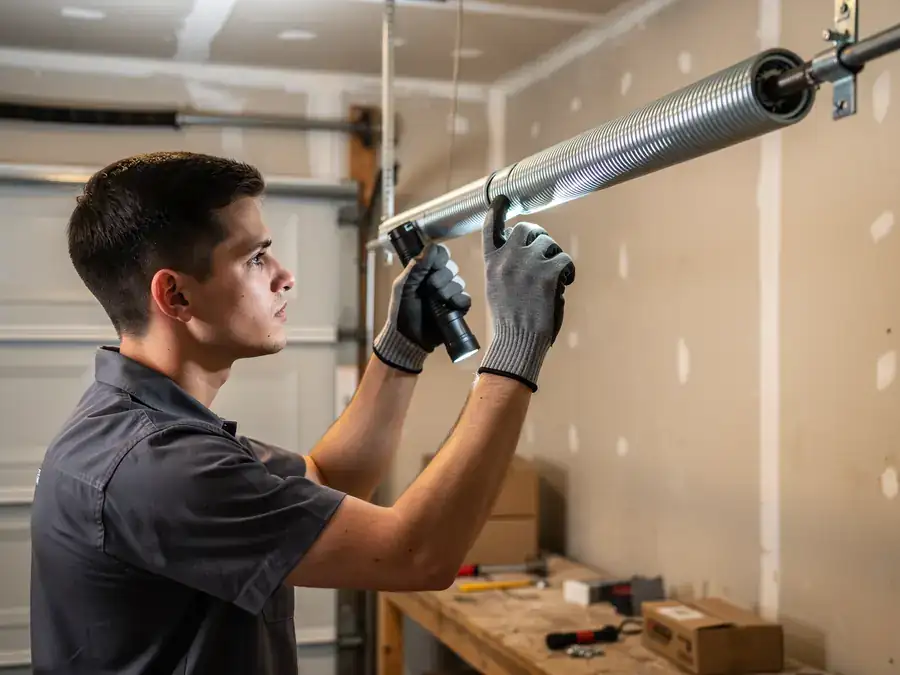
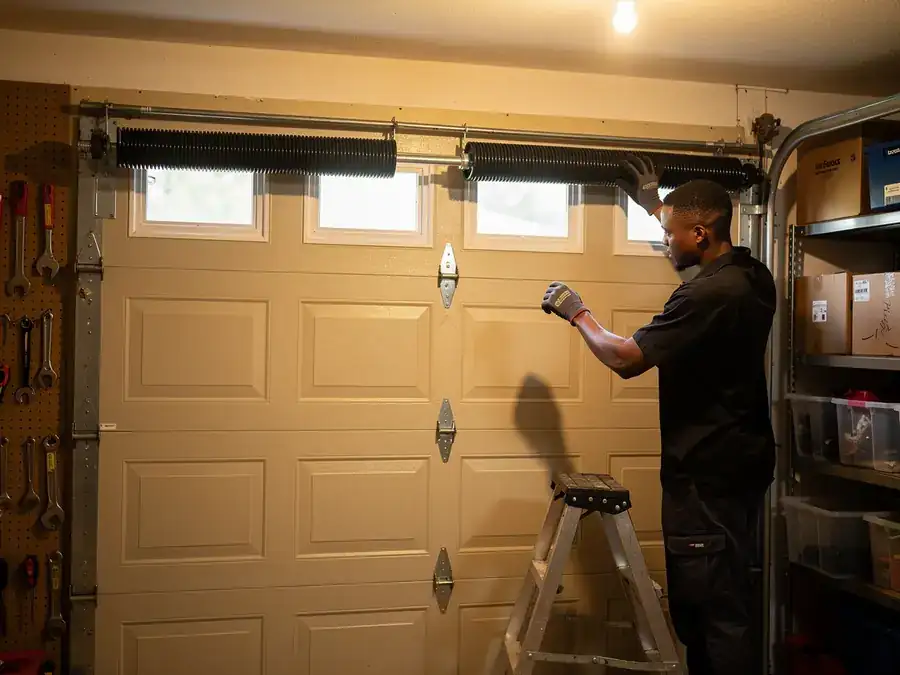
The most common misdiagnosis we see is an opener getting blamed for a problem that's actually in the door or track. If the springs are worn or a cable has frayed, the opener will strain, grind, or trip its own safety reverse, and swapping the opener won't fix anything. With Tega Cay's housing running newer than much of the rest of the service area, we see less of the spring fatigue that shows up in 1980s and 90s doors elsewhere in the coverage zone, but it's not absent, and it's the first thing we check before we touch the opener itself.
The other place this goes wrong is climate-related. The region sits in a cold-moderate band, and sensor lenses that fog or ice over briefly on a cold morning can look exactly like a dead opener to someone standing in the driveway. We check the sensors and their alignment before we recommend replacing anything electronic.
Parts We Carry
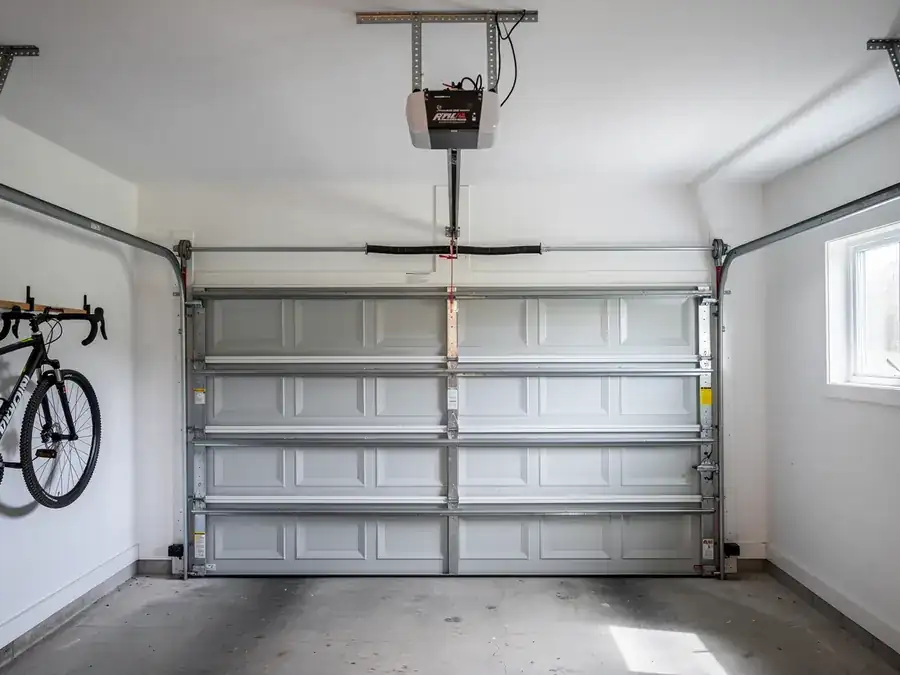
We stock the boards, drive gears, and sensor kits that fit the opener brands and models most common in homes built from the late 1990s through the mid-2000s, which covers the bulk of what's installed in Tega Cay. Belt-drive and chain-drive units from that window share enough common parts that we carry the wear items on the truck rather than ordering them per job.
What we don't stock are parts for openers that predate that window, the kind still running in some of the older sections of the wider service area. If your unit turns out to be one of those, we're upfront that it may need an order, and depending on the unit's age, replacing the whole opener can end up costing less than chasing down a discontinued part for it.
What the Repair Takes
Most opener calls start the same way
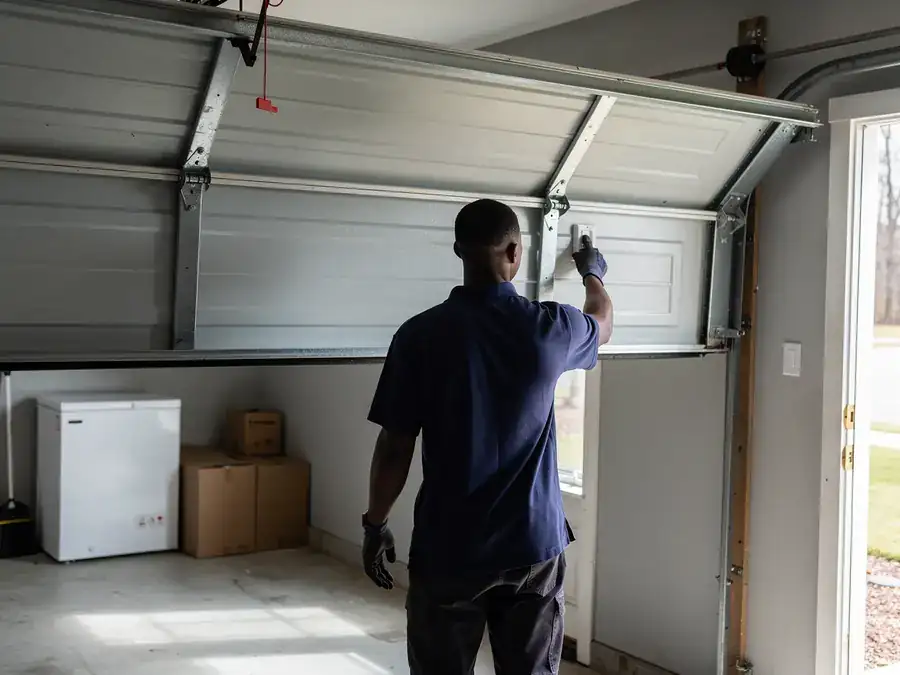
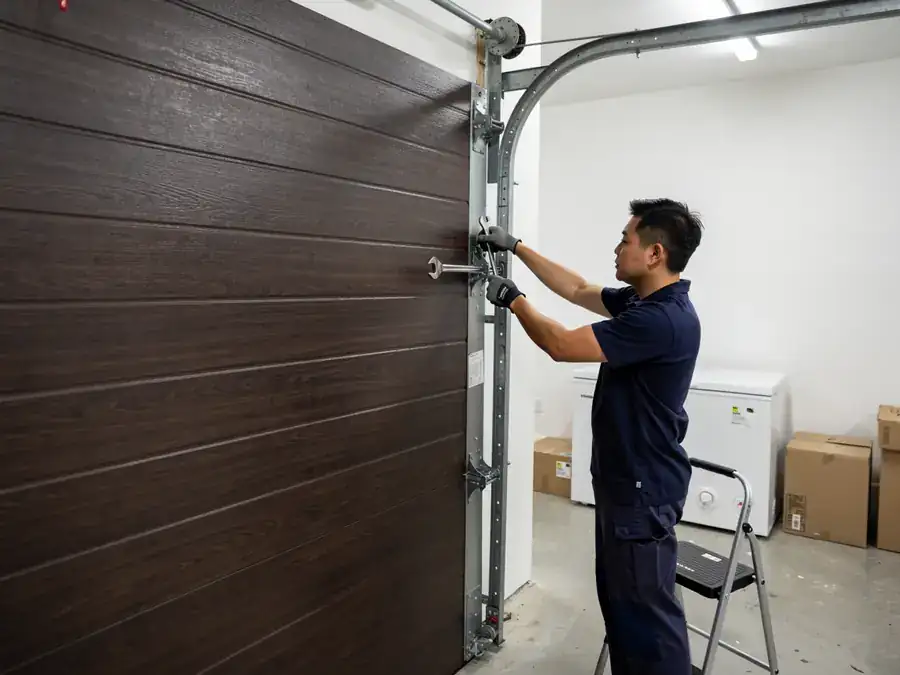
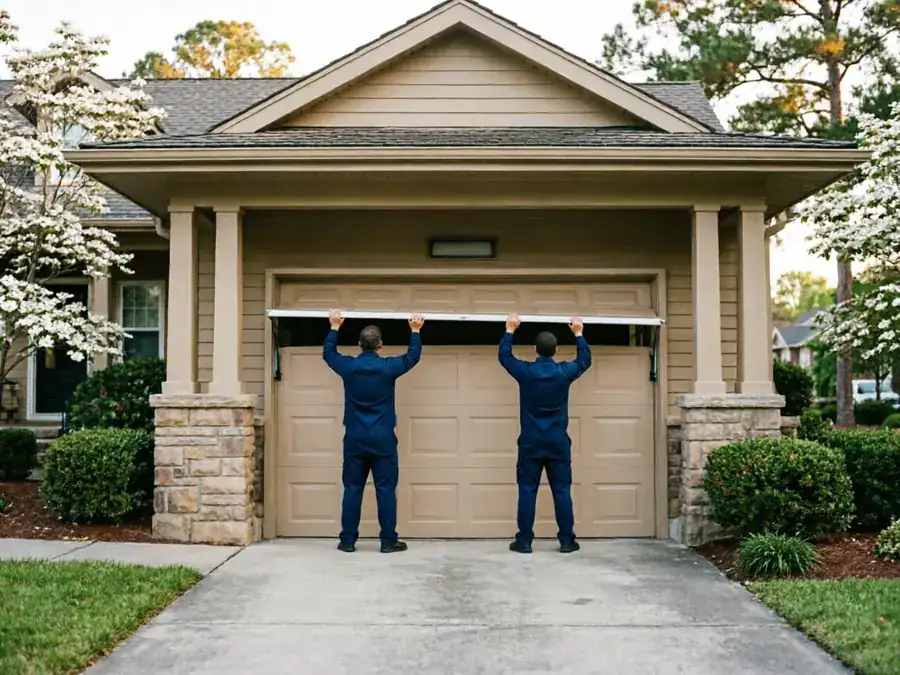
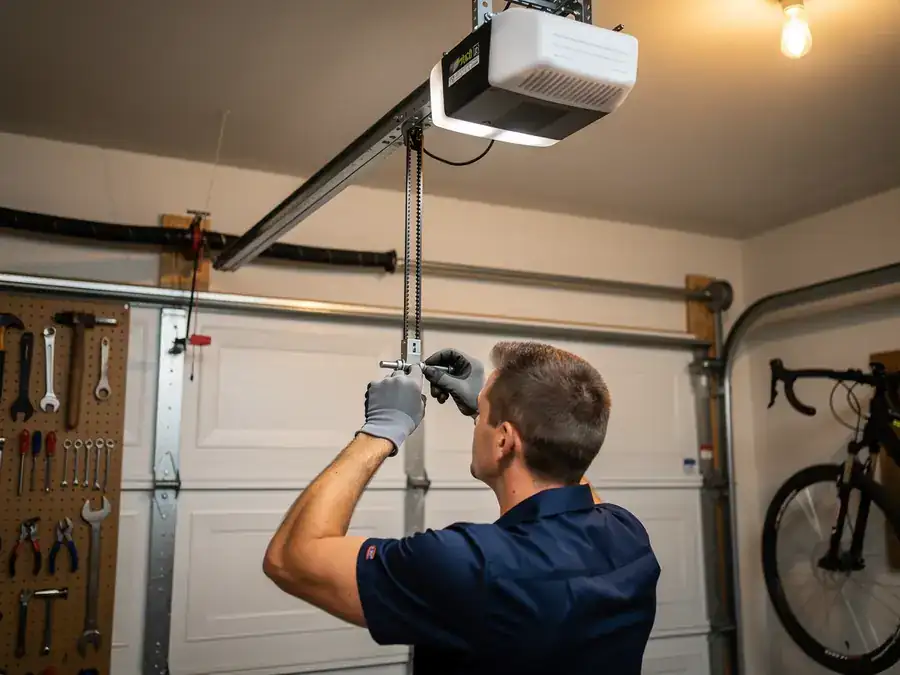
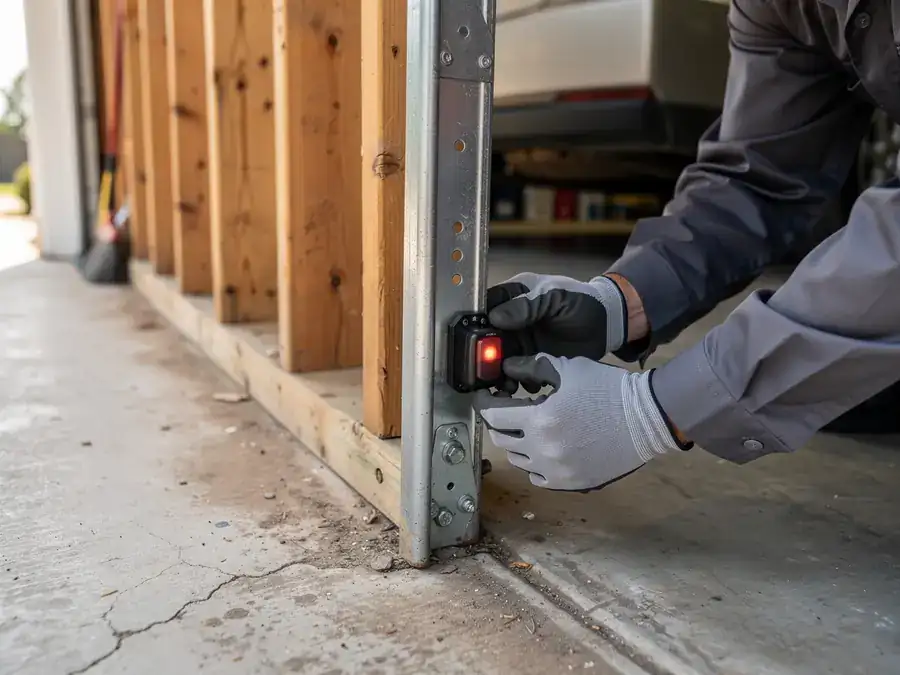
We run the door manually first to rule out a spring, cable, or track problem before we ever open the opener housing. Once we've confirmed the opener is the actual fault, we check the circuit board, the drive mechanism, and the safety-eye sensors in that order, since sensor misalignment is the cheapest and most common fix and we don't want to sell you a board you don't need.
With 4,775 households in Tega Cay and a housing stock concentrated around 2006, we're mostly working on openers in the 15-to-20-year range, the point where boards and capacitors start failing even in units that were well maintained
That's an honest limitation worth naming: once an opener hits that age, a repair sometimes buys you a year or two before the next part goes, and we'll say so rather than let you spend money on a unit that's on its way out anyway.
- 4,775 households