What It Costs
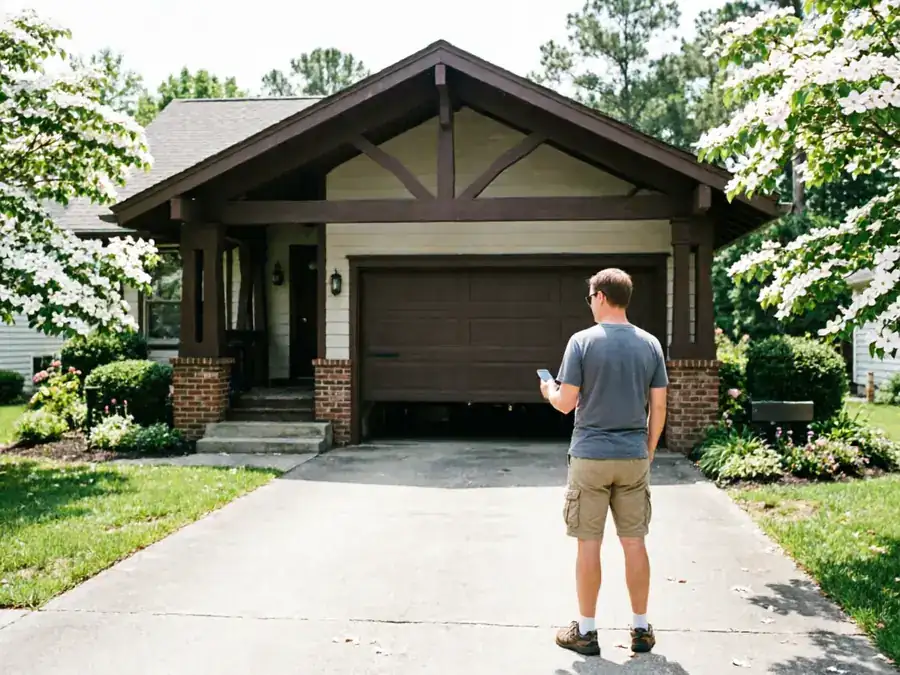
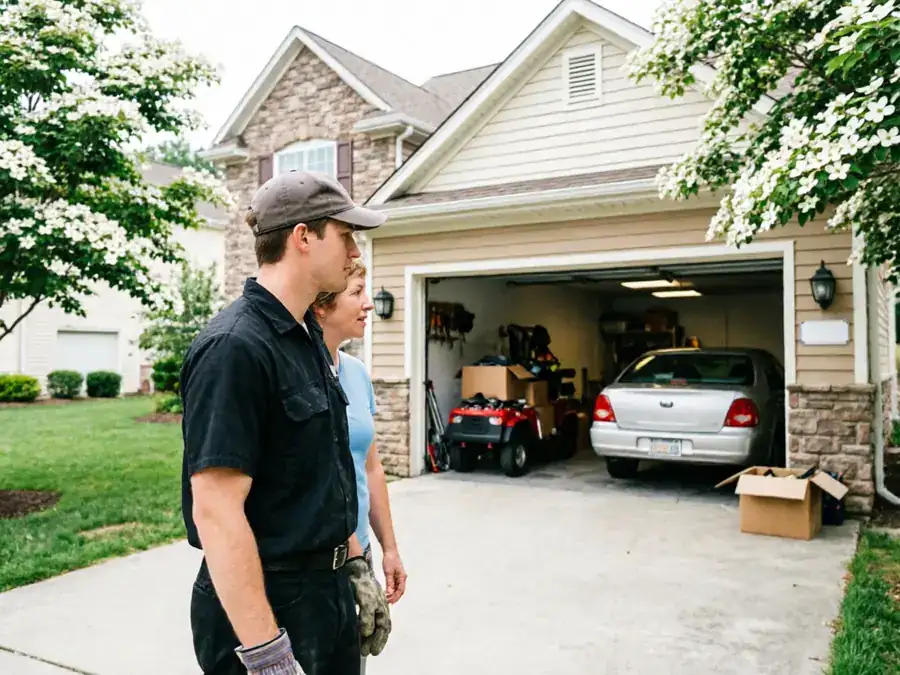
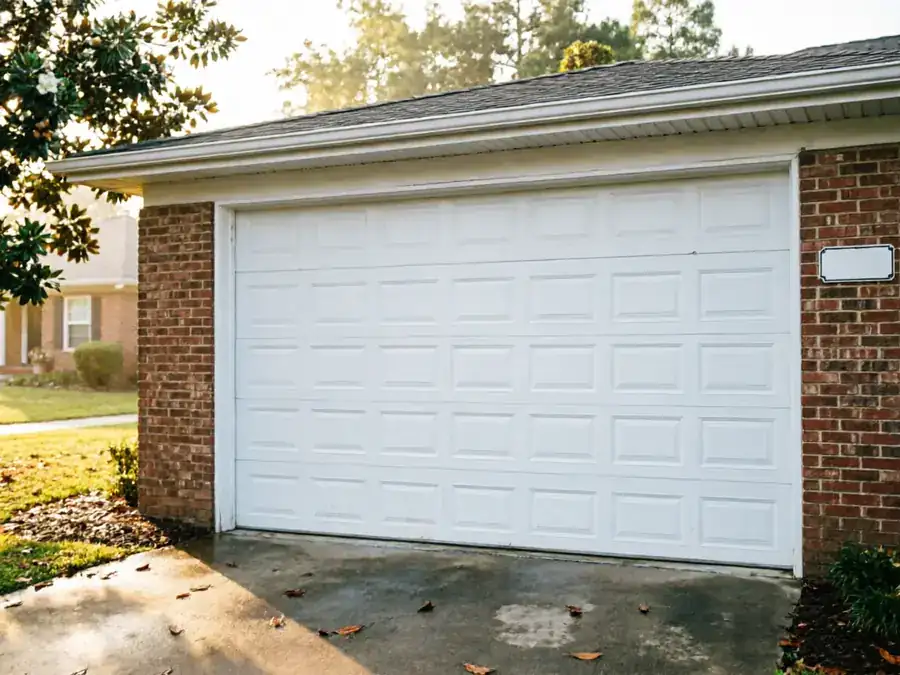
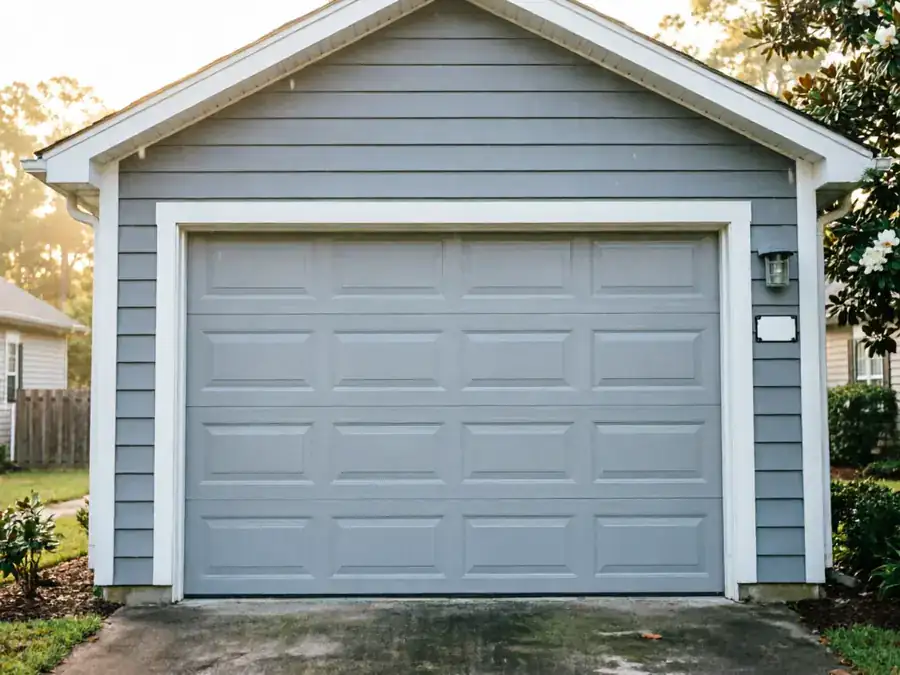
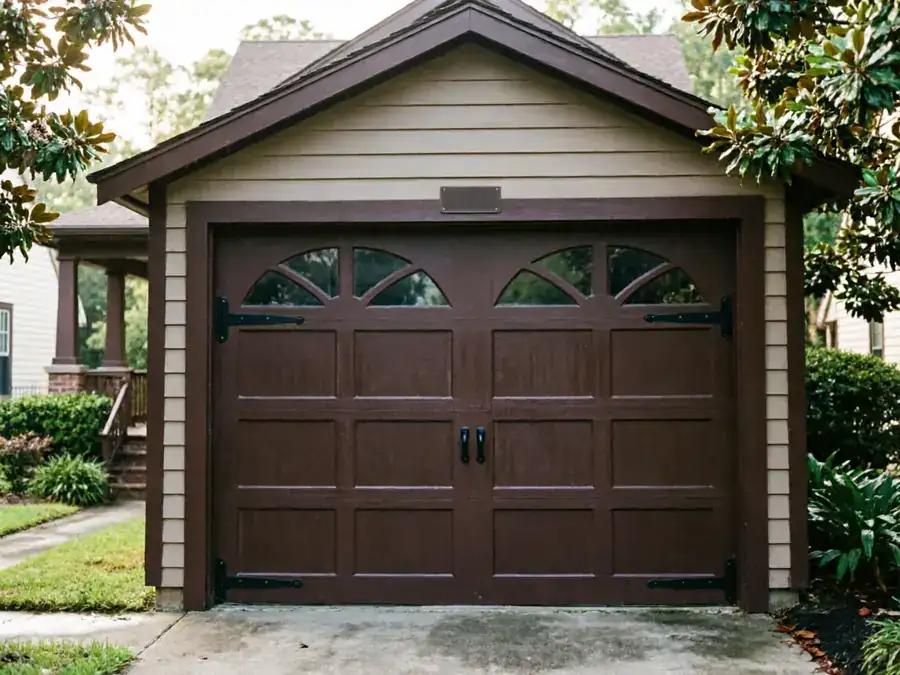
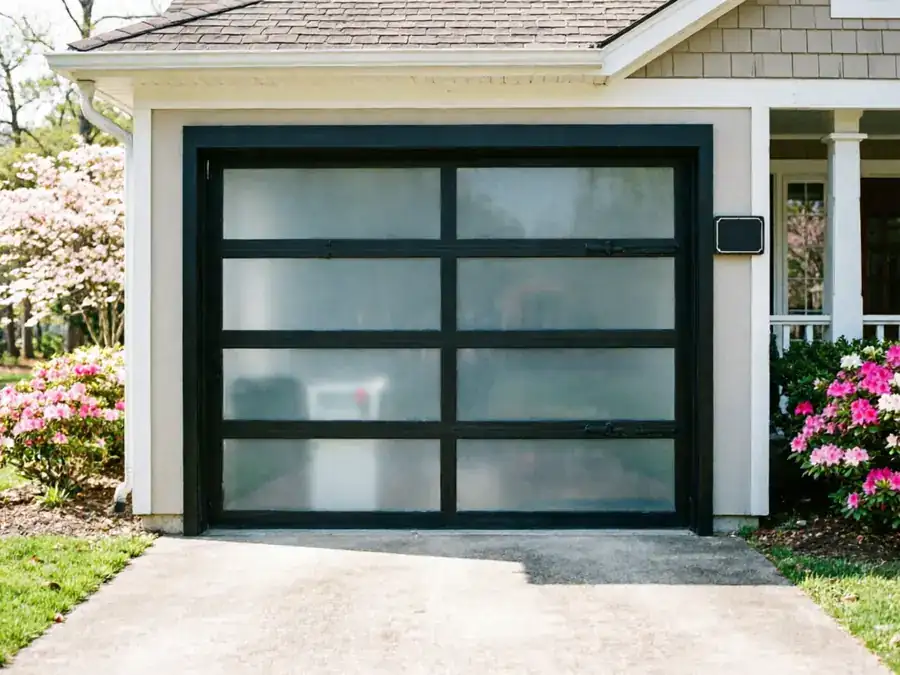
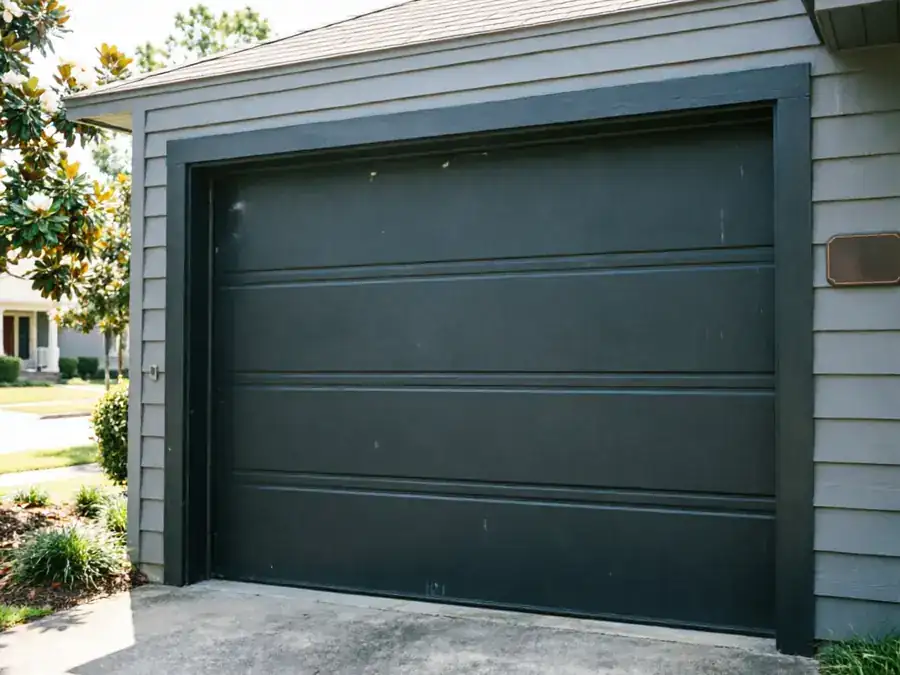
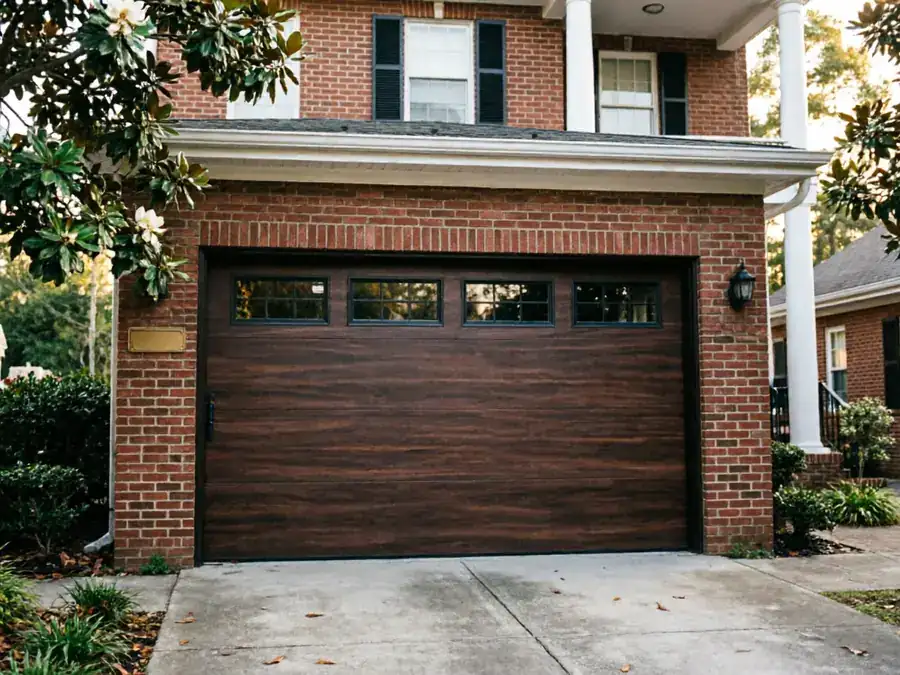
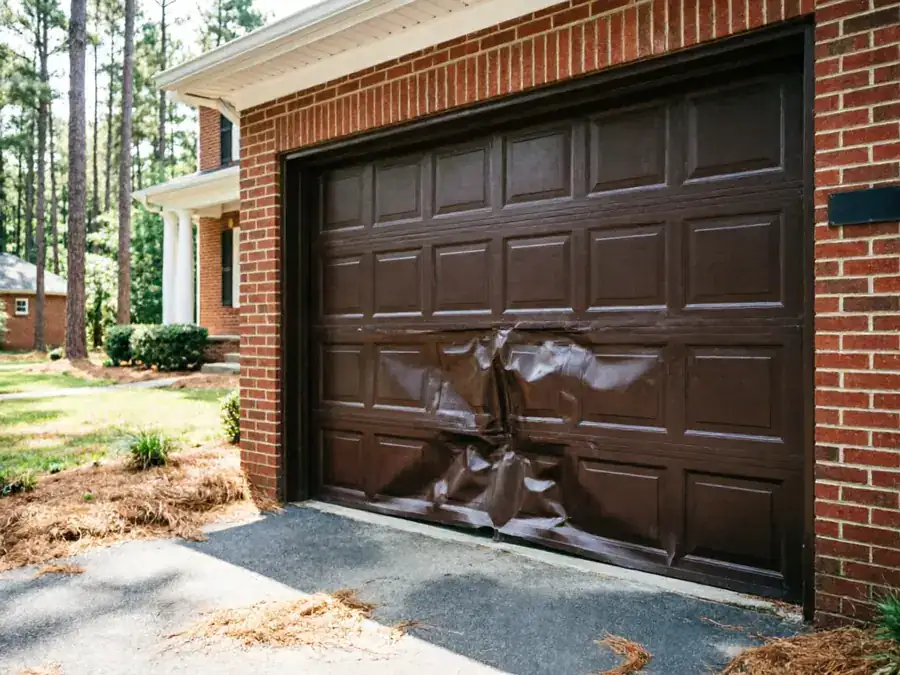
We don't post a flat number for new installs because the door itself drives the bill more than anything else - steel versus wood-look composite, single versus double, insulated versus not. What we can tell you is what shapes the decision in Tega Cay specifically. Median household income here runs $141,037, well above the $94,505 median across our wider coverage area, and a lot of the double-door jobs we quote in this town skew toward insulated steel with a heavier-gauge opener rather than the base builder-grade door that went in when the house was framed around 2006. That build year matters too - these openers are old enough now that a new door often means swapping the opener at the same time rather than trying to marry 20-year-old electronics to new hardware. We'll walk the driveway, measure the opening, and give you a real number before anything gets ordered. One honest limit: some insulated and custom-width doors run 2 to 4 weeks on manufacturer lead time, so if your opener just quit and you need a door this week, we'll talk about what's actually in stock versus what you'd have to wait on.
Can You Do This Yourself
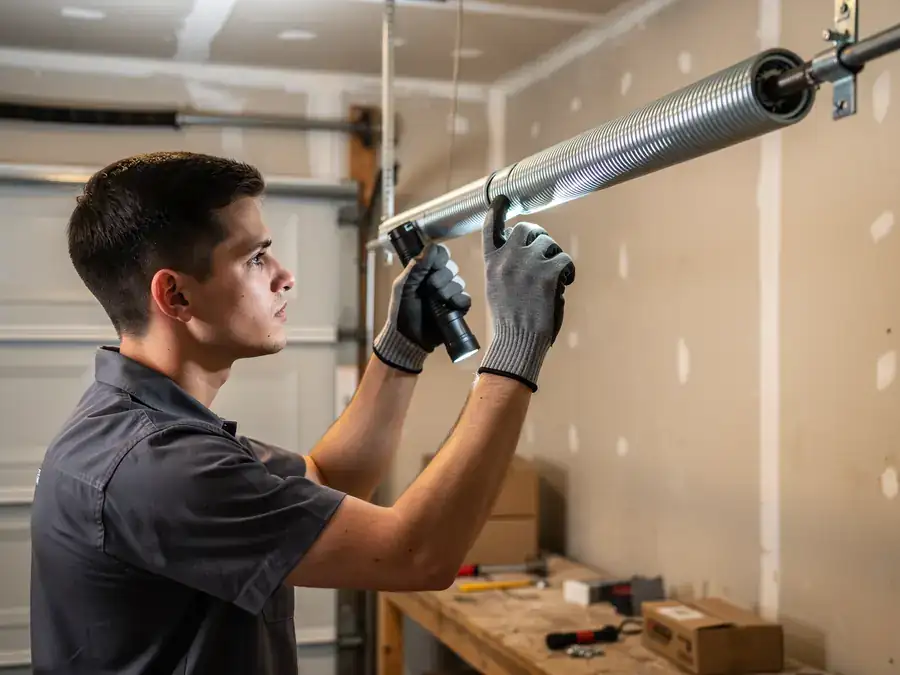
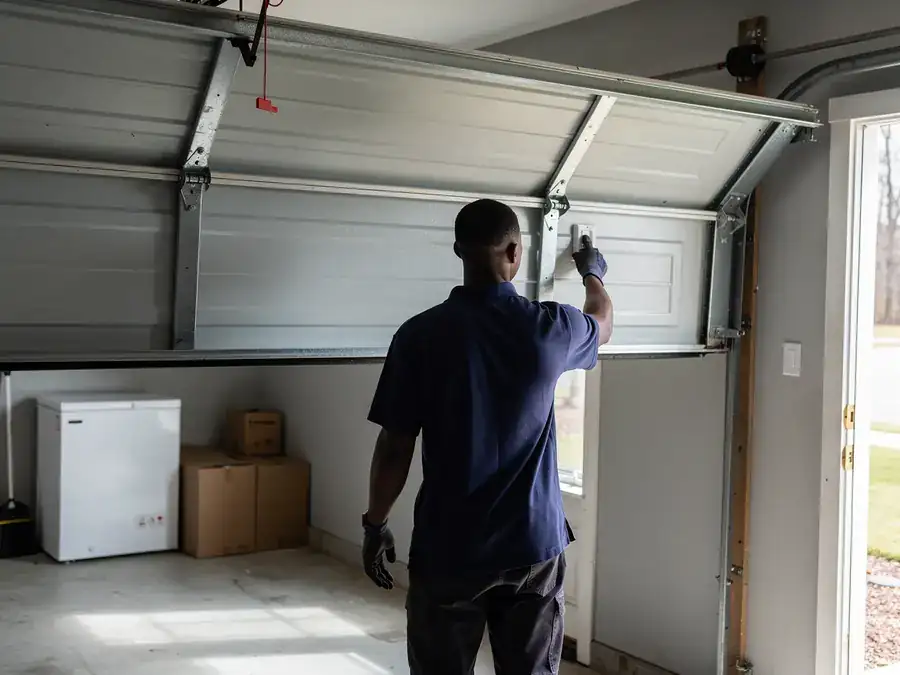
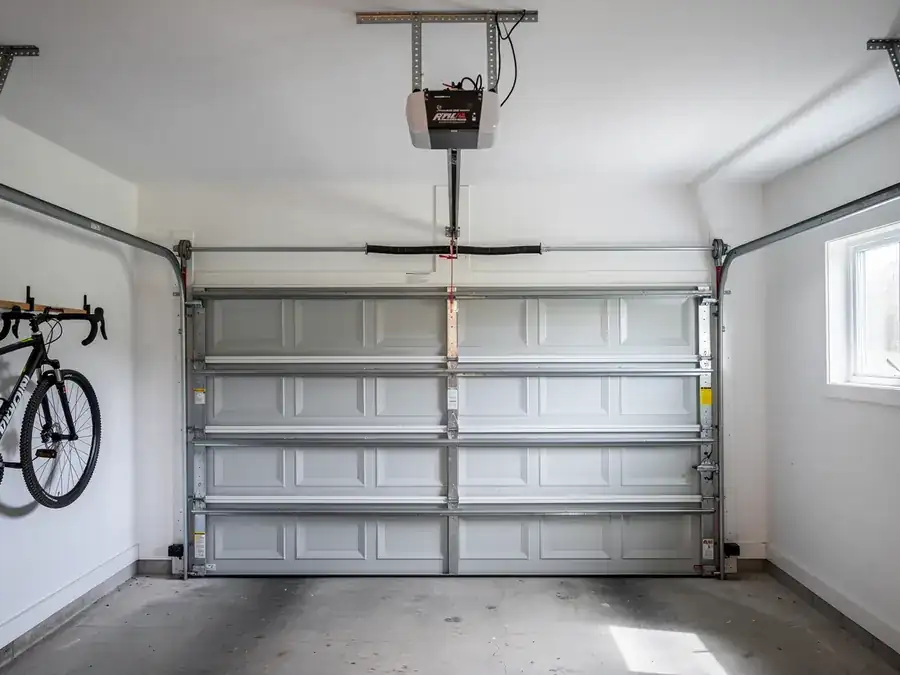
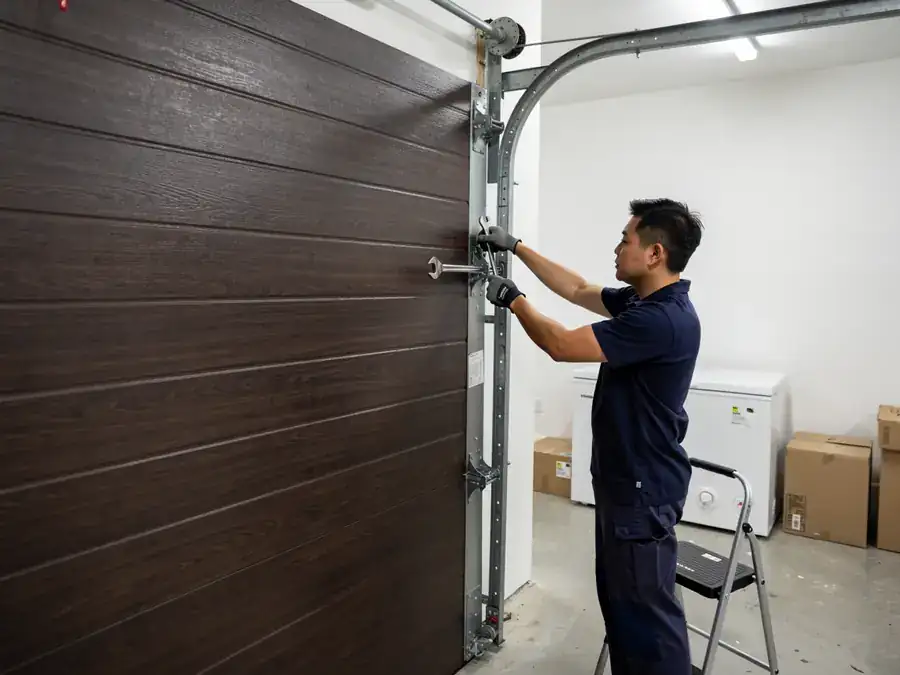
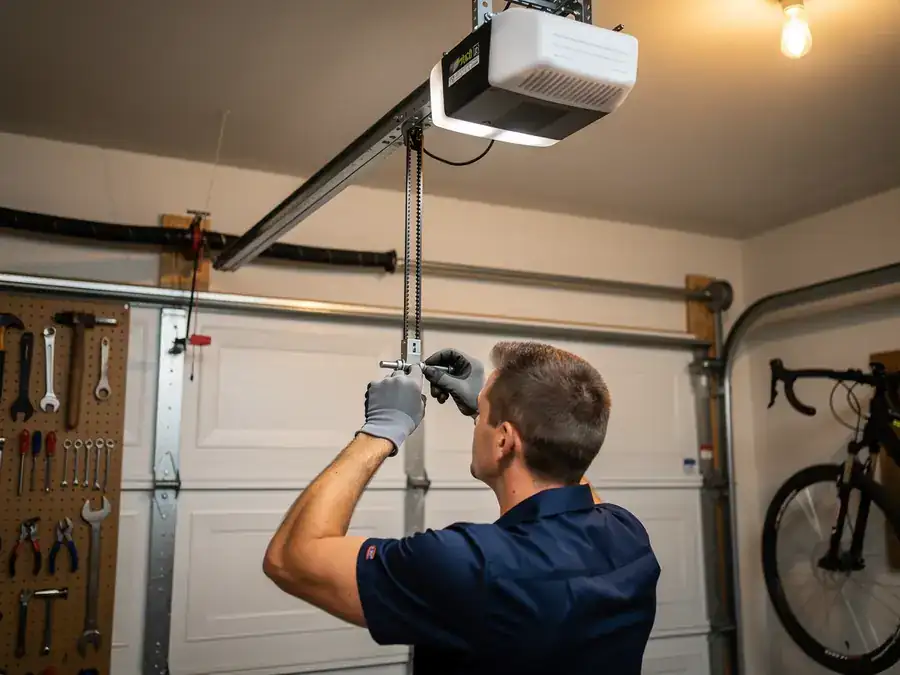
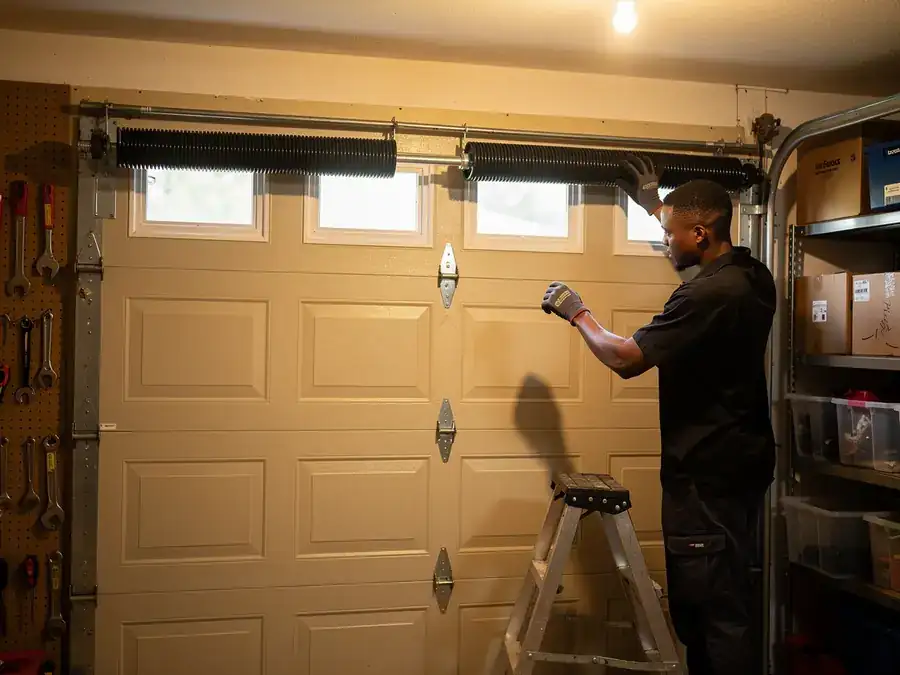
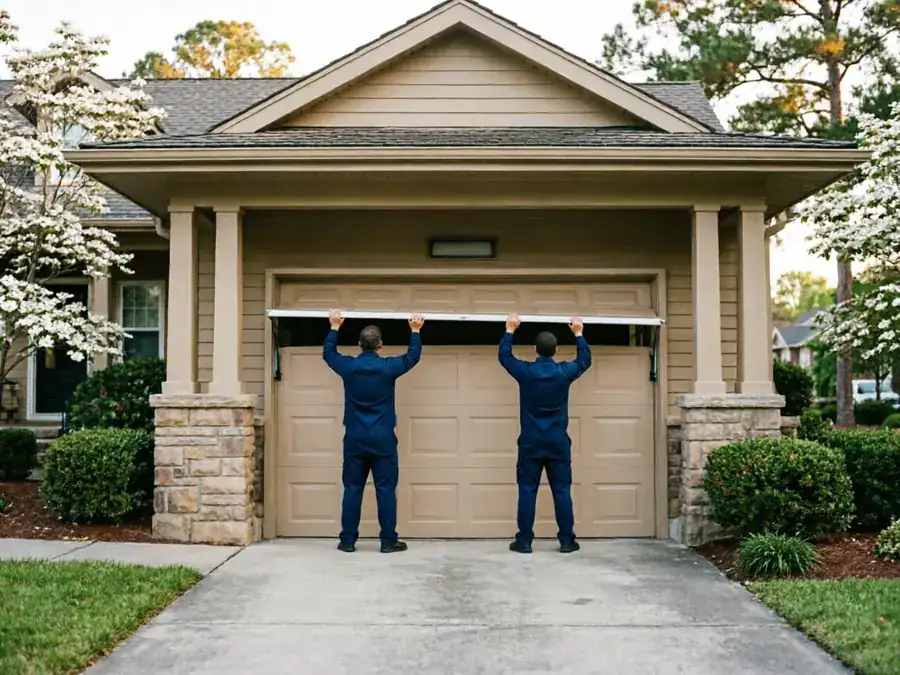
A new garage door install isn't a weekend bolt-on job, and the newer, heavier builder-grade frames common on 2006-era Tega Cay houses make it less forgiving, not more. The track has to be plumb, the spring sized correctly for the door's actual weight, and the opener's travel limits set so the door doesn't crush anything or reverse itself on a cold morning. Get the spring tension wrong on a double door and you've got a few hundred pounds of torque looking for somewhere to go. If you're comfortable with hand tools and have done structural work before, swapping panels on an existing track is sometimes within reach. A full tear-out and new installation - new track, new springs sized to the new door, new opener mounting - is a different job, and it's where we see the most callbacks from DIY attempts that got 90% of the way there. We're not going to tell you it can't be done. We're telling you the margin for error is small and the parts involved can hurt you.
Where This Job Goes Sideways
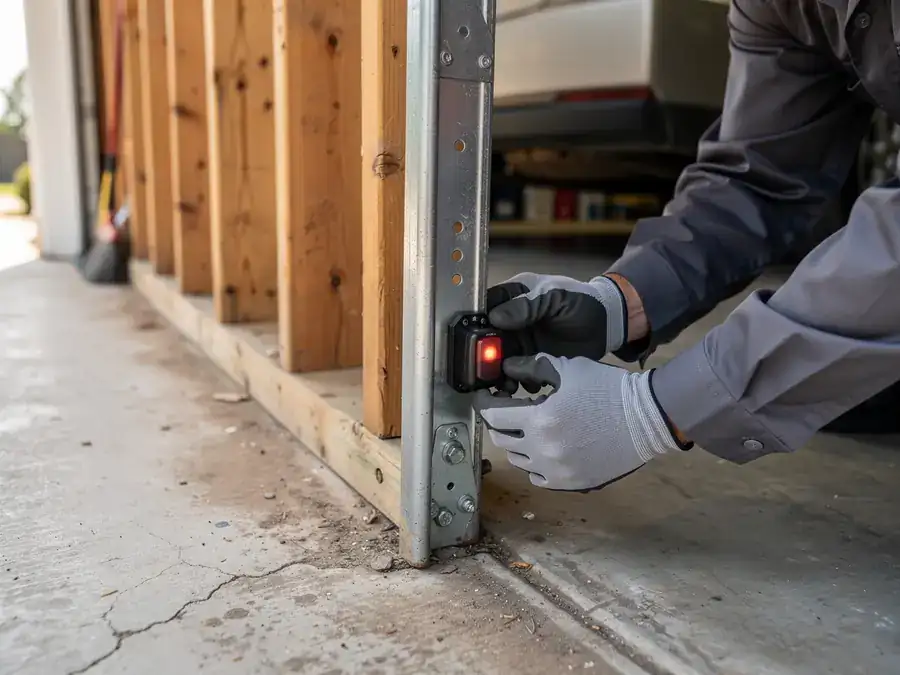
The most common surprise on newer construction like Tega Cay's isn't the door - it's the opening. Houses built in the mid-2000s sometimes have framing that's slightly out of square from settling, or a header that was never quite right from the build. You don't see it until the old door comes off and we're setting new track against it. We shim and adjust for that as standard practice, but on occasion it means extra bracing work that wasn't in the original quote. The other place this goes wrong is opener mismatch: a homeowner wants to keep their existing opener with a new, heavier insulated door, and the opener just isn't built for that load. We'll tell you up front if that's the case rather than hang a door that strains the motor from day one. Climate plays a role too - this area sits in a cold-moderate band, and an insulated door that isn't sealed right at the bottom astragal will let more cold air in than the uninsulated door it replaced, which defeats the point of upgrading.
Parts We Carry
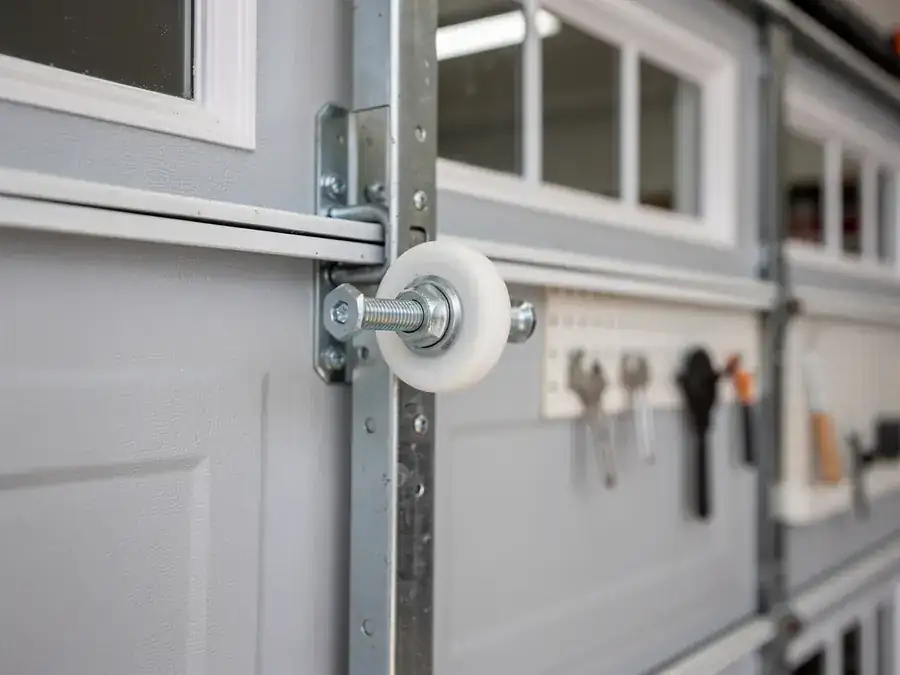
For new installs we stock standard steel doors in common widths, insulated and non-insulated, along with the torsion springs, cables, rollers, and track hardware sized to match. What we don't keep on the truck is anything custom - specialty wood-look composite panels, non-standard widths, or decorative glass inserts - because those come from the manufacturer on their schedule, not ours. Given that Tega Cay's housing stock mostly dates to 2006, we also carry openers rated for the heavier insulated doors that tend to replace the lighter builder-grade doors common in this area, rather than just matching whatever came with the house. If your opening is a standard size, we can usually turn an install around fast once you've picked a door. If it's not, we'll tell you that at the quote stage so there's no surprise on install day.