What It Costs
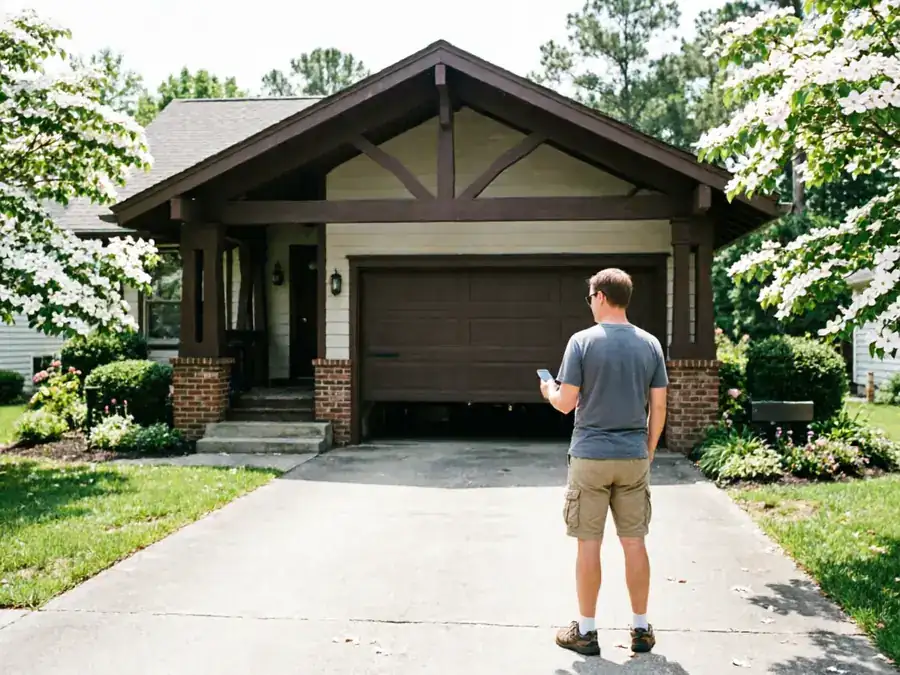
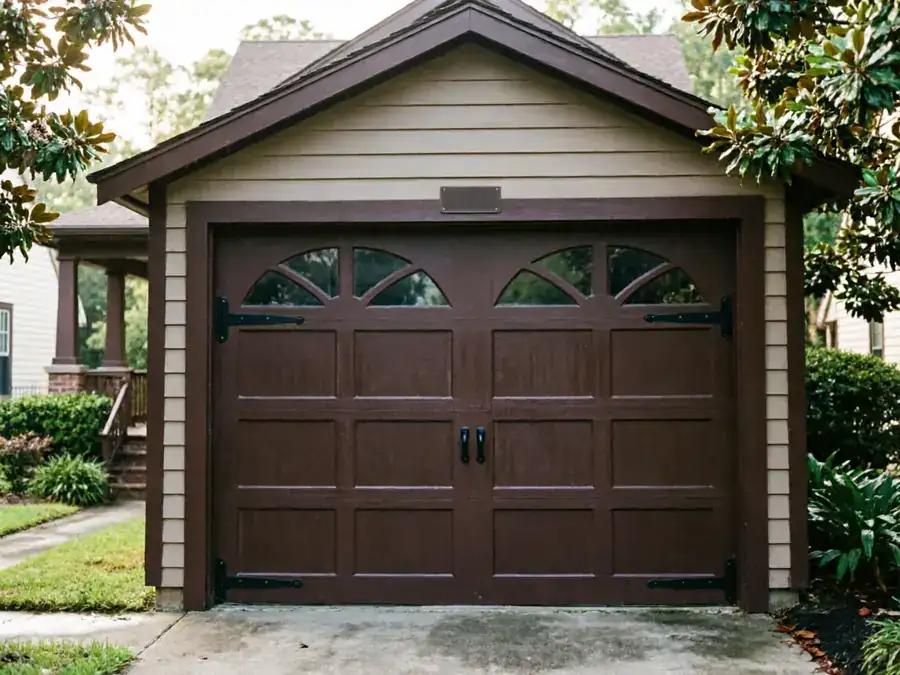
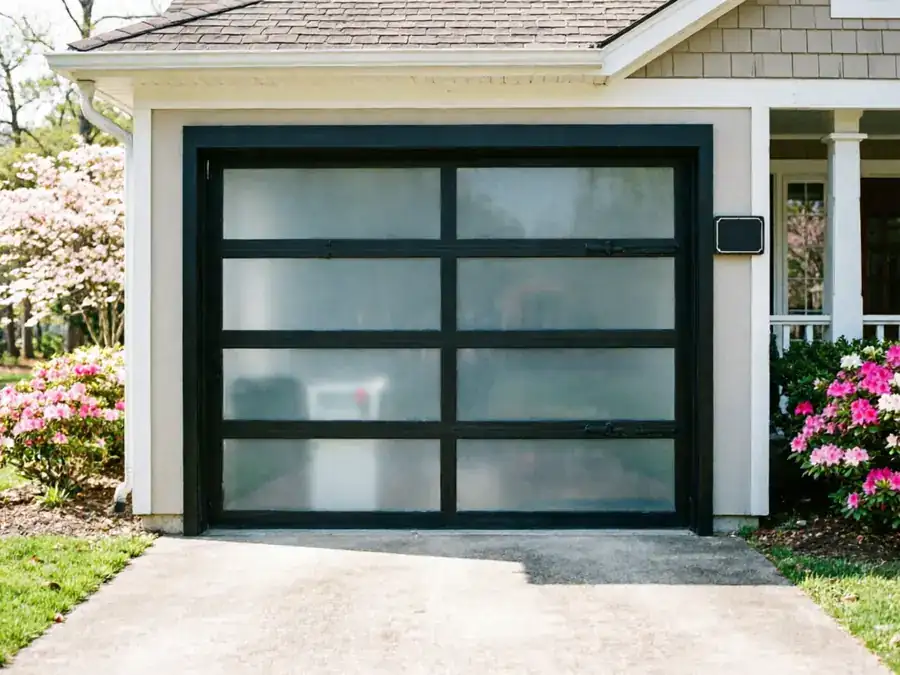
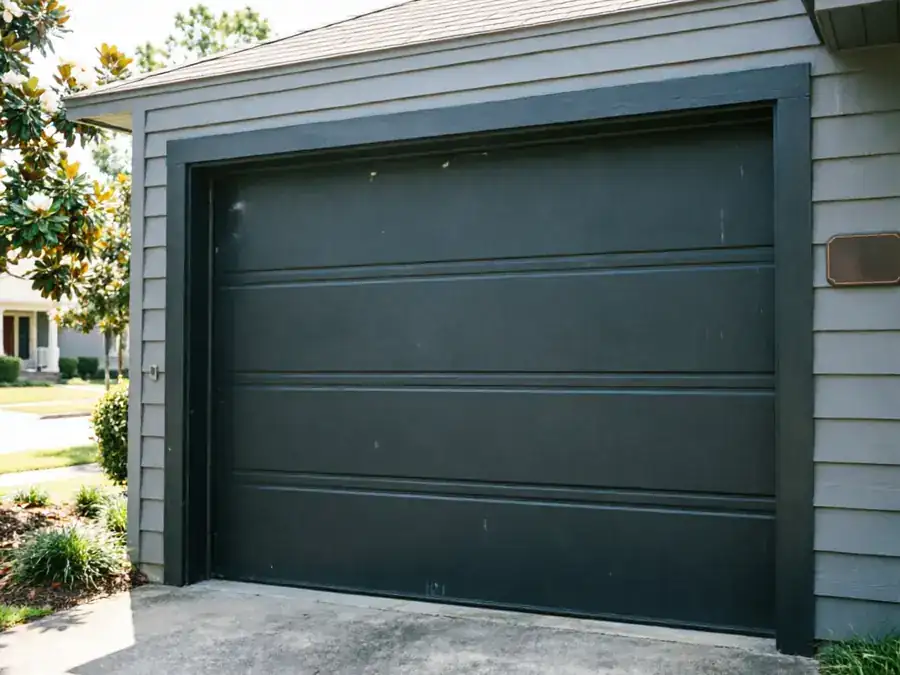
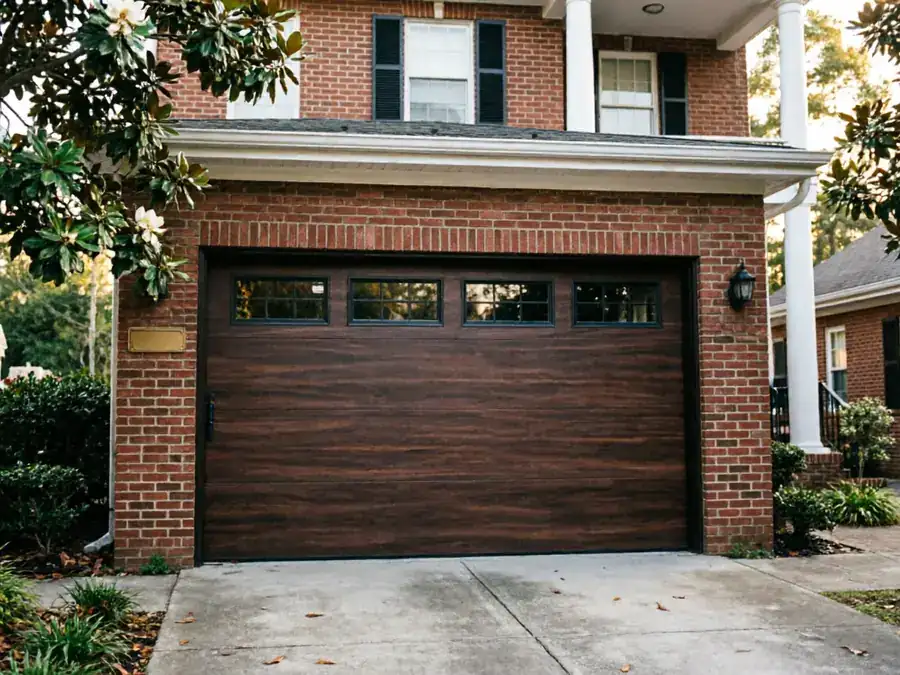
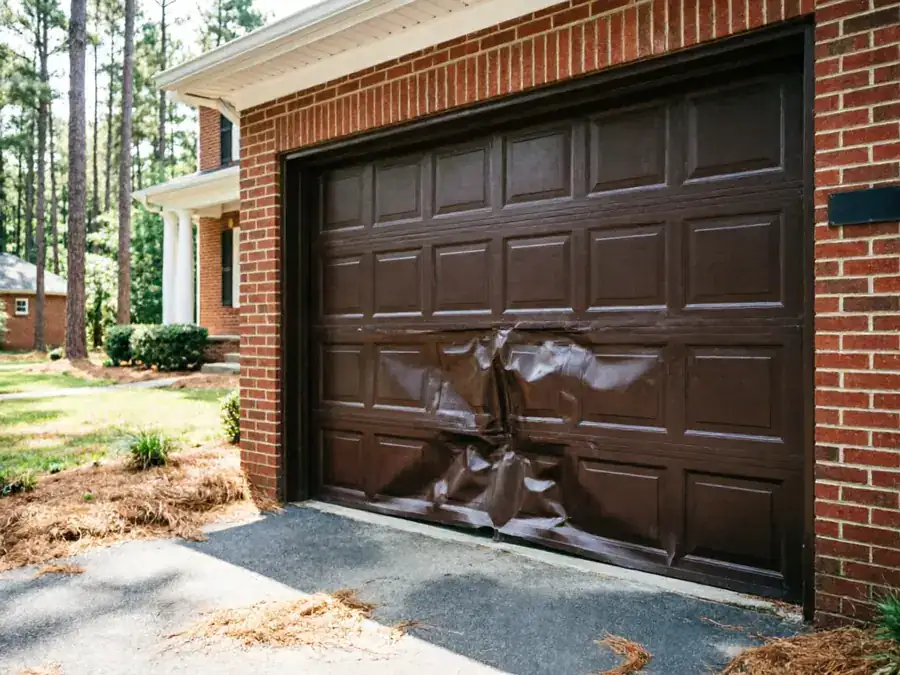
We're not going to print a number here that doesn't hold up once we're standing in your driveway. What drives the cost on a new install is the door itself - steel versus wood-composite, single layer versus insulated, standard lift versus a torsion conversion if the opening calls for it - and the condition of the track and jambs behind the old door. Newport sits at a median household income of $107,143, noticeably above the wider service area's $94,505, and in practice that shows up as more requests for insulated panels with windows rather than the bare three-layer steel door that was standard when these houses were built. We'll quote the job after we see the opening, the header, and what's already run to the opener - not before. If your framing is sound and the opening is a standard width, the job is simpler and cheaper than if we're rebuilding track brackets or running new power to the header.
What the Repair Takes
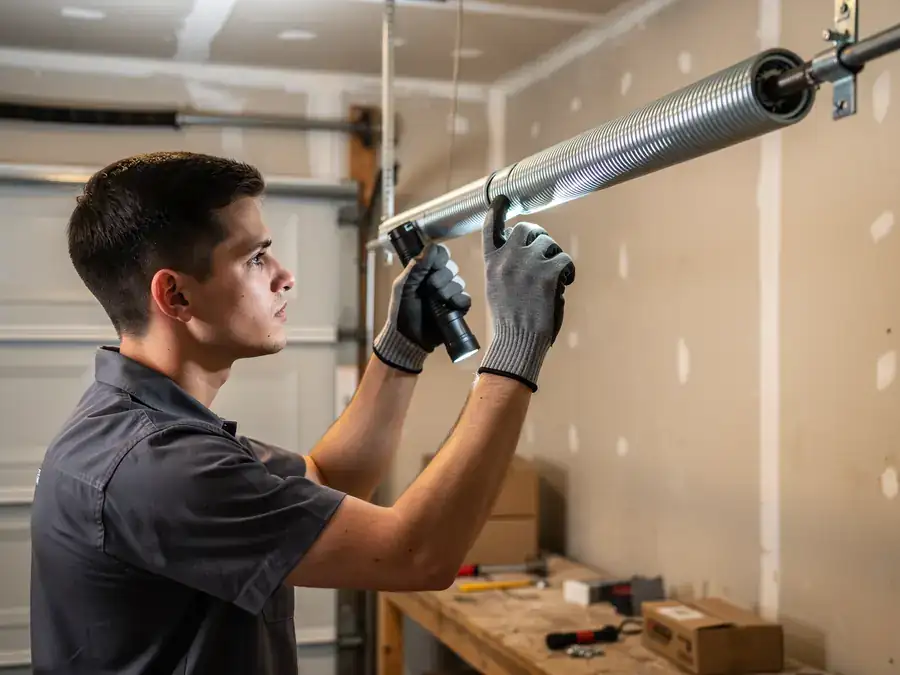
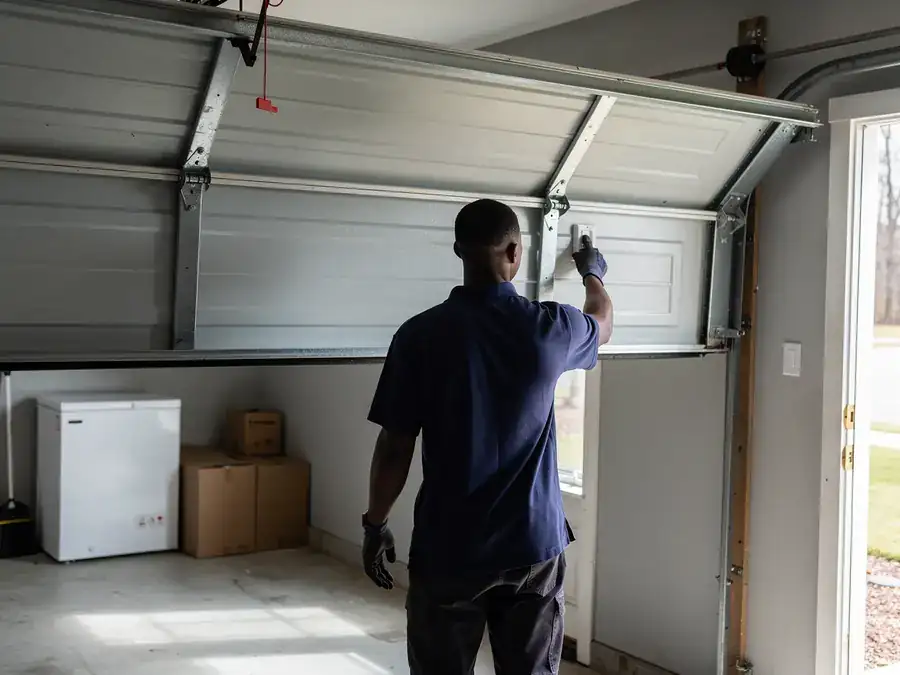
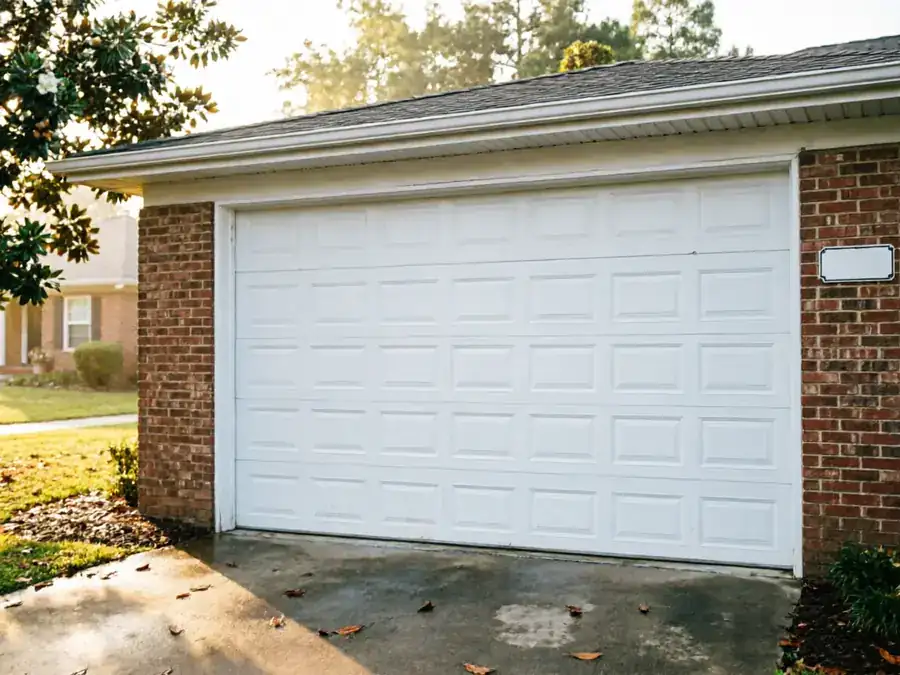
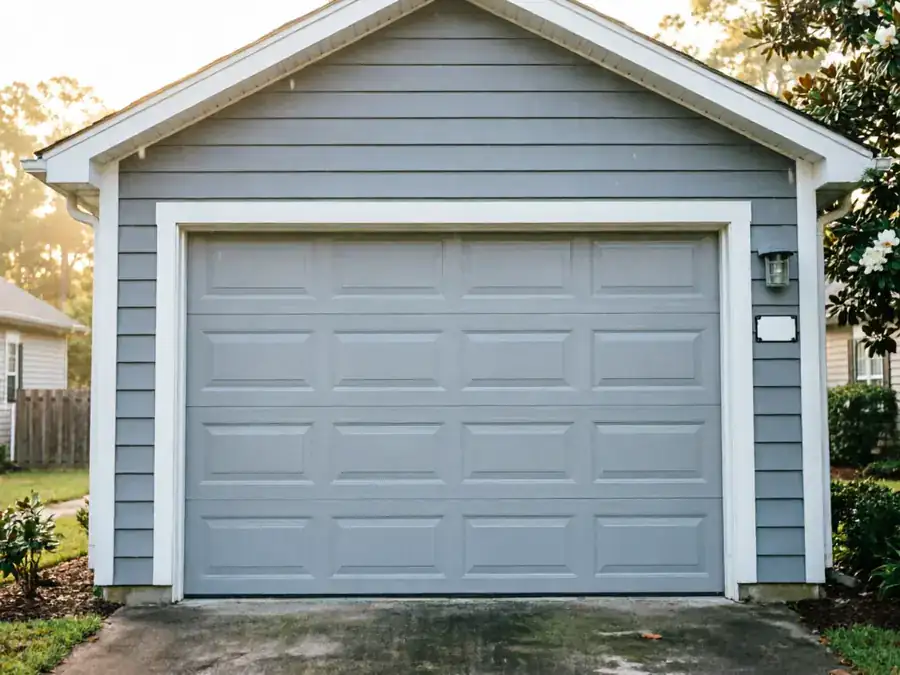
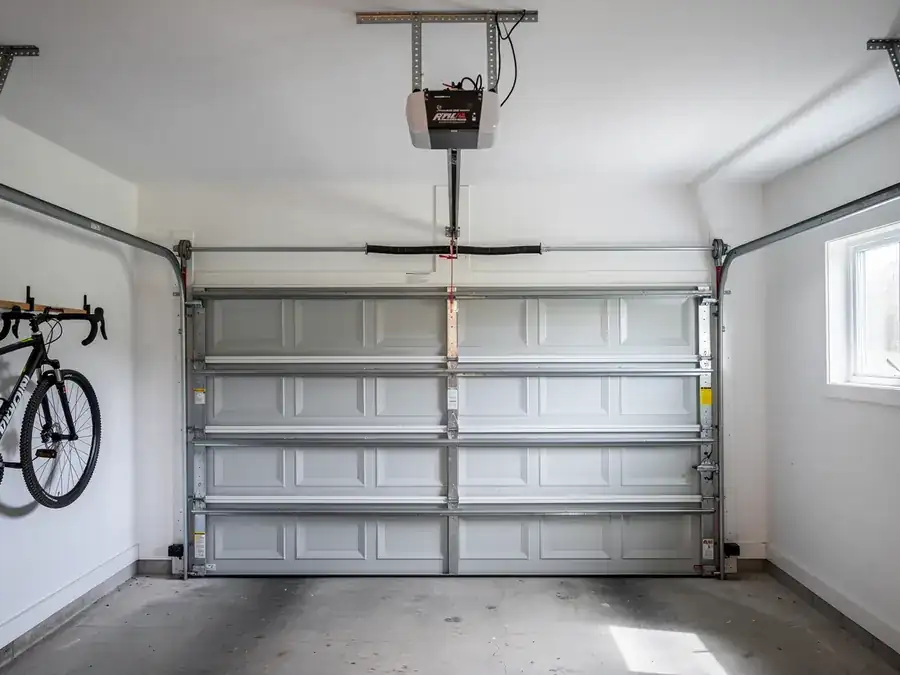
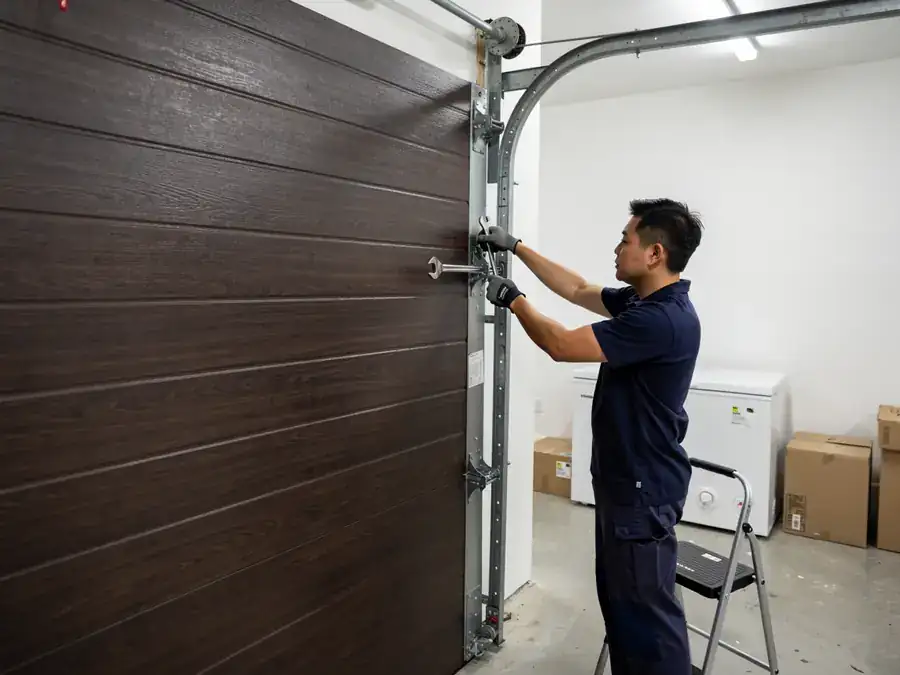
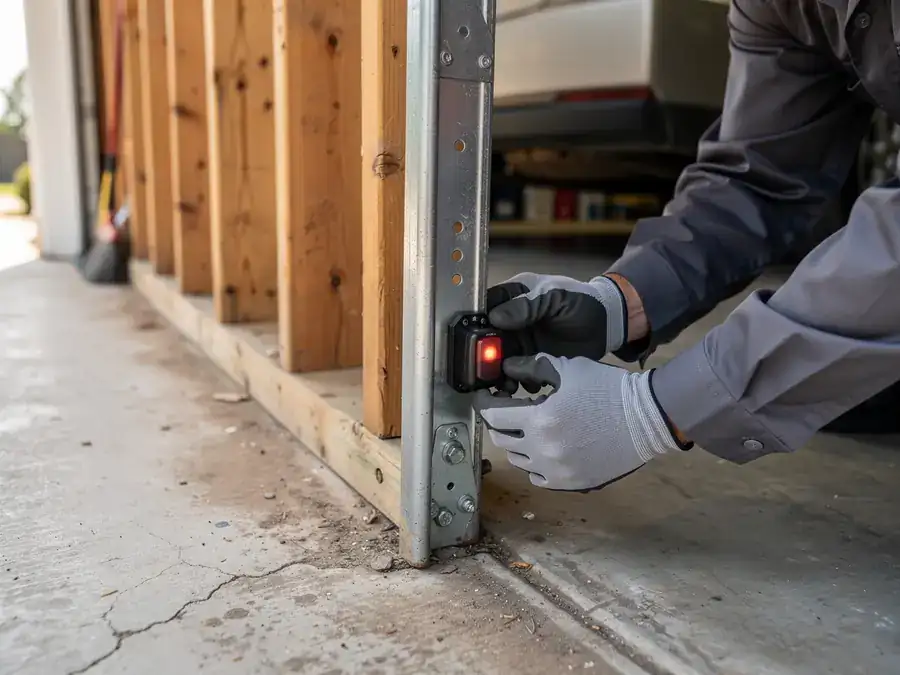
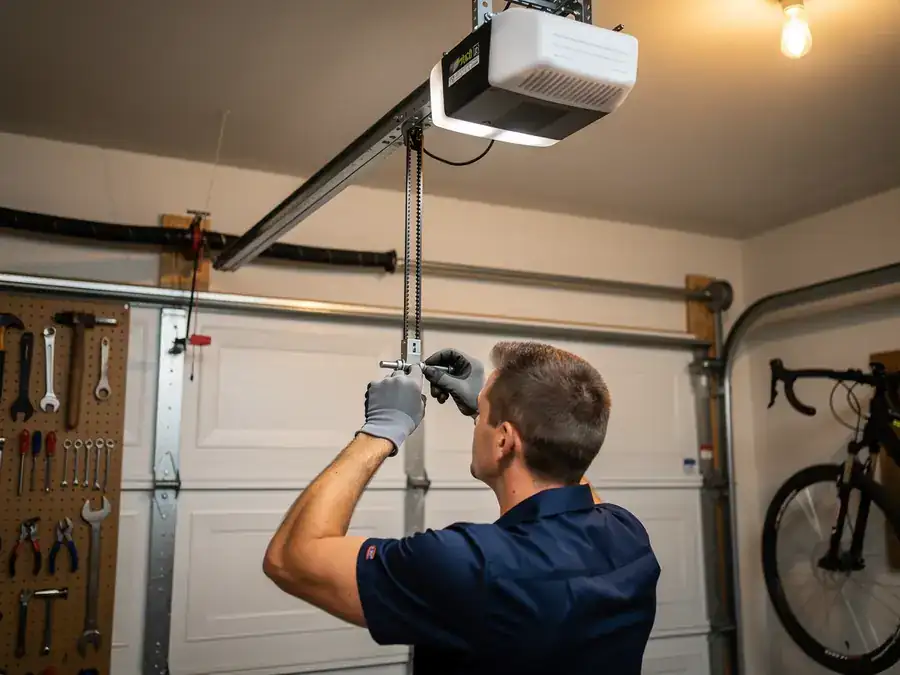
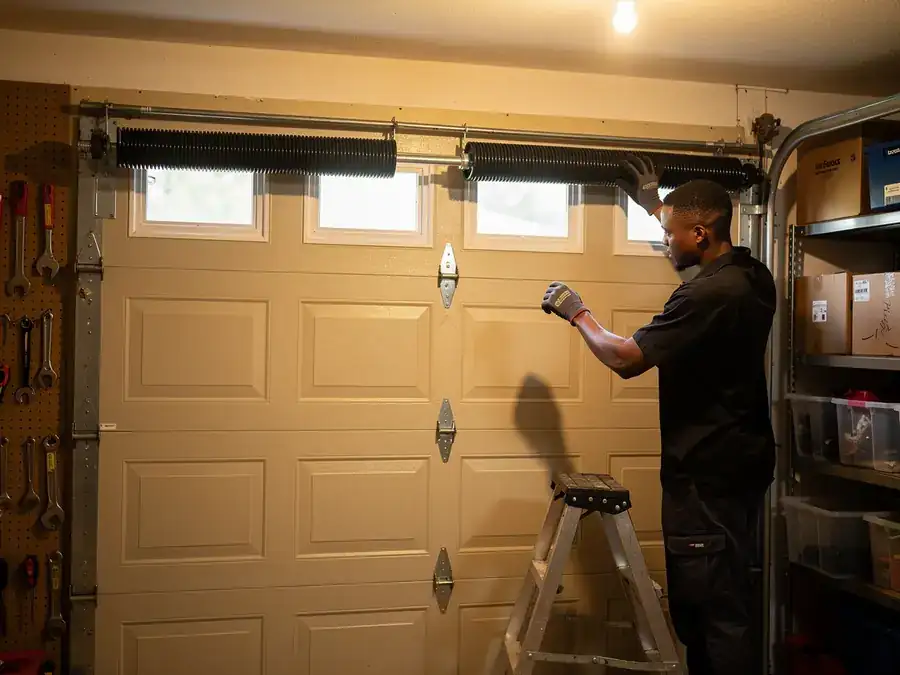
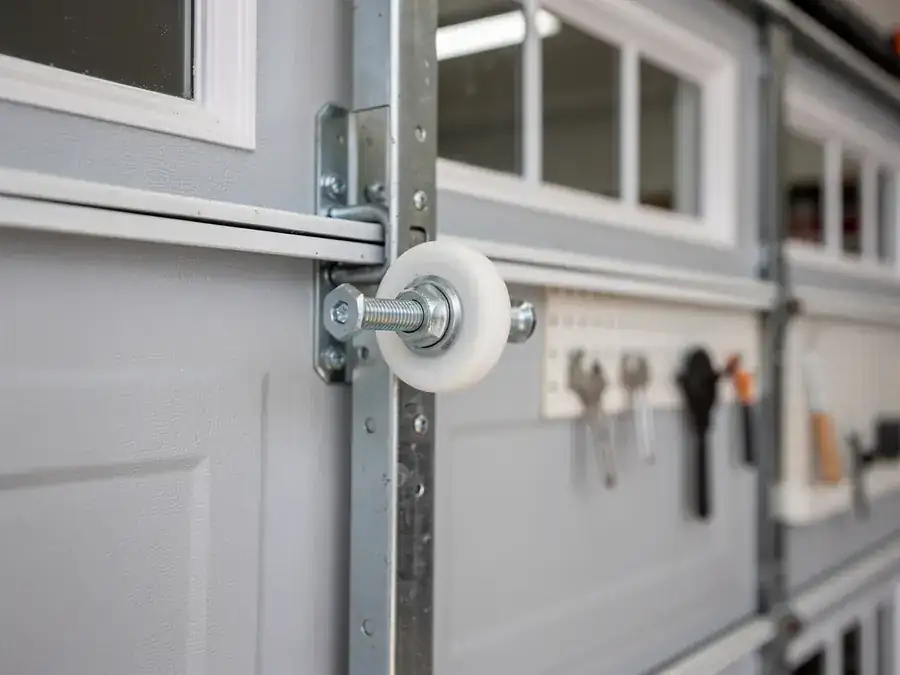
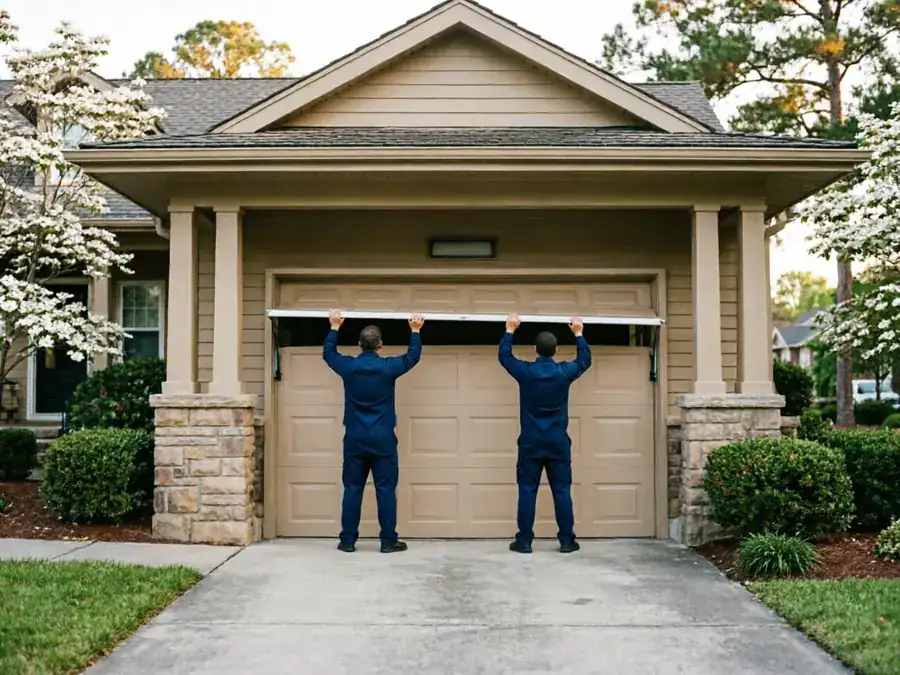
A full replacement means pulling the old door off its track, swapping the hinges and rollers, setting new vertical and horizontal track, and mounting a torsion spring sized to the new door's weight - that last part matters because a lot of early-1990s doors in this build era run lighter extension springs that won't hold a modern insulated panel safely. We re-level the jambs if they've settled, which is common in houses from this period, then set the opener travel limits and safety sensors to match the new door height. If the opener itself is original to the house, we'll flag it - most from that era don't have rolling-code security or battery backup, and pairing a brand-new door with a thirty-year-old opener is a mismatch we'll tell you about rather than just install around.
Why It Happens Here
Newport's housing mostly dates to around 1991, which puts a lot of original garage doors and their openers right at the point where torsion springs fatigue and circuit boards start failing together - not a coincidence, just two parts from the same era wearing out on the same schedule. Across the wider Fort Mill service area the housing stock runs 1979 to 2006 with a median build year of 1997, so Newport sits slightly older than the area average, which means these calls tend to arrive a few years ahead of the neighborhoods built later. In a cold-moderate climate band, a door that shipped without the weatherstripping standards common after the mid-1990s leaves a visible gap at the floor once the original vinyl seal shrinks and cracks - that's less about weather damage and more about a part reaching the end of its service life on schedule.
Getting It Booked In
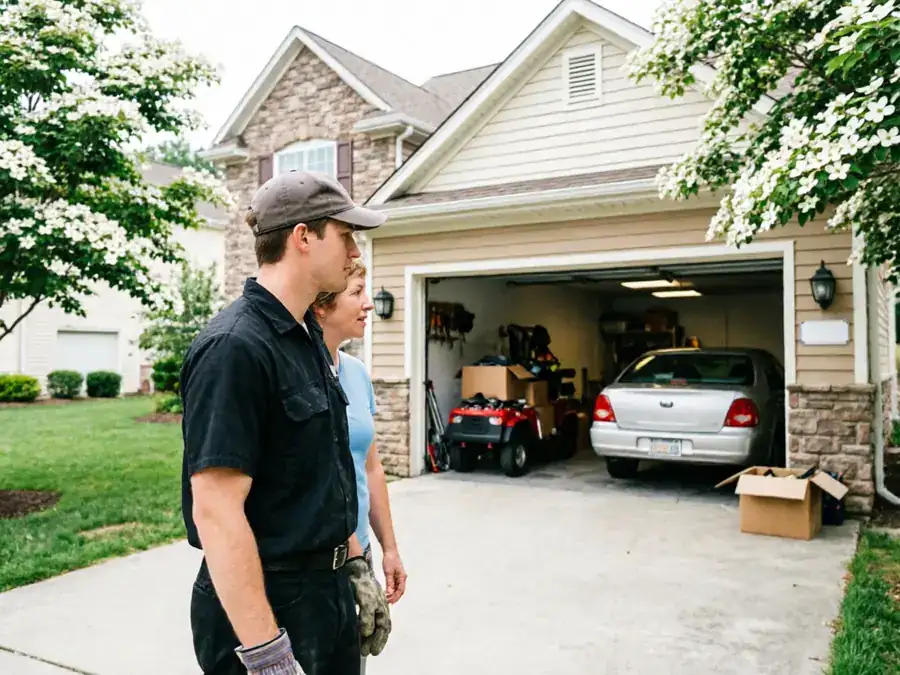
We come out to Newport from Fort Mill, about eight miles up the road - there's no branch or depot in Newport itself, so the appointment is set around the truck's route rather than a local crew sitting idle nearby. The wider area we cover runs to 17,630 households across nine named communities, and Newport's own 1,702 households make it one of the smaller stops on that list, not one with its own staging point. That doesn't change how the job gets quoted or installed, just how the visit gets scheduled - we'll give you a window, not an exact hour, and we'd rather tell you that now than overpromise and miss it.