Where This Job Goes Sideways
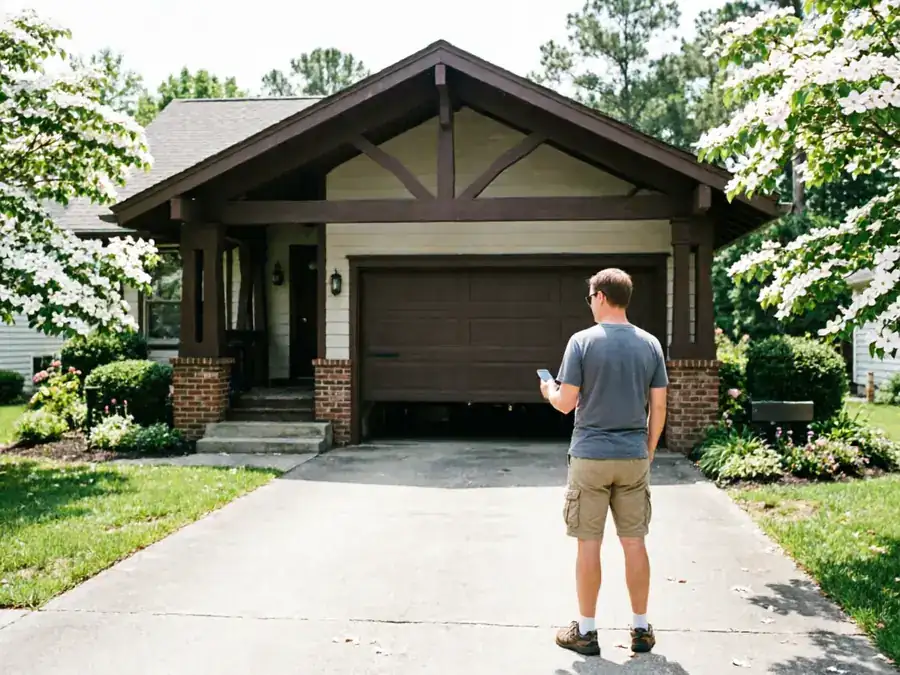
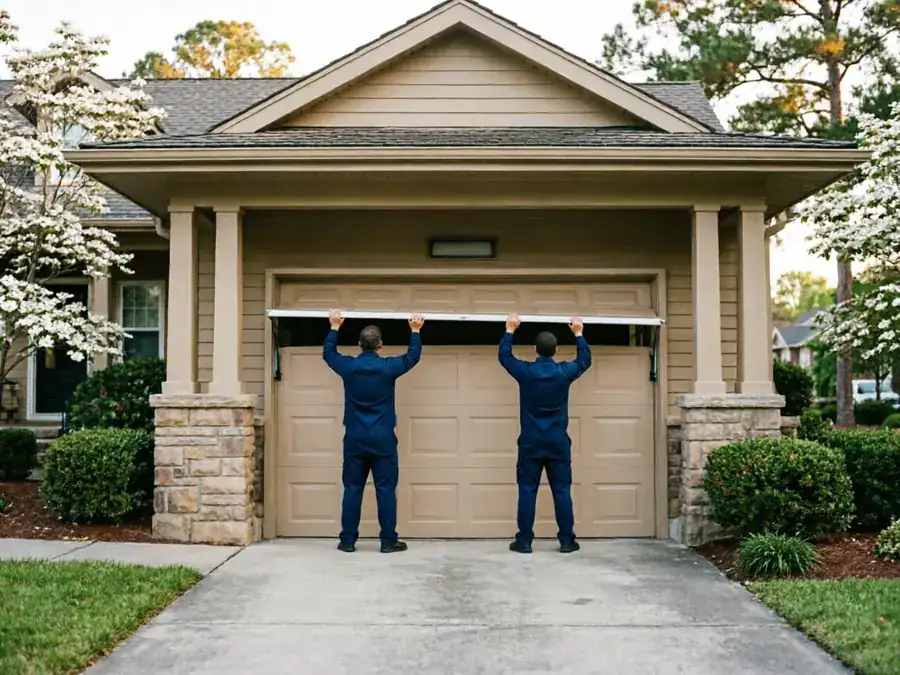
The call we get most from Clover isn't a broken spring on its own - it's a broken spring on a door that's also got a chain-drive opener from the same build year, both original to the house. Most of Clover went up in the 1980s and 90s, with the local median landing right around 1997. That means a lot of these garage systems are hitting 25 to 30 years old at the same time, on the same streets, built by the same handful of production crews using the same hardware specs.
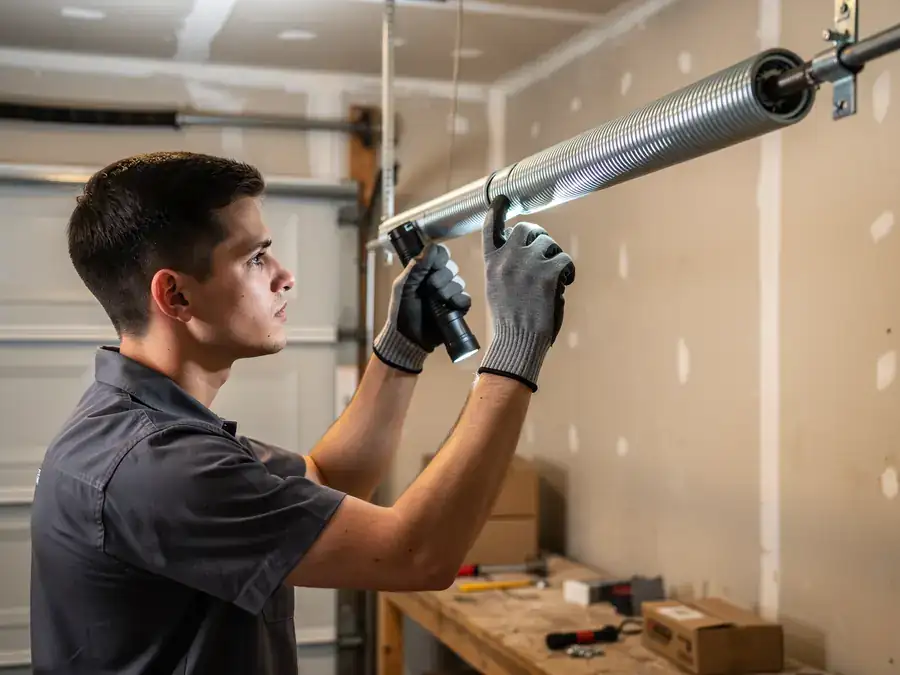
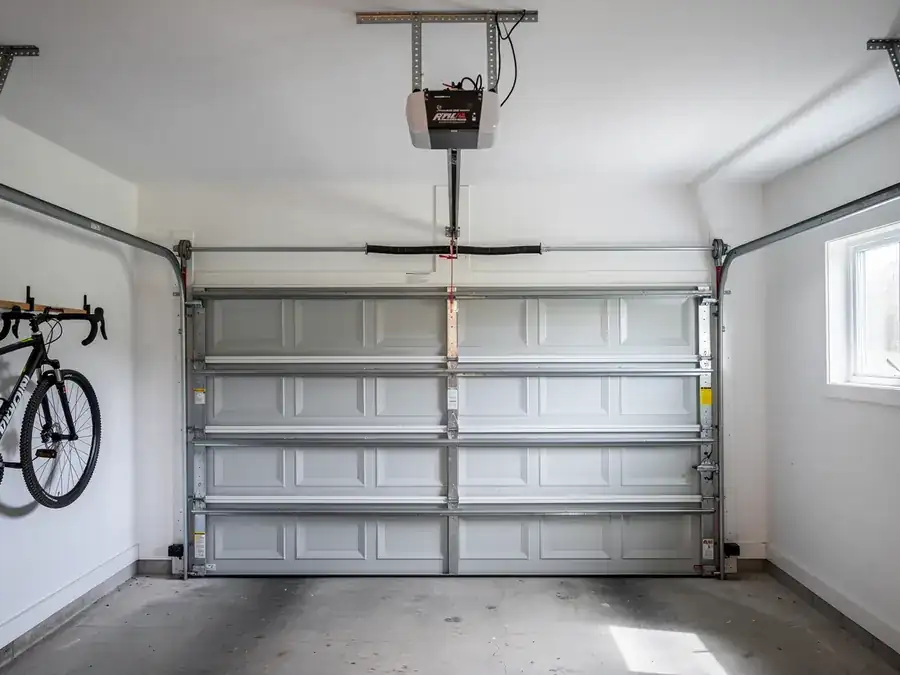
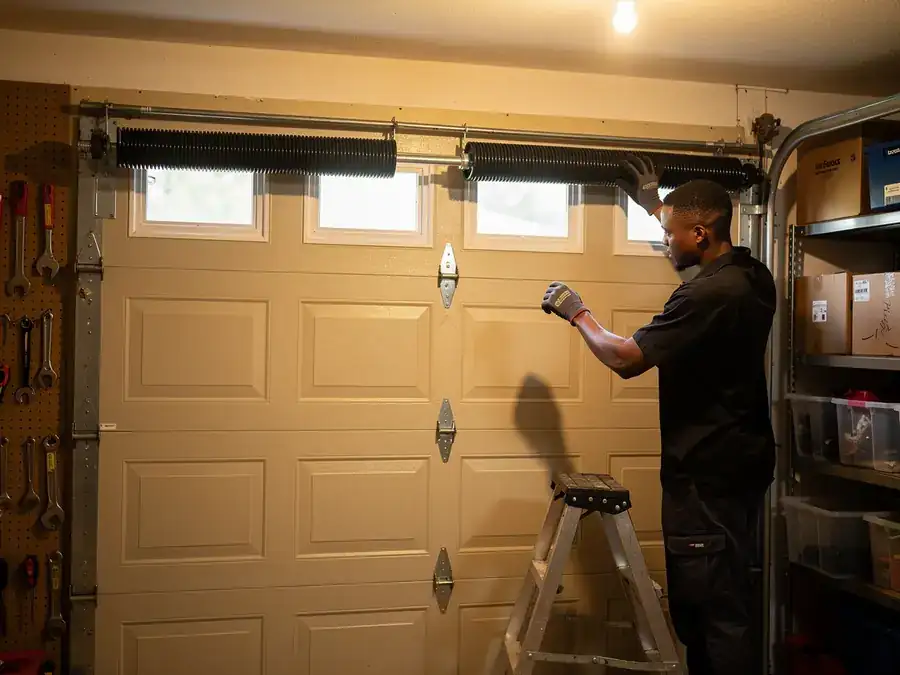
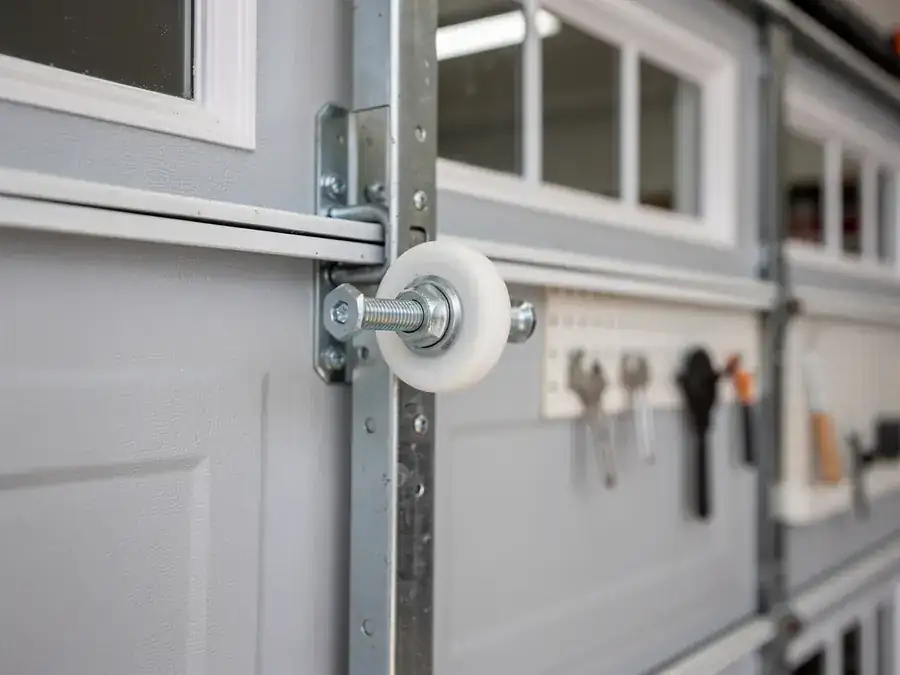
What that looks like in practice: a torsion spring that's outlived two or three expected life cycles snaps while the door is halfway up, and the owner assumes it's just the spring. It's rarely just the spring. The drum, the cable, and the bearing plate are the same age and the same wear state. We open the hood and find the opener's drive gear stripped too, because nobody replaces a working opener - they replace it when it stops working, usually the same week the spring goes. Age doesn't fail one part at a time out here. It fails the system.
What You Are Seeing
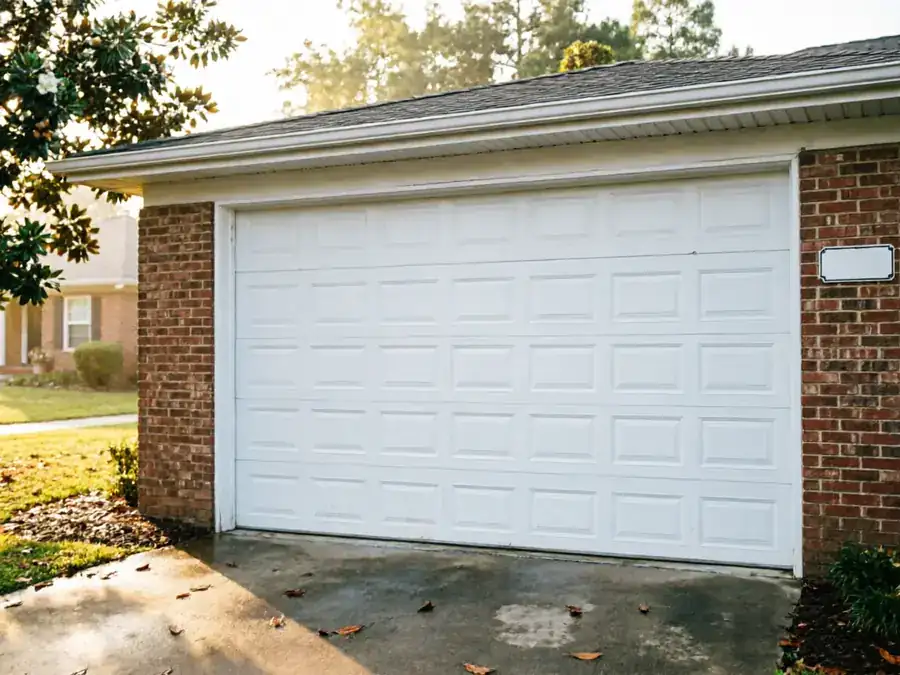
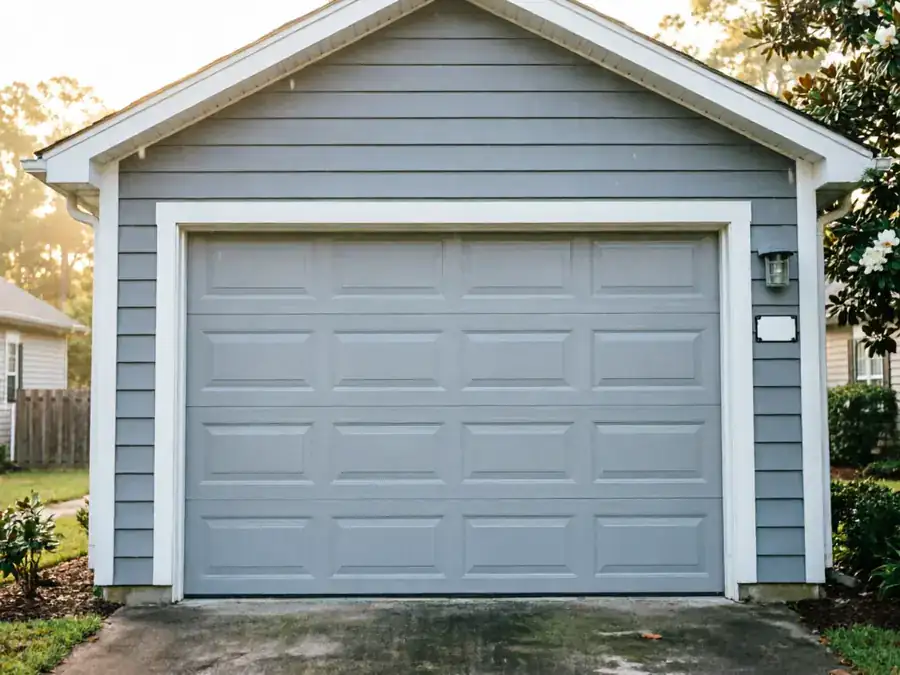
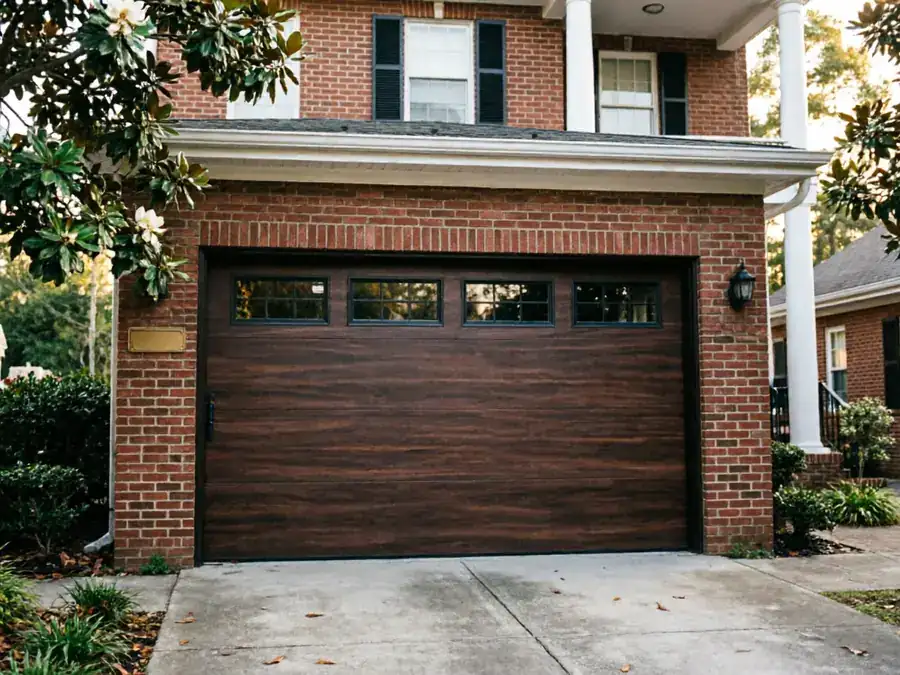
If your door is original to a late-80s or 90s build, here's what we're actually finding when we get underneath it. Steel panels with no insulation layer - fine when they went in, but thirty years of expansion and contraction has loosened the seams and the weatherstrip is usually long gone. Torsion springs rated for the original door weight, now carrying a door that's sagged or been resprayed, which changes the load the spring is actually working against.
Clover sits in a cold-moderate climate band, which means the garage sees real temperature swings season to season - not extreme, but enough that galvanized coating on older cable and spring stock breaks down faster than people expect. We see surface rust on cable long before the cable itself is close to failing, and most owners can't tell the difference by eye. We can, and it changes whether we replace a cable today or tell you it's got another year.
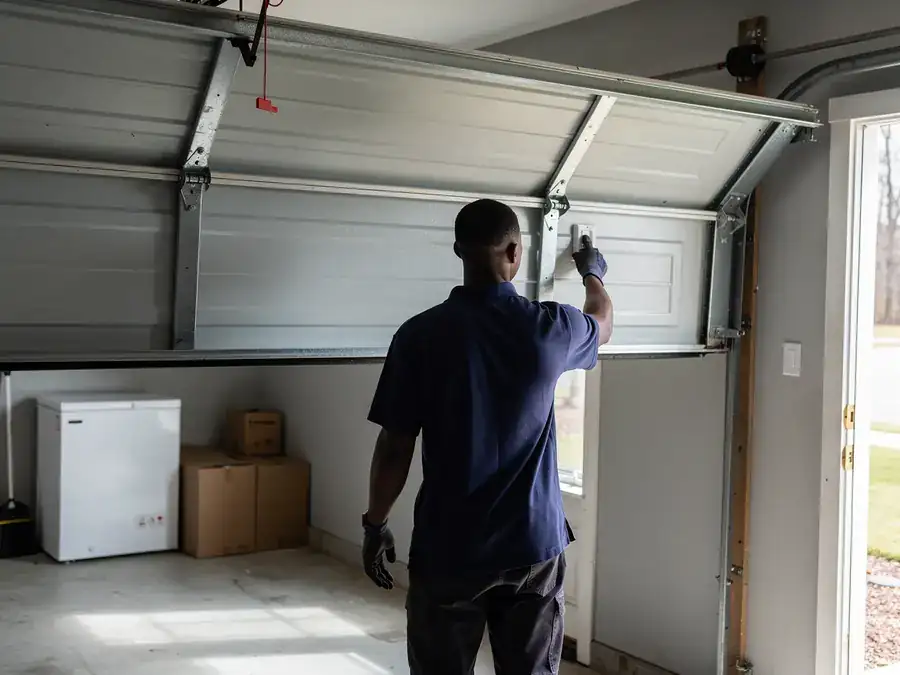
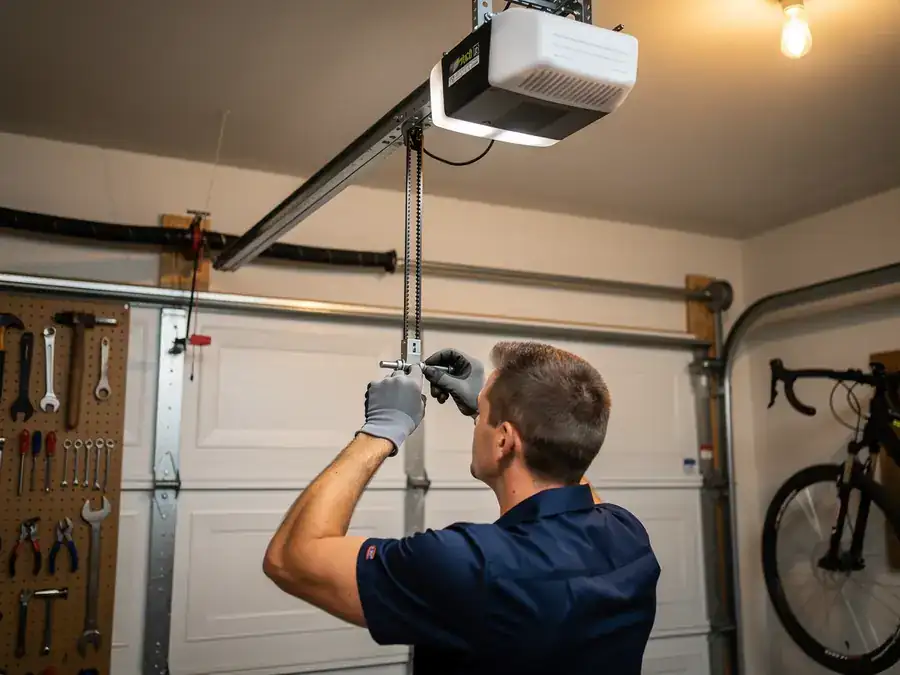
Openers from this era are almost always chain-drive, which means more noise and more maintenance than a belt system, but they're also simpler - fewer sensors, fewer boards to fail. When one of these finally goes, it's usually the gear, not the logic board, and that's a part we can get.
Parts We Carry
Because so much of Clover's housing clusters in that 1980s-90s window, we carry stock that matches it
Torsion springs sized for standard single and double steel doors from that era, standard-lift cable and drum sets, and chain-drive gear kits for the opener brands that were common on new-construction builds then. That covers the bulk of what breaks here.
What we don't keep on the truck is anything custom
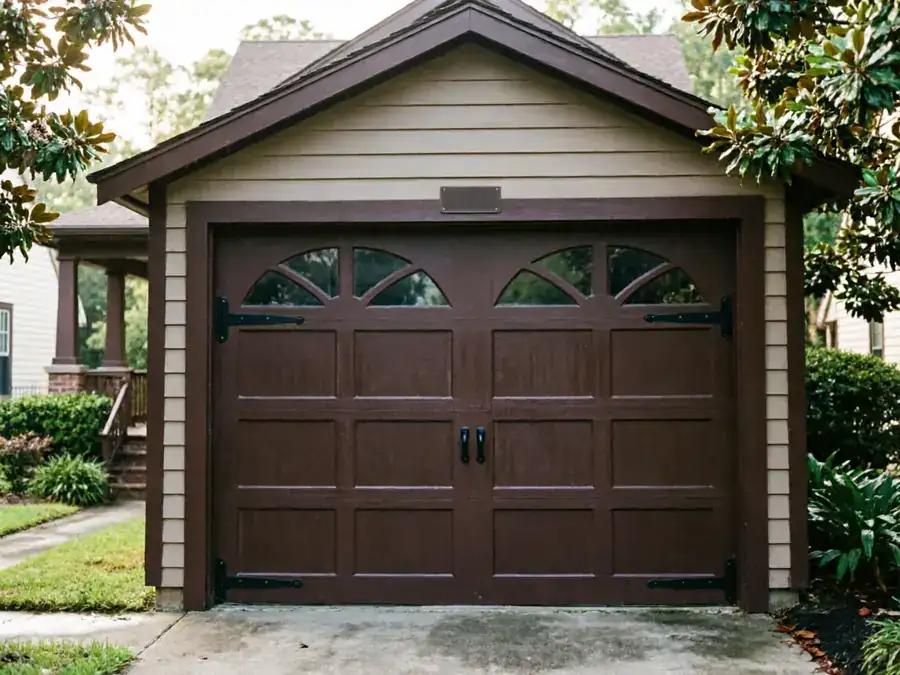
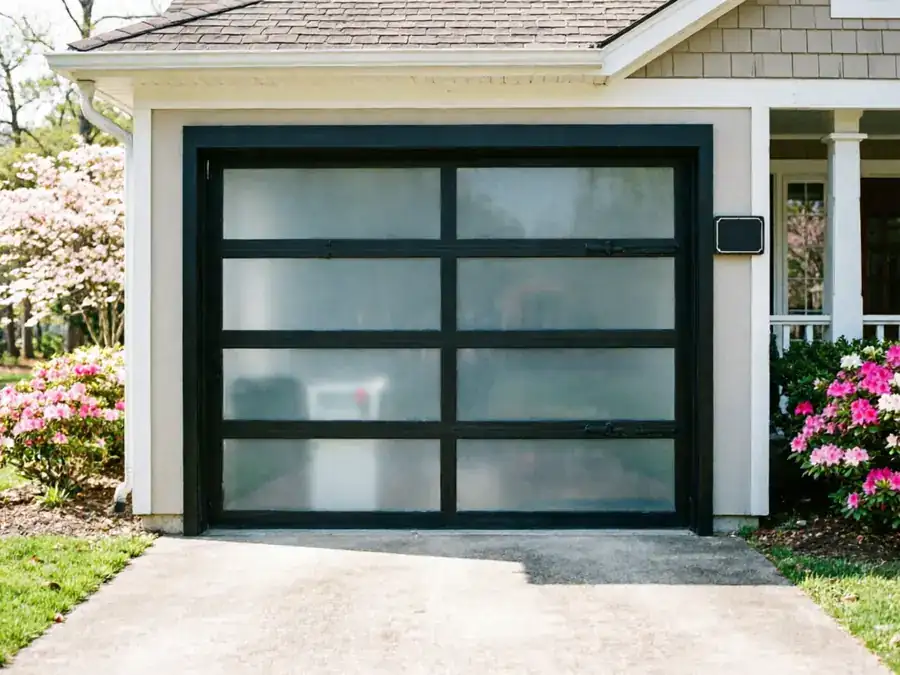
Specialty panel sizes, discontinued opener logic boards, or decorative hardware that was never mass-produced. If your door turns out to need one of those, we'll tell you straight that it's a special order, and we'll tell you the lead time before we start the job, not after. Replacing a 30-year-old opener outright is often the better call over chasing a part for a board nobody makes anymore - we'll say that plainly if it's true for your unit, not just sell you a repair because it's billable.
What the Repair Takes
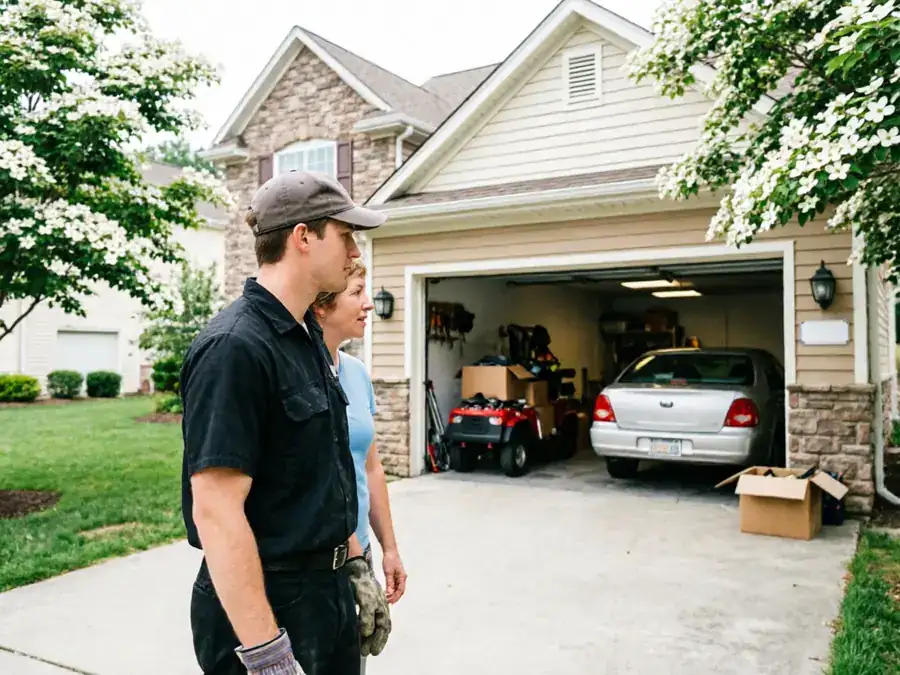
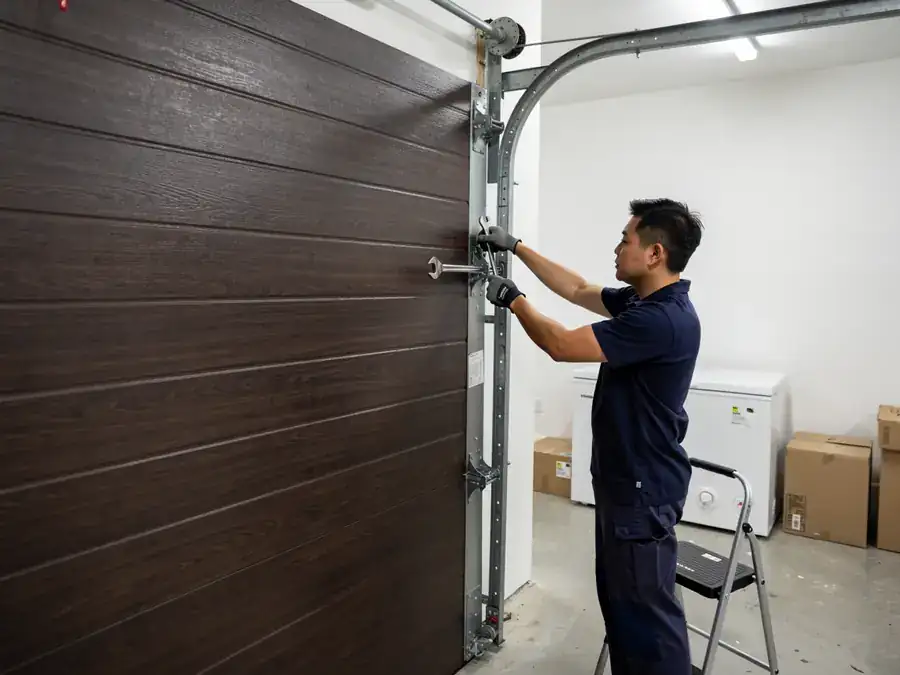
We run this job out of Fort Mill, about 17 miles from Clover, so we build the drive into the estimate before we quote a time, not after. A standard torsion spring replacement on a double door is a same-visit job once we're on site with the right spring size - the diagnosis is usually faster than the actual swap.
Where it takes longer: if the spring failure took the cable or drum plate with it, which happens more often on doors this age than people expect, or if the opener's original gear is also stripped and we're swapping both in one trip. We'd rather quote the full job up front than come back out a second time for a part we should have replaced the first visit. Clover's income levels run below the wider service area's median, and we know a lot of households here are weighing repair against replacement carefully - we'll always tell you which one actually saves money over the next five years, not just which one costs less today.