Where This Job Goes Sideways
Clover is a smaller pocket of this service area than some of the others we cover - about 2,567 households, nowhere near the size of the bigger named areas closer to Fort Mill. That matters for roller work because a smaller, more spread-out town means fewer doors get looked at regularly, and a worn roller that would get caught early somewhere with more foot traffic around the garage tends to run longer here before anyone notices the grinding.
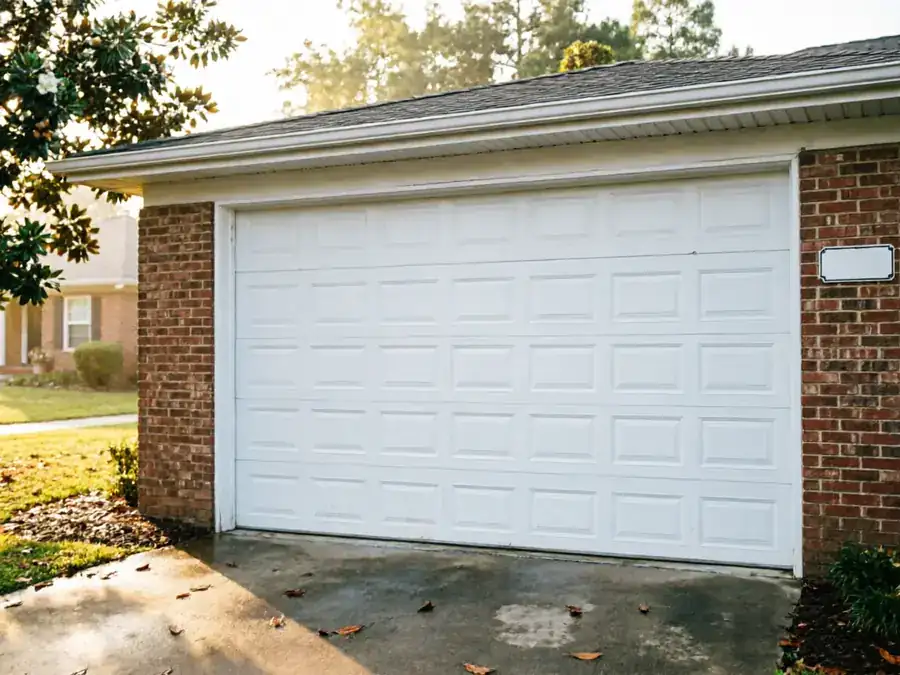
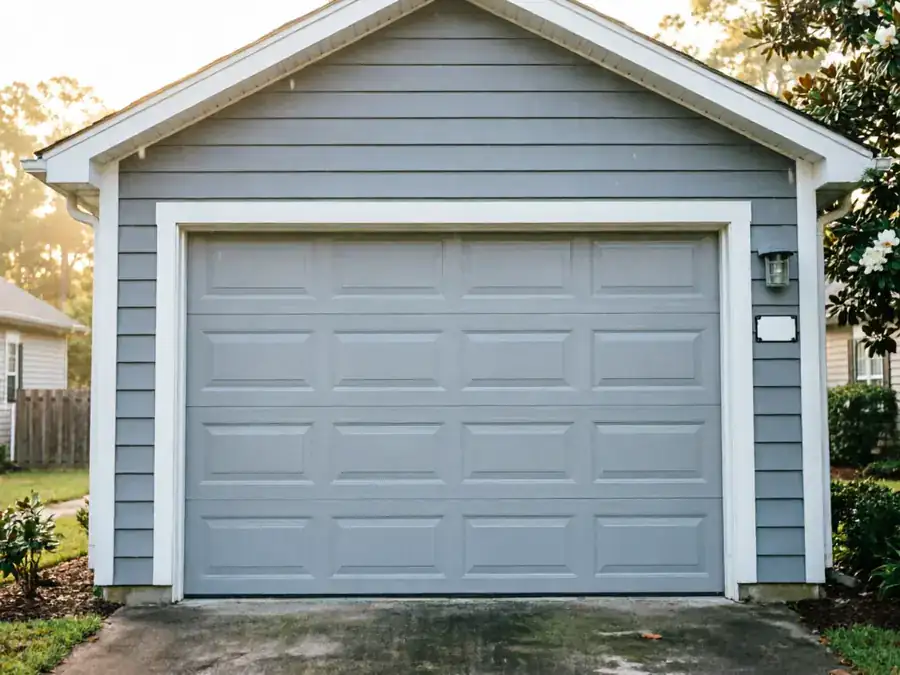
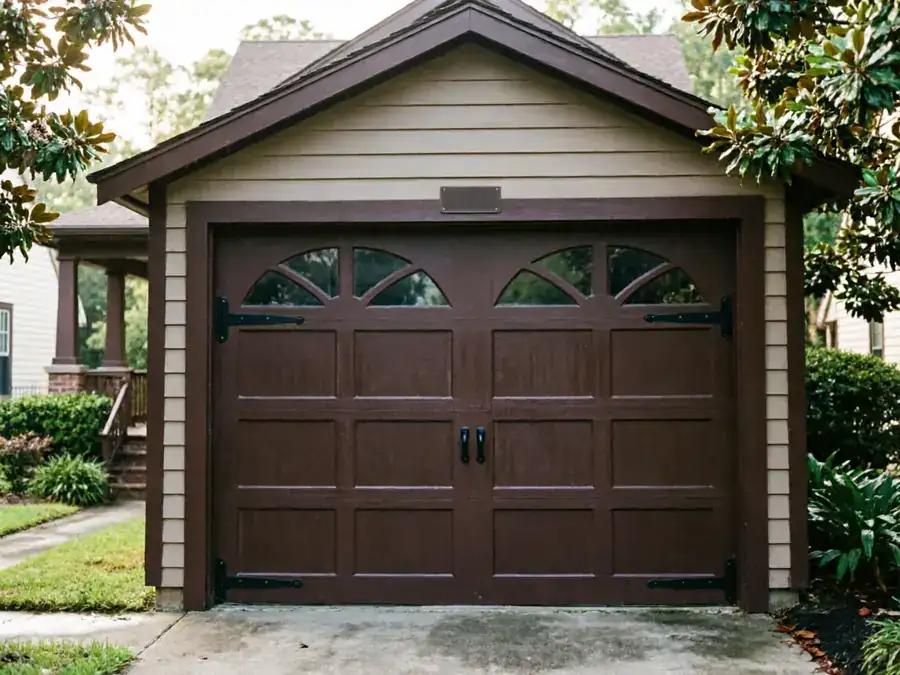
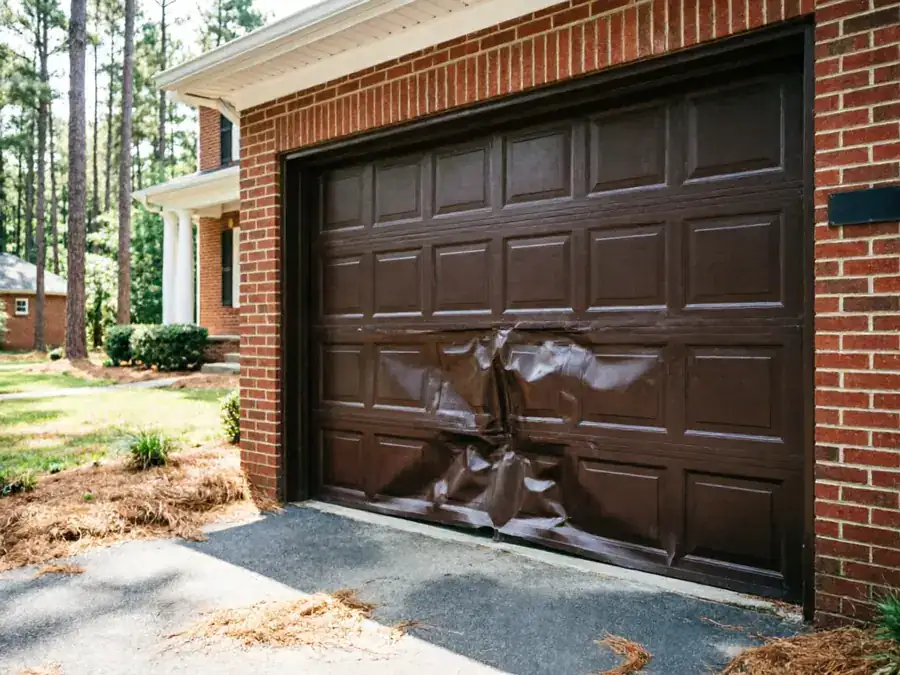
Most of the housing stock across this service area, including Clover, went up between 1979 and 2006, with a median build year of 1997. That puts a lot of Clover's garage doors at roughly a quarter century old, which is right in the window where the original rollers - usually plain nylon or even steel on the cheaper builder-grade doors from that era - are worn past the point of smooth travel but the door itself is often still sound. The call we get from Clover is rarely "my door won't open." It's "my door sounds like it's dragging gravel."
We run this job out of Fort Mill, about 17 miles away, so it's not a drop-everything trip. Scheduling a roller job in Clover works the same as anywhere else in the coverage area - book ahead rather than expecting a same-hour fix.
What You Are Seeing
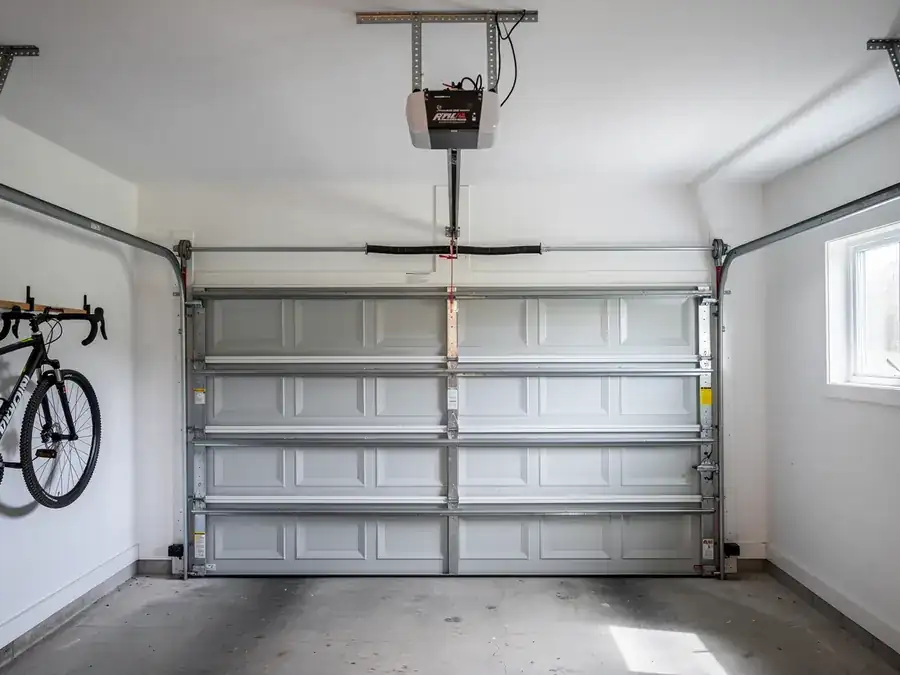
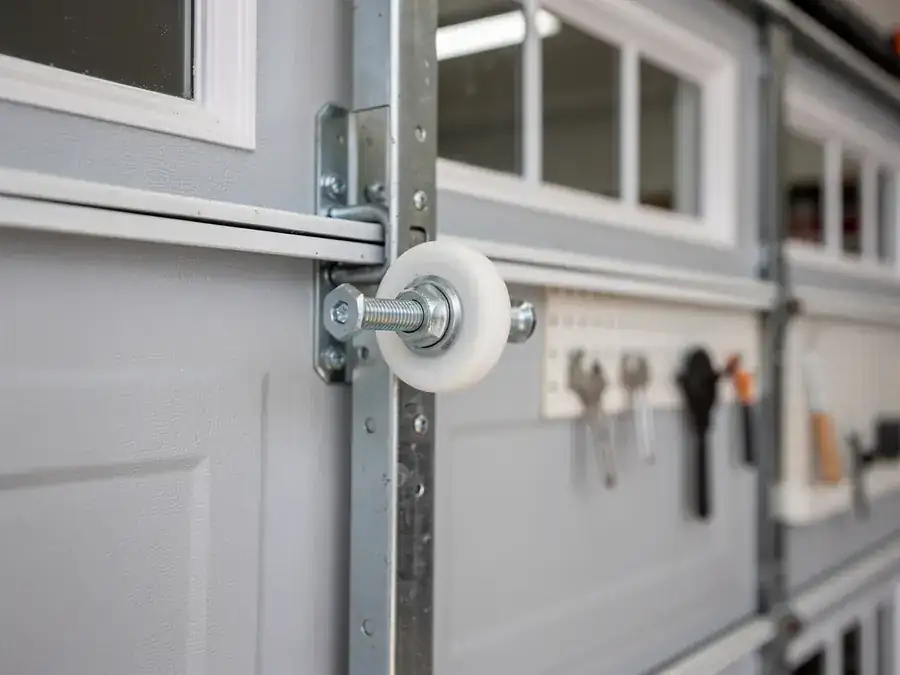
On a door built in the late 1990s, worn rollers show up as three things: noise, a jerky climb on the track, and a door that seems to stick at the same spot every time it passes a bend in the track. That last one is the giveaway - a flat spot has worn into the roller wheel itself, so every rotation hits the same dead spot.
Incomes in this part of the service area run a bit lower than some of the closer-in neighborhoods - median household income here is around $66,992, a good bit under the broader area median of $94,505. That doesn't change what the door needs, but it's part of why we see more owners asking us to replace just the rollers instead of the whole track assembly when the rollers are what's actually failed. If the track itself is straight and the rollers are the problem, there's no reason to sell someone a bigger job than they need.
The cold-moderate climate band this region sits in means the plastic composite rollers on 25-plus-year-old doors have been through enough freeze-thaw cycles that the nylon gets brittle at the edges even before the bearing inside gives out. That's usually what you're hearing - not the bearing yet, the roller body itself cracking at the rim.
Parts We Carry
We stock sealed-bearing nylon rollers in the stem lengths that fit the track hardware common on doors from the 1980s-90s build era across this service area - that covers the great majority of what's on Clover garages
Steel rollers are available where the door's weight calls for them, though on a residential door that size they're the louder, harder-wearing option rather than the default.
What we don't carry on the truck is the odd 13-ball or oversized stem roller that shows up on a handful of older or non-standard doors - those get ordered in, and if that's your situation we'll tell you up front rather than pretend otherwise
Most Clover doors from the late 1990s take a standard 7-ball stem roller, which is the part that rides in truck stock.
What the Repair Takes
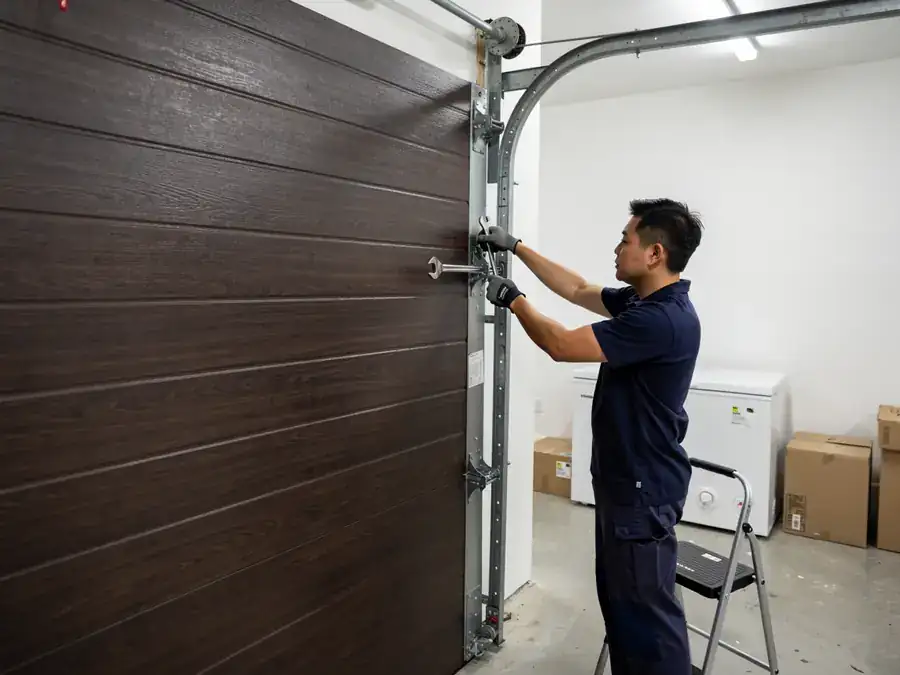
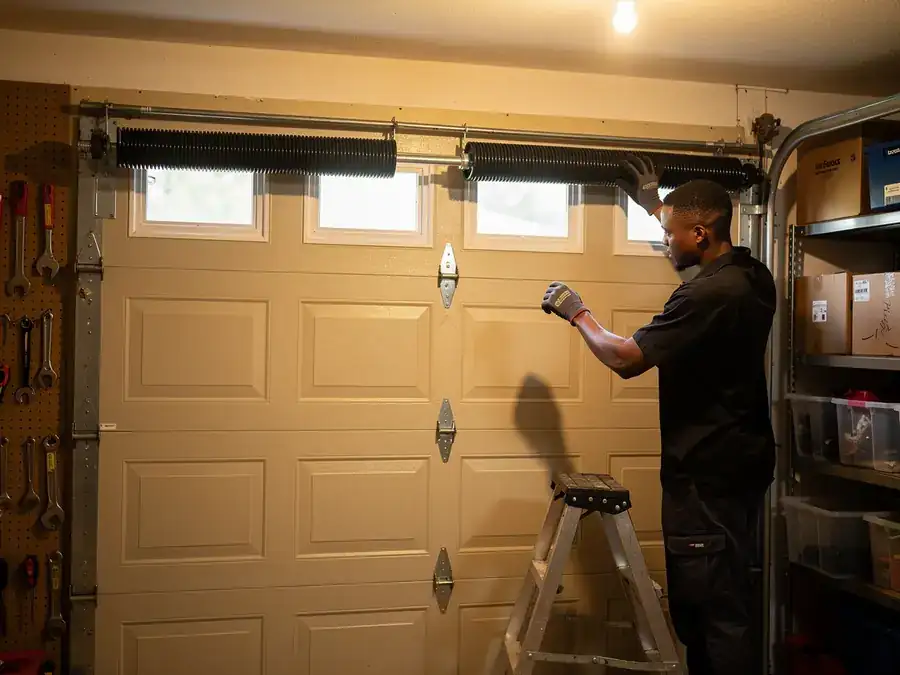
A straight roller swap on a double door - all rollers, no track or spring work needed - is a bounded job: pull the old rollers one at a time, seat the new ones, check the track alignment as you go. Where it takes longer in Clover specifically is when a roller has been grinding long enough to chew a groove into the track itself, which happens more often on doors that sat unnoticed the way a quieter household area tends to let them.
If the track is gouged, roller replacement alone won't fix the noise - that's a track section too, and we'll say so rather than charge for rollers that won't solve it. On a straightforward job with no track damage, this isn't an all-day repair. We'd rather tell you it's a smaller job than it sounds than pad it out.