Where This Job Goes Sideways
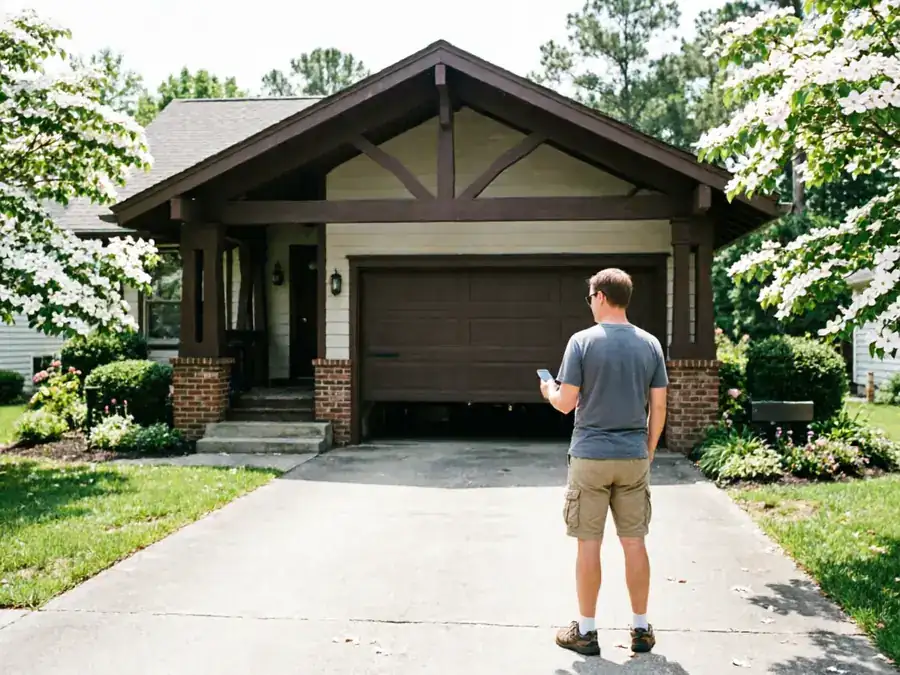
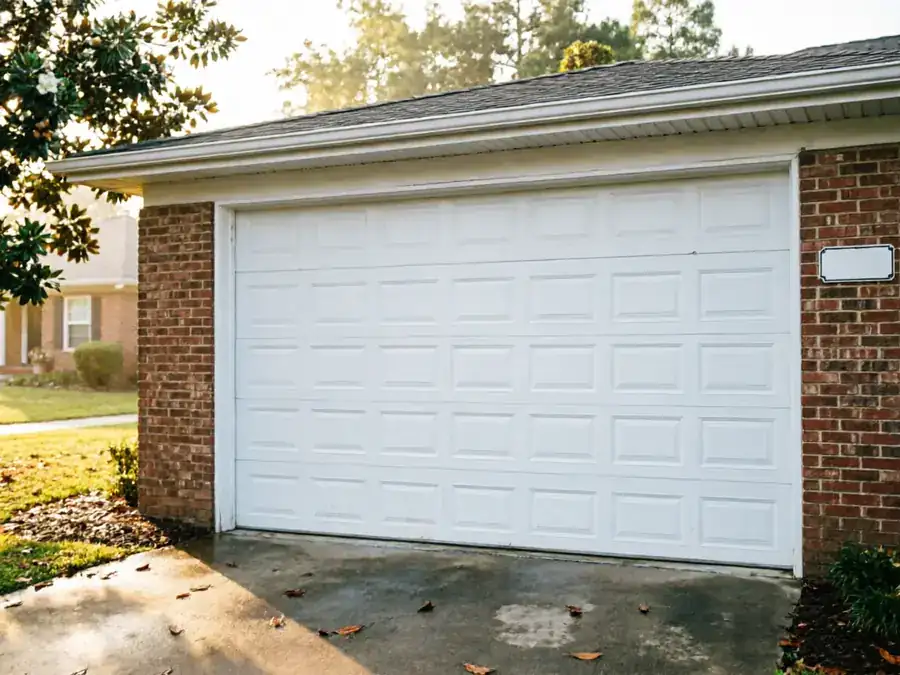
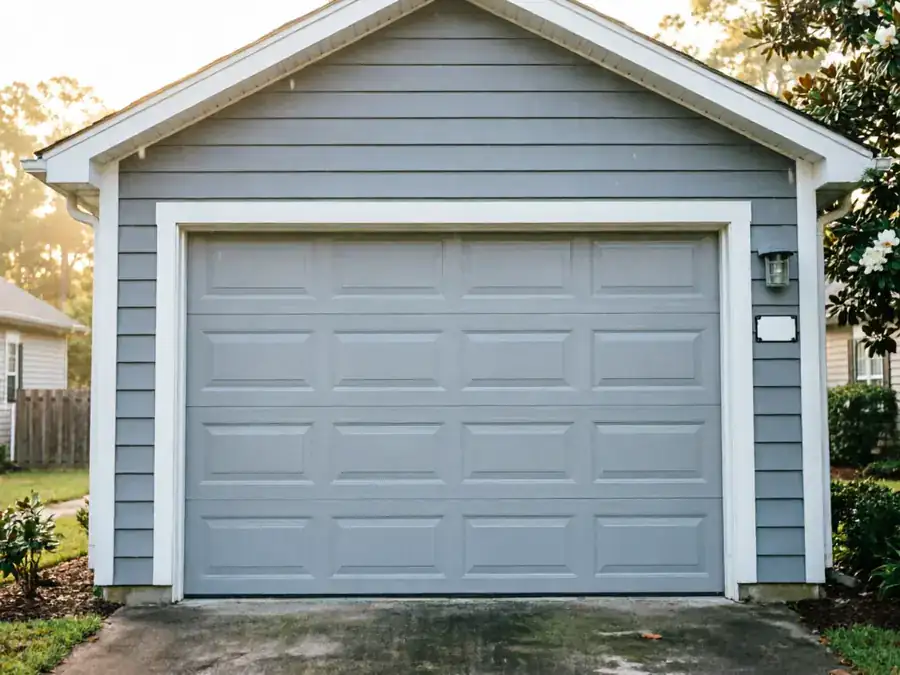
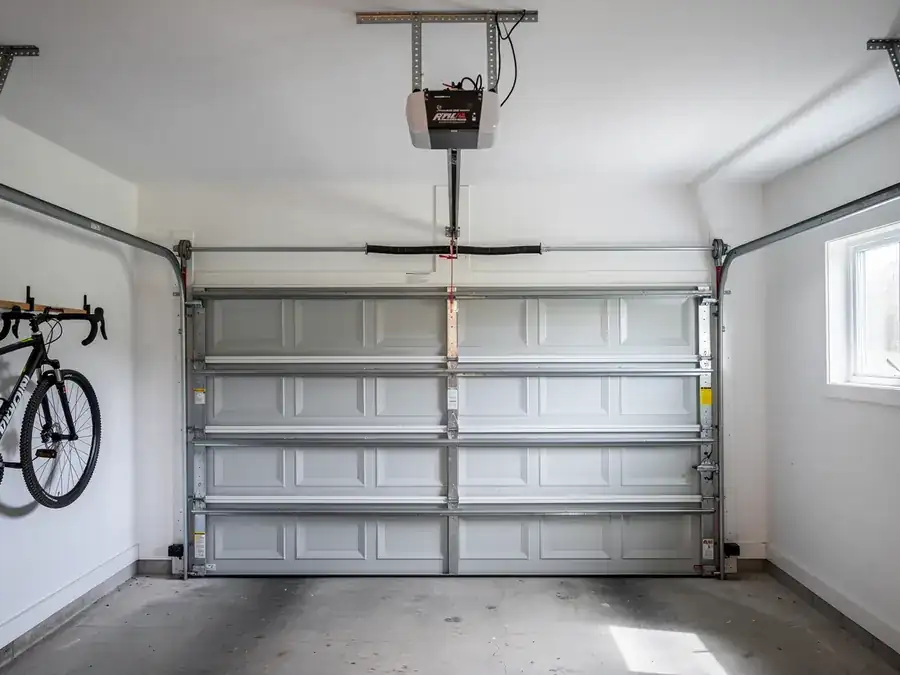
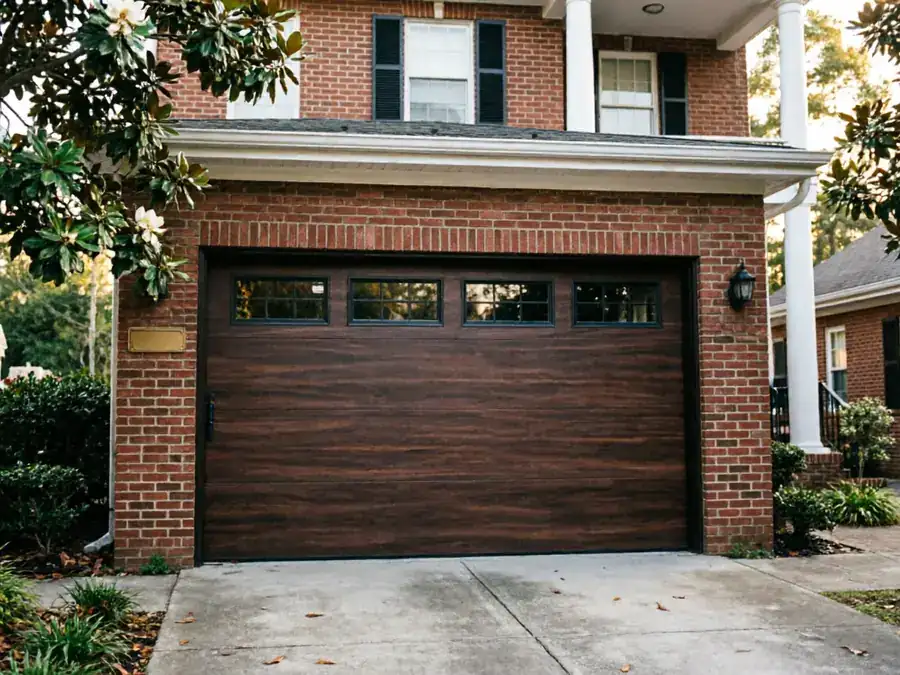
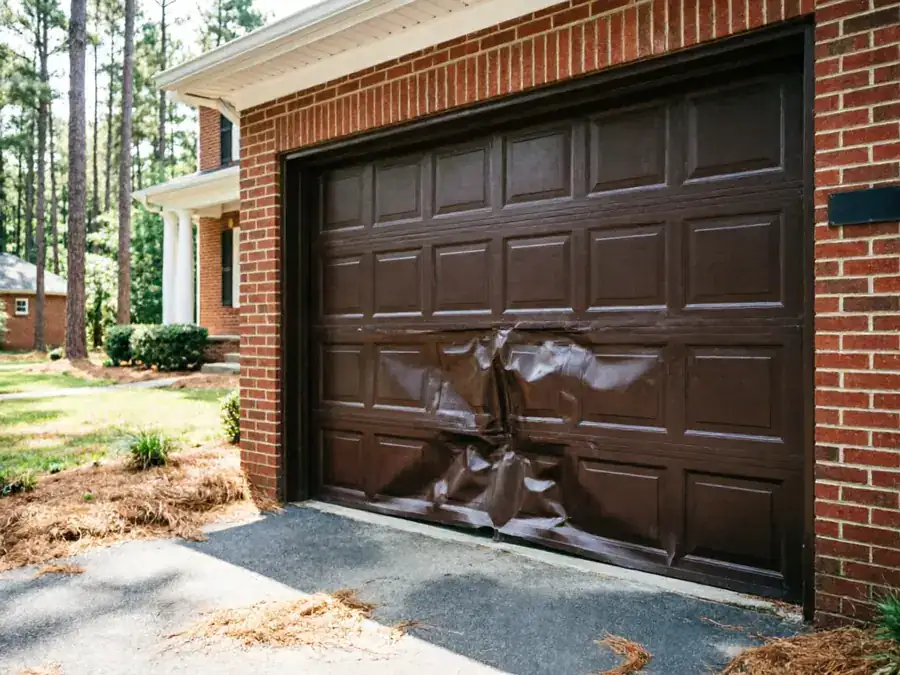
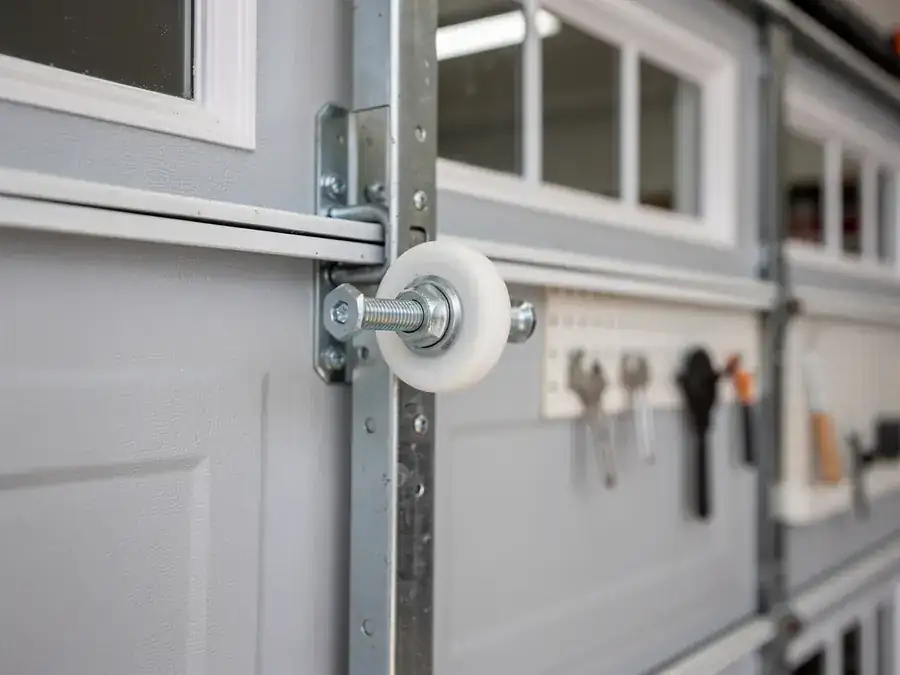
Most of the garage doors in Clover went up between 1979 and 2006, with the median build year sitting at 1997. That means a steel sectional door, usually non-insulated or lightly insulated, hung on a bracket set that was never designed around today's openers. The door itself is light by current standards, which sounds like good news for a motor upgrade, but it's also where jobs go sideways. A door built light with sagging track or a bent hinge will fight a new opener's travel limits and safety reversal every time, and the homeowner ends up thinking the new unit is defective when the door is the actual problem.
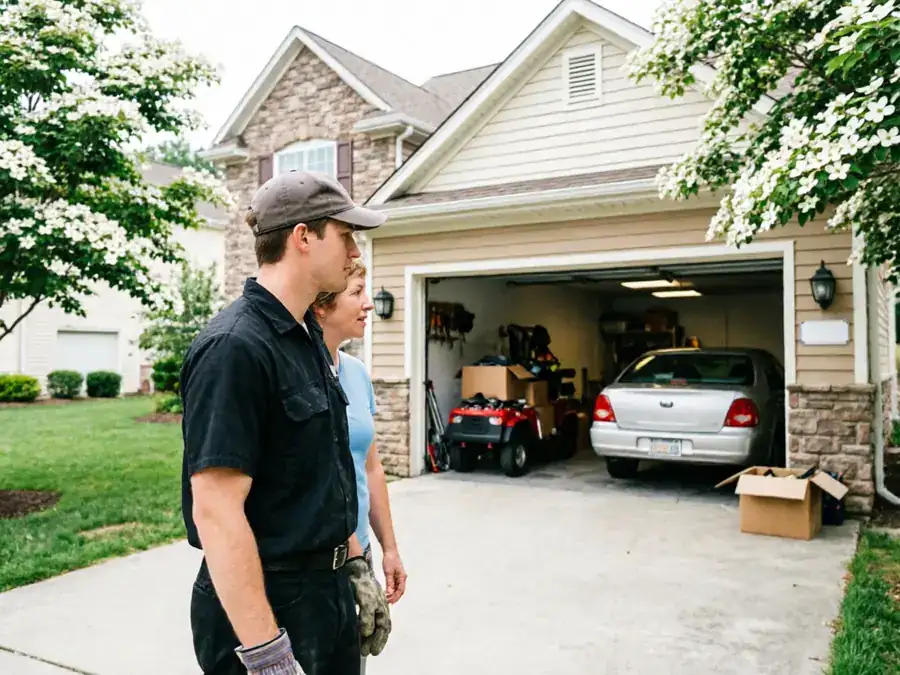
Clover sits about 17 miles from our shop in Fort Mill, out past Baxter Village, Riverview, and Tega Cay on the way in. We're not a branch office here - every job starts with a drive, which is fine for a scheduled install but means we're not the people to call for an opener that dies in the middle of the night. We plan the trip, bring what the door needs, and do the work in one visit when the track and hardware are sound. When they aren't, that's a second conversation before the opener goes on.
What You Are Seeing
A house built in the late 1980s or 1990s in Clover typically still runs its original chain-drive opener, or a replacement from the same decade. The tell is usually one of three things: a remote that only works standing under the unit, a motor that hums but the door doesn't move, or a light that blinks instead of staying on. Those are symptoms of an old circuit board and a fixed-code or early rolling-code radio receiver - the kind of opener that predates battery backup requirements and has no way to talk to a phone.
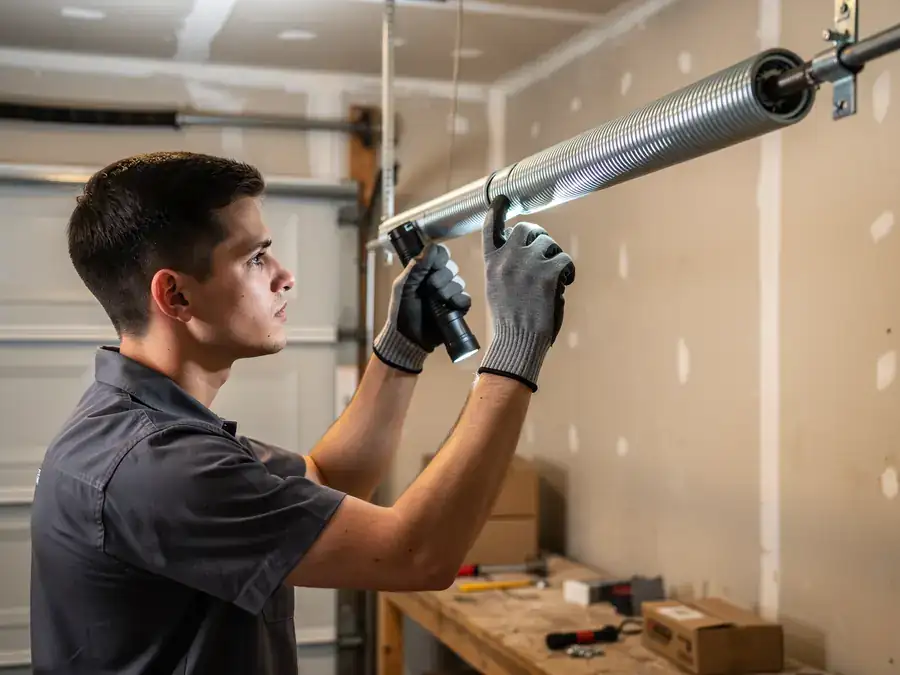
The gear inside these units is a plastic drive gear that wears down over years of chain tension, and once it strips, the motor runs and the door sits still. That's different from a spring problem, which shows up as a door that won't budge even by hand. If your opener strains, reverses partway up, or the wall button does nothing while the remote still half-works, you're looking at an opener failing on schedule for its age, not a sign anything was installed wrong twenty years ago. Given the median build year here, that failure point lines up with a lot of Clover garages right now.
Parts We Carry
For a house in this build range, we install belt-drive and chain-drive openers sized for a standard sectional door
With battery backup as standard on current units - something the original 1997-era opener never had. We carry the brackets and arm hardware that match older track systems, since a lot of these garages still have the bracket spacing from original construction and a new opener's arm doesn't always bolt straight to it.
What we don't carry is every legacy part for every opener ever sold in this area
If a specific old wall console or a discontinued receiver board is what's failed and the homeowner wants that exact model kept running rather than replaced, that part may need to be special-ordered, and that can mean a wait. For most Clover jobs it's simpler and no more expensive to put in a current opener rather than chase a part for a unit that's already near the end of its working life anyway.
What the Repair Takes
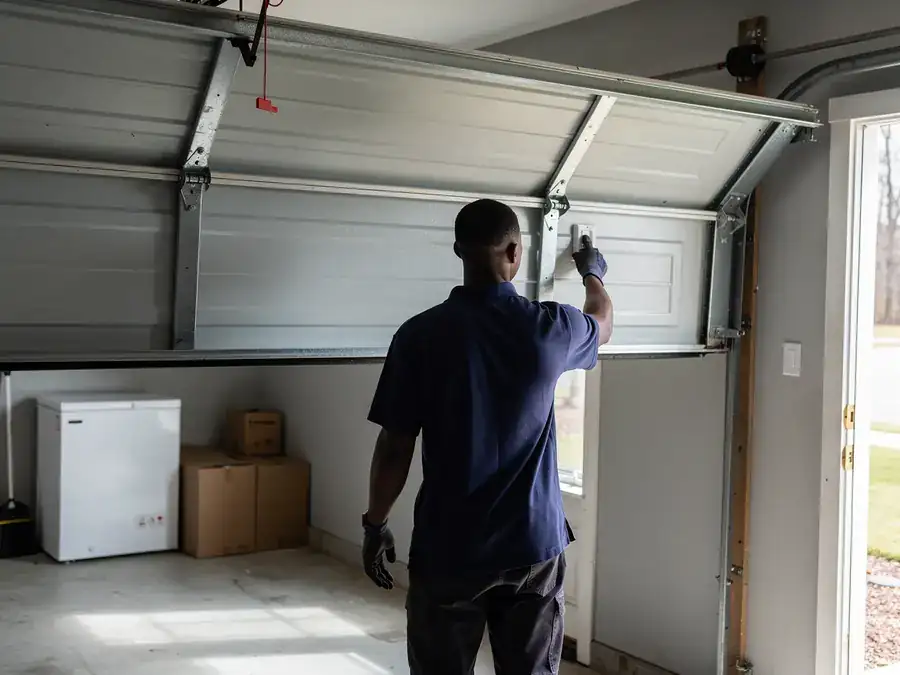
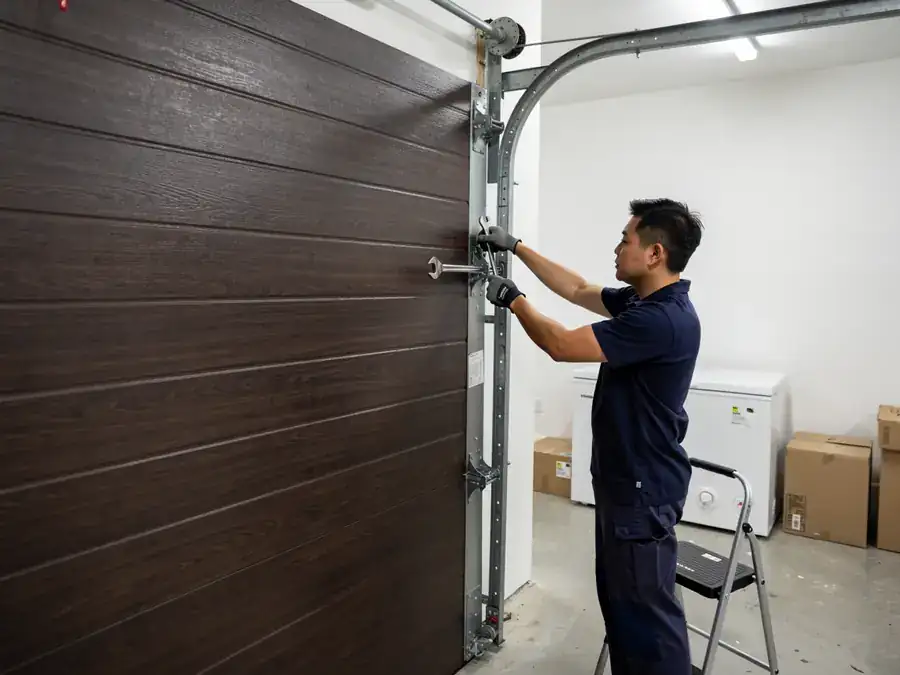
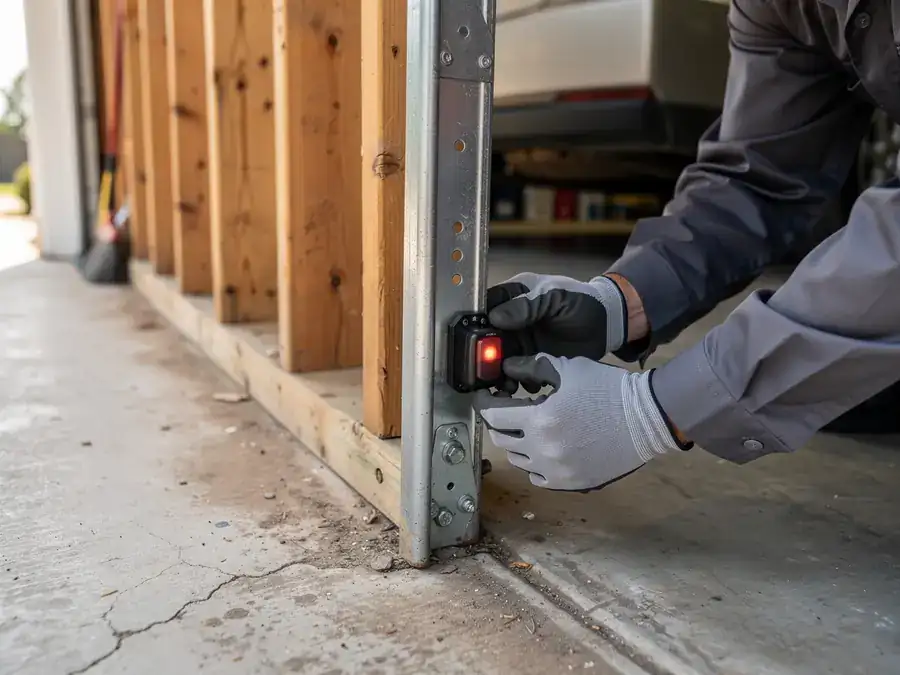
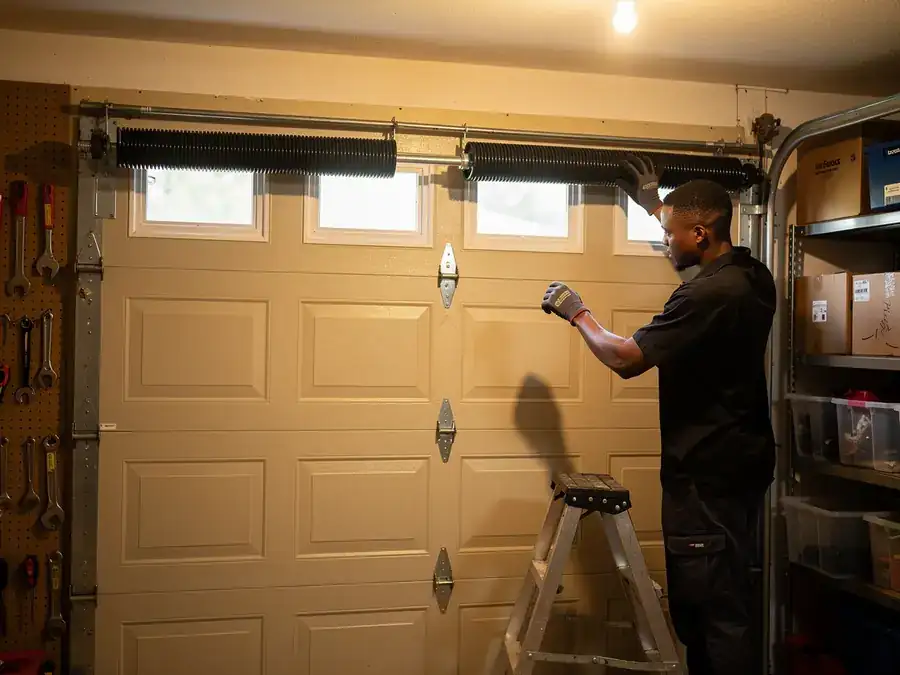
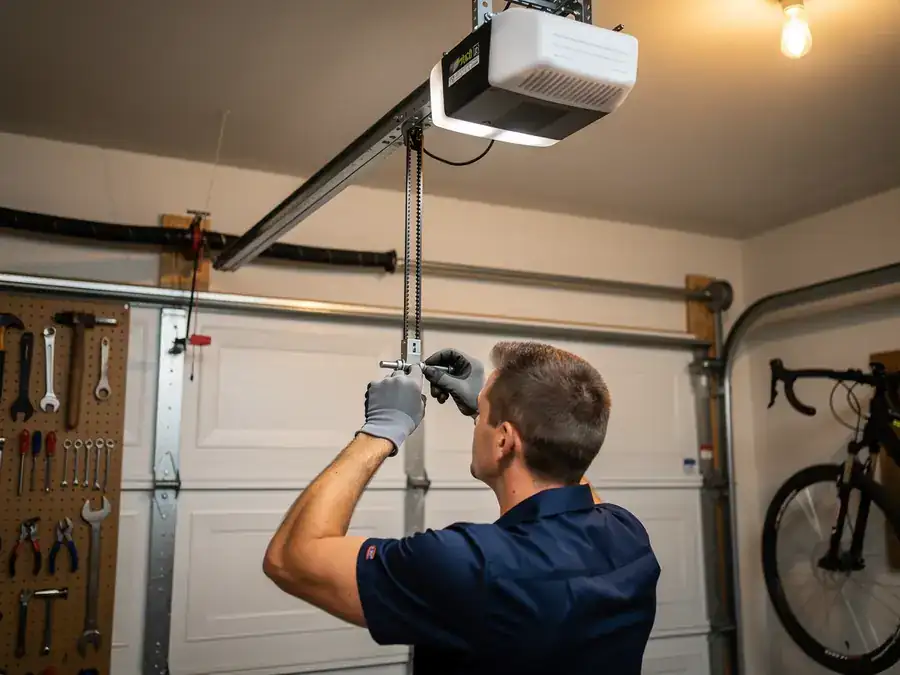
A standard opener swap on a sectional door, one that doesn't need track or bracket work, runs a single visit. We remove the old motor head, check the rail and travel, and set the new unit's limits and force settings to the door's actual weight rather than factory defaults - that step matters more on an older, lighter door than people expect.
Because we're coming from Fort Mill, the Clover job gets scheduled rather than handled same-day as a walk-up. That's the honest trade-off of covering a town 17 miles out rather than running a local branch: we show up prepared for the job we scoped on the phone, but we're not the fit for an opener that fails at 11 p.m. and needs someone in twenty minutes. If the bracket or track needs rebuilding first because the hardware's original to a 1990s install, we say so before the new opener goes in, not after.