What You Are Seeing
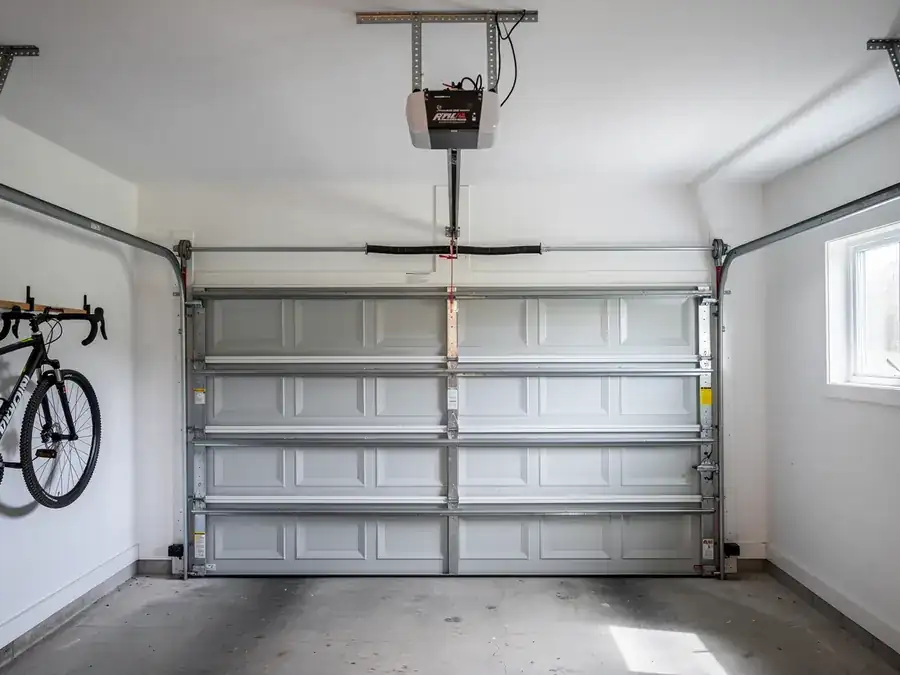
The fault we hear about most in York isn't a dead opener, it's the grinding, popping, or uneven roll that shows up when the rollers themselves have worn through. A door that used to glide now hops as it crosses the curve into the horizontal track, or it drags on one side and binds. That's rollers losing their round shape, not a spring problem and usually not a track problem either, though a bad roller will chew up a track over time if it's left alone.
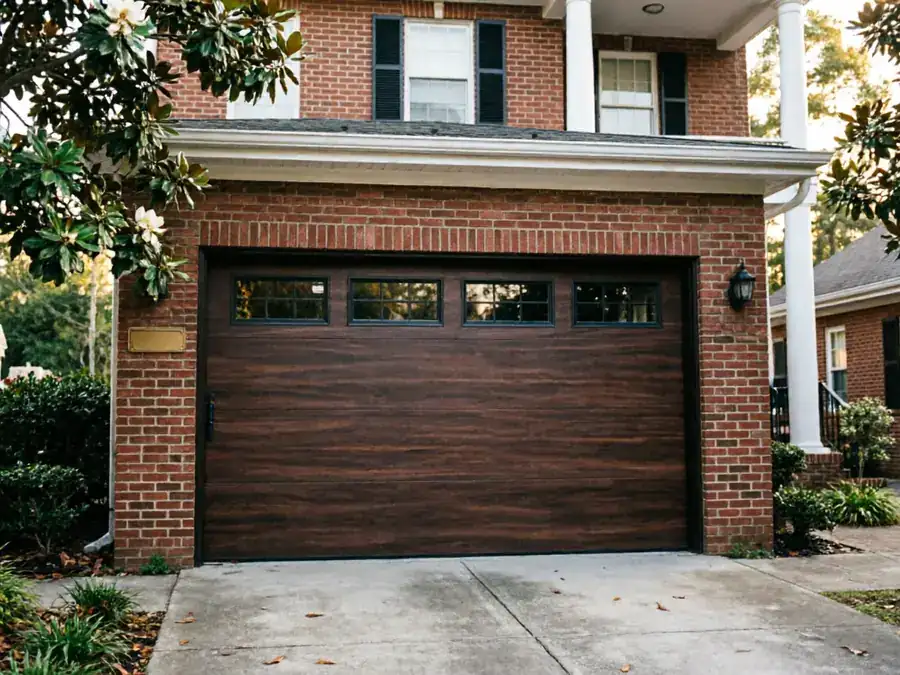
York's housing stock centers on 1979, the oldest median build year of any suburb in our coverage area. That matters here specifically: doors installed around that date were built with steel rollers running on plain, ungreased bearings, the standard of the era. Those bearings wear faster than the nylon or sealed steel rollers sold since, and after four decades of seasonal temperature swings, a lot of that original hardware is at or past the end of its service life. If your door sounds rougher than it did a few winters ago, this is very likely what's happening, not something new breaking.
Parts We Carry
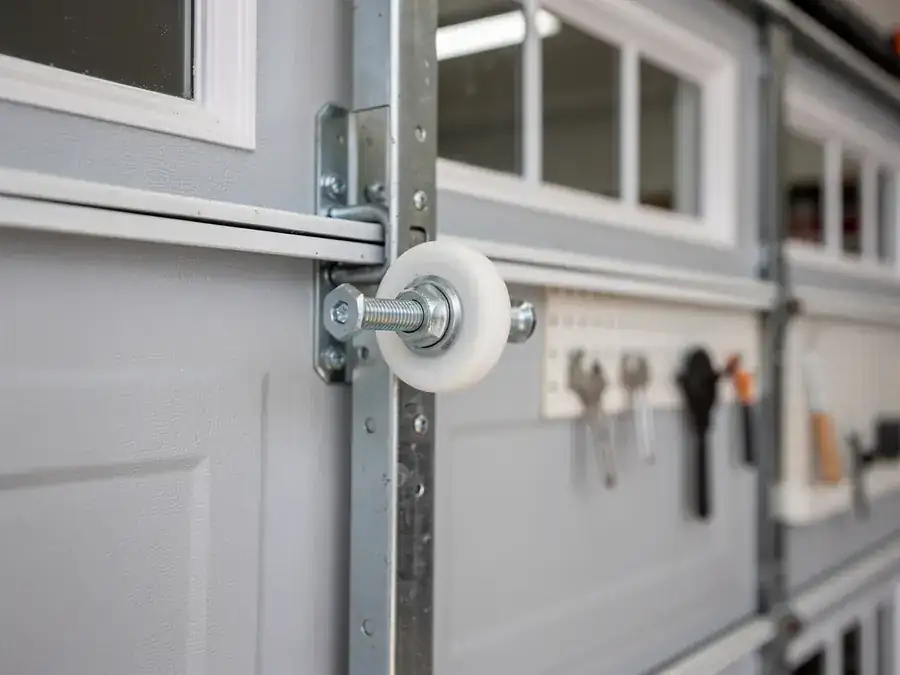
We carry both nylon rollers and steel ball-bearing rollers on the truck, in the common stem lengths and roller diameters used on residential sectional doors. Nylon rollers run quieter and don't need lubrication as often; steel ball-bearing rollers hold up better under heavier doors or higher daily cycle counts, like a door that opens and closes several times a day.
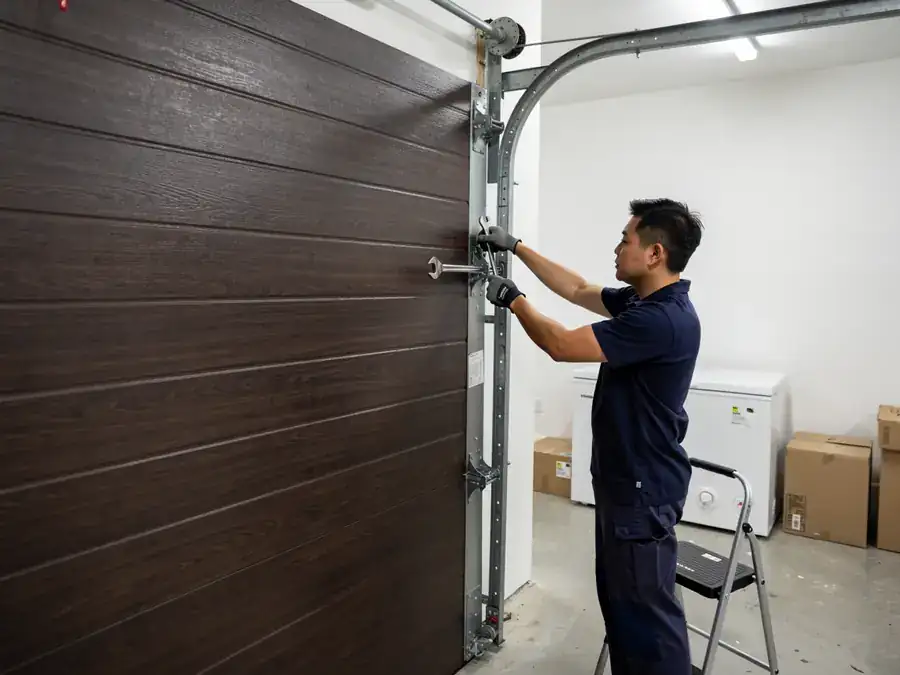
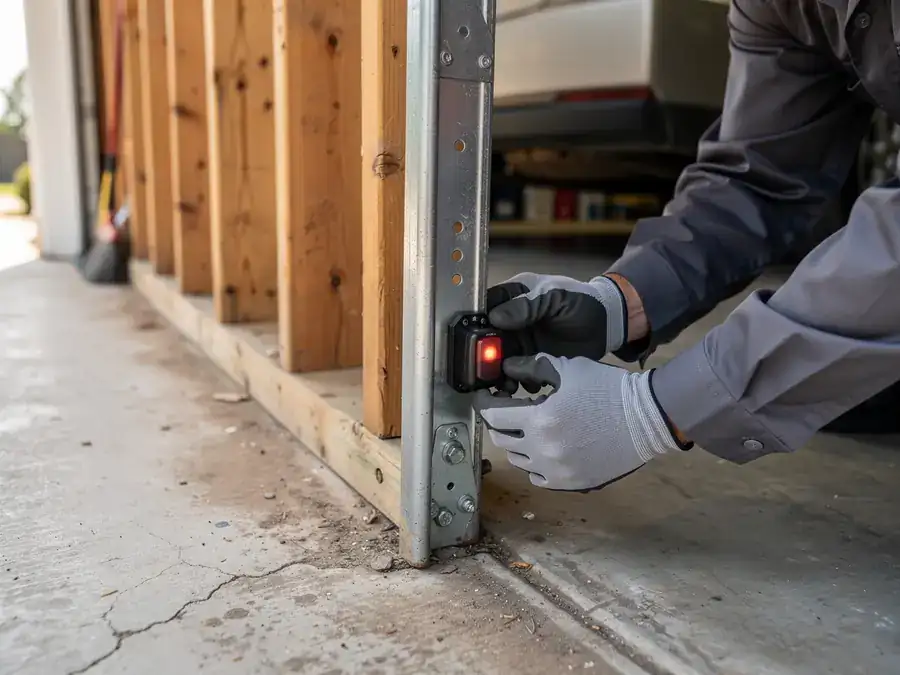
For a York door built in the 1979-2006 window, we're usually swapping out the full set of ten rollers rather than one or two, since if one has failed from age the rest are close behind on the same hardware. We also check the track while the rollers are out, because worn rollers often leave small dents or flat spots in the track rail that keep a new roller from rolling true. We don't stock every stem length or every bracket style for odd aftermarket doors, so a door with non-standard hardware may need a part ordered in before we can finish the job on the same visit.
What It Costs
What a roller job costs in York comes down to three things
How many rollers need replacing, whether you want nylon or steel ball-bearing, and whether the track needs any correction once the old rollers come out. A full set of nylon rollers is the lower end of that range; stepping up to sealed steel ball-bearing rollers costs more per roller but holds up longer under daily use.
We don't have a fixed number to quote sight-unseen, and we won't make one up here
What we can tell you is that most roller jobs on a York home are a straightforward single-visit repair, not a door replacement, unless the track or hinges are also failing. If you want a number against your specific door, that's a quick call, not something we can answer honestly as a flat rate on a page.
Can You Do This Yourself
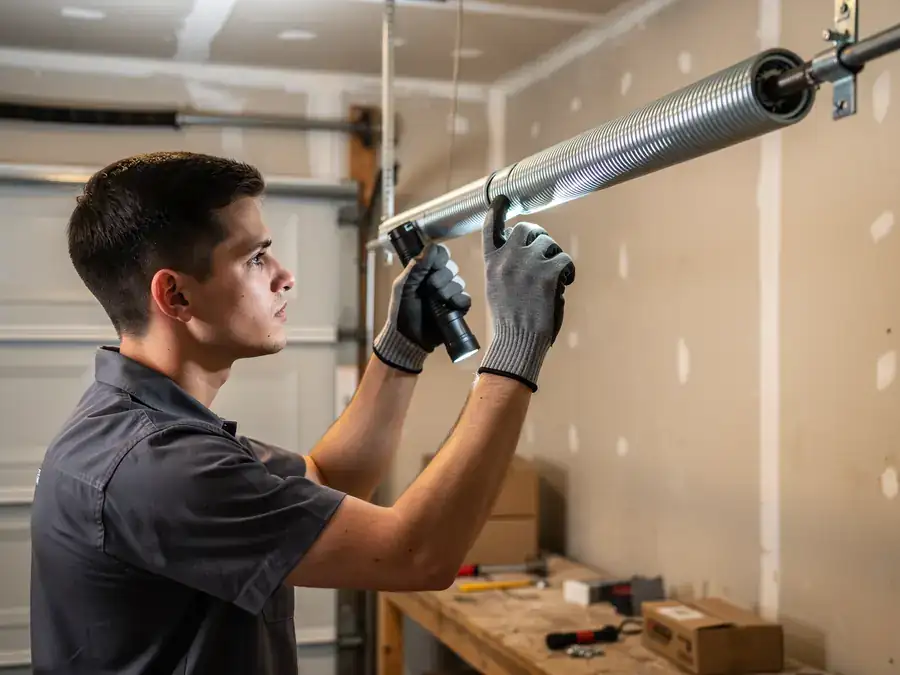
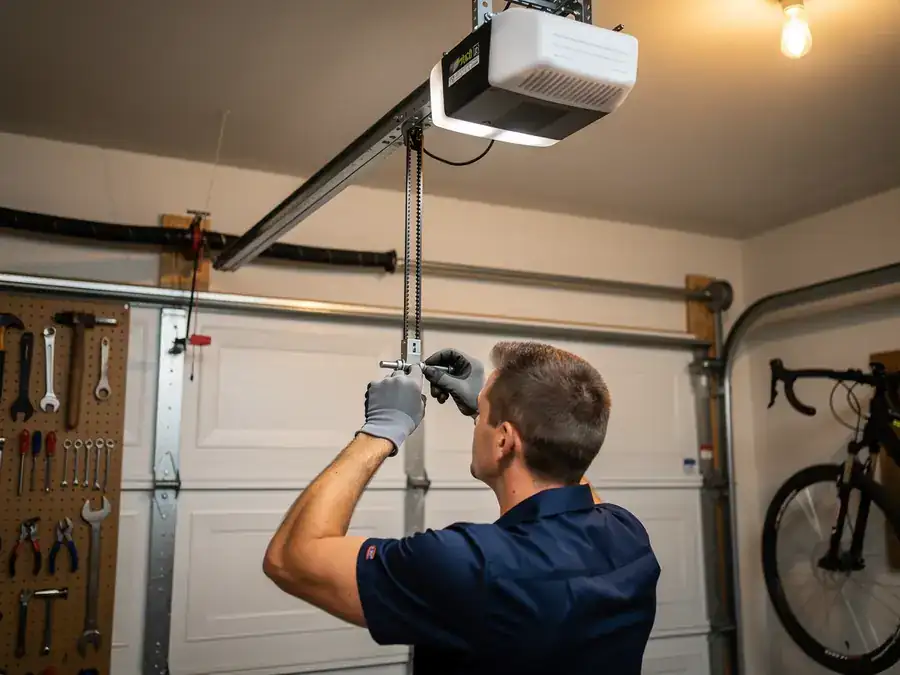
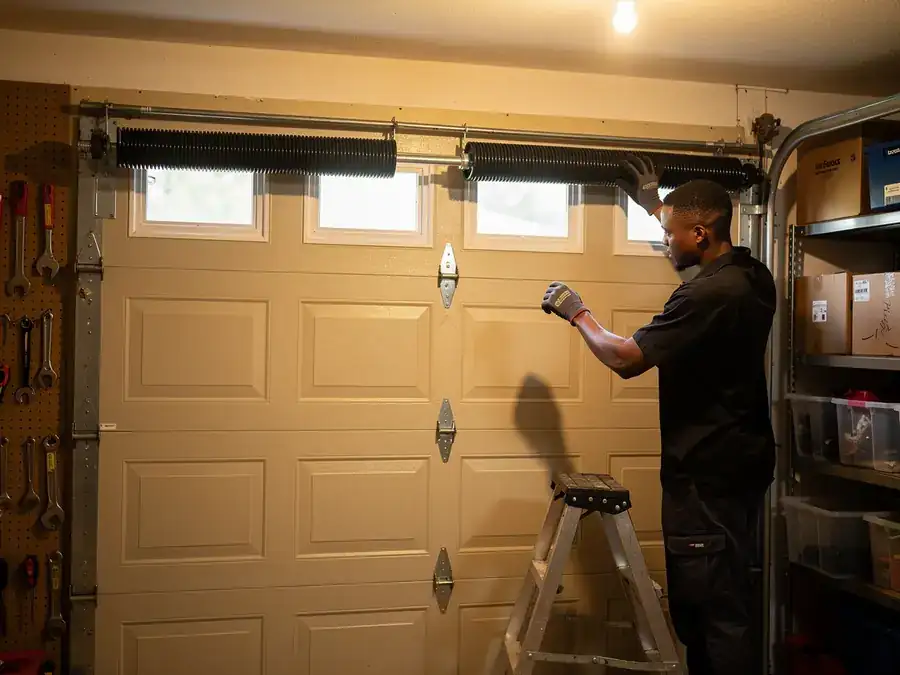
Swapping a single roller on the bottom section of a door, away from the spring system, is within reach for a homeowner who's comfortable with basic tools and has disconnected the opener first. The rollers higher up the track, especially on the top section near the springs, are a different matter. The cables and torsion spring on a garage door hold enough stored force to cause a serious injury if you're working near them without knowing what you're doing, and we'd rather tell you that plainly than have you find out the hard way.
Our honest limitation: if your York home still has the original 1979-era track and the rollers have worn grooves into it, roller replacement alone won't fix the noise, and we'll tell you that on-site rather than sell you rollers that won't solve the problem. In that case the track needs attention too, and we'll walk you through what that involves before doing any work.