What You Are Seeing
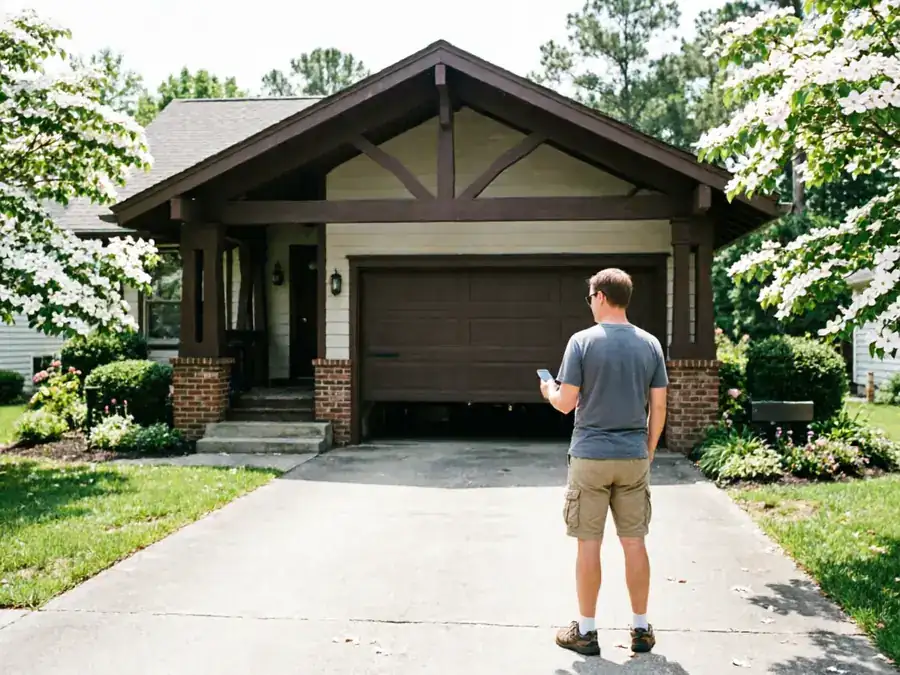
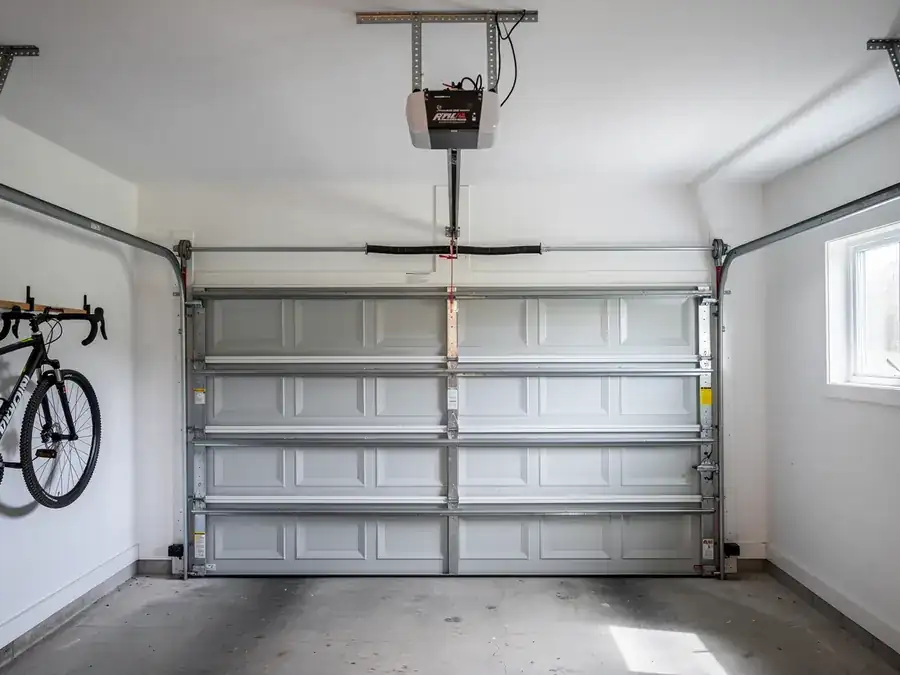
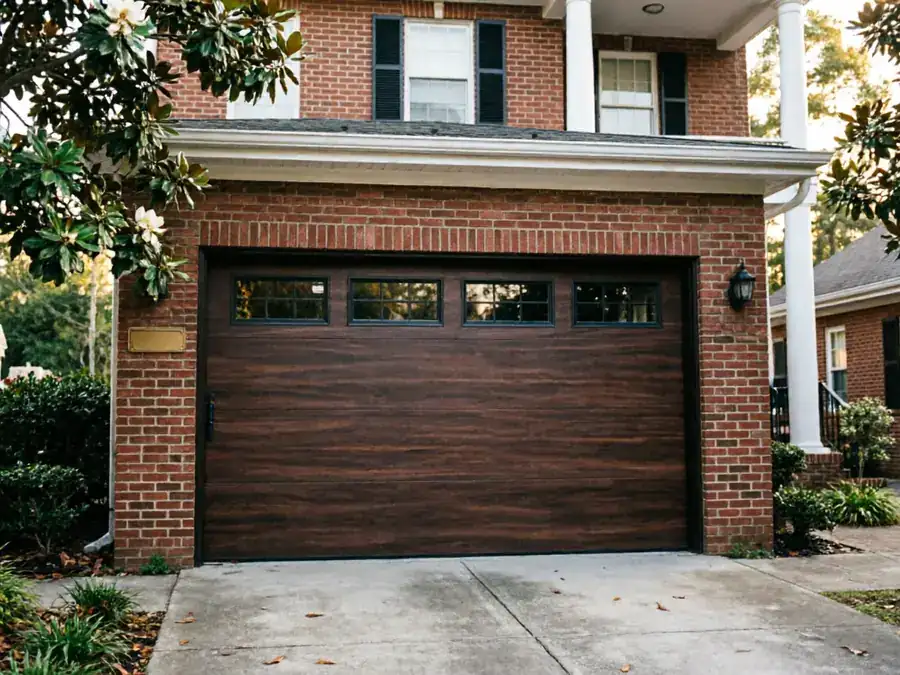
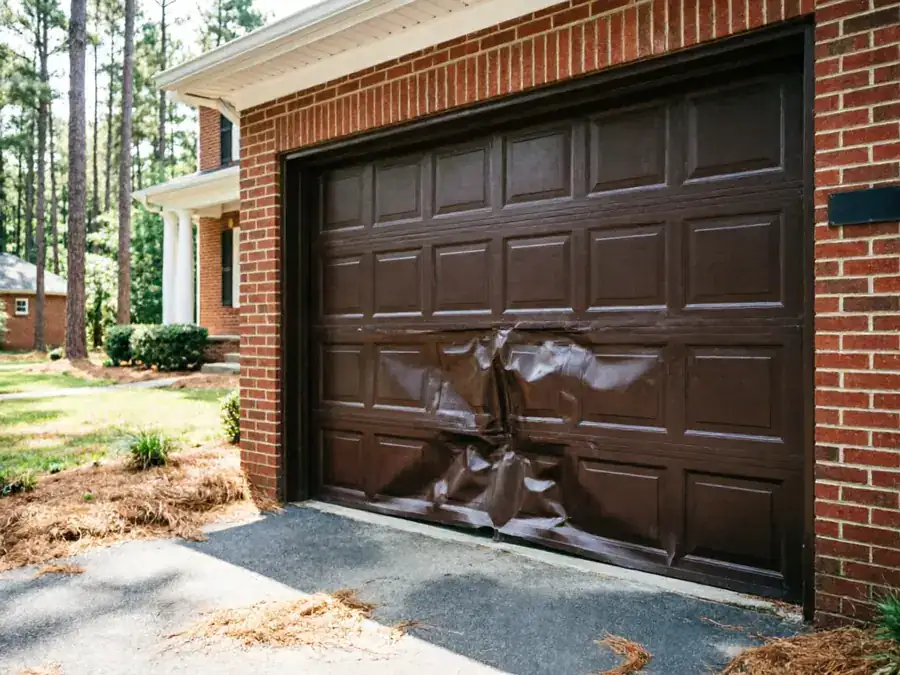
York is a small town - about 3,296 households, nowhere near the density of the bigger suburbs closer to Fort Mill. That matters for openers in a specific way: fewer houses means fewer openers get swapped out in a given year, so a lot of the units still running here are original to the house. And the houses themselves skew older than the typical house across our service area. The median year built in York is 1979, compared to 1997 for the wider area we cover. A 1979-built garage almost certainly started with a chain-drive opener, and if nobody's touched it since, it predates the federal rule requiring auto-reverse safety sensors, which took effect in 1993. That's not a minor detail. An opener without working photo-eye sensors or reliable auto-reverse is a liability, not just an inconvenience, and it's the single most common thing we find when we open up a 1970s-era garage out here. The fix usually isn't a repair - it's a full replacement, because the control board, the sensors, and the drive mechanism are all tied together in units this old, and parts for them stopped being made a long time ago.
Parts We Carry
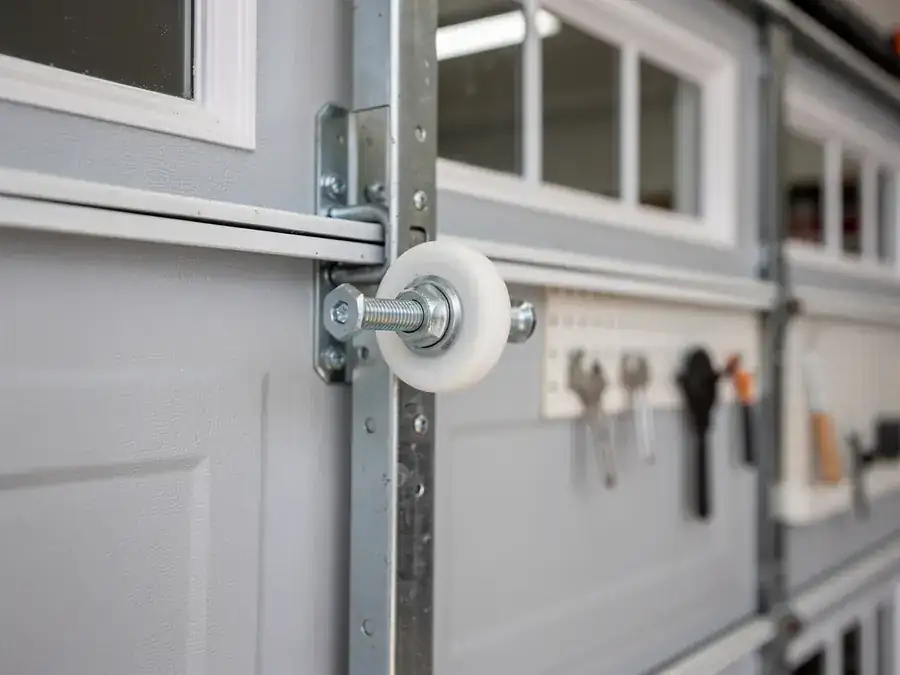
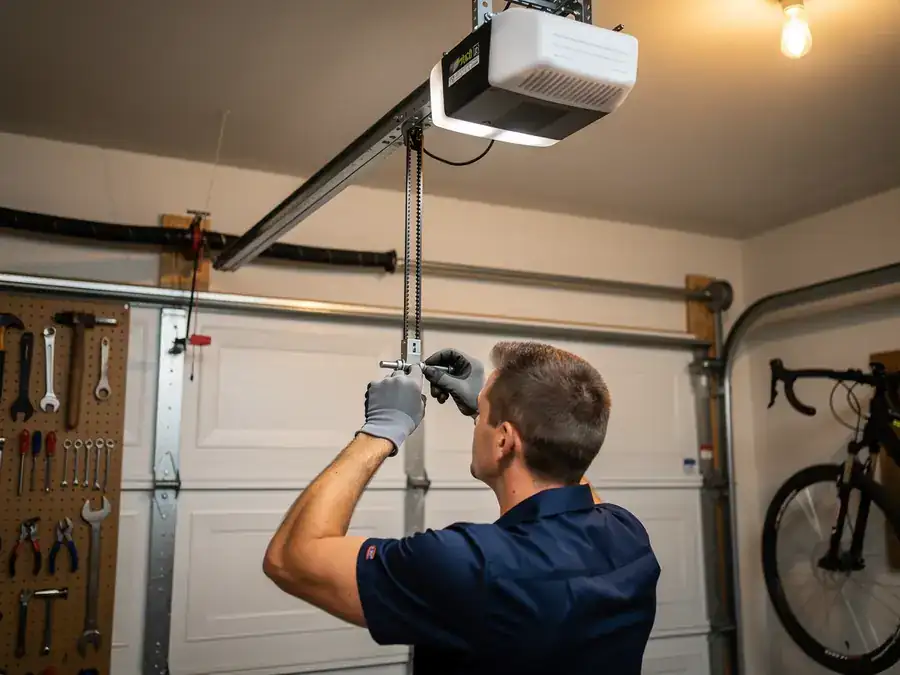
For houses in York's age range, we install belt-drive and chain-drive openers depending on what the door and track can handle - a lot of original 1979-era track hardware wasn't built for the torque of a modern belt-drive unit, so we check that before recommending one over the other. We carry units with battery backup built in, which matters here: the area sits in a cold-moderate climate zone, and winter storms that knock out power are exactly when you don't want to be stuck outside unable to get the car in. We also stock Wi-Fi-enabled openers for anyone who wants phone control, but we don't push that as the default - plenty of homeowners just want a door that opens reliably every time, and that's a fair ask. One limitation worth saying plainly: if your opener is a discontinued model and you want to keep the existing rail and motor mount rather than replace the whole assembly, we may not carry a drop-in part for it. Some of what's out there from the late 1970s simply isn't stocked anywhere anymore.
Can You Do This Yourself
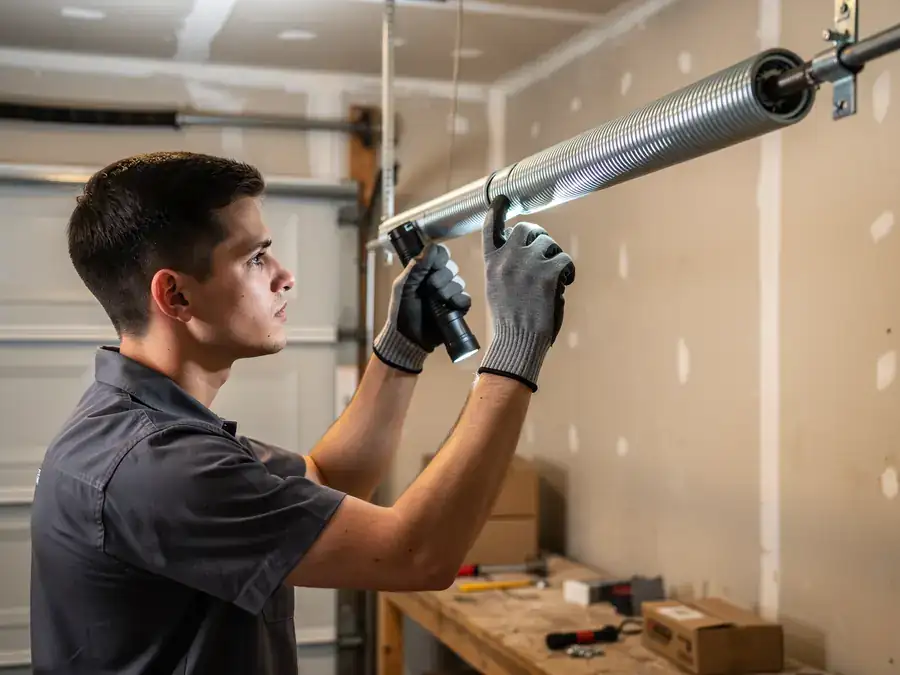
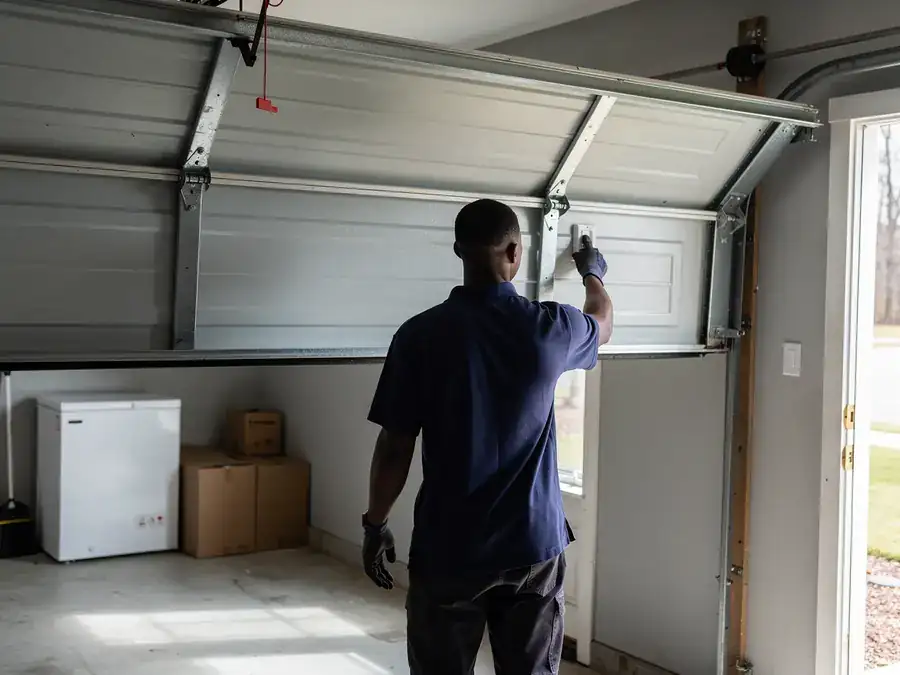
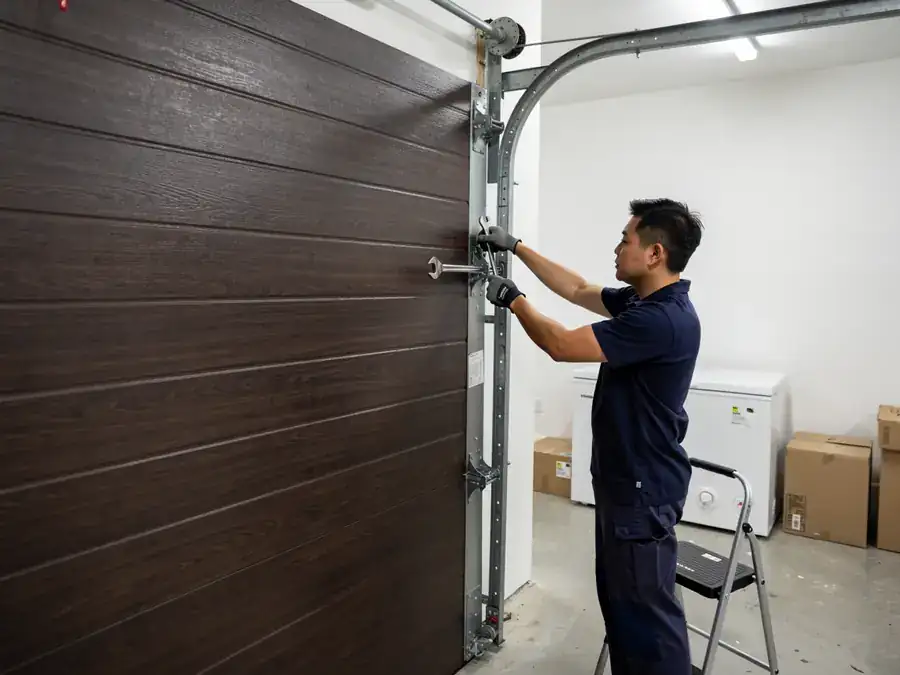
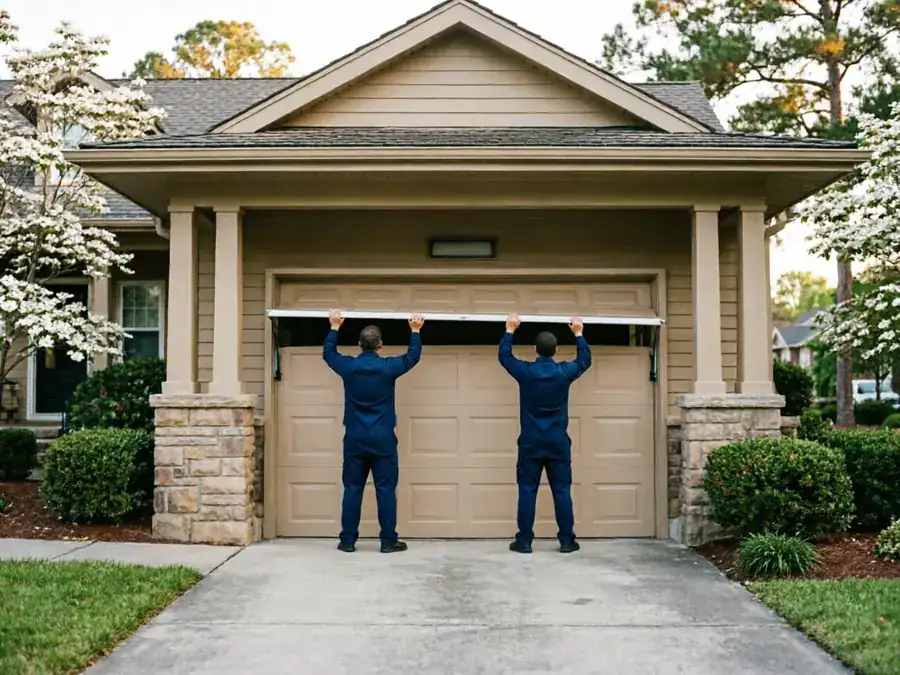
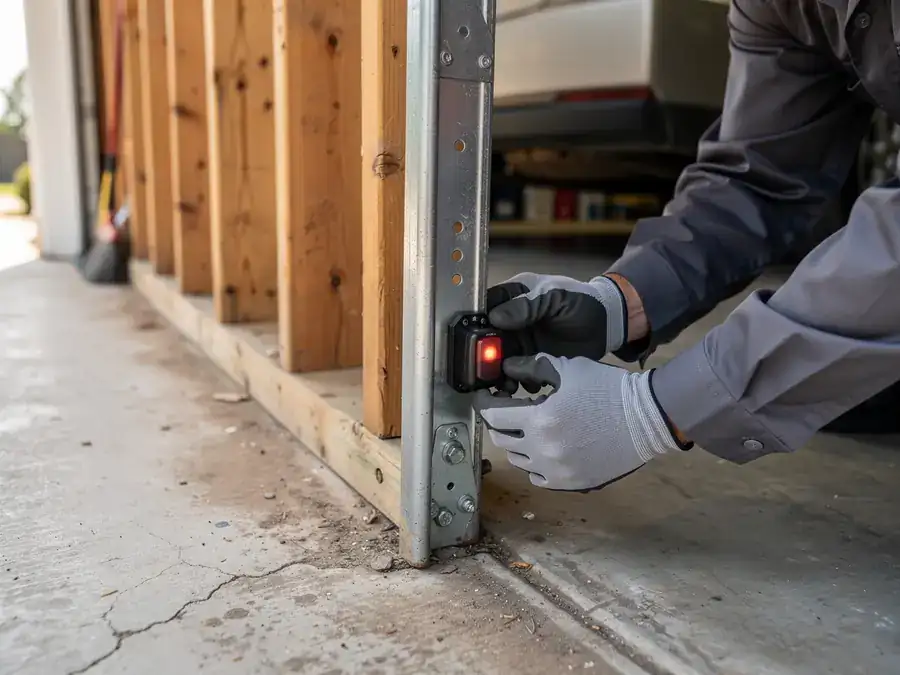
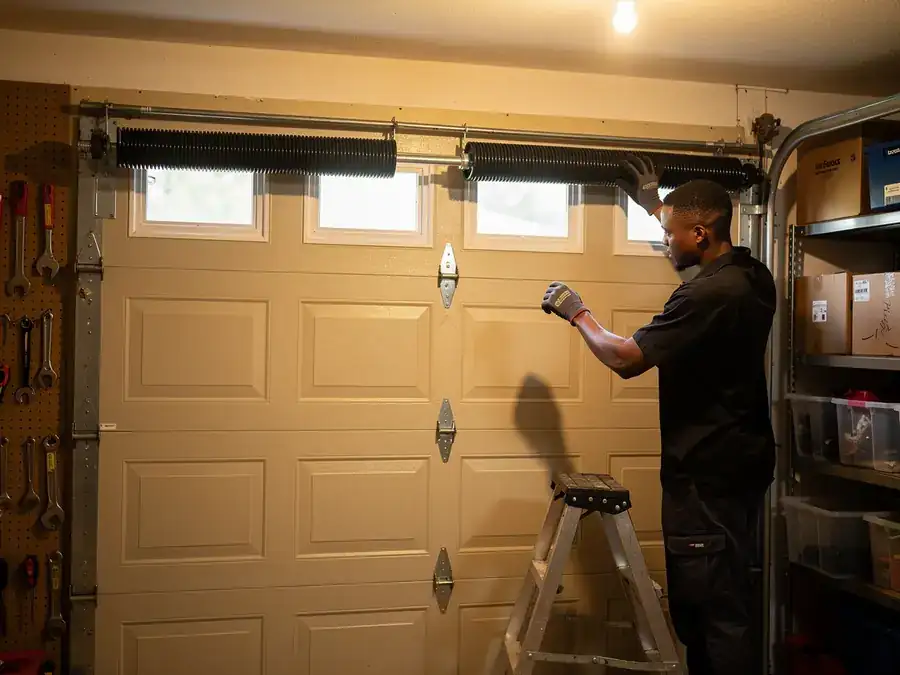
Mounting the opener unit itself isn't the hard part - it's wiring in the safety sensors correctly, setting the travel limits so the door doesn't crush anything on the way down, and making sure the force settings are calibrated so the auto-reverse actually works if something's in the way. Get any of that wrong and you've got a door that looks installed but isn't safe. If you're comfortable with basic electrical work and have a helper to hold the rail while you align it, a straightforward swap on a door that's already in good shape is within reach for a patient DIYer. What we don't recommend doing yourself is anything involving the torsion spring or the track geometry on an older, out-of-square garage - that's where people get hurt, and it's also where a 1979-era setup is most likely to surprise you with something that doesn't match the manual.