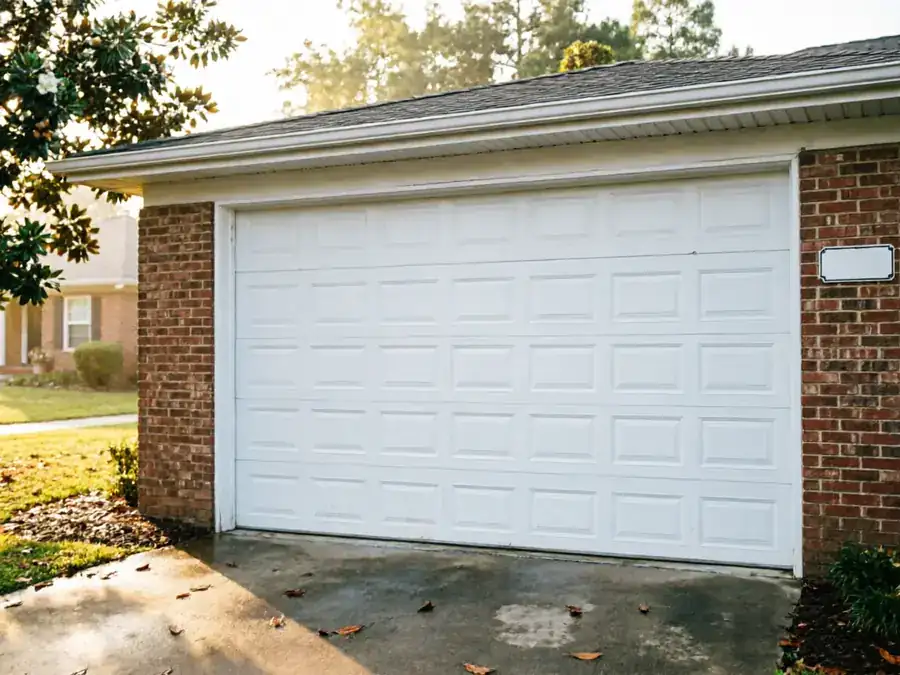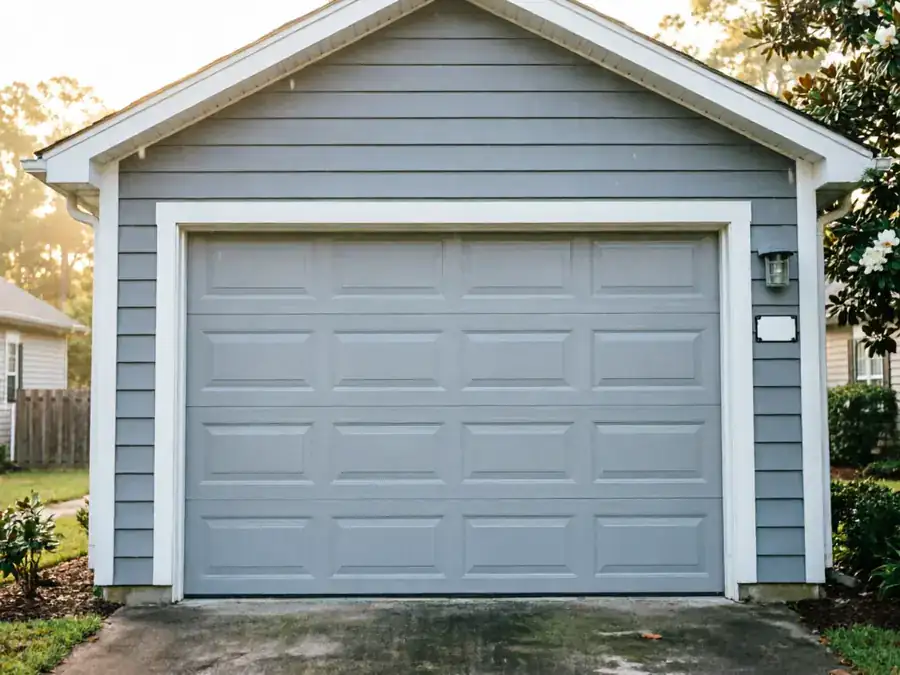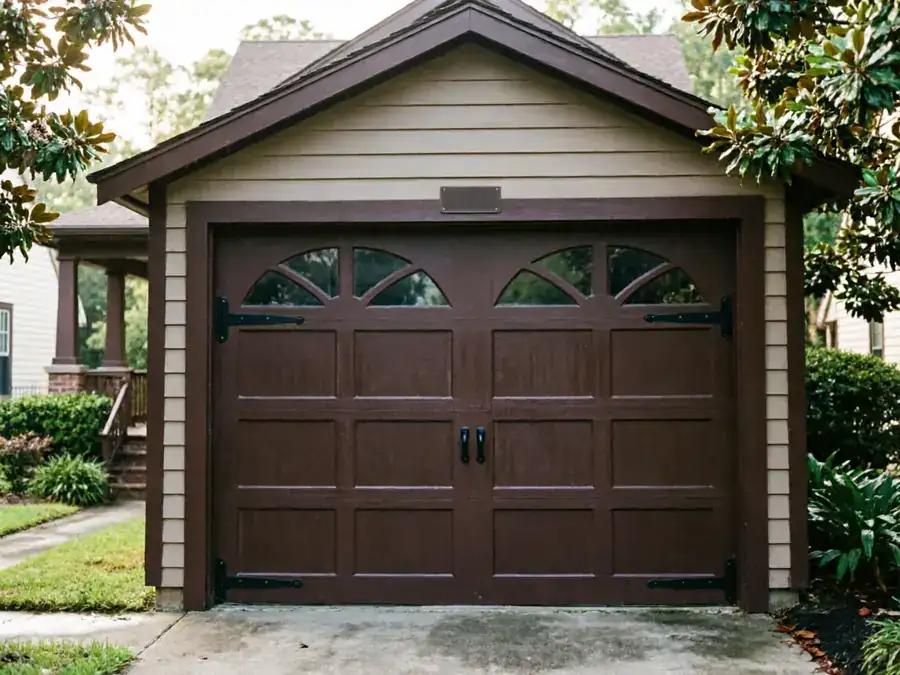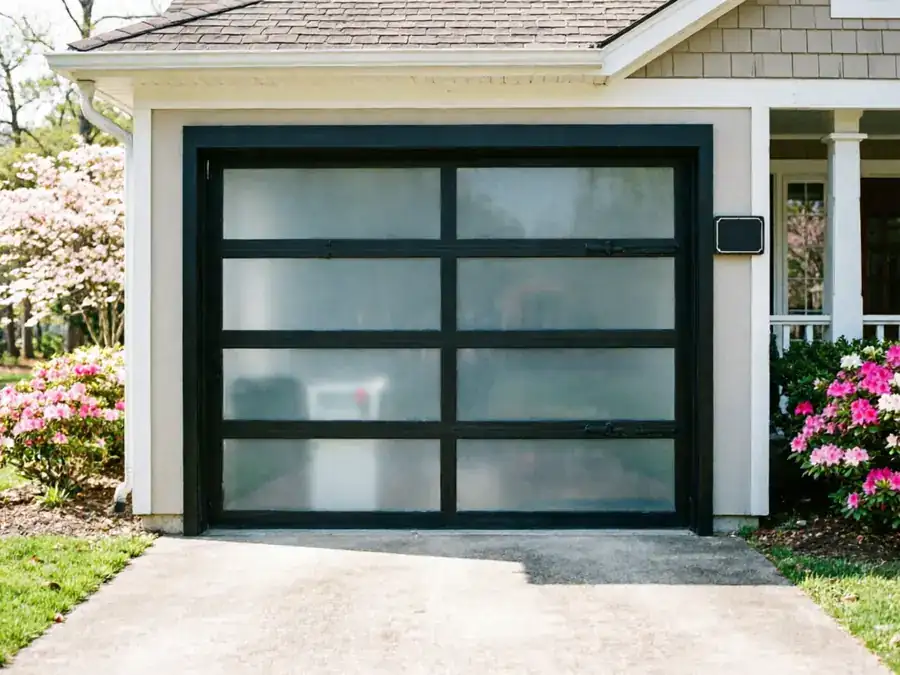
What You Are Seeing
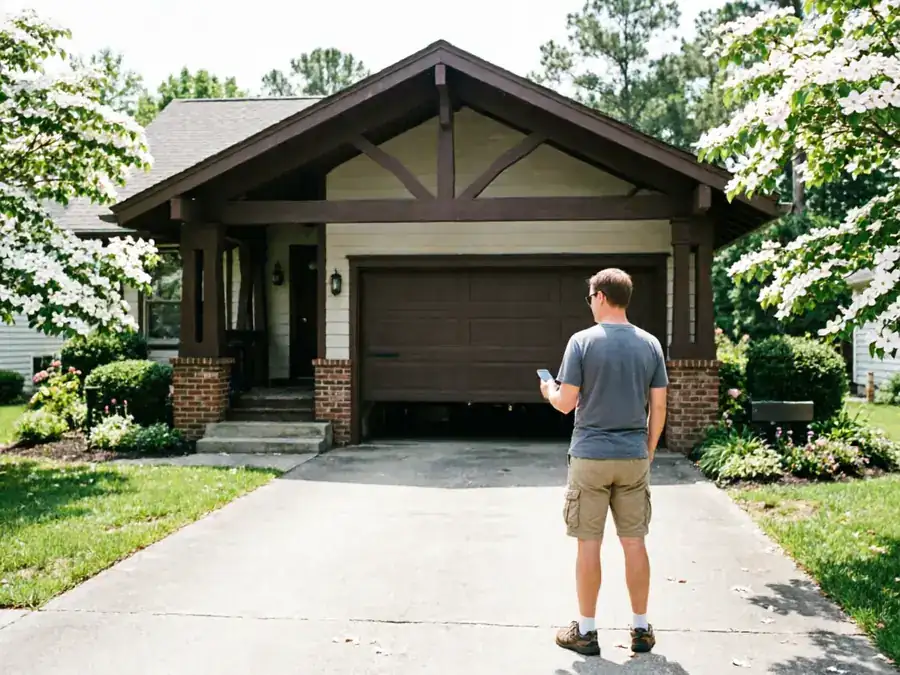
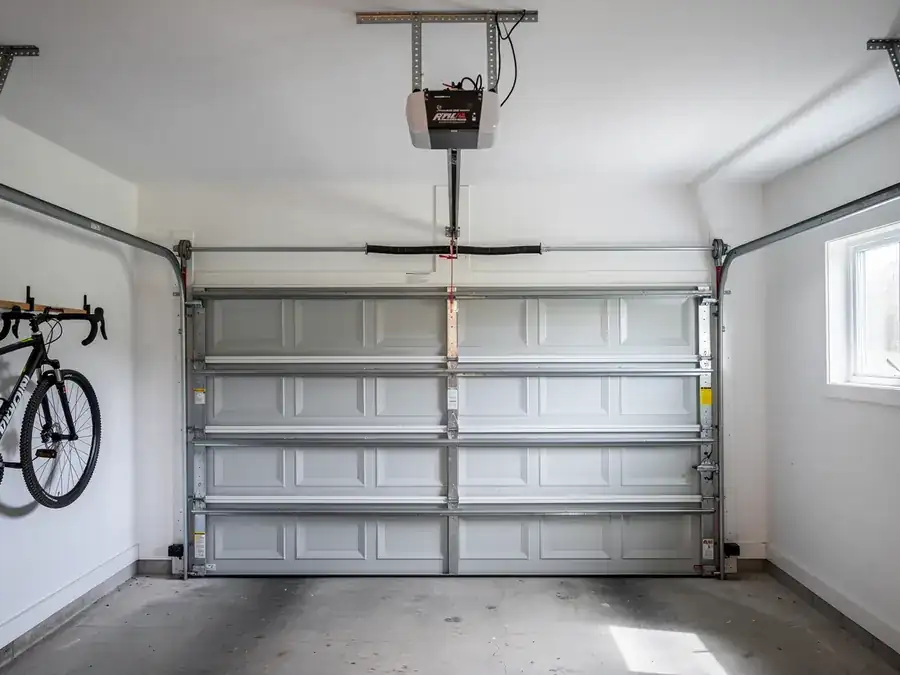
York's housing stock centers on 1979 - the older edge of the 1979-2006 range that covers this whole service area. That matters more than it sounds like it should. A door built in 1979 is almost always a steel sectional, non-insulated, hung on an extension spring system rather than the torsion setups that became standard through the 80s and 90s. Single skin, no thermal break, and often the original hardware never replaced once in forty-plus years.
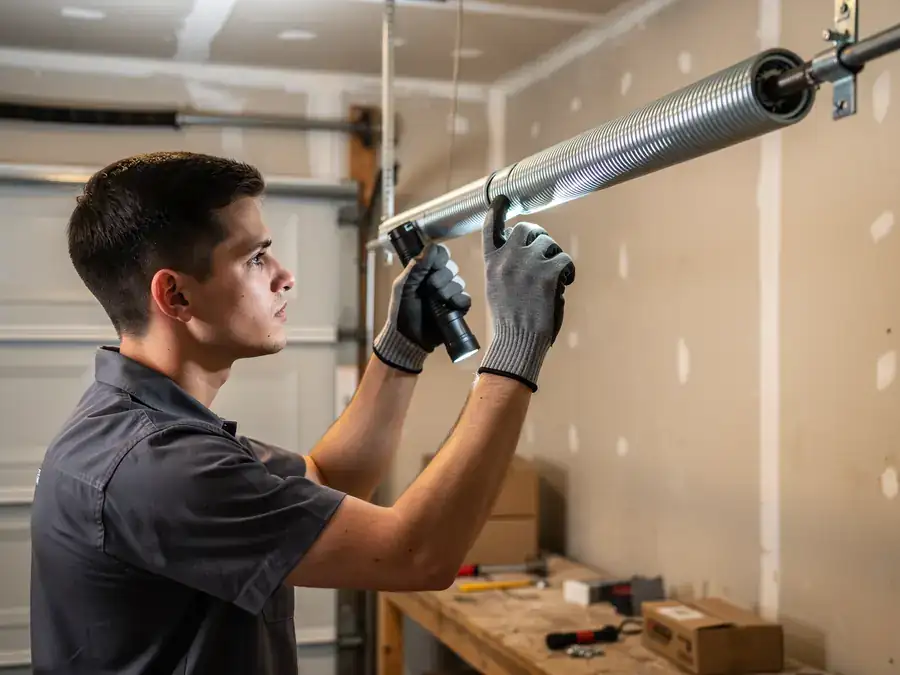
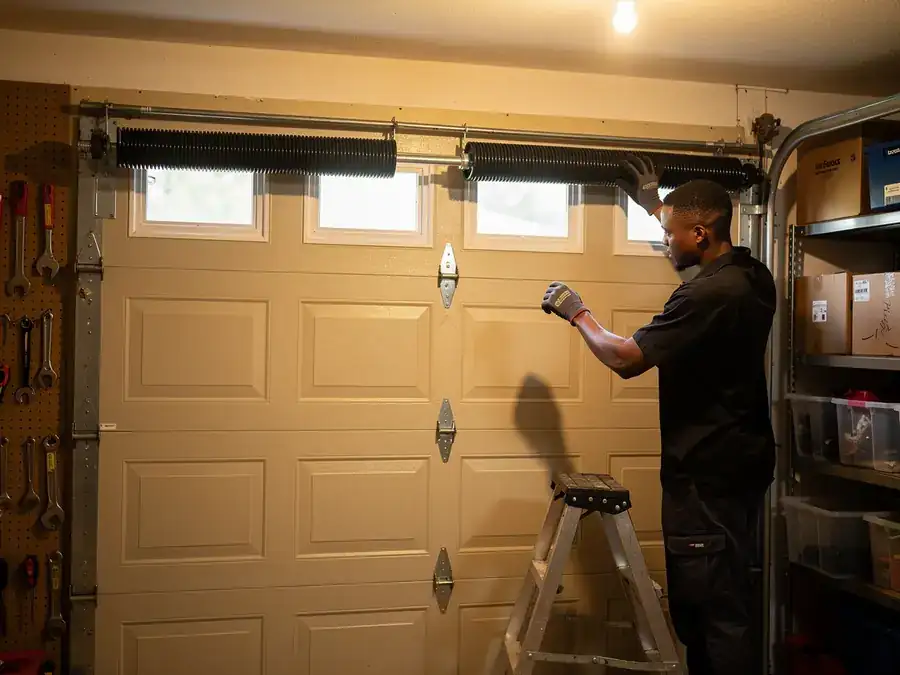
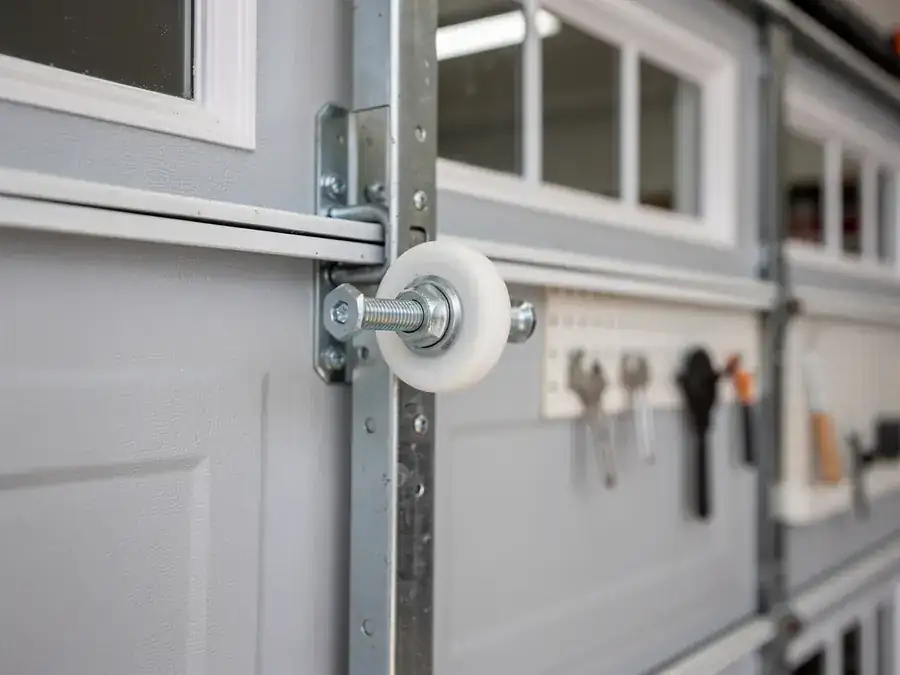
What you're seeing when that door starts acting up is usually one of three things: the galvanized coating on an original spring has worn through and it's starting to stretch or snap, the stamped steel rollers have flattened on one side from decades of the same travel path, or the cable has frayed where it wraps the drum. None of this is dramatic until the day the door won't move, or worse, it comes down hard because a cable let go mid-cycle. In a cold-moderate climate, metal fatigue on parts this old speeds up every winter - contraction and expansion on hardware nobody's touched since Carter was in office does its own kind of damage.
Parts We Carry
Because most of the houses across this service area were built in the same two-decade stretch, we carry the parts that fit 1980s and 90s doors as a matter of course - torsion and extension springs in the common wind and wire-size combinations, drums, cables, and the flat steel or nylon rollers that replaced the originals on most of these doors somewhere along the way.
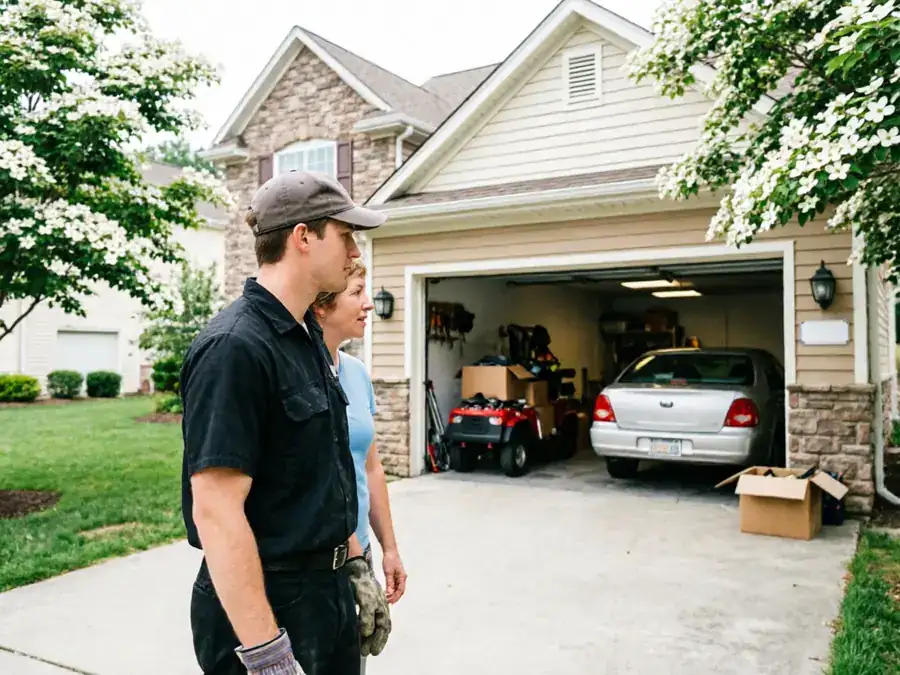
Where York gets trickier is the handful of doors still running original 1979 hardware - wider-gauge springs, older-style end bearing plates, track widths that don't match what's on the shelf at the big home stores. We stock what covers the bulk of the service area's 1980s-90s stock, but a true end-of-70s original sometimes means a special order. That's the honest limit here: if your door is unusually old or was installed before the neighborhood filled in around it, we may need a day or two to get the exact part rather than fixing it off the truck.
What It Costs
York's median household income sits at $47,315, well below the $94,505 median across the wider service area
That gap matters when we're talking repair versus replace. On a door from the 1979-2006 era, a spring or roller job is almost always the right call - the door itself still has life in it, and the fix is a fraction of what a new door and opener would run.
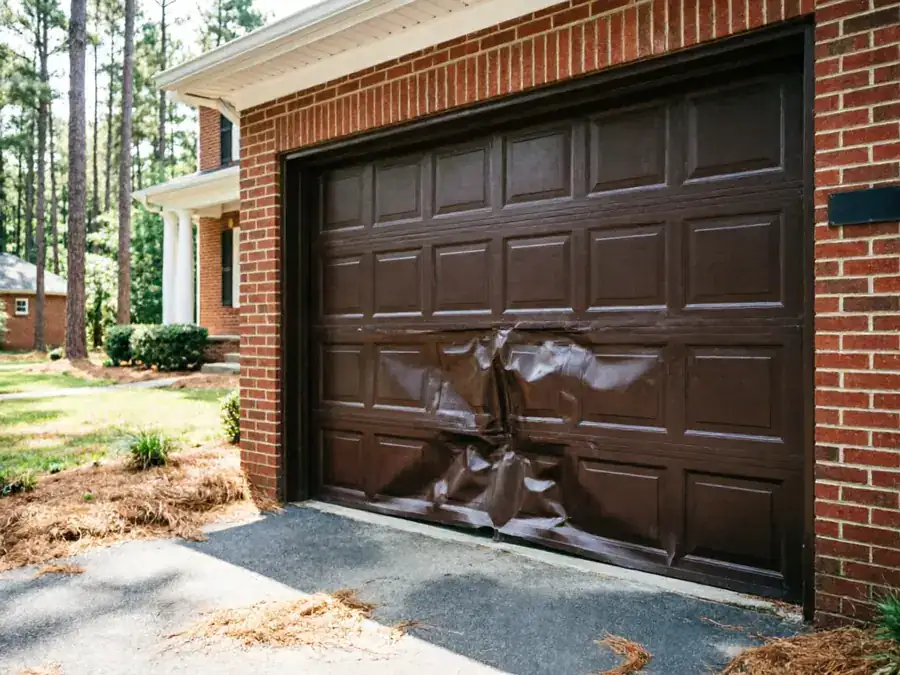
Where the math shifts is on doors that are rotted at the bottom panel, bent past square from a vehicle impact
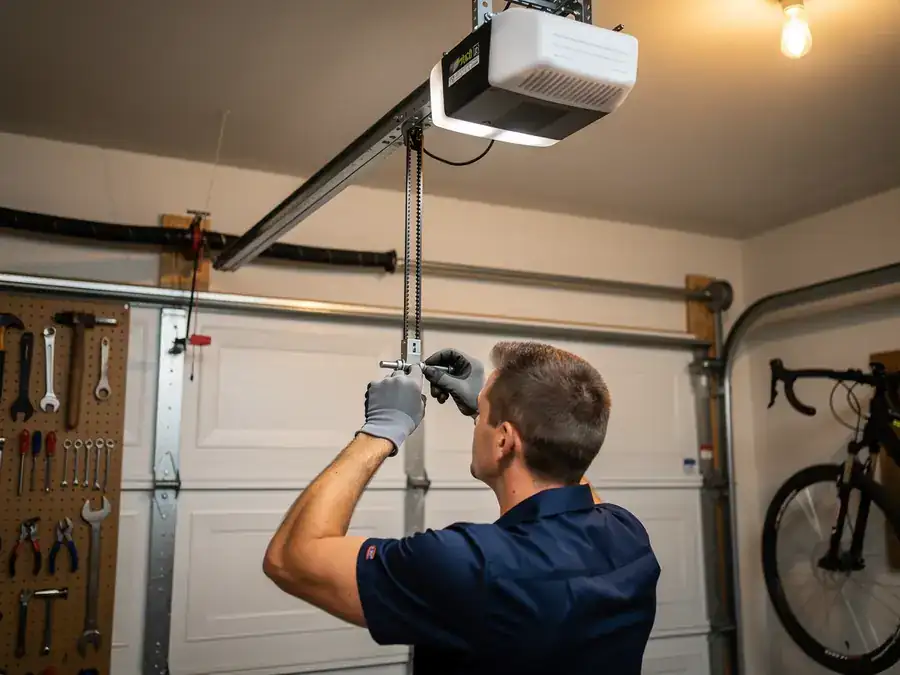
Or running an opener old enough that parts aren't made anymore. We won't talk you into sinking repair money into a door that's going to need replacing again in a year. We don't publish flat prices here because spring count, door weight, and whether it's a single or double door all move the number - but we'll tell you on-site which side of that line your door falls on before any work starts.
Can You Do This Yourself
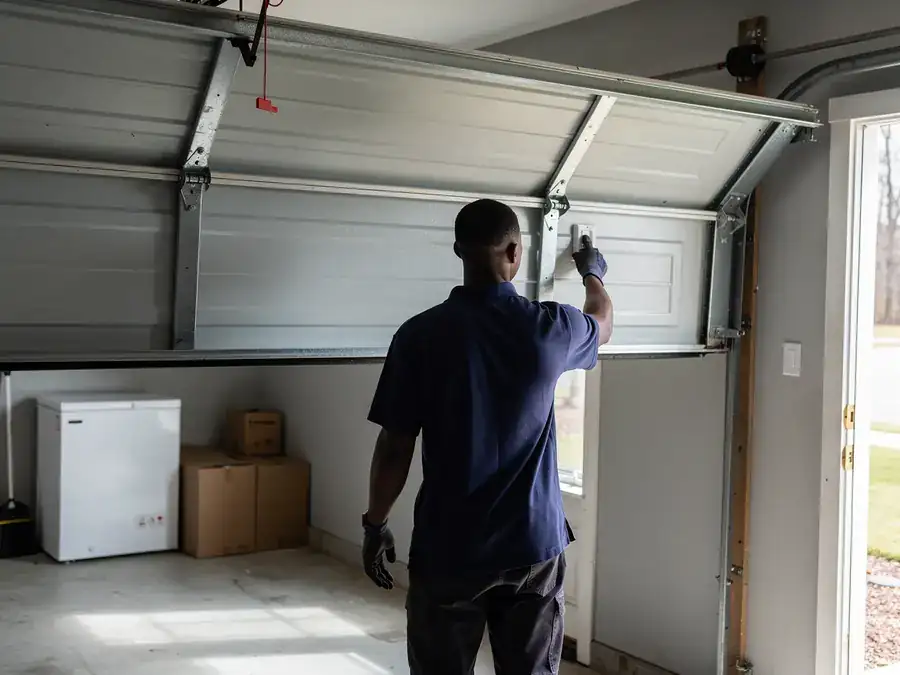
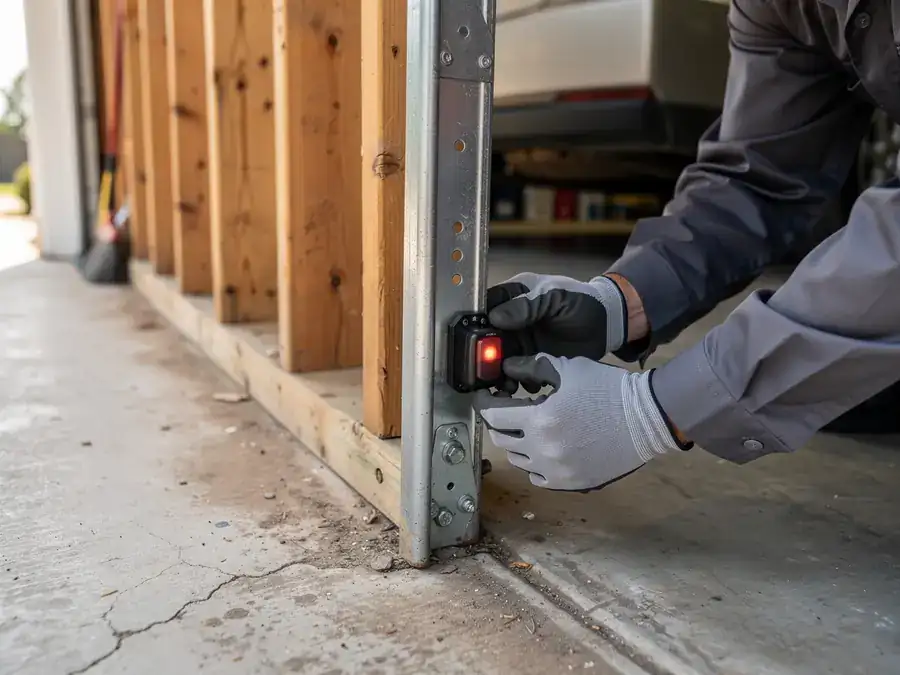
Some of this is fair game for a homeowner. Lubricating hinges and rollers, tightening loose hardware, cleaning the photo-eye sensors near the floor, and checking that the auto-reverse still works - all of that is maintenance, not repair, and doing it yourself twice a year adds real years to a door this old.
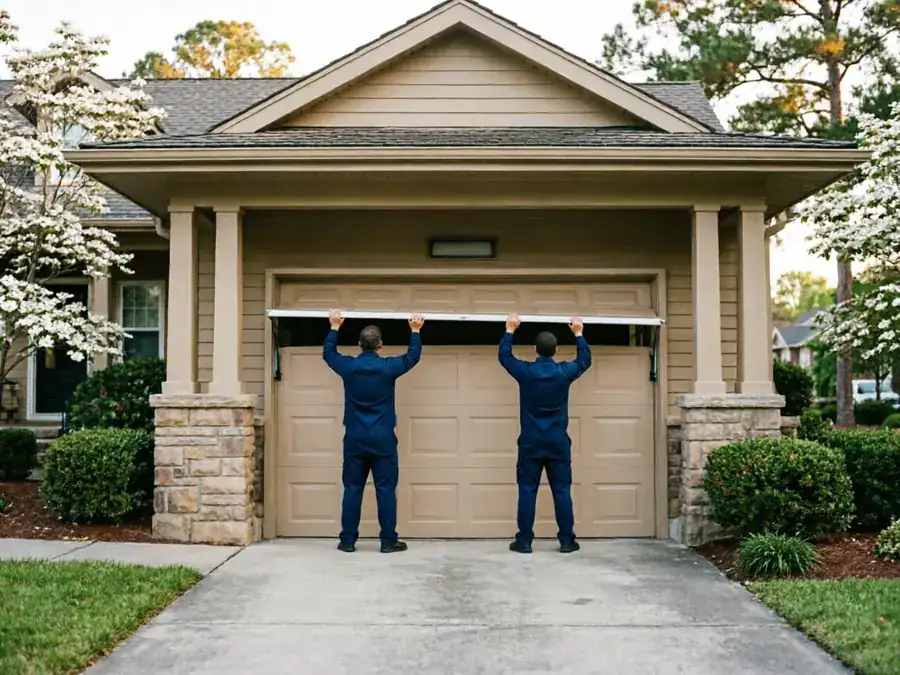
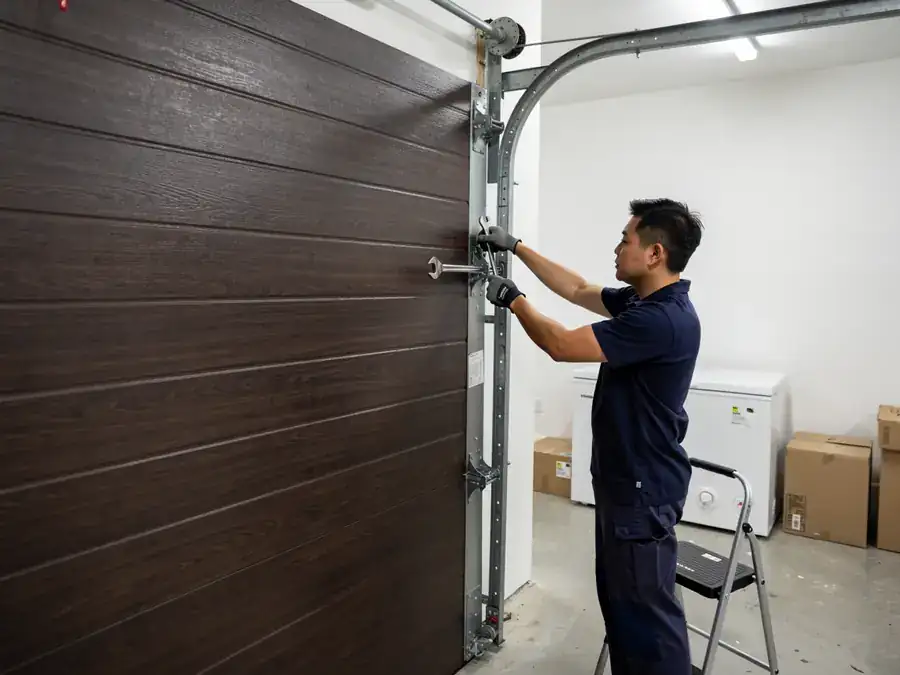
A torsion or extension spring is not a DIY job, full stop. These springs hold enough stored tension to break a hand or worse, and the tools to wind them safely aren't something most garages have lying around. Same goes for cable replacement - if a cable's frayed, the door is one cycle away from dropping unevenly. If you're hearing a loud bang from the garage, that's very likely a spring letting go; leave the door down and call someone rather than trying to diagnose it yourself.