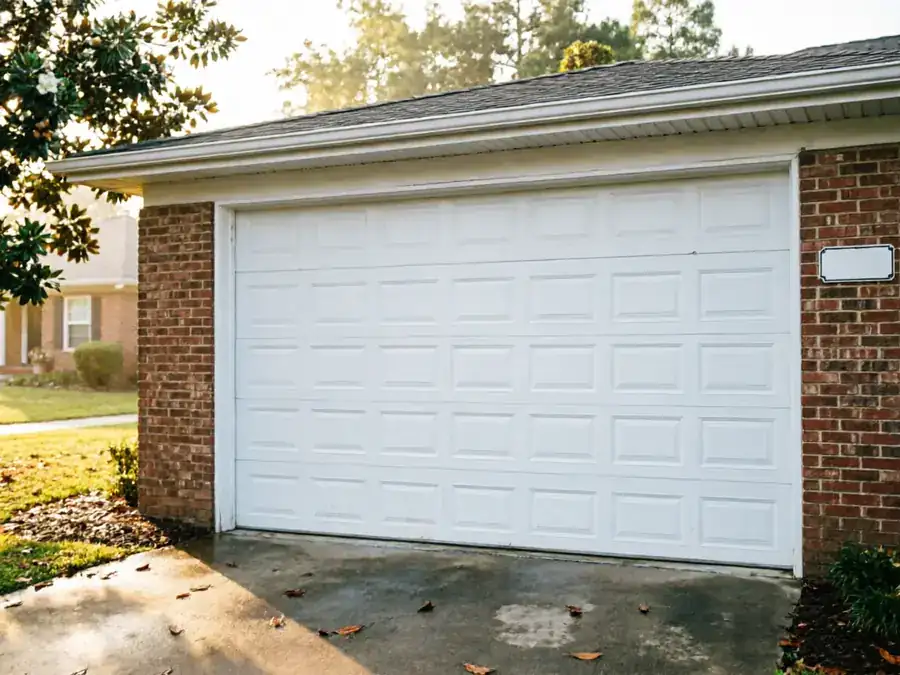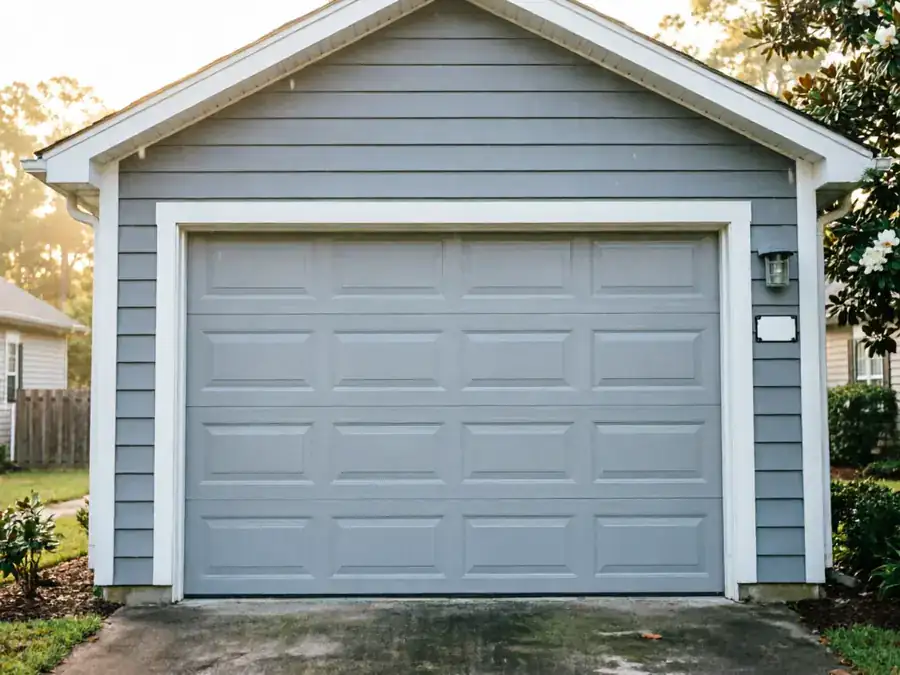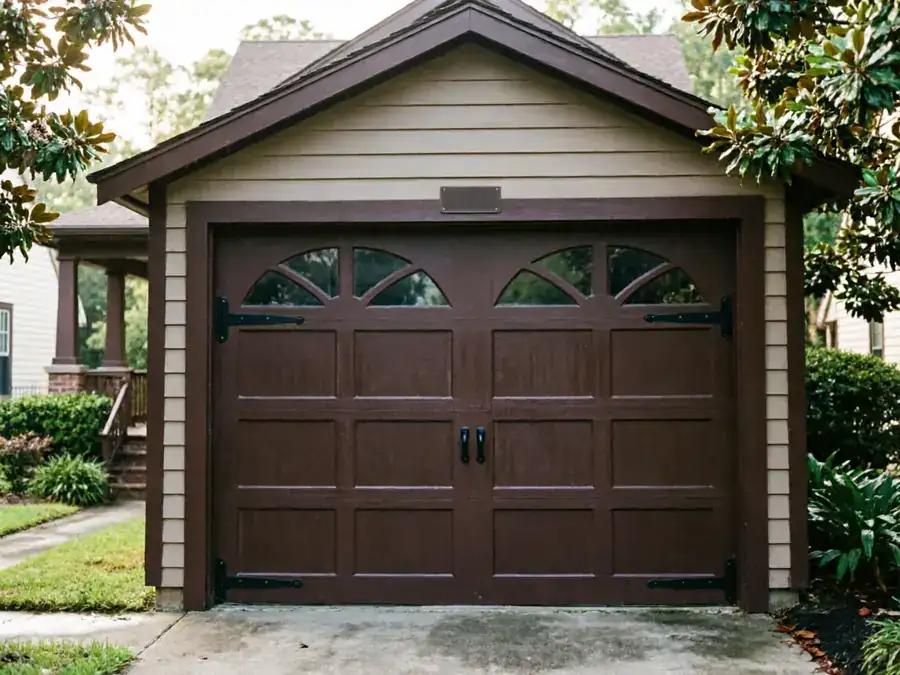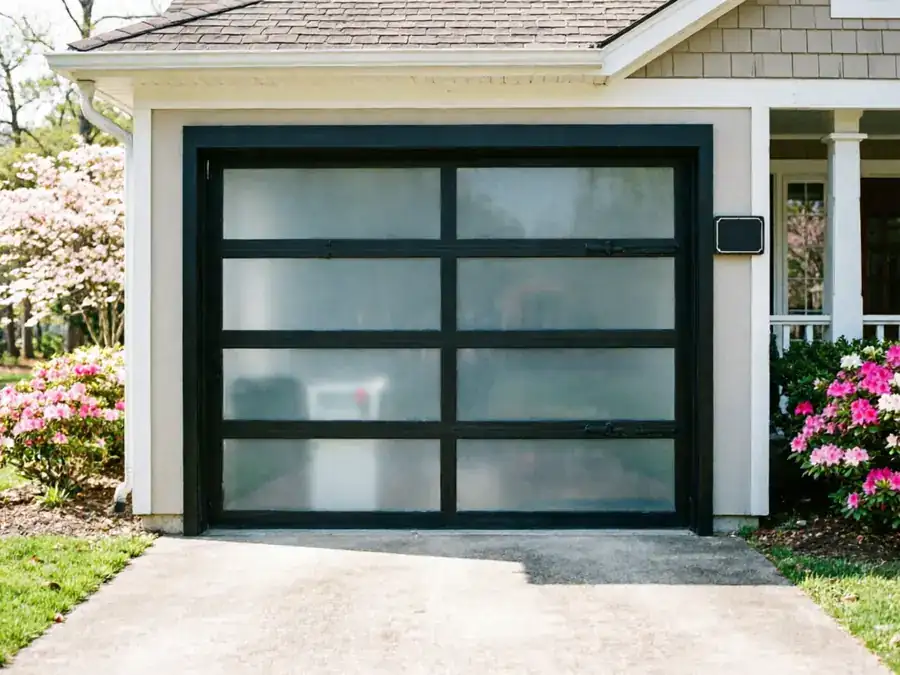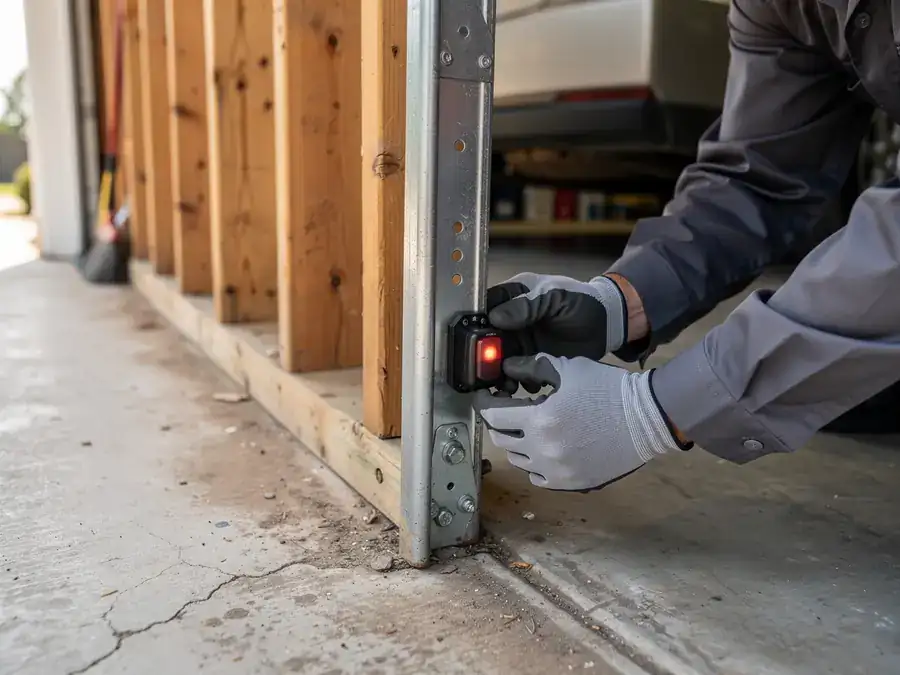
What You Are Seeing
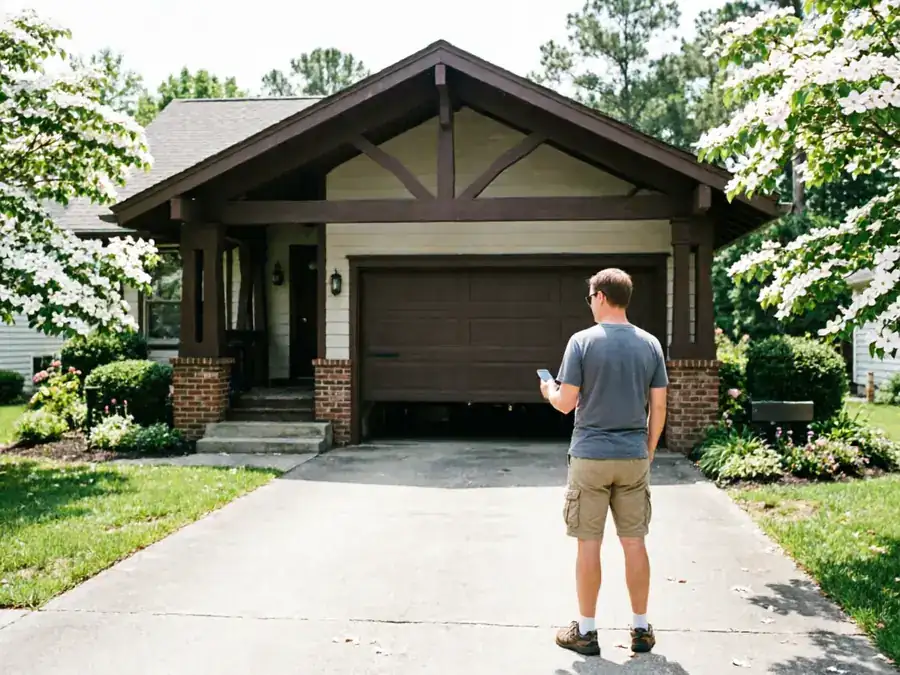
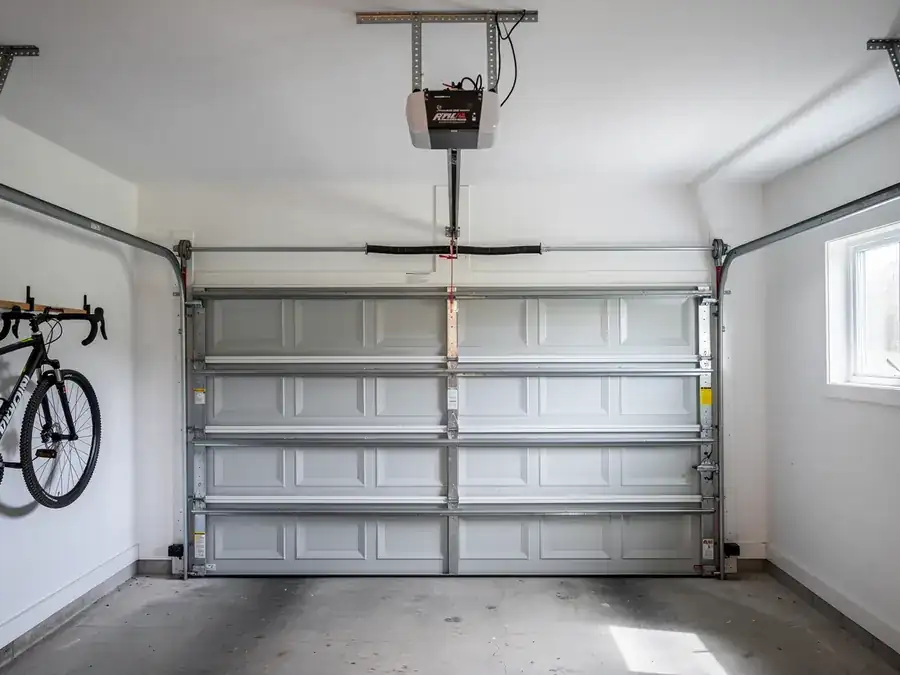
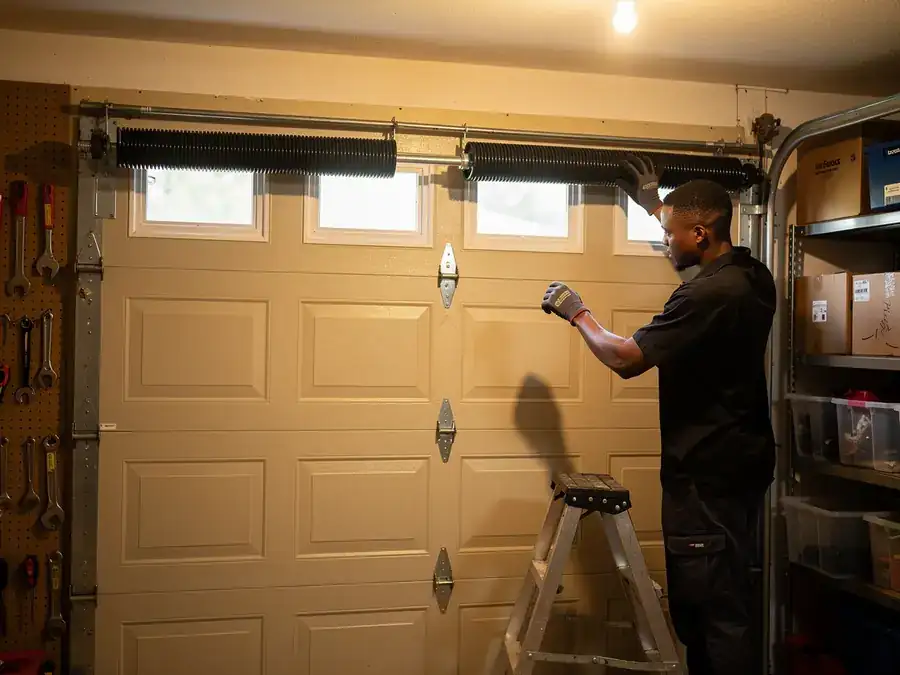
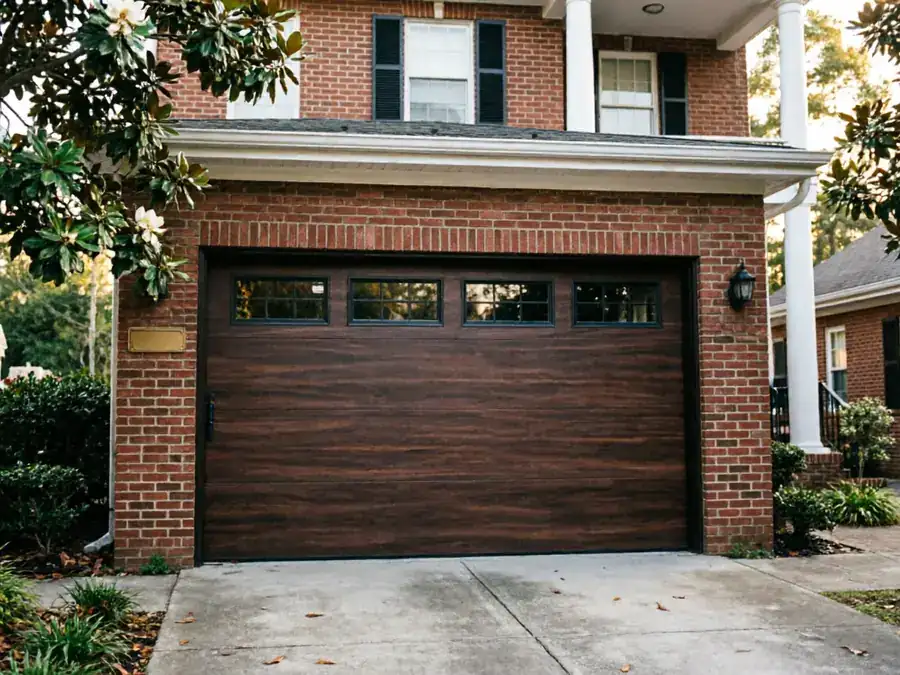
Most houses in York went up around 1979, which puts this neighborhood a solid generation ahead of the newer build-out elsewhere in the service area, where the typical home dates closer to 1997. That gap matters on a garage door. A door installed in the late 1970s or early 1980s almost always came with a single torsion spring on a steel shaft, or in some cases an extension spring system running along the horizontal tracks instead. Those setups weren't wrong for their time, but they wear differently than the dual-spring torsion bars that became standard later, and the replacement parts aren't always on the same shelf as the newer stuff.
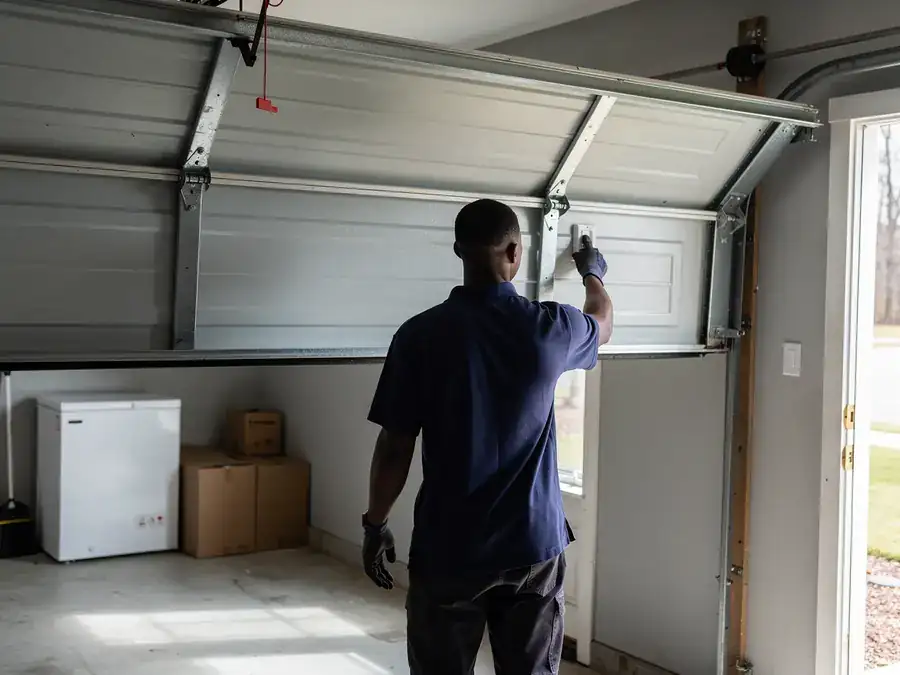
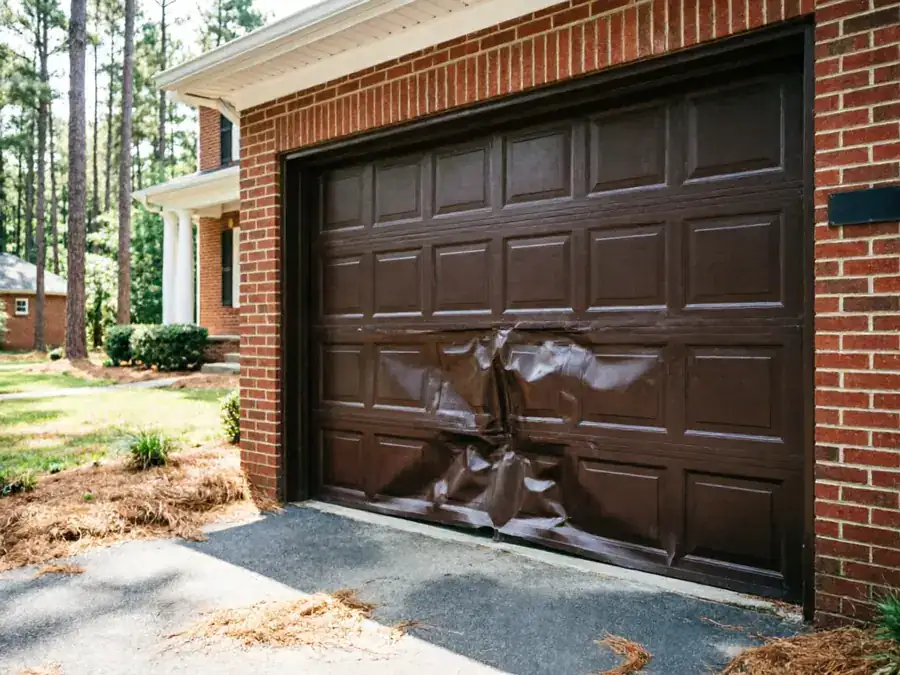
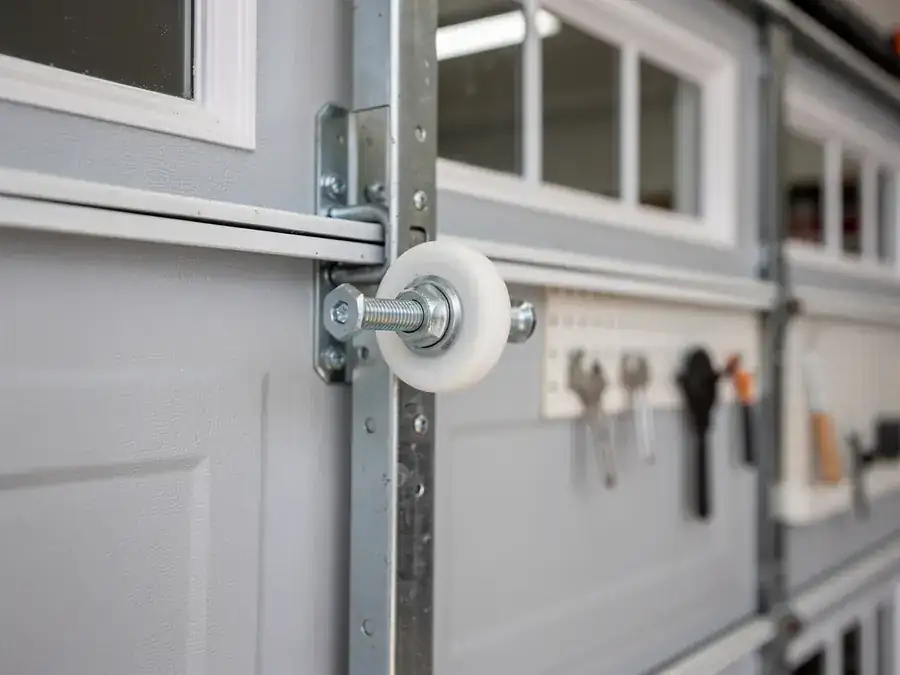
We also work in a cold-moderate climate band here, which means steel panels and spring steel both go through real temperature swings across a year. On a door that's already 30-plus years old, that cycling shows up as rust at the hinge points, a spring that's lost tension unevenly, or rollers that have gone out of round. If your door groans going up, sticks halfway, or the opener strains and reverses on its own, that's usually age plus weather, not one dramatic failure.
None of this means the door is doomed. It means the fix has to match what's actually on the house, not a generic newer-door assumption.
Parts We Carry
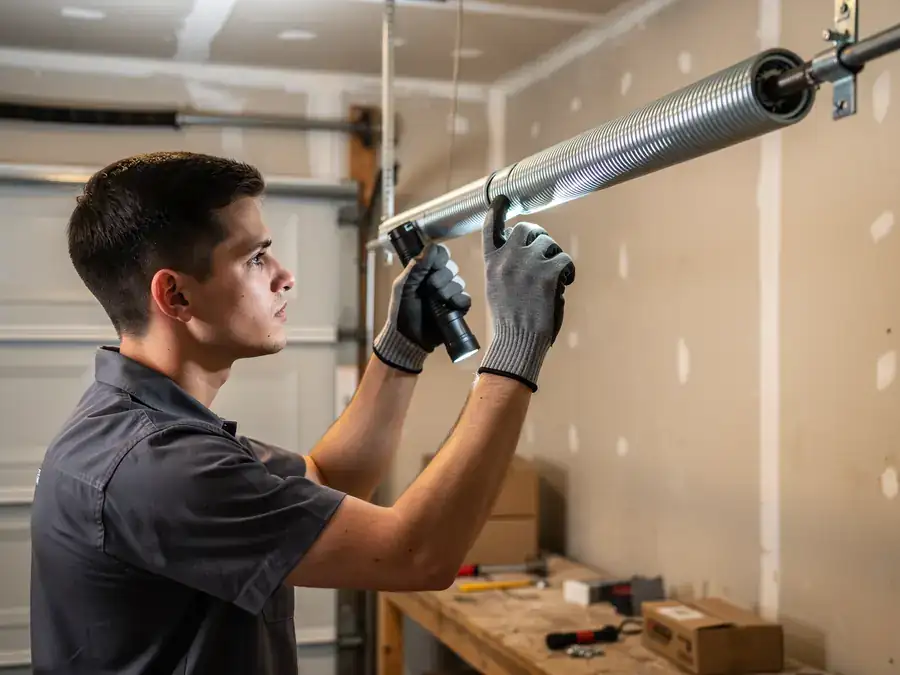
Because York's housing stock skews older than the newer sections of the service area, we stock torsion springs sized for the shaft diameters common on late-1970s and early-1980s installs, along with extension spring sets for the houses that went the other route. We carry standard steel rollers and the stamped-steel hinges that match original hardware, plus replacement cables sized to older drum setups rather than just the current standard.
We don't stock every obscure panel style from that era. If your door is an original wood panel or a discontinued steel profile, matching the exact panel can mean a special order, and we'll tell you that up front rather than make you wait on a part that isn't coming.
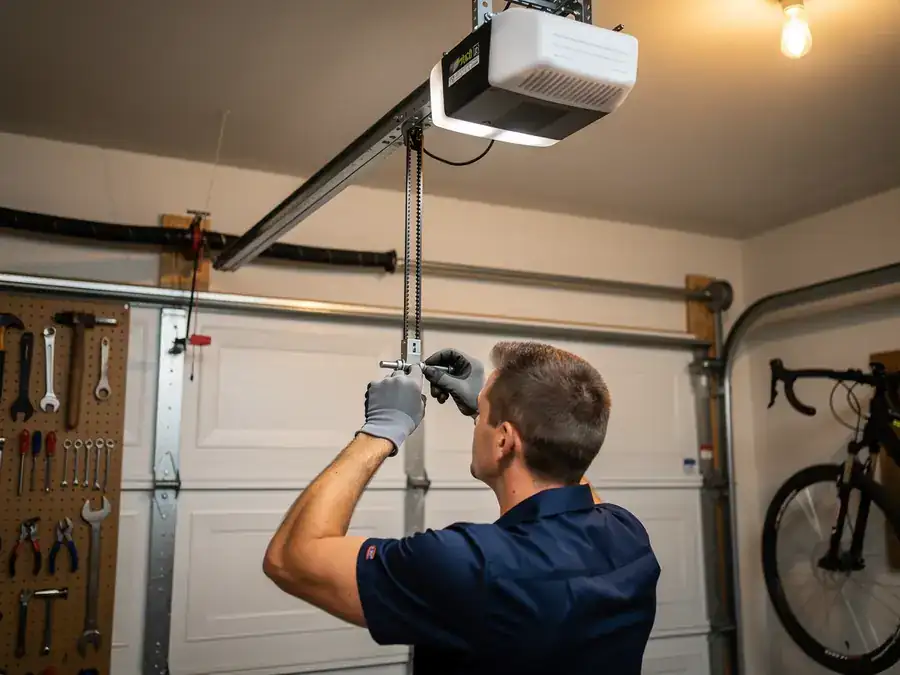
Openers get swapped more often than the doors themselves, so we carry current chain and belt drive units that bolt onto the older door hardware without needing to replace the whole system. That's usually the more sensible move for a door that's structurally sound but running on a 20-year-old opener.
What It Costs
York's median household income runs lower than the broader service area
About $47,315 here against a wider-area median closer to $94,505 - and that's part of why we lean toward repair over replacement when the door itself still has life in it. A spring swap or roller replacement on an older torsion or extension setup is almost always cheaper than a full door, and for a house with original hardware from the late 1970s, repair is often the right call rather than the automatic upsell.
We don't post a flat price list here because spring size, door weight, and opener condition change the number
And guessing at a figure before we've seen the door does nobody any favors. What we can tell you is that the call itself doesn't cost anything, and the quote happens before any work starts.
One honest limitation
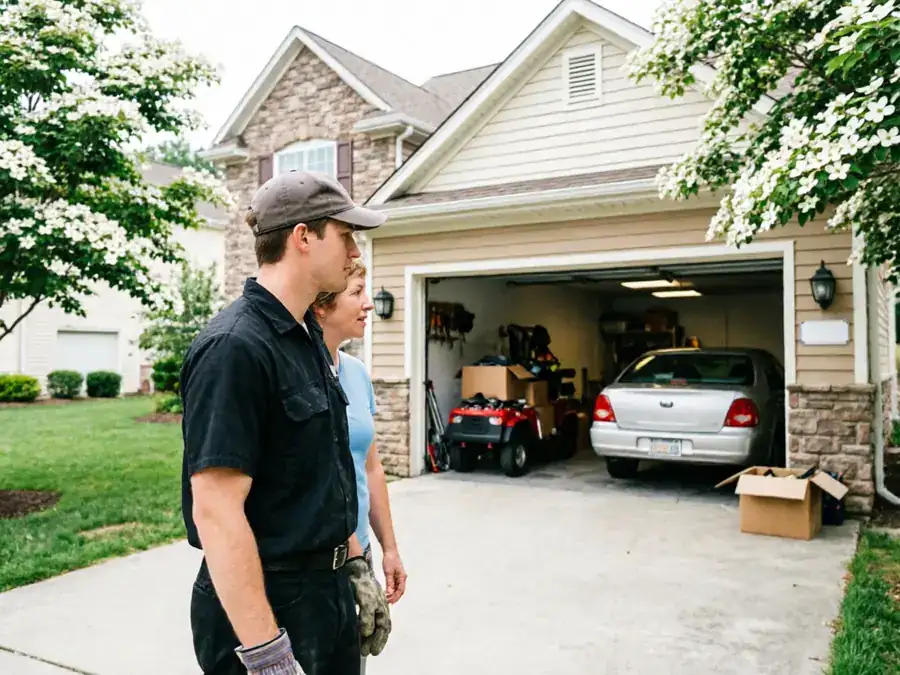
We travel to York from Fort Mill, about 17 miles out, so this isn't a stop-by-in-ten-minutes situation. We schedule the visit, we don't promise a same-hour arrival.
- 17 miles
Can You Do This Yourself
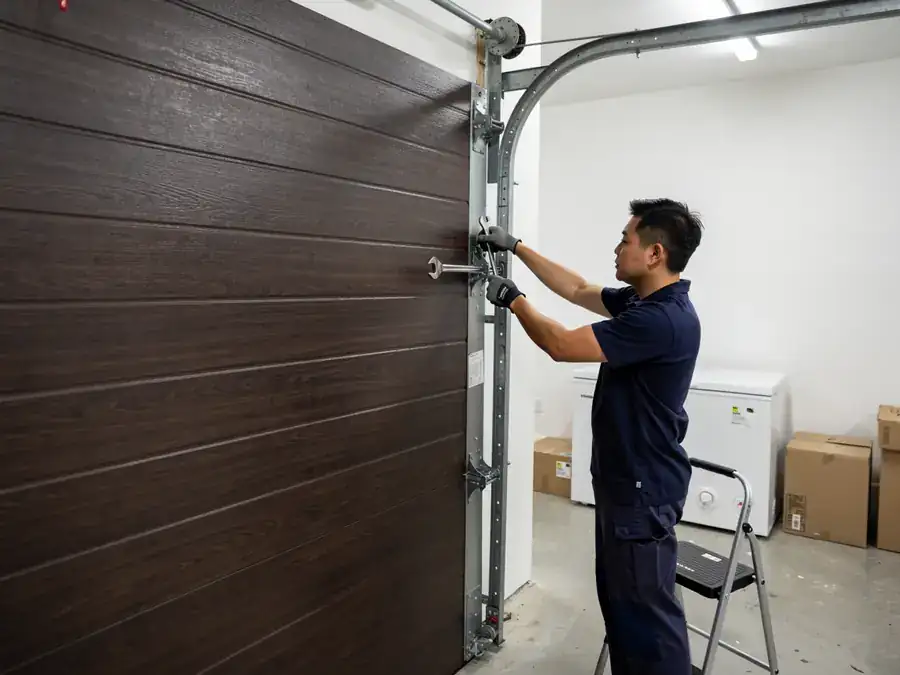
A loose hinge screw or a roller that needs lubricating, sure, that's a reasonable Saturday job. A torsion spring on a door this age is not. Those springs are under enough tension to break a wrist or worse if the winding bar slips, and the sizing on an older shaft isn't always what the parts counter hands you off the shelf for a newer door. Extension springs are a little more forgiving to look at but still carry real force when a door is down.
With roughly 3,296 households in York, a lot of these doors have sat untouched since they were installed, which means the hardware underneath has had decades to corrode or lose tension unevenly - not something you want to discover mid-repair. If the door won't open, won't stay open, or the spring has visibly separated, that's a call, not a project. If it's just a squeaky roller or a loose bracket bolt, a can of lubricant and a wrench will get you there.