How Long You Are Without the Door
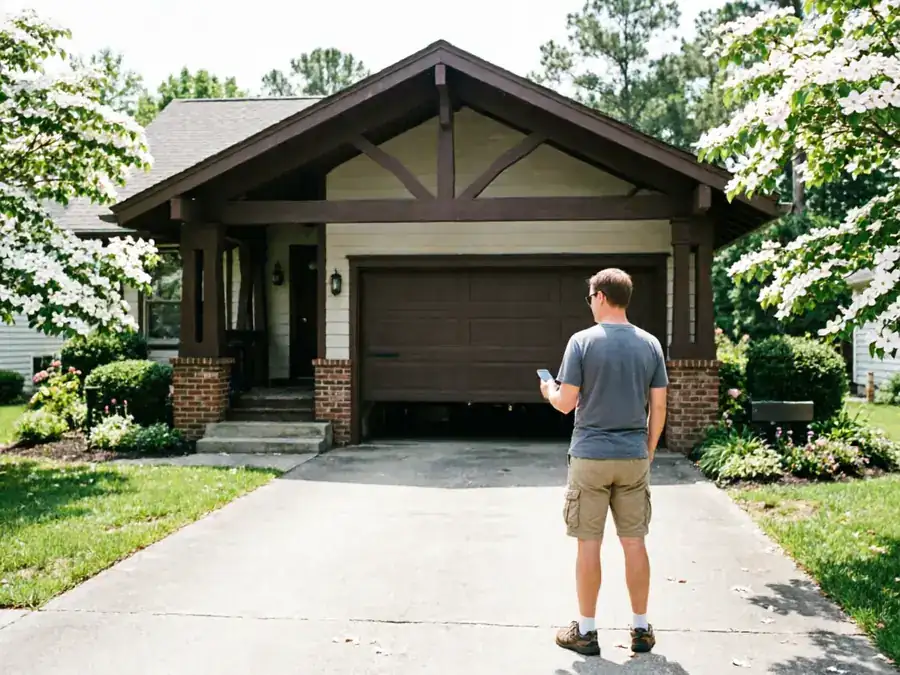
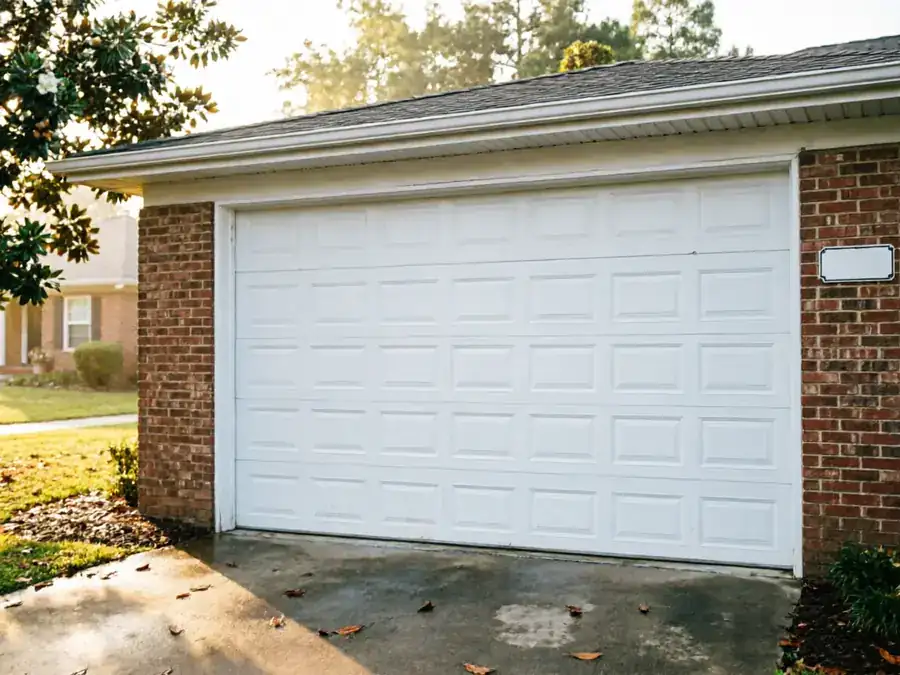
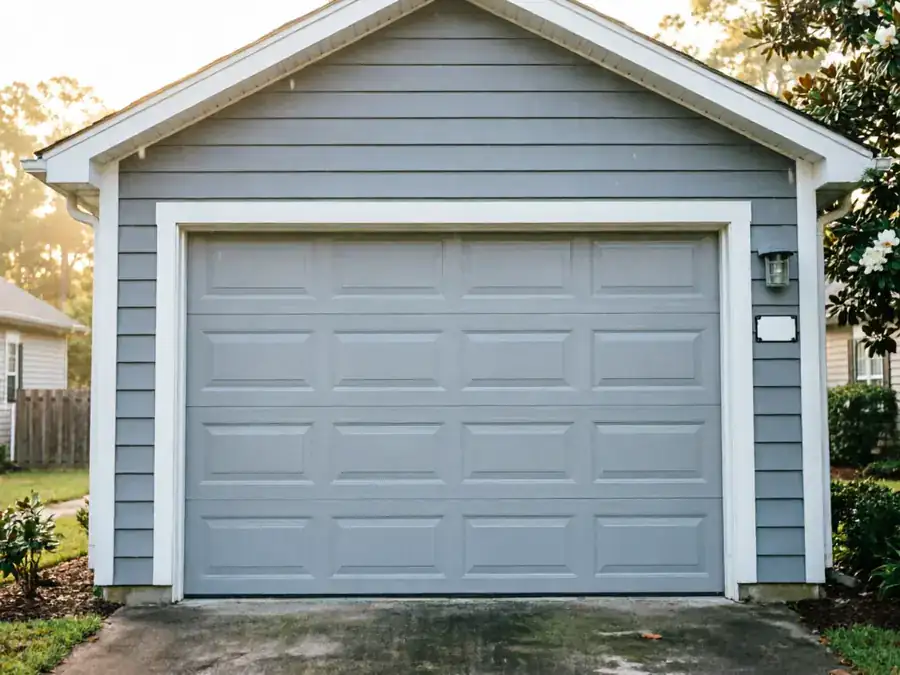
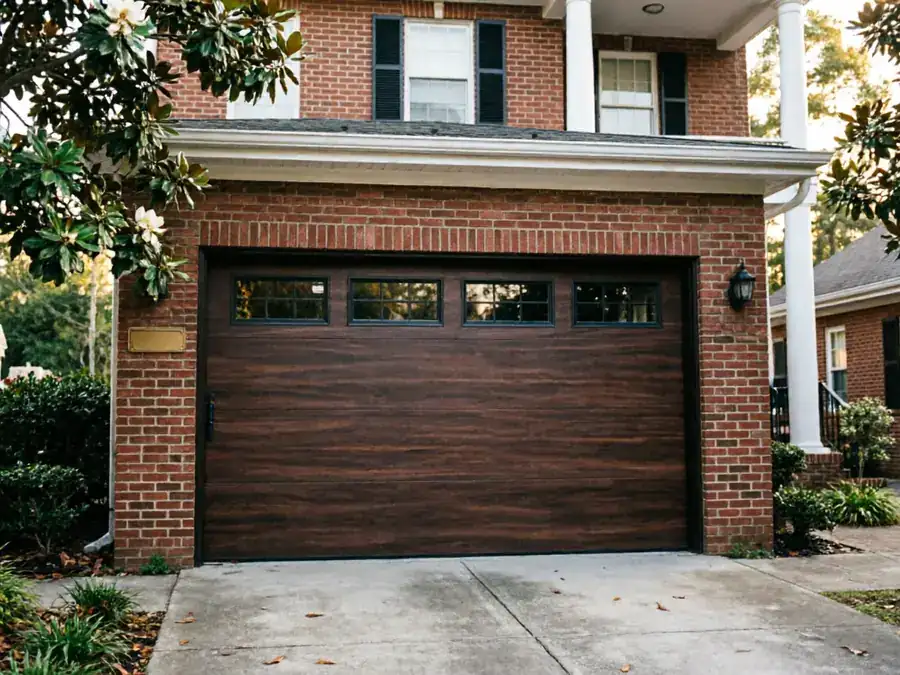
India Hook's housing mostly went up around 2003, which puts the typical door here on a standard insulated steel panel system rather than the older wood-composite sections you'd find on a 1980s build elsewhere in the area. That matters because a cracked or dented section on one of these doors is usually a known, stocked profile - not a custom order. We come from Fort Mill, about 5 miles away, so once we've confirmed the panel profile and color run over the phone, we're not looking at a long wait to get a truck to you.
The part that does slow things down is color match. A 2003-built house has had twenty-plus years of UV exposure on its factory finish, and the replacement section from the supplier won't be an exact match on day one - it weathers in over a season or two. We'll tell you that straight up rather than promise a seamless blend that isn't realistic.
If the whole door's warped or the track's bent along with the panel, that's a different job and a different conversation, and we'll say so before we start rather than after.
Getting It Booked In
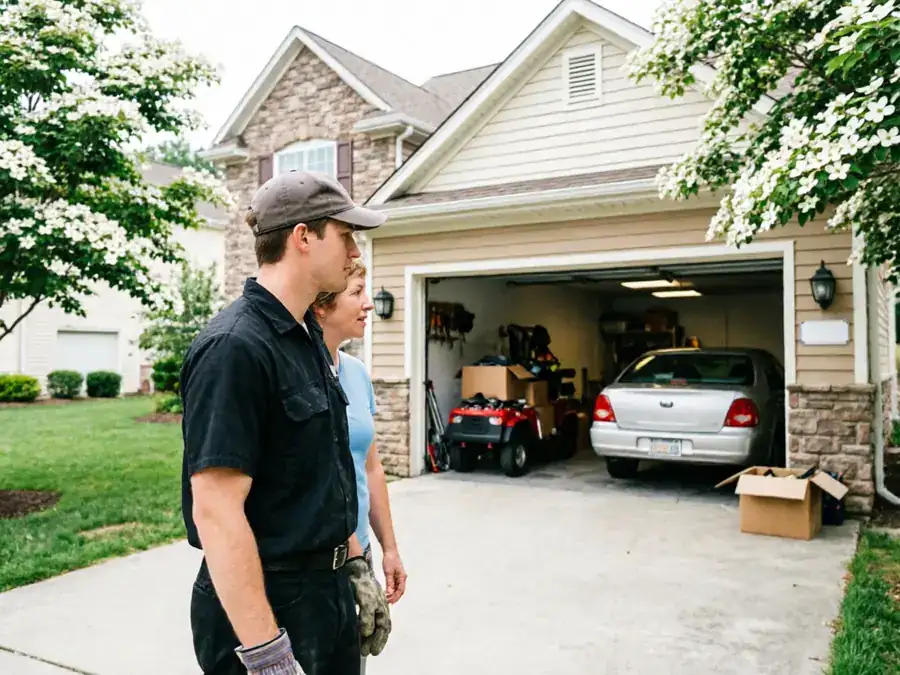
Tell us the panel size and roughly how old the door is when you call - for most of India Hook's housing stock, that's going to land in the early-2000s range, which narrows down the hardware and profile fast. We travel from Fort Mill for this, so we're not holding a local stock of every panel style; we confirm what your door needs before we load the truck, which saves a second trip.
If you know the door's brand or have a photo of the data label (usually inside, near the top bracket), send it ahead. It cuts guesswork and means we show up with the right section instead of a close guess. We don't keep every color and texture combination on hand, so some jobs do need a short order lead time from the supplier - we'll tell you that up front, not after we've already quoted a date.
What You Are Seeing
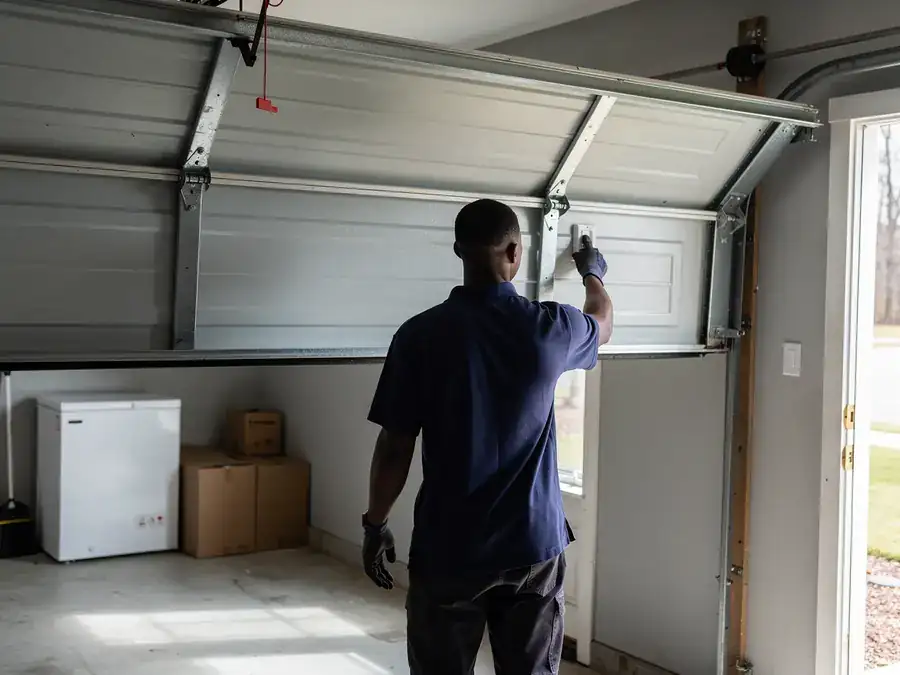
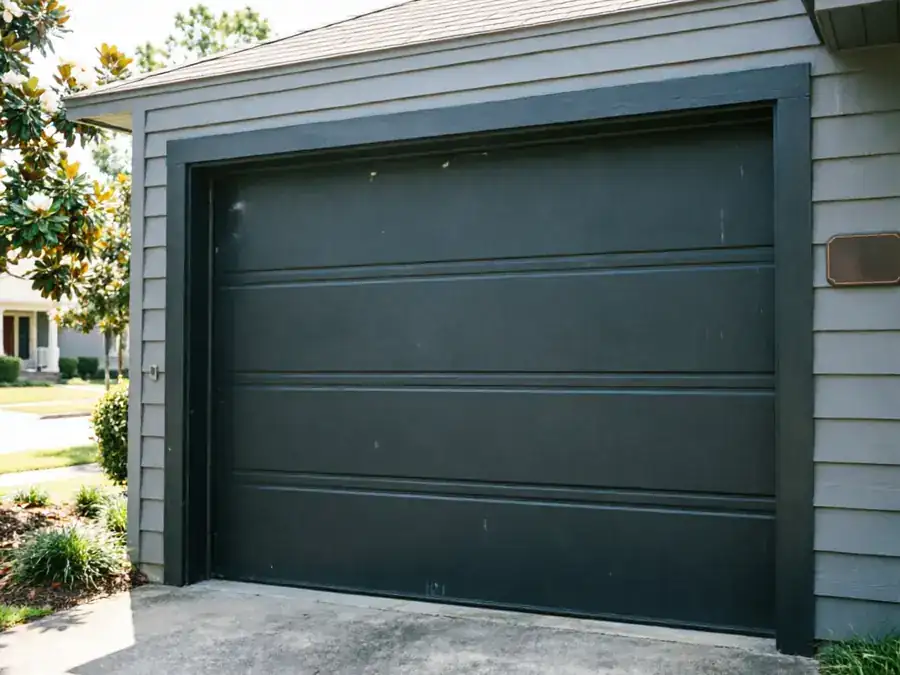
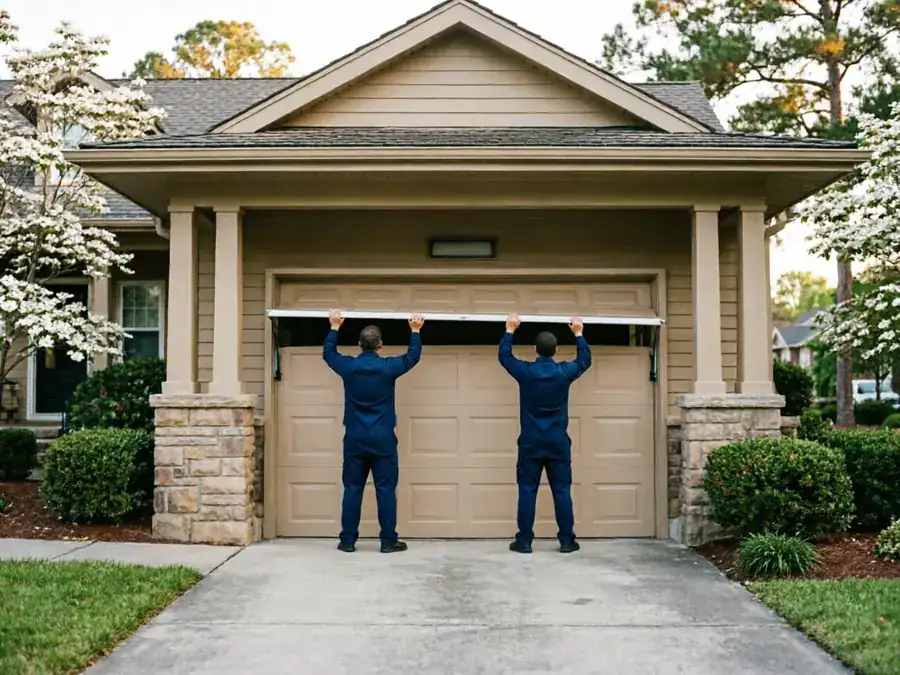
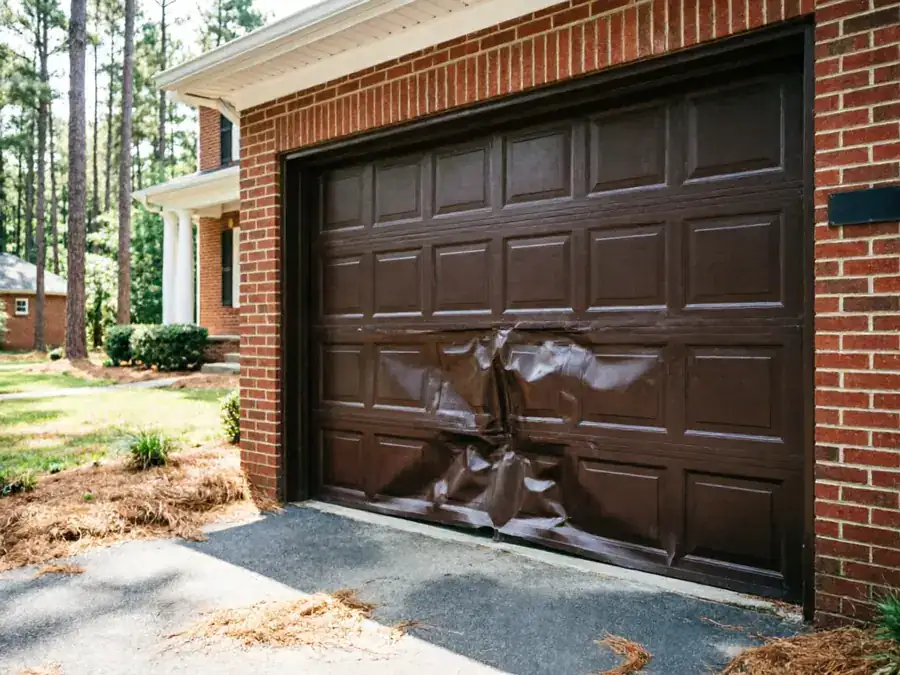
The most common call out of India Hook is a single dented or cracked panel section, usually the bottom one, from a backed-into door or a stray branch - not structural failure of the whole door
Because the build era here runs insulated steel, a dent in one section doesn't usually mean the door's lost its seal everywhere else, so you're often looking at a one-panel swap, not a full replacement.
What we see less of here than on older housing stock nearby is rot or delamination in a wood panel
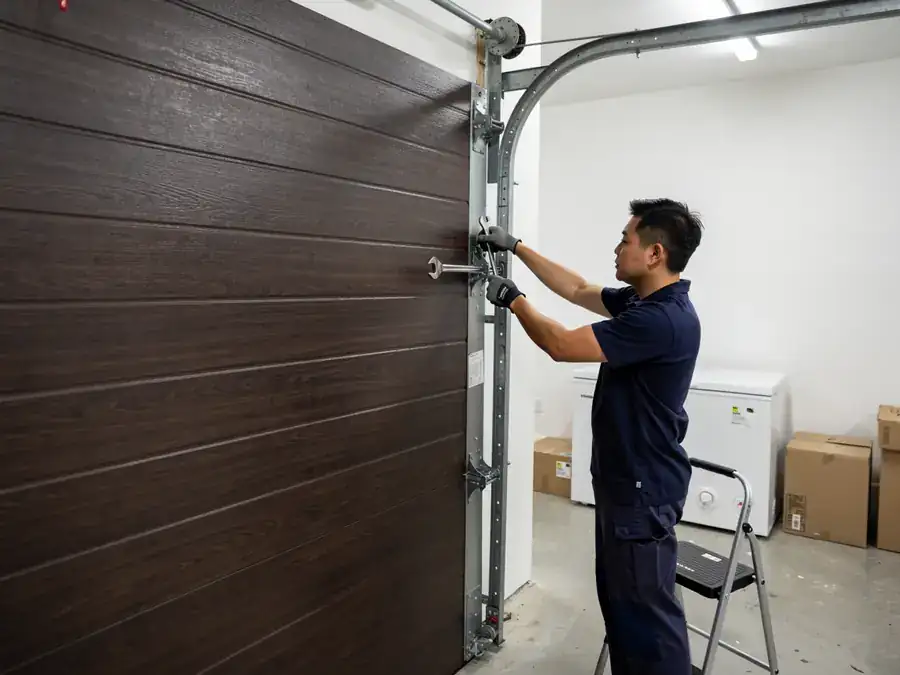
That's more a Newport or Lesslie problem, where older wood-composite doors are still in service. On the 2003-era doors common in India Hook, the failure point tends to be the finish and the seams between sections rather than the core material itself, since insulated steel holds up fine through our moderate cold winters. Where we do see trouble is on doors that have had one section replaced already with a non-matching panel from a prior repair - mismatched gauge or fastener spacing between old and new sections, which shows up as a rattle or a slight misalignment at the seam.
What It Costs
We don't have a flat number to post here, because panel cost depends on the brand, the insulated R-value, and whether the color run is still in production or needs a custom-tint order - and we're not going to quote a price we can't back once we see the door. What we can tell you is that median household income across the India Hook area sits at $94,505, which is in line with the rest of the Fort Mill service area, and most homeowners here go with a matched insulated section rather than a cheaper non-insulated swap, since it's a small difference in cost against a mismatch you'll see every time you pull in the driveway.
The real cost driver is whether your panel is still in production. A door from the early-2000s building wave that's been discontinued by the manufacturer sometimes means sourcing from a different supplier at a different price point, and we'll walk you through that option instead of guessing on the phone.