Parts We Carry
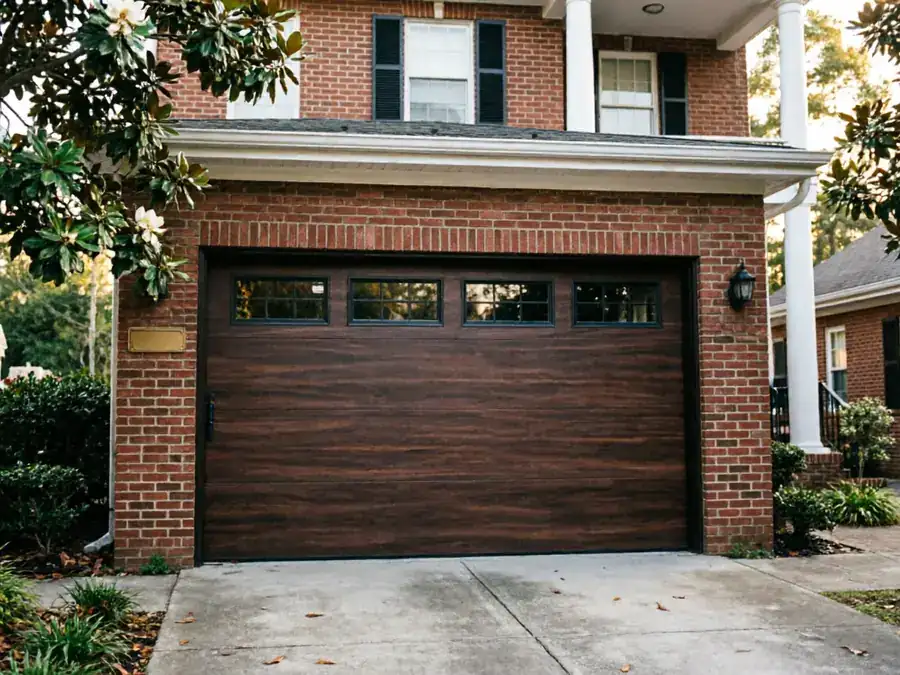
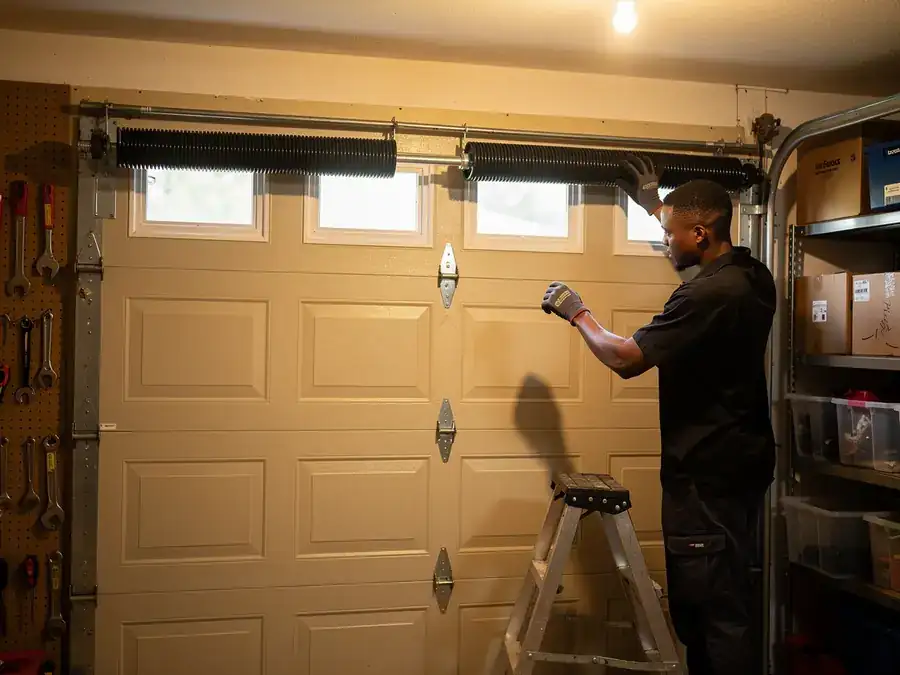
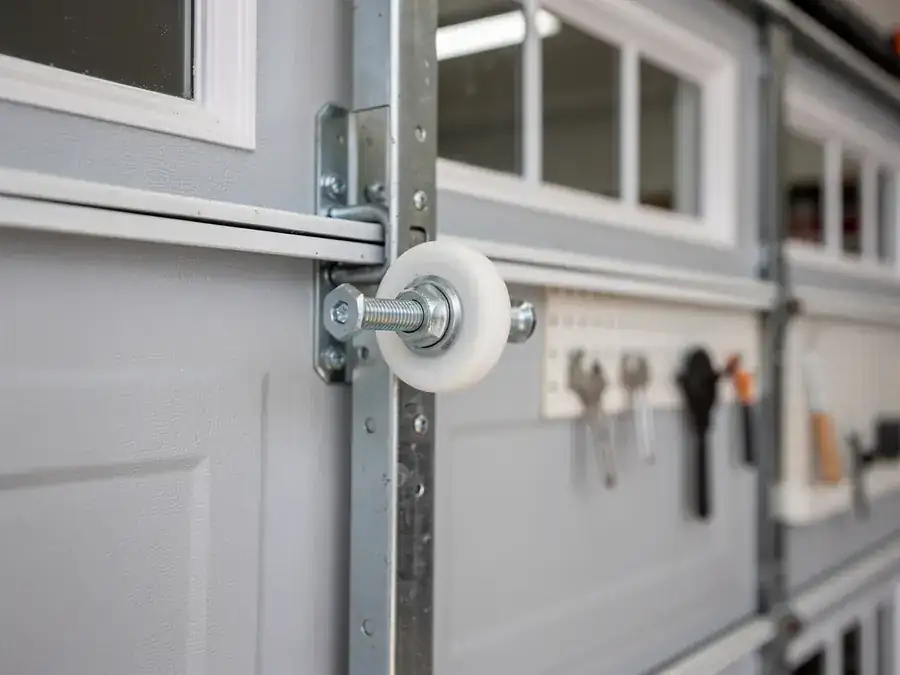
Most driveways in Lesslie sit behind doors that went in around 1994, when steel rollers with sealed bearings were standard equipment, not an upgrade. That's what builders put on doors through the 80s and 90s across this whole corner of the service area, and Lesslie's stock lines up right with it. We carry galvanized steel 7-ball rollers as our default stock for jobs out here, because that's what's already on the track and what most owners want back - stiffer, heavier, and built to take the abuse of a daily-driver door.
We also carry nylon rollers with sealed bearings for owners who want quieter operation, but we don't push the upgrade on every call. If your opener and track are original to a 1994 build and running fine otherwise, swapping to nylon changes the sound more than it changes the service life. We'll tell you straight which one makes sense for your door instead of defaulting to the pricier part.
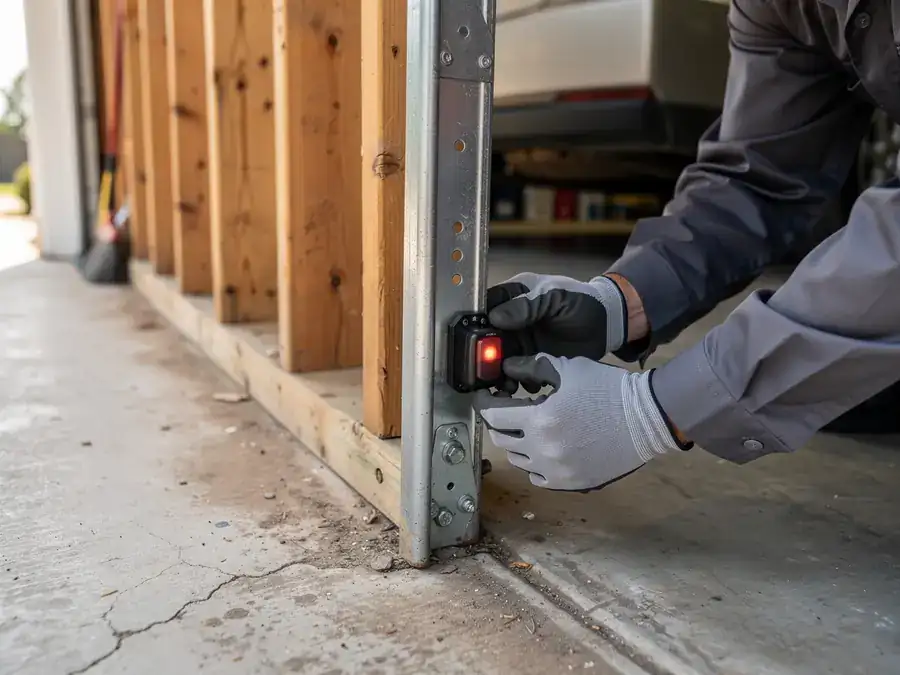
One limitation worth saying plainly: if the track itself is bent or the brackets have pulled loose from the jamb, a roller swap alone won't fix the symptom. We'll flag that on-site rather than sell you rollers that won't solve the actual problem.
Getting It Booked In
At 8 miles out from Fort Mill, Lesslie is close enough that a roller job doesn't turn into a half-day trip, but it's far enough that we plan the route before we load the truck. We travel out from Fort Mill for every call here - there's no branch or depot in Lesslie, just a truck stocked for the kind of hardware that's common on doors from this build era.
When you call, tell us the rough age of the door if you know it and whether the noise is a grinding, a thunk on one spot of the track, or a door that's started to lean. That tells us which rollers to pull off the truck before we're standing in your driveway, which matters more here than it would on a newer build with nylon rollers already installed - steel rollers from the 90s wear differently and the fix isn't always a straight swap.
What You Are Seeing
With roughly 1,114 households in Lesslie, most of them built within a tight fifteen-year window, the rollers failing now are failing for the same reason, within a year or two of each other
A door built in 1994 in the cold-moderate swing we get here has had three decades of track flex, and galvanized steel rollers from that era show it in the form of flat spots and grooved tracks - the roller itself develops a flat side from sitting in one position overnight, and every rotation after that knocks against the track instead of rolling smooth.
- 1,114 households
You'll hear it before you see it
A rhythmic thunk as the door travels, worse in cold mornings when the metal's contracted slightly and the clearance in the track is tighter. Some owners notice the door catching or jerking at the same spot every time - that's usually one bad roller near a hinge point, not the whole set. A handful of worn rollers on an otherwise sound track is a different job than a track that's bent or pulled away from the wall, and it's worth knowing which one you've got before you call.
What the Repair Takes
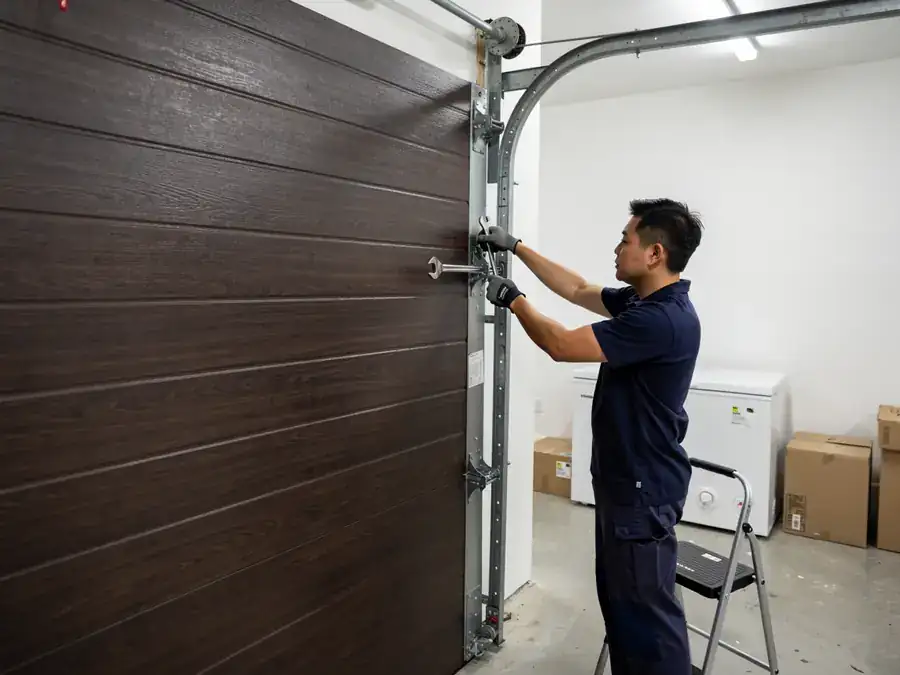
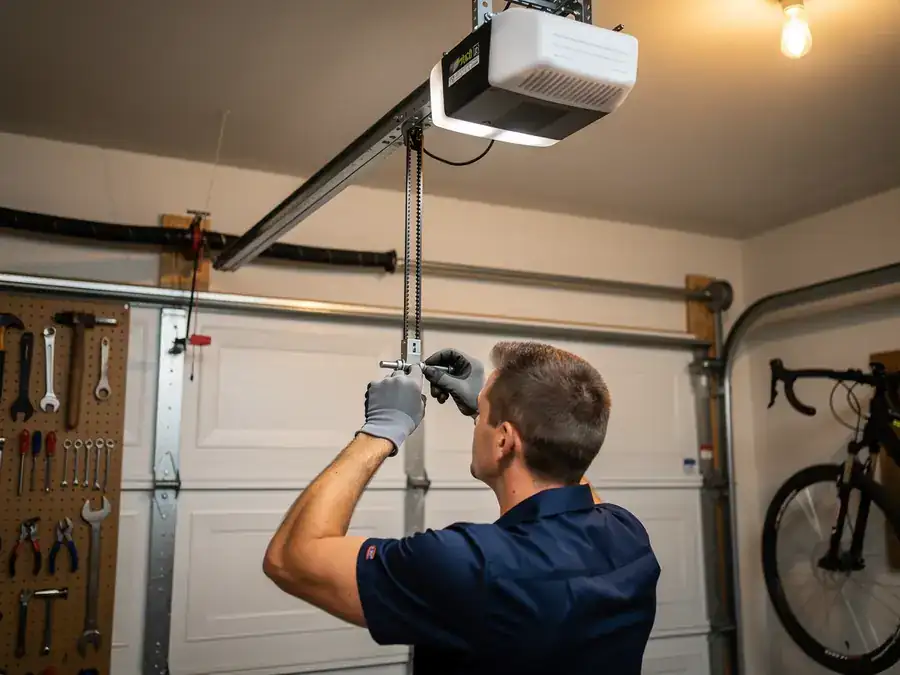
Lesslie's median household income of $86,500 is lower than the service area's $94,505 average, which is part of why we stock steel 7-ball rollers as the default instead of pushing nylon on every job. A straightforward roller swap on a double door - ten rollers, both tracks - takes an hour on-site once we've got the right stock on the truck, assuming the track and hinges are in decent shape underneath.
If we get out there and find the track bent or the hinges cracked, that's a longer conversation and a different scope. We won't swap rollers onto a track that's going to chew through them again in six months - we'll say so and talk through what the actual fix is. For doors from this build era specifically, it's common to replace all the rollers on both sides at once even if only a couple have failed, since the rest are usually close behind on wear.